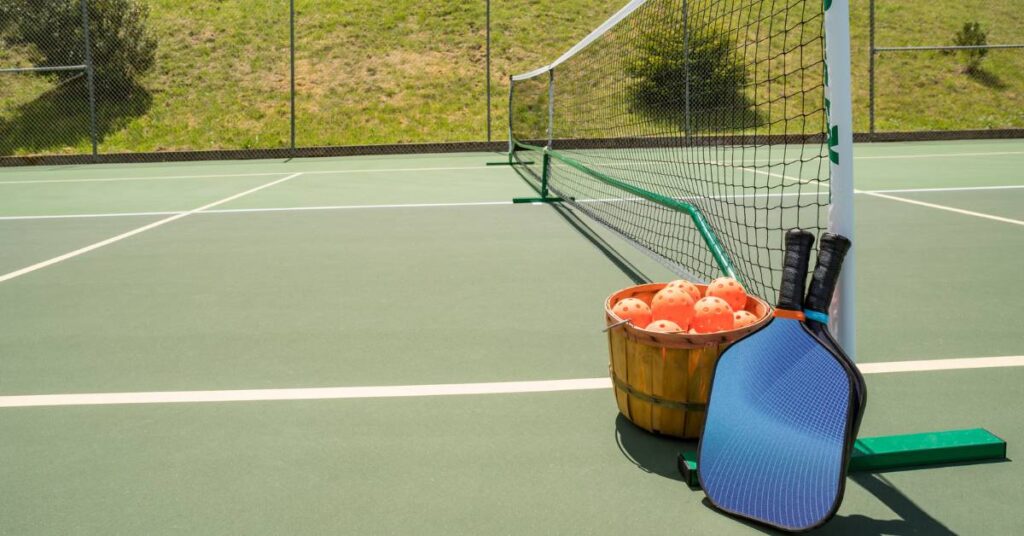
We are focused on growing the sport of Pickleball
Pickleball Equipment
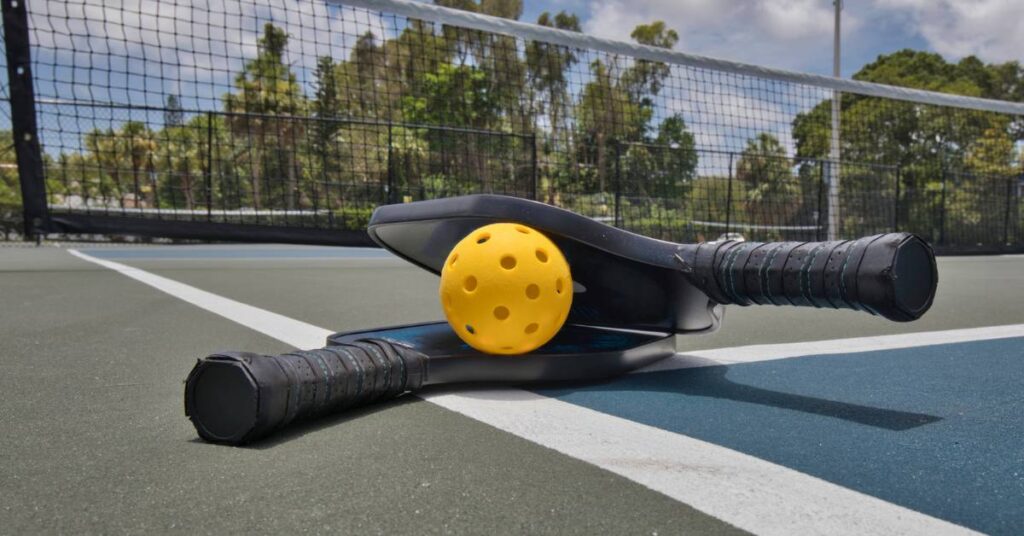
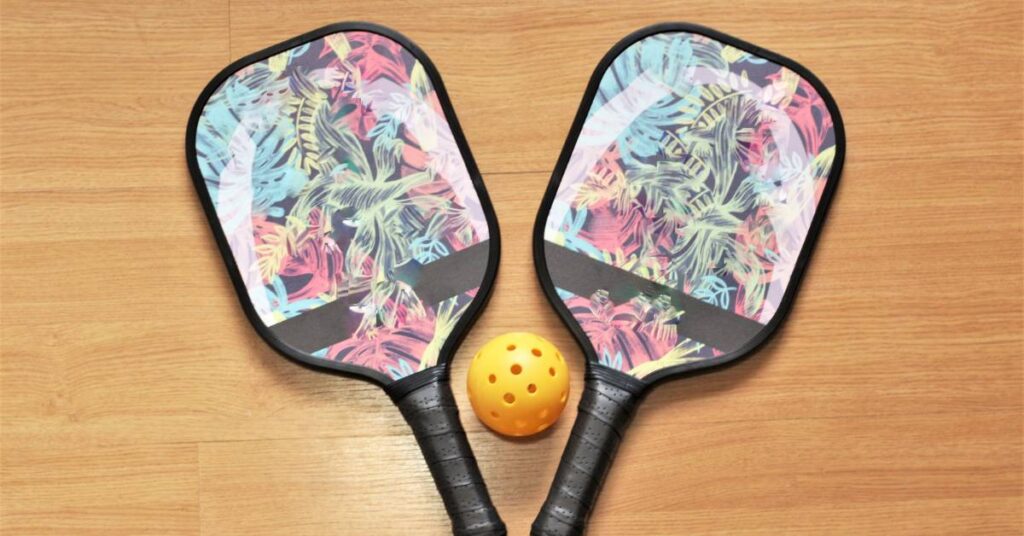
The materials science and aerodynamic engineering of pickleball equipment—specifically paddle polymer cores and ball flight dynamics—dictate the game’s competitive mechanics (power vs. control). High-performance paddles utilize advanced carbon fiber facings and honeycomb polymer cores (Polypropylene, Nomex) to optimize the Coefficient of Restitution (CoR) and rotational friction.
The Materials Science & Aerodynamic Engineering of Pickleball hub analyzes the technology of the court. Core attributes include the impact of paddle weight (swing weight vs. static weight) on kinematic energy transfer, the use of thermoforming to increase structural rigidity, and the fluid dynamics of the 40-hole outdoor ball design. The engineering value lies in matching equipment specifications to a player’s biomechanical style.
Polymer Core Mechanics & Surface Friction Dynamics
We examine how the thickness of the polymer core (13mm vs. 16mm) affects the dwell time (the duration the ball stays on the paddle), which is a primary variable in ‘reset’ shots and dinking. Our technical guides focus on the science of ‘grit’ (surface texture) for generating spin through tangential friction, the role of vibration dampening in preventing lateral epicondylitis (tennis elbow), and the impact of temperature on ball compression. Understanding the physics of your gear is the foundation of strategic mastery.
FAQ: Pickleball Physics
Why do thicker paddles (16mm) provide more control? Thicker paddles have a more flexible core that absorbs more energy from the ball upon impact. This increases ‘dwell time’ and reduces the ‘pop’ or trampoline effect, allowing the player to place the ball more accurately at the expense of pure power. Thinner paddles (13mm) are stiffer and return more energy to the ball, favoring a power-based game.
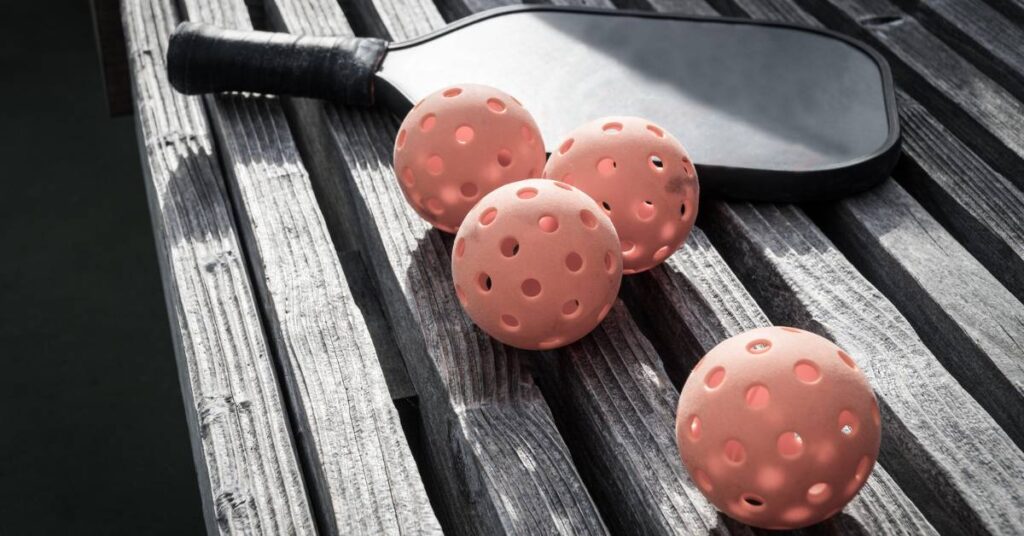
How does ball hole-count affect flight? Outdoor pickleballs typically have 40 small, precision-drilled holes to reduce the impact of wind (aerodynamic drag) and ensure a more consistent flight path. Indoor balls have 26 larger holes, as they do not need to contend with crosswinds and are designed for a softer, more controlled bounce on hardwood surfaces.
Technique: Kinematic Chains.