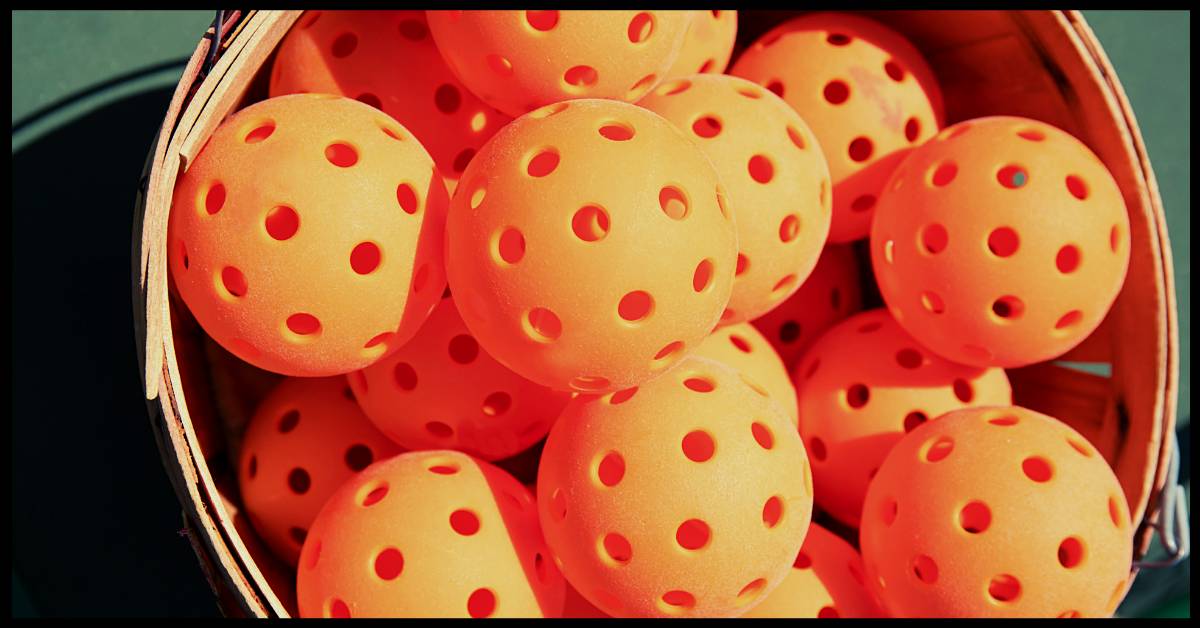
Did you know that a perfectly clean pickleball court can make the difference between a smooth, injury-free game and unexpected slips or uneven ball bounces? Maintaining an impeccable playing surface isn’t just about aesthetics-it directly impacts performance and safety for players of all skill levels. That’s where a dedicated pickleball court cleaning machine becomes invaluable. Whether you’re managing a busy community facility or a private court, choosing the right cleaning equipment helps you keep dust, debris, and grit off the surface without wasting time or effort. From budget-friendly manual options to advanced autonomous machines, understanding how these tools work will help you protect your investment and enhance every game. Stick around as we break down the key features to look for, practical maintenance tips, and the trade-offs between different machines-because a well-kept court means better play and greater enjoyment for everyone.
How Pickleball Court Surfaces Affect Cleanliness and Play
Choosing the right surface for a pickleball court plays a pivotal role in both how easy it is to keep clean and how well the game flows. Different materials affect ball bounce, player movement, and the buildup of dirt, which directly impacts court maintenance. For avid players and facility managers alike, understanding these nuances can make all the difference in game quality and upkeep efforts.Hard acrylic courts are the most common and offer an ideal balance between durability and playability.Their smooth, non-porous surfaces resist dirt infiltration and are relatively easy to clean with basic washing or machine scrubbing. However, these courts can become slippery if dust or debris accumulates, so regular cleaning with tools like pressure washers or specialized court cleaning machines ensures safety and consistent ball response. In contrast, concrete courts without a proper acrylic coating can trap dirt in micro-cracks, making thorough cleaning tougher and risking uneven play over time.
On the othre hand, synthetic turf or cushioned surfaces present unique cleaning challenges. While softer on joints and popular for multi-sport use, turf courts tend to collect leaves, dust, and moisture, which can lead to mold or mildew if not cleaned properly. Specialized machines with gentle brushes or vacuum attachments are better suited here, as aggressive scrubbers may damage fibers. Moreover,moisture retention on turf requires more frequent drying and inspection to maintain a reliable playing surface.
surface Impact on Play and Maintenance
- Acrylic Courts: Smooth finish supports consistent ball bounce and quick cleaning cycles. Recommended cleaning with warm water and mild detergents avoids surface damage.
- Concrete Courts: More porous and prone to cracking; dirt gets lodged easily. Maintenance requires deeper cleaning and occasional resurfacing.
- Turf Courts: Soft and cushioned but traps debris and moisture. Requires specialized cleaning machines and regular drying to prevent wear.
The choice of surface also aligns closely with available cleaning equipment and budget. For example, facilities with primarily acrylic courts can invest in versatile, mid-range automated cleaning machines that deliver efficiency without risk of damage. Meanwhile, turf facility operators might prioritize smaller, manual machines with specific accessories to protect the fibers while keeping courts clean.
knowing your court surface intimately allows you to tailor cleaning methods, select the right machines, and schedule maintenance that extends both the court’s life and the joy of play. Keeping surfaces appropriate for your local climate and player demands will ensure every match is played on a court that looks and feels at its best.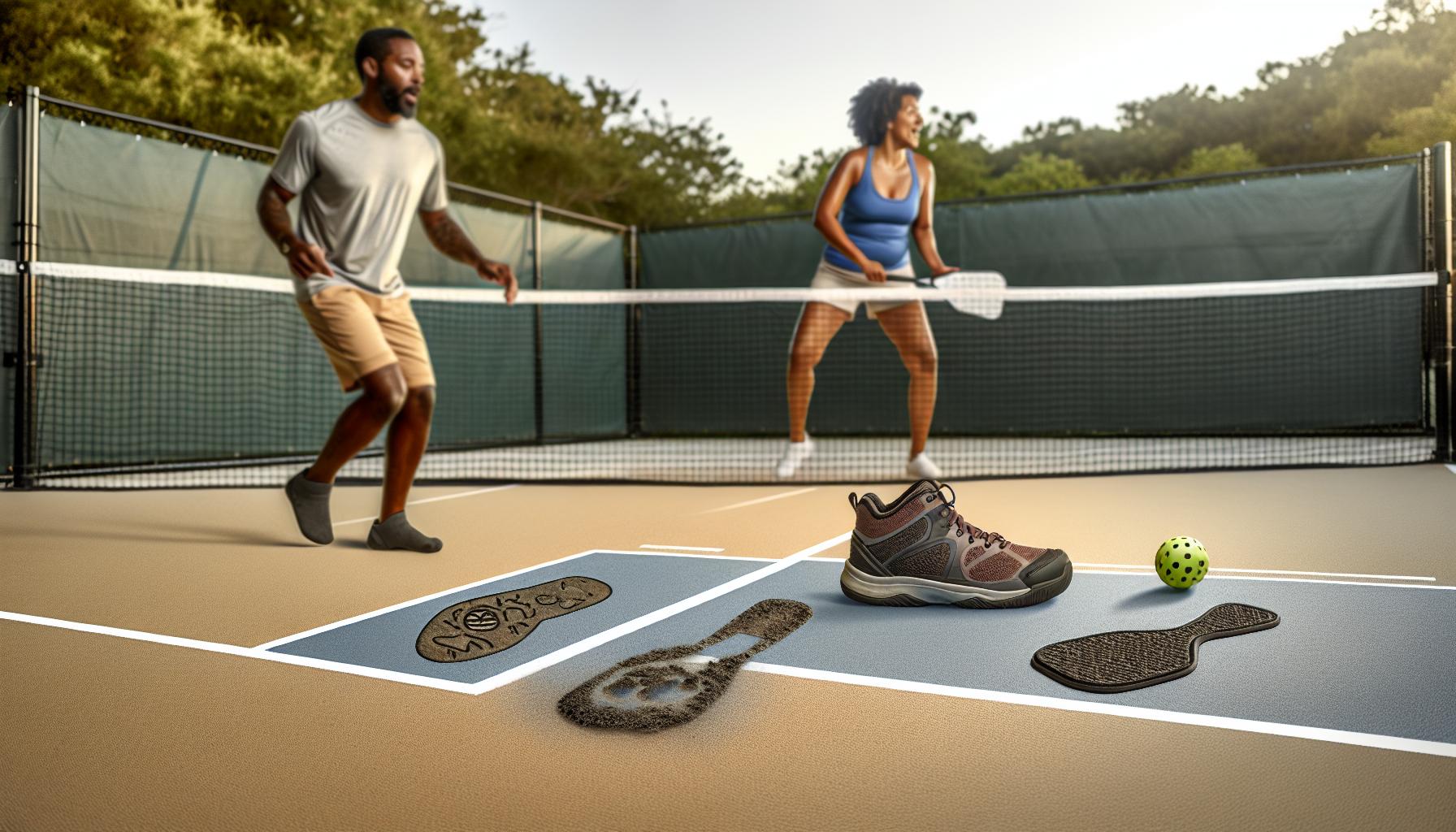
Essential Features of Top Pickleball Court Cleaning Machines
Maintaining a spotless pickleball court is not just about aesthetics-it’s essential for player safety and consistent game performance. The best court cleaning machines combine efficiency, adaptability, and user-friendly features to make upkeep straightforward for facilities of all sizes. Whether you’re running a community center with several courts or a private club with just one, choosing a machine that matches your skill level, budget, and court surface is key to preserving that perfect playing environment.
one critical feature in top-tier cleaning machines is versatility. Machines equipped with adjustable brush types and pressure settings allow operators to customize cleaning intensity based on the court surface. for instance, hard acrylic courts benefit from firm scrubbing that removes fine dust, while turf courts require softer, non-abrasive brushes or vacuum functions to avoid damaging fibers. Look for models offering quick-swap attachments or multifunction heads to handle these differences seamlessly.
Another essential factor is automation and navigation technology. The latest robotic cleansers use integrated sensors and GPS mapping, similar to CourtBots, to move methodically and cover the entire surface without missing spots or overlapping unnecessarily. All this happens quietly and without operator fatigue, which is especially advantageous for large facilities. Automated machines also reduce labor costs and prevent human error, improving both safety and surface longevity [1].Durability also plays a big role, especially if your court sees heavy daily use. Machines built with sturdy, weather-resistant materials and sealed electronics stand up well to outdoor environments – rain, intense sun, and temperature fluctuations. Cordless battery operation is another benefit, offering mobility and easy use on courts lacking power outlets.
Key Features at a Glance
| Feature | Benefit | Ideal For |
|---|---|---|
| Adjustable Brush Pressure & Heads | Protects delicate surfaces and maximizes cleaning efficiency | Acrylic, Turf, Multi-surface courts |
| Automated Navigation & Sensors | Ensures complete, even cleaning with minimal labor | Large facilities, High-traffic courts |
| Battery Powered Mobility | Greater maneuverability, no cords to trip over | Outdoor courts, Remote locations |
| water and Dust Collection Systems | keeps debris contained, reduces airborne dust | indoor courts, Dust-prone regions |
For those on a tighter budget or with smaller courts, manual or semi-automated machines that focus on basic tasks such as sweeping and surface scrubbing can still achieve notable results. just be mindful of the workload and training needed to operate them efficiently.
the best pickleball court cleaning machines marry surface sensitivity with operational ease and robust performance. Prioritize machines that can adapt to your court’s material while fitting your maintenance schedule and personnel availability. By investing in these thoughtfully designed tools, you’re setting the stage for safer, cleaner, and more enjoyable play every time.
For more specialized models specifically designed to handle delicate surfaces or advanced automation, checking out dedicated pickleball court cleaning solutions can give invaluable insights [2].
Step-by-Step Guide to Using Cleaning Machines Safely
keeping your pickleball court in top shape not only preserves the playing surface but also enhances player safety and experience. Using cleaning machines is a smart investment, but overlooking proper handling and safety measures can lead to equipment damage or personal injury. Whether you’re operating a budget-friendly manual scrubber or a high-tech automated system,understanding each step of safe machine use ensures efficient cleaning and extends your machine’s longevity.Start by thoroughly reading the manufacturer’s manual, paying close attention to setup instructions, recommended cleaning modes, and safety warnings. Before powering on, inspect the machine for any visible wear or loose parts, especially brush heads, power cords, or battery compartments.Always wear appropriate personal protective equipment (PPE) such as gloves and safety glasses, particularly when working with machines that use detergents or produce dust. For outdoor courts, ensure the surface is free of large debris that coudl jam the brushes or wheels.
Preparing and Operating the Machine
- Check power sources: For battery-powered machines, ensure batteries are fully charged. For corded units, arrange cords to avoid tripping hazards and verify outlets are dry and accessible.
- Adjust brush settings: Match brush pressure and type to your court material. Use softer, low-pressure brushes on turf surfaces and firmer brushes on acrylic or concrete courts to maximize cleaning without damage.
- Perform a test run: Operate the machine on a small, inconspicuous area to confirm settings and observe machine behaviour. Listen for unusual sounds and watch for uneven cleaning patterns.
- Maintain steady movement: Whether manual or automated, avoid rapid starts, abrupt turns, or backing up suddenly. Smooth, consistent passes minimize stress on machine mechanics and prevent surface wear.
Post-Cleaning Procedures and Safety
After completing the cleaning cycle, power down the machine fully before moving it. For battery-powered units, detach or secure batteries per guidelines. Clean brush heads and collection bins promptly to prevent buildup that can impair future performance. store the machine in a shaded, dry area to protect electronic components from heat or moisture. If you notice any mechanical issues or performance drops during cleaning, pause and troubleshoot-continuing can cause costly damage.
| Step | Key Action | Safety Tip |
|---|---|---|
| 1 | Read user manual | Understand machine specifics and hazards |
| 2 | Inspect machine | Check for wear, loose parts, or damages |
| 3 | Wear PPE | Protect eyes and hands from debris and chemicals |
| 4 | Set brush pressure/type | Match surface sensitivity to avoid damage |
| 5 | Test on small area | Prevent large-scale errors or damage |
| 6 | Operate with steady motion | Reduce mechanical strain and surface impact |
| 7 | Clean machine after use | Maintain performance and longevity |
| 8 | Store properly | Protect from weather and ensure readiness |
By following these practical steps, you not only safeguard yourself and others but also make your maintenance routine smoother and more effective. Real players frequently enough report that well-maintained courts contribute to better ball bounce and footing, translating to improved gameplay quality and confidence on the court. Remember, investing time in safe machine operation pays off in consistent court performance and fewer unexpected repairs.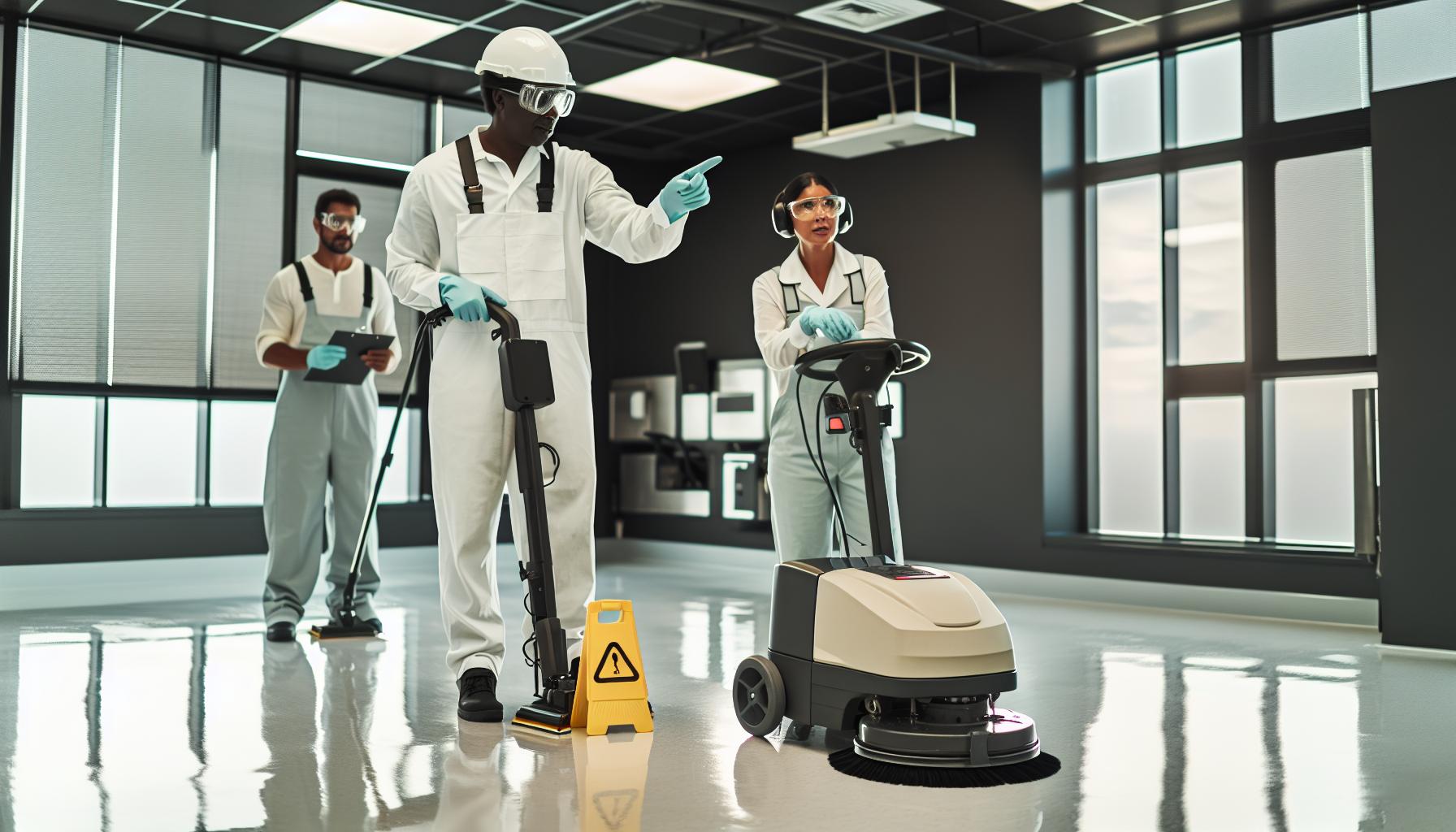
Comparing Manual vs. Automated Court Cleaning Solutions
Picking between manual and automated cleaning solutions for your pickleball court is more than just a question of budget-it’s about balancing time, effort, and the quality of surface care to match your facility’s needs. While manual cleaning has long been the go-to for many smaller or budget-conscious venues, automated machines offer a glimpse of effortless, consistent upkeep, particularly for courts hosting regular play or competition.
Manual cleaning tools-such as push brooms, scrub brushes, and handheld sweepers-are straightforward and affordable, requiring minimal upfront investment. Thay provide excellent control over spot cleaning and can be quickly deployed to clear light debris or surface dust. Though, these methods are labor-intensive, especially on textured or acrylic court surfaces where dirt and algae can embed deeply. Over time, repeated scrubbing can strain your body and increase the risk of uneven wear if pressure is inconsistent. Such as, in heavy use scenarios such as pickleball clubs with daily tournaments, manual cleaning can become a bottleneck and a physical toll on maintenance staff.
Automated court cleaning machines are designed to tackle these challenges by delivering more uniform cleaning with little physical effort once set up. These machines range from battery-powered scrubbers to autonomous robots that methodically sweep and scrub the playing surface, removing dust bunnies and grime without disrupting scheduled play[[[[[1]](https://www.stackspb.com/courtbots). The investment is higher,but the return comes in saved labor hours,improved cleaning consistency,and decreased downtime. Automated systems also often include adjustable brush settings to protect different surface types, whether acrylic, concrete, or turf, ensuring that court longevity is preserved while maximizing cleanliness.
Key Differences at a Glance
| Feature | manual Cleaning | Automated cleaning |
|---|---|---|
| Initial Cost | Low (basic tools) | Moderate to High (machines and maintenance) |
| Labor Intensity | High (physical effort required) | Low (operator oversight only) |
| Cleaning Efficiency | Variable (depends on user skill) | Consistent and thorough |
| Surface wear | Possibility of uneven wear if over-scrubbed | Brush pressure adjustable, reducing damage risk |
| Suitability | small courts or infrequent use | larger facilities or high-traffic courts |
| Time Investment | Longer per cleaning session | Shorter and frequently enough automated runs |
For facilities with limited budgets or minimal play, manual cleaning remains highly viable. A coach once shared that manually sweeping after each game helped maintain player safety by preventing slips from loose debris. Conversely, a community center with multiple courts found its staff relieved and players happier after integrating automated systems like CourtBots, which run independently and maintain consistent court condition without interrupting play[[[[[1]](https://www.stackspb.com/courtbots).
Ultimately,the right choice aligns with your court’s size,play frequency,and staffing resources. Beginners or smaller venues might start with manual tools and gradually scale up to automation as demands increase. Advanced facilities benefit from automation to deliver professional-grade cleanliness efficiently, promoting extended court life and improved player experience. Whatever path you choose, pairing effective tools with sound maintenance practices is essential to keep gameplay safe and surface quality top-notch.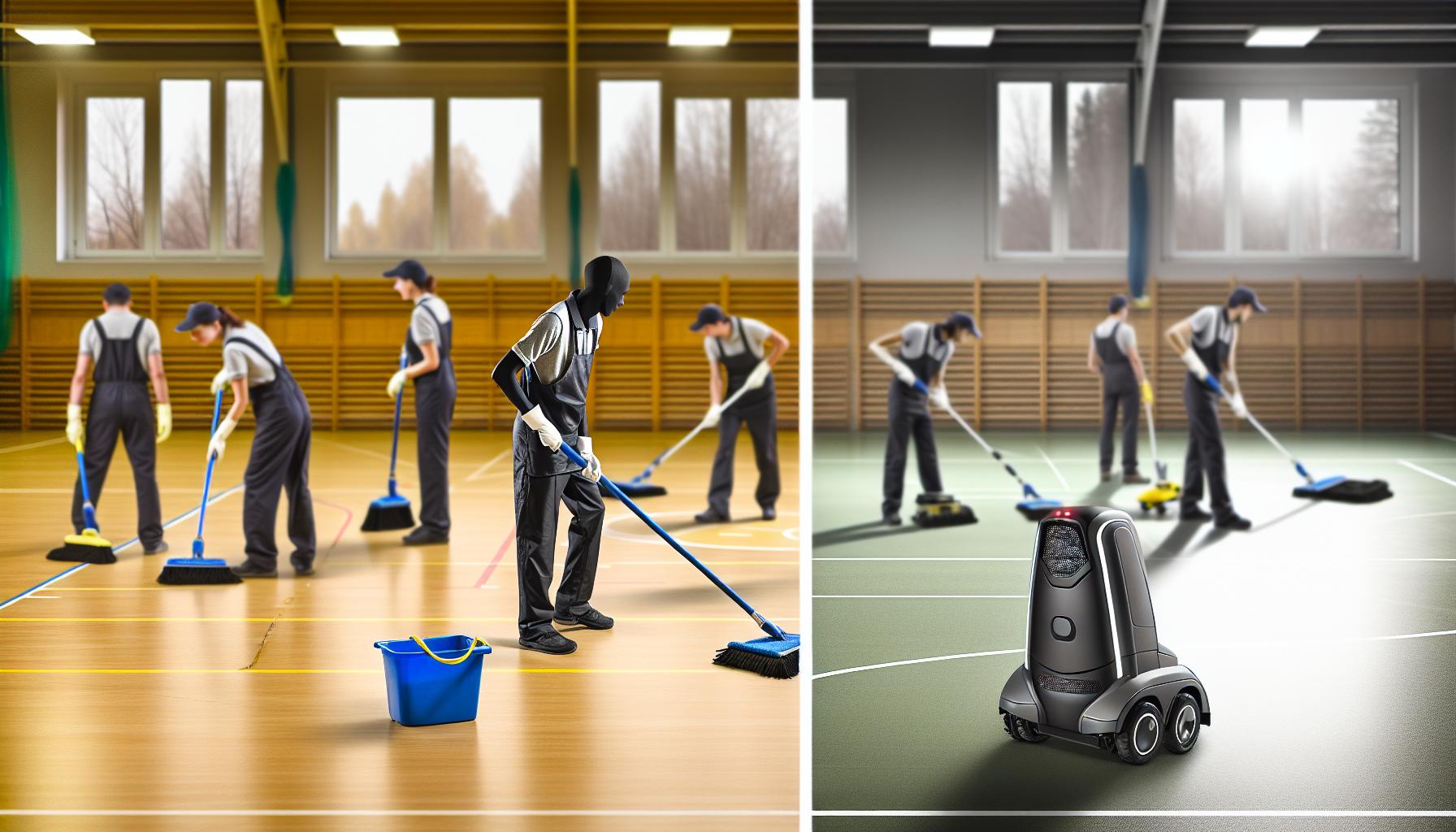
Best Cleaning Practices for Different Court Materials
Courts come in a variety of surfaces, each with distinct characteristics that directly influence the cleaning approach you’ll want to take. Acrylic and painted concrete courts are among the most common for pickleball, favored for their durability and traction. However, their textured finish can trap dirt, dust, and even mold, especially in humid climates or shaded areas. Proper cleaning here means prioritizing tools and machines with adjustable brush pressure and softer bristles to avoid surface abrasion while removing embedded debris effectively.
On the other hand,polypropylene or modular tile courts require a different touch. their interlocking design allows for some drainage and airflow but gathers grass, leaves, and sand in the seams. Automated cleaning machines with precision sweeping functions or manual handheld tools like blowers excel in these scenarios, keeping debris from accumulating without risking damage to the tiles’ snap-fit joints. Avoid high-pressure washing on tile courts as it can force moisture between tiles or loosen them over time.
indoor pickleball courts, commonly made of hardwood or synthetic sport surfaces, benefit from gentle, non-abrasive cleaning methods to maintain finish integrity. Using machines equipped with microfiber pads or softer brushes coupled with mild detergents helps preserve the surface sheen and grip. Avoid any harsh chemicals or bleach-based products, which can dull the finish or leave residues that affect ball bounce consistency. Wiping down net posts and boundary lines regularly, ideally quarterly, maintains a fully professional and safe playing environment[[[[[1]](https://productiveparks.com/pickleball-court-maintenance).
| Surface Type | Recommended Cleaning Method | Machine Feature Focus | Common Debris |
|---|---|---|---|
| Acrylic/concrete | Low to medium pressure brushing, occasional pressure washing | Adjustable brush pressure; soft bristles | Dirt, dust, algae, leaf residue |
| Modular Tile | blowing, gentle sweeping, spot cleaning | Precision sweepers; manual tools for crevices | Grass, sand, leaves |
| Indoor Hardwood/Synthetic | Microfiber pad machines; mild detergent cleaning | Soft brushes/pads; chemical compatibility | Dust, sweat marks, scuff |
Matching the right cleaning approach to your court surface not only protects the investment but actively contributes to safer play by reducing slip hazards and surface irregularities. Such as, a local club with high humidity opted for automated scrubbers with adjustable pressure settings, which kept their acrylic courts pristine without accelerating wear. Simultaneously occurring, another facility with modular tile courts found manual sweeps combined with spot cleaning most effective and budget-conscious, given the nature of debris and court design.Remember, no matter the court type, integrating regular cleaning intervals-monthly for nets and posts, quarterly for surfaces-helps sustain optimal playing conditions and extends the life of both your court and cleaning equipment[[[[[1]](https://productiveparks.com/pickleball-court-maintenance),[[[[[2]](https://www.playpickleball.com/pickleball-court-tools-cleaning-maintenance). Prioritize gentle yet thorough cleaning, and tailor your tools to the material’s demands for a court that looks and plays great year-round.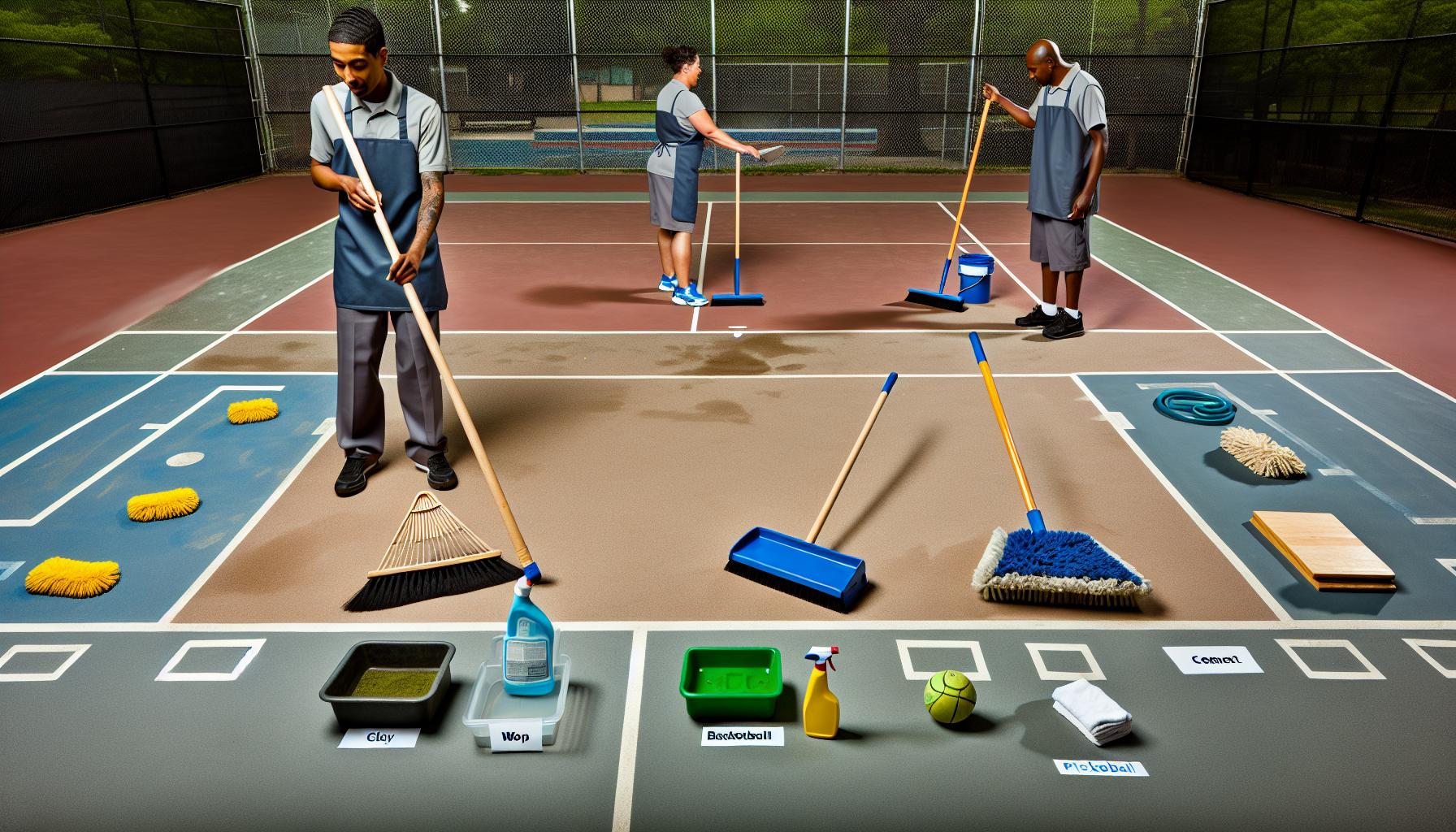
Maintenance Tips to Extend Your Cleaning Machine’s lifespan
A well-maintained cleaning machine can be your best investment in preserving both the quality and safety of your pickleball courts. Just as you tune your game, tuning your equipment regularly ensures it performs at its best, season after season. Neglecting routine machine care can lead to premature wear, costly repairs, and inconsistent cleaning results that undermine your court’s condition-and your players’ experience.
Establish a Consistent Cleaning and Inspection Routine
After every use, it’s key to clear out any trapped debris, dust, or damp residue from brushes, pads, and sweeping components. This prevents buildup that wears down the machine’s moving parts or reduces cleaning efficiency. Developing a simple checklist like the one below helps keep your machine in top shape, even if multiple users share responsibility:
- Remove and clean brushes or pads: Rinse with water and mild detergent; allow them to dry entirely before reattaching.
- Check filters and dust collectors: Empty or replace as needed to maintain suction and airflow.
- Inspect belts and moving parts: look for signs of cracking, fraying, or slack; adjust or replace promptly.
- Lubricate gears and bearings: use manufacturer-recommended lubricants to reduce friction and wear.
- Test all electrical components and controls: Confirm that switches, cords, and connections remain intact and responsive.
Store Machines Properly to Avoid Environmental Damage
Exposure to weather elements can be the silent enemy of your cleaning equipment, especially if your budget-friendly model lacks weatherproofing. If possible, store your machine in a dry, covered area away from direct sunlight and extreme temperatures.
Avoid leaving machines outside overnight-moisture infiltrates sensitive components, promoting rust and corrosion. for modular tile facilities, where manual cleaning tools are common, the same principles apply to handheld blowers and sweepers to prolong operational life.
Balance Usage with Manufacturer Guidelines and Real-World Needs
While premium automated scrubbers often come with extensive warranties and service plans, budget models may need a lighter touch. If your court sees frequent use and rapid debris generation-say, near trees or in humid climates-pace your cleaning sessions accordingly and rotate equipment to reduce strain.
Here’s a quick look at how maintenance focus shifts based on machine type and court environment:
| Machine Type | Key Maintenance Focus | Recommended Frequency | Typical Challenge |
|---|---|---|---|
| Automated Scrubbers (Premium) | Brush replacement, sensor calibration, battery care | Weekly to monthly | Electronic component sensitivity |
| Manual Sweepers and Blow tools | Blade sharpening, debris removal, handle integrity | Monthly | Wear on brushes and joints |
| Hybrid Models (Semi-Automated) | Battery checks, brush adjustments, filter cleaning | Biweekly | Balancing manual and automated parts |
By treating maintenance as an ongoing habit rather than a reactive fix, your cleaning machines reward you with consistent performance. One recreational center reported that dedicating 15 minutes after each cleaning session to these upkeep steps extended their scrubber’s lifespan by over 30%, providing a better return on investment.
Ultimately, keeping your machine in peak condition supports smoother court surfaces and safer play. This hands-on care approach mirrors how players sharpen skills: consistent,attentive,and aimed at longevity.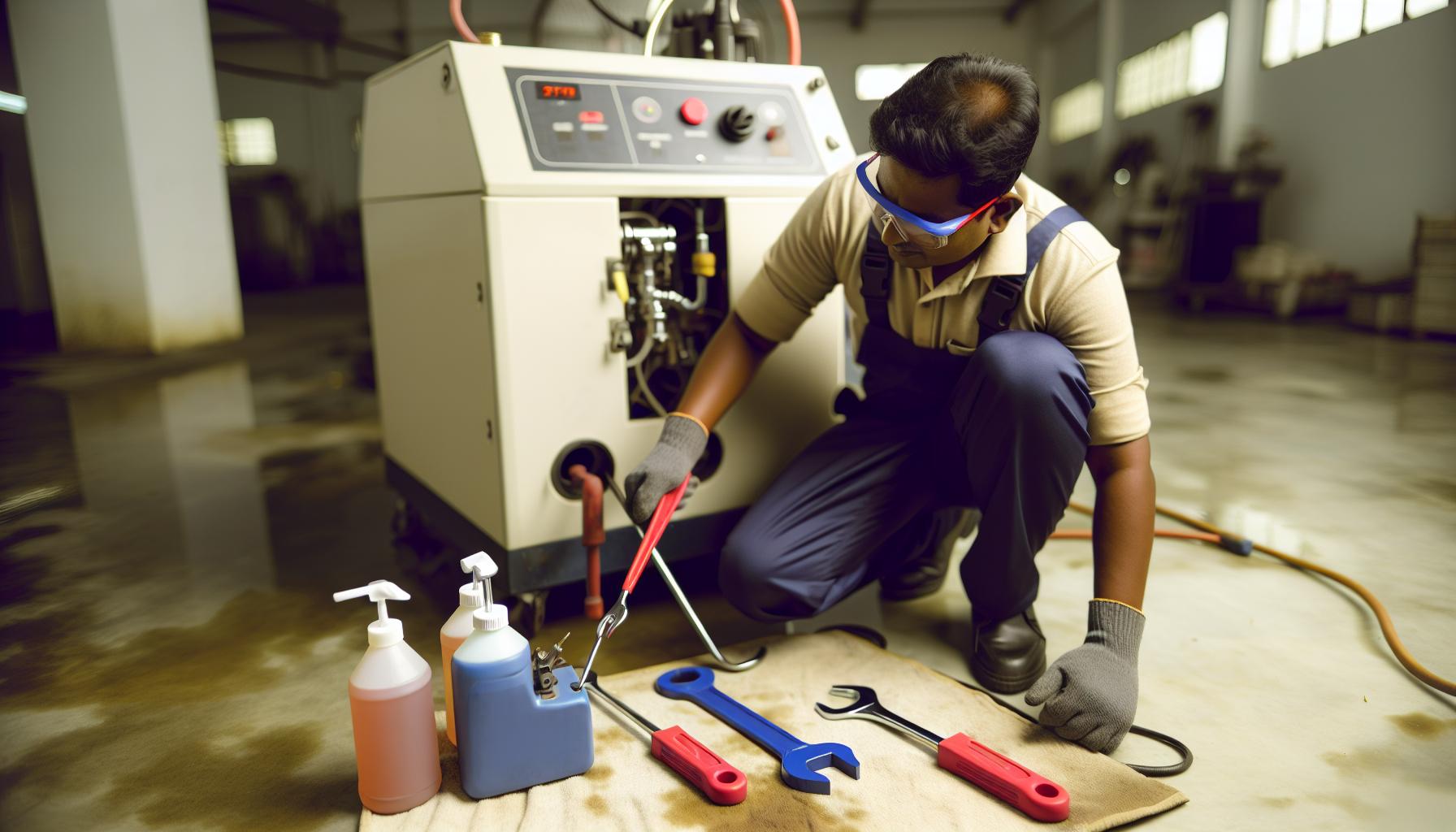
Eco-Friendly and Budget-Friendly Cleaning Options
A surprising number of pickleball court owners hesitate to invest in cleaning machines due to concerns about upfront costs and environmental impact.However, achieving a pristine court surface doesn’t have to mean breaking the bank or compromising sustainability. Many effective cleaning options exist that strike a balance between budget-friendliness and eco-consciousness, making it easier for facilities of all sizes to maintain safe, smooth courts without excessive expenses or waste.
Choosing Efficient Cleaning Machines with Low Environmental Impact
Electric or battery-powered scrubbers and sweepers frequently enough outperform gas-powered equivalents by producing zero emissions on-site and minimizing noise pollution-an critically important factor in residential or community settings.look for models with rechargeable lithium-ion batteries that offer longer run times and lower energy consumption, reducing both carbon footprint and operating costs.Additionally, machines equipped with reusable filters or vacuum bags cut down on disposable waste.
For facilities where budget constraints rule decision-making, semi-automated or manual options enhanced with ergonomic designs provide excellent eco-friendly alternatives. Tools like water brooms or push sweepers use minimal water and no harsh chemicals, preserving court surfaces while conserving resources[[[[[2]](https://www.facebook.com/groups/1340630926008388/posts/3927369287334526/).
Practical Cleaning Supplies That Support Enduring Maintenance
Rather of relying on aggressive detergents or bleach-based cleaners-which can cause damage to court materials and harm surrounding plants-use mild, biodegradable soaps combined with warm water to clean nets, posts, and court surfaces[[[[[1]](https://productiveparks.com/pickleball-court-maintenance). Many local or online suppliers offer eco-certified cleaning concentrates that break down dirt effectively without leaving residues or pollutants.
Here’s a quick checklist for environmentally friendly cleaning products:
- Biodegradable liquid detergents: Safe for court surfaces and runoff water.
- Microfiber pads and brushes: Reduce water usage and trap fine dust efficiently.
- Reusable or washable cleaning cloths: Cut down on disposable wipes and rags.
- Minimal or no chemical accelerants: Avoid damage and preserve court lifespan.
Money-Saving Tips That don’t Sacrifice Court Quality
Buying quality used equipment or leasing machines during peak seasons can stretch your budget without diminishing performance. Prioritize cleaning methods that emphasize preventive care-like regular removal of leaves and debris using manual sweepers before resorting to powered equipment-to reduce wear on machinery and cut fuel or electricity costs.
Consider forming partnerships with local sports clubs or parks departments to share maintenance equipment or bulk-purchase cleaning supplies, further reducing expenses. A few minutes of consistent upkeep with simple tools often delays the need for costly deep cleaning or surface refurbishment, translating to long-term savings.
| Cleaning Option | Eco Impact | Average Cost | Best For |
|---|---|---|---|
| Battery-Powered Scrubber | Low emissions, rechargeables | $$$ | Medium to large courts, tech-friendly users |
| Manual Push Sweeper | Zero emissions, no power | $ | Small courts, tight budgets |
| Water Broom | Water-efficient, chemical-free | $$ | Outdoor courts needing gentle rinse |
By blending smart equipment choices with sustainable cleaning practices, you ensure your pickleball courts remain inviting, safe, and environmentally responsible-without needing premium price tags or intricate routines. As a dedicated player or facility manager, these strategies keep your game strong and your green commitment intact.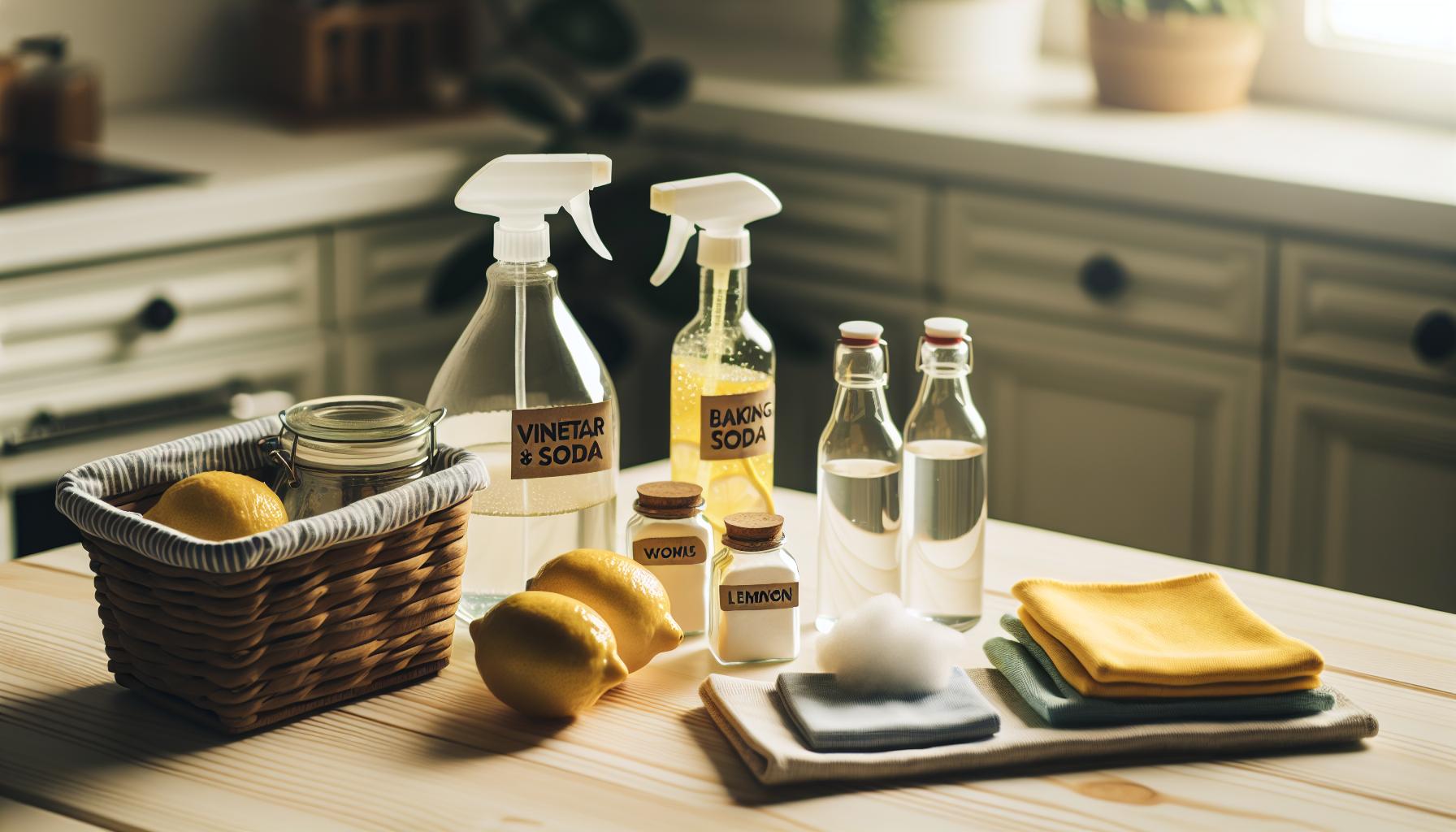
Troubleshooting Common Issues with Court Cleaning Machines
A clean court is essential for safe and enjoyable pickleball play, yet even the best cleaning machines can develop hiccups that slow down maintenance routines. understanding common troubleshooting scenarios can save valuable time and keep courts in peak condition without expensive repairs or frustrating delays. Whether you’re working with a battery-powered scrubber or a manual push sweeper, familiarity with typical issues helps you respond swiftly and confidently.
One frequent challenge involves power and battery problems-particularly for electric or battery-operated machines. if the scrubber won’t start or shows inconsistent power, check the battery charge level first. Lithium-ion batteries, while efficient, require proper charging cycles to maintain longevity. Avoid leaving batteries completely drained for too long, and always use the charger recommended by the manufacturer. Also, inspect battery terminals for corrosion or dirt, which can block the connection. For peace of mind, keep a portable voltmeter on hand to verify battery health periodically.
Brushes and pads are the workhorses of court cleaning devices but can also cause trouble if worn unevenly or clogged with debris. A common issue is reduced scrubbing efficiency, which results in lingering dirt or streaks.Regularly inspect brushes for frayed bristles or flattened edges and replace them as needed to maintain optimal performance. Some machines have easy snap-on brush replacements-look for models that simplify this maintenance step to save effort. Additionally, clear hair, leaves, or sticky residues from brushes after each use to prevent buildup that strains the motor.
Another sticky spot is water flow and pressure problems in machines with integrated spray or rinse functions. If water isn’t dispensing properly, it might be due to clogged nozzles or kinks in hoses. Using filtered water can reduce mineral buildup and avoid sudden blockages.When storing the unit during off-seasons, drain all water lines to prevent freeze damage-critical for outdoor courts in colder climates. Routine flushing of hoses with a mild vinegar solution helps dissolve stubborn deposits.
Routine upkeep can catch many issues before they develop into costly repairs. Here are some practical tips:
- Keep the machine clean: Wipe down surfaces after use to prevent court dust from entering motors.
- Follow manufacturer maintenance schedules: Lubricate moving parts and check belts or wheels regularly.
- Store equipment properly: Avoid damp or extremely hot locations that may damage electrical components.
| Common Issue | Likely Cause | Quick Fix | Proactive Prevention |
|---|---|---|---|
| Machine won’t start | Dead or improperly connected battery | Charge battery fully, clean terminals | Regular charging cycles, terminal cleaning |
| Reduced cleaning efficiency | Worn brushes/pads or clogged debris | Replace brushes, clear debris after use | Routine brush inspection and cleaning |
| Water spray malfunction | Clogged nozzles or kinked hose | Clear nozzles, straighten hose | Use filtered water, flush hoses seasonally |
By staying on top of these issues, even coaches and facility managers new to equipment maintenance can confidently troubleshoot and resolve common concerns. This knowlege keeps your investment protected and your pickleball courts consistently game-ready with minimal downtime. Remember, the best courts reflect not just skillful play but also smart, hands-on care behind the scenes.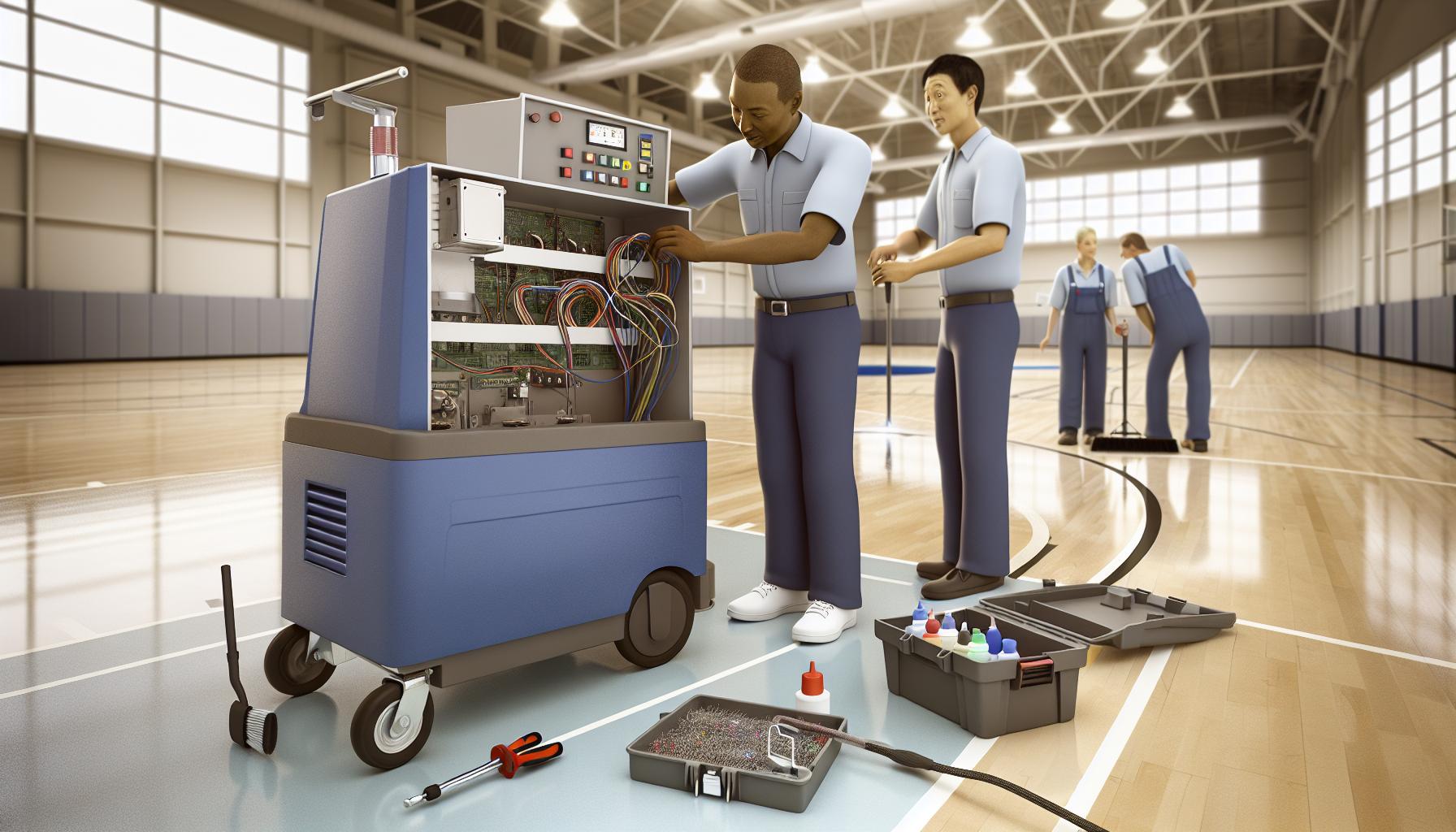
Choosing the Right Cleaning Machine for Your Facility Size
Choosing cleaning equipment wisely can transform your court maintenance routine from a chore into a smooth, efficient process-especially when the size of your pickleball facility comes into play. Whether managing a single neighborhood court or multiple courts in a bustling sports complex, matching the machine’s capacity and features to your facility’s scale ensures you’re neither underpowered nor overspending.
For small to medium-sized facilities-think one to three courts-a compact, easy-to-maneuver machine often hits the sweet spot. These units typically weigh less, offer user-friendly controls, and don’t require a specialized operator. Their smaller tanks and brush heads are sufficient for routine cleaning without excess water or energy consumption. Plus, these models usually come with affordable price tags and lower maintenance costs, ideal for budget-conscious community centers or schools just getting into pickleball facility management.
Larger venues,hosting five or more courts or offering multi-sport surfaces,benefit more from robust,automated machines with bigger cleaning widths and longer battery life or corded power options.These machines reduce operator fatigue by covering wide areas quickly and consistently, maintaining court surfaces in peak condition despite heavy use. Higher upfront costs are justified by saved labor hours and enhanced cleaning performance. Models with adjustable brush pressures and integrated water spray systems allow tailored cleaning for varied court surfaces.
Key Factors to Consider
- Daily Cleaning Area: Assess how many courts require frequent maintenance. Larger machines drive faster progress across broad spaces.
- Operator Skill Level: Automated scrubbers with intuitive controls suit staff new to equipment operation, while manual push machines remain practical for smaller venues.
- Storage and Transport: Compact units are easier to store in limited spaces and can be moved by a single person.
- Budget Constraints: Startups or recreational parks might prioritize cost-efficiency over premium features; larger facilities can invest more for advanced durability.
- Court Surface Material: Certain units work better on acrylic or concrete; check compatibility to avoid damage and maximize cleaning effectiveness.
| Facility Size | Recommended Machine Type | Estimated Court Count | Key Benefits | Typical cost Range |
|---|---|---|---|---|
| Small | Manual or compact battery-operated scrubbers | 1-3 | Low cost, easy handling, suitable for light use | $500-$2,000 |
| Medium | Mid-size automated scrubbers | 3-5 | Balanced speed and efficiency, moderate price | $2,000-$7,000 |
| Large | Heavy-duty automated or ride-on scrubbers | 5+ | Fast coverage, reduced labor, professional-grade cleaning | $7,000-$20,000+ |
Remember, efficiency gains can also come from integrating your cleaning machine choice with scheduling and routine maintenance practices-avoiding downtime and prolonging machine lifespan. Sound planning paired with the right technology empowers coaches, facility managers, and community organizers to keep courts pristine, player-ready, and safe for regular play. From grassroots clubs to competitive leagues, the ideal cleaning machine size adapts to your unique demands and keeps your pickleball game on point.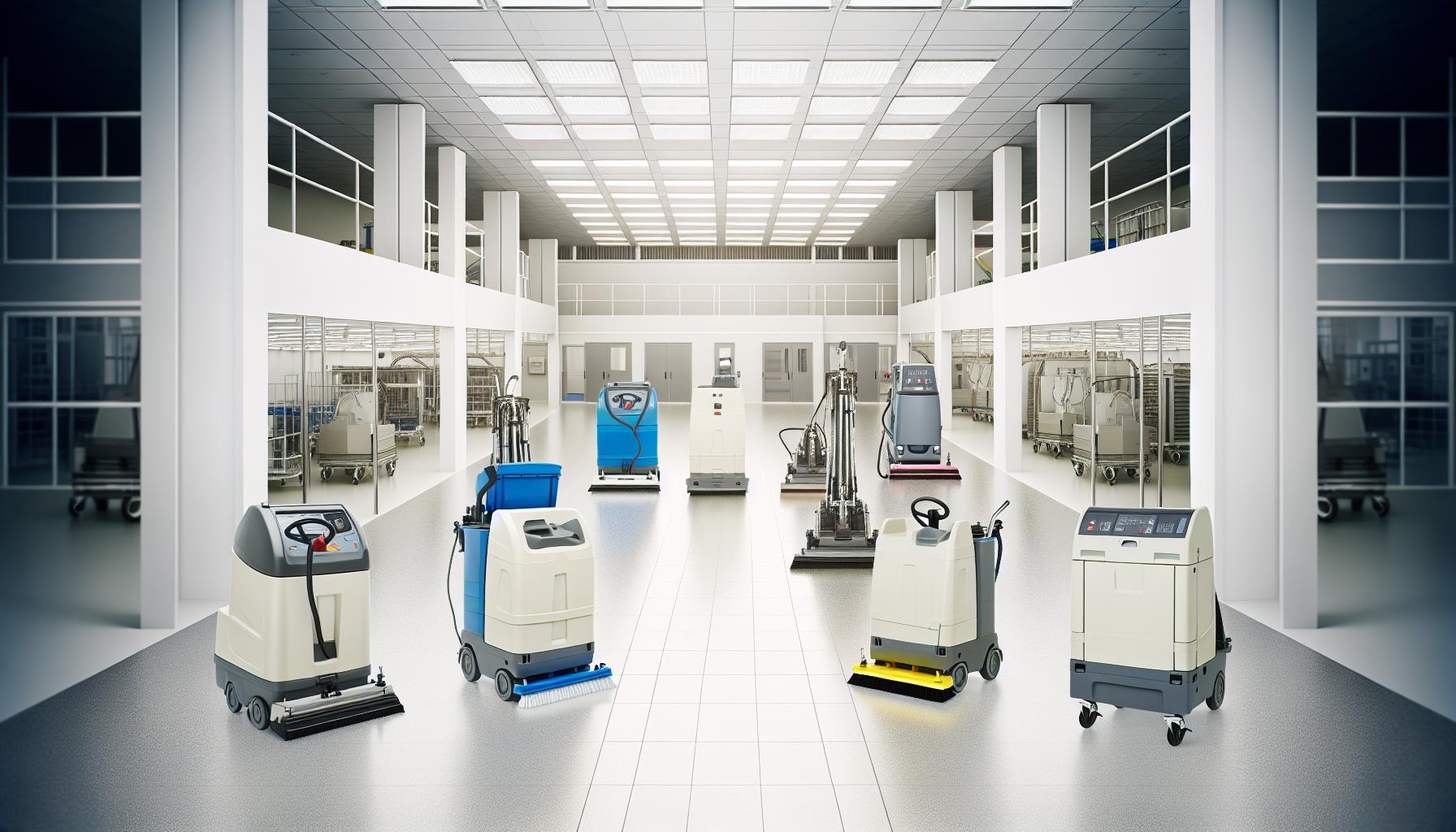
Real Player Experiences: Impact on Game quality and Safety
Keeping pickleball courts impeccably clean isn’t just about aesthetics-it profoundly impacts the quality of play and player safety. Many players notice immediate differences in ball bounce consistency and court traction on freshly cleaned surfaces versus dirty ones. Courts with accumulated dust,debris,or mildew can cause unpredictable ball behavior and increase slip hazards,affecting both casual rallies and competitive matches. Seasoned players often emphasize how a well-maintained court boosts confidence in their footwork and shot execution, directly enhancing overall game performance.
From firsthand experience, several community coaches have reported fewer ankle twists and slides after investing in regular cleaning with appropriate machines. The key is that cleaning machines designed specifically for pickleball courts restore surface grip without over-wetting or damaging the court material. Players new to venues often describe early reservations about footing when courts appear worn or dirty-once cleaned, their comfort and focus escalate noticeably. This translates into better rallies and reduced risk of injuries,which is a priority whether you’re a weekend warrior or league competitor.
Real impact on Game Quality
- Consistent Ball Bounce: Dust and grit can alter ball rebound patterns. Clean courts maintain predictable ball behavior, crucial for skilled shot placement.
- Improved Traction: Court surfaces free of mildew and grime reduce slips, helping maintain agility and swift directional changes.
- Psychological Edge: players feel more confident on well-kept courts, reducing hesitation during quick plays or defensive saves.
Safety Benefits seen by Players
- Regular use of cleaning machines minimizes surface hazards that lead to falls.
- Quick removal of debris like leaves and sand prevents sudden slips mid-point.
- Maintained surface integrity avoids premature court wear that might create uneven patches or cracks.
| Aspect | Before cleaning | After Cleaning |
|---|---|---|
| Ball Bounce Consistency | Uneven, sometimes unpredictable | Sharp, uniform, player-friendly |
| Surface Traction | Slippery, prone to slips | Firm grip, safe footing |
| player Confidence | Wary movements, cautious play | Bold movements, aggressive strategy |
| Surface Longevity | Faster wear and tear | Prolonged court life, fewer repairs |
For facilities balancing budgets, player feedback often points toward medium-priced automated scrubbers delivering an excellent balance of deep cleaning and cost control. While premium ride-on machines offer superior throughput for large venues, recreational players on smaller courts frequently praise compact scrubbers for producing court surfaces that feel tournament-ready. importantly, the machine’s ability to clean without damaging specialized surfaces is a key consideration shared by many players concerned about preserving court texture and appearance.
embracing the right cleaning technology translates to happier,safer players and more enjoyable pickleball sessions. By listening to real player experiences, facility managers can tailor maintenance strategies that pay dividends in play quality and court safety – crucial aspects to keep any pickleball community thriving.
FAQ
Q: How frequently enough should I use a pickleball court cleaning machine to maintain a perfect playing surface?
A: For optimal results, use a pickleball court cleaning machine weekly during peak playing seasons and at least monthly in off-seasons. Regular cleaning prevents debris buildup and surface wear, helping maintain both safety and play quality. refer to maintenance routines for seasonal adjustments to protect your investment [1].
Q: Can pickleball court cleaning machines remove tough stains and organic debris effectively?
A: Yes,most professional-grade pickleball court cleaning machines use brushes and water pressure designed to remove tough stains,algae,and organic debris without damaging the court. For stubborn dirt, use machine settings geared for deep cleaning combined with court-safe cleaning agents for best results [2].
Q: Are battery-powered pickleball court cleaning machines as effective as corded or gas-powered models?
A: Battery-powered cleaning machines offer excellent maneuverability and quiet operation, ideal for indoor or small courts. While gas-powered models provide longer run times and more power, battery units are frequently enough sufficient for routine cleaning and easy upkeep, especially for facilities prioritizing eco-friendly options [3].
Q: What safety precautions should I take when operating a pickleball court cleaning machine?
A: Always wear protective gear such as gloves and non-slip shoes, and check the machine for damage before use. Avoid wetting electrical parts, use the machine on dry or damp surfaces only, and follow manufacturer guidelines to prevent slip hazards and mechanical issues. Learn safe operation steps in detail in our guide section.
Q: How can I optimize machine performance for different pickleball court surfaces like acrylic or concrete?
A: Adjust brush pressure and cleaning frequency depending on surface type. Acrylic courts require gentle, non-abrasive brushes to prevent surface damage, while concrete courts allow for more aggressive cleaning. Use appropriate water volume and cleaning agents to preserve surface integrity and playing characteristics [1].
Q: What budget-friendly pickleball court cleaning machines provide reliable performance for small facilities?
A: Look for compact, battery-operated scrubbers or manual water brooms that balance cost with effectiveness.Models under mid-range prices can handle light to moderate cleaning and are great for small courts or community centers. compare features on performance and ease of use to find tools matching your budget [3].
Q: How do regular pickleball court cleaning machine maintenance routines extend the equipment’s lifespan?
A: Performing routine tasks like cleaning brushes,checking batteries,inspecting water lines,and lubricating moving parts reduces wear and prevents breakdowns. Scheduling periodic deep maintenance avoids costly repairs and keeps your machine running efficiently season after season.See our article’s maintenance tips for detailed guidance.
Q: What eco-friendly options exist for pickleball court cleaning machines without sacrificing performance?
A: Choose battery-powered or electric cleaning machines that reduce emissions compared to gas models. Use biodegradable, non-toxic cleaning solutions and minimal water for sustainable court care. Many machines now combine eco-conscious design with professional-grade performance for effective, green maintenance [2].
For more in-depth techniques on cleaning different surfaces and troubleshooting, check out our sections on best practices and equipment troubleshooting to keep your pickleball court pristine and game-ready.
To Wrap It Up
Keeping your pickleball court in top shape is easier than ever with the right cleaning machine designed for all skill levels and budgets. Whether you’re aiming for a smooth, safe playing surface or looking to extend your court’s lifespan, choosing equipment with proven performance features ensures consistent results and hassle-free maintenance. Don’t wait until dirt and debris affect gameplay-start improving your court care routine today.
Ready to dive deeper? explore our guides on DIY pickleball court cleaning and the benefits of commercial floor scrubbers for complete maintenance tips. Consider signing up for our newsletter to receive expert advice, gear comparisons, and seasonal cleaning checklists directly to your inbox. If you have questions or want personalized recommendations, our consultation service is here to help you select the perfect court cleaning solution tailored to your needs.
Join a community of passionate players who trust us for honest, evidence-based gear reviews and maintenance strategies. Share your experiences or ask questions below-we’re excited to help you maintain a flawless pickleball court that supports your game for years to come.