Picking the right ball machine for a pickleball club can transform practice sessions and boost player development across all skill levels. These commercial-grade machines offer customizable speed, spin, and feed settings designed to replicate real-game shots, making solo training effective and engaging. Whether your club caters to beginners looking to build confidence or advanced players aiming to sharpen their tactics, choosing a reliable, durable ball launcher is key to maximizing court time and improving consistency.
Many clubs struggle with finding the balance between performance features and budget constraints. While premium models like the Erne offer extensive programming and high capacity, budget-pleasant options also deliver solid training value without breaking the bank. Understanding the trade-offs and matching machine capabilities to your club’s specific needs will save money and enhance player satisfaction. In this guide,we’ll break down the top commercial pickleball ball machines,focusing on portability,shot variety,ease of use,and cost-effectiveness. This honest, experience-driven review will help your club make an informed decision-turning practice drills into rewarding skill-building opportunities for every member.
best Features to Look For in Commercial Pickleball Machines
When investing in a commercial pickleball machine, it’s crucial to zero in on features that not only boost training quality but also stand up to frequent, heavy use. A standout machine for clubs or facilities blends durable construction with advanced ball delivery options, ensuring players of all levels get the most from every practice session. Look beyond just capacity-consider machines designed for precise ball control, variable shot patterns, and extended playtime, as these elements transform routine drills into dynamic skill-building experiences.
Key Attributes to Prioritize
- ball Capacity and Continuous Play: Commercial environments demand machines that hold large numbers of balls-often 150 or more-to minimize downtime. Choose models with efficient feeding mechanisms that guarantee consistent delivery and smooth operation for uninterrupted practice.
- Programmable Shot Variability: The ability to customize shot speed, spin, trajectory, and placement is invaluable. Look for machines offering diverse drill patterns that simulate real game scenarios, such as dinks, lobs, and drives. Adjustable settings allow tailoring sessions to address specific player weaknesses or strategic focuses.
- Power Source Reliability: Machines powered by AC adapters typically deliver greater consistency for extended use, ideal for club settings. While some portable battery-operated units offer convenience, prioritize plug-in models for demanding training schedules to avoid mid-session power loss.
- Robust Build and Weather Resistance: Commercial-grade machines must endure frequent transport and exposure to various environments. Look for units constructed with durable materials and protective casings resistant to dust and moisture, ensuring longevity and reduced maintenance.
- User-Friendly Controls: Intuitive interfaces with remote controls or smartphone apps enhance usability for coaches and players alike. Features like preset drills and quick adjustments enable smooth transitions between training exercises, saving time and maintaining engagement.
Balancing Budget and Performance
While premium machines like the Pickle Phenom® by lobster offer commercial-level robustness with advanced programming and consistent power supply, clubs on tighter budgets can still find reliable options by prioritizing essential features such as shot variability and ball capacity. Remember, investing in a machine with superior durability and adaptable drills reduces long-term expenses by lowering replacement and repair costs, alongside improving player development outcomes.
Ultimately, the right commercial pickleball machine enhances practice efficiency and diversifies training by replicating real-match conditions with programmable complexity. This fosters skill progression from beginners honing fundamentals to competitive players refining tactical shot placement,making it a cornerstone for any serious pickleball facility.
Top Commercial Pickleball Ball Machines Compared
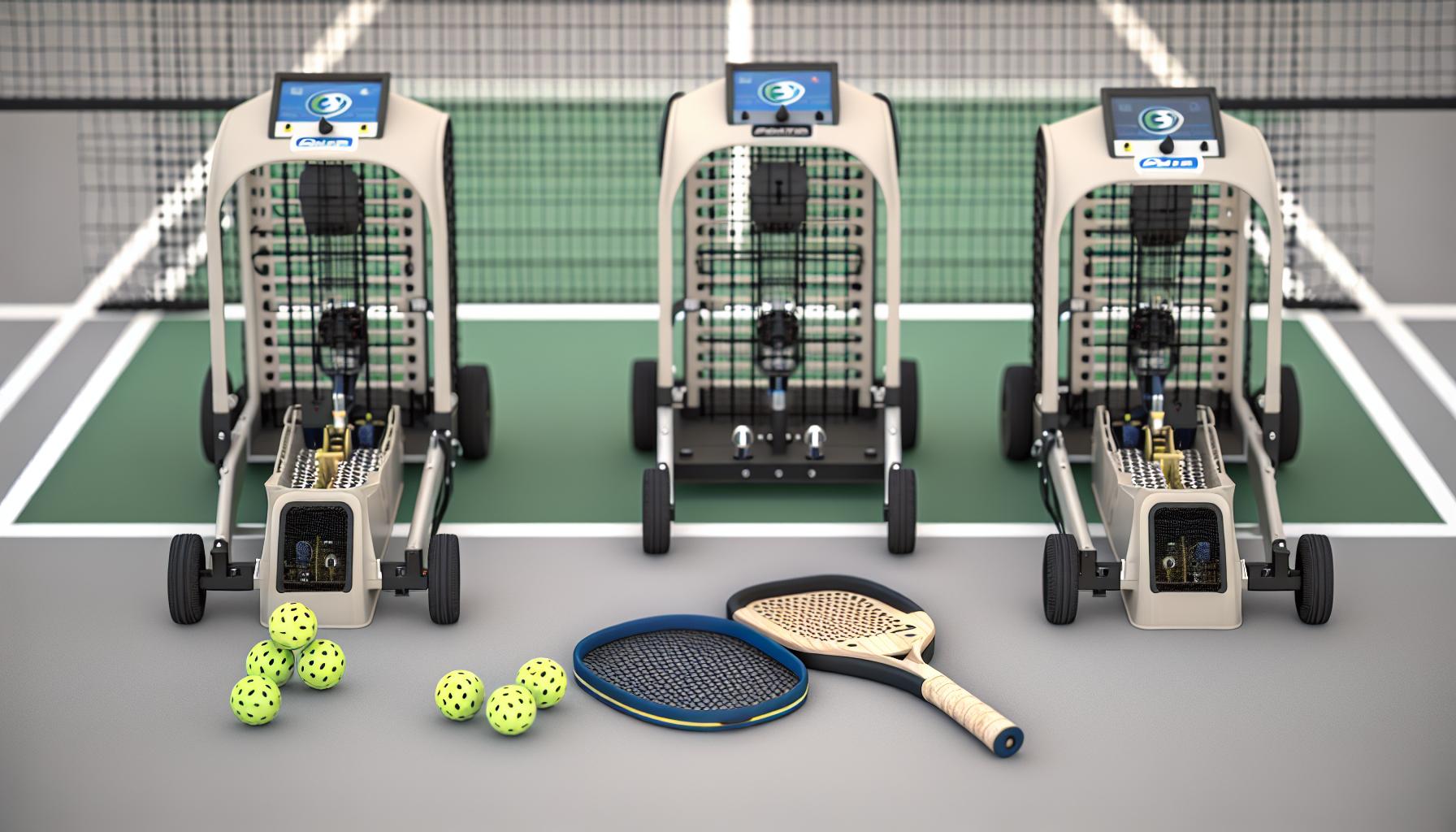
Commercial pickleball machines have evolved significantly, offering versatility to meet the diverse needs of clubs, training academies, and serious home courts. When comparing top models, it’s clear that no single machine fits all scenarios. The key is balancing performance features, durability, and budget considerations to match your facility’s specific demands. For example, machines like the Lobster Sports Pickle Phenom® stand out by providing commercial-grade durability alongside advanced programmable drills, ideal for high-usage club environments where consistent power and precision matter most[[[1]](https://oncourtoffcourt.com/pickle-phenom-by-lobster/).
Many commercial-grade ball machines prioritize programmable shot variability with settings that allow coaches to simulate authentic match conditions.The Pickle Phenom®, in particular, supports multiple shot types-dinks, drives, and lobs-with customizable speed, spin, and placement.This versatility helps players from beginners to advanced competitors enhance tactical skills in real-time training sessions[[[2]](https://theprimepinnacle.com/products/lobster-sports-phenom®-commercial-pickleball-machine). Simultaneously occurring, its AC power design ensures extended playtime without interruptions, a critical factor for club R&D and continuous practice drills, contrasting with many battery-operated alternatives which may falter under heavy use.
Budget-conscious clubs should also consider machines that balance essential features without the premium price tag. lower-cost commercial machines might sacrifice advanced programmability or continuous AC power but still offer reliable ball capacity and shot delivery accuracy. A good tip is to weigh how much customization your players need versus the frequency and intensity of machine use. For smaller clubs or community centers, a model with solid durability and user-friendly controls might provide the best return on investment-even if it lacks all the bells and whistles of a top-tier unit.
| Feature | Pickle Phenom® by Lobster | Mid-Range Commercial Model | Entry-Level Commercial Machine |
|---|---|---|---|
| Ball capacity | 150+ balls | 100-120 balls | 80-100 balls |
| Shot variety | Advanced programmable drills (spin, speed, placement) | Basic programmable drills (speed, some pattern variation) | Limited shot customization |
| Power Source | AC plug-in for uninterrupted use | Hybrid (AC & battery, limited runtime) | Mostly battery-operated |
| Durability | Commercial-grade weather-resistant build | Robust, moderate weather resistance | Basic build, indoor-focused |
| User Controls | Remote and smartphone app compatible | Remote control | Basic manual controls |
Keep in mind, the environment where your machine will be used plays a big role. For outdoor courts or multisite clubs, durability and weather resistance trump features that only matter indoors. Simultaneously occurring, clubs focused on competitive player development should prioritize models that challenge athletes with advanced drills and reliable ball feeding systems. Regardless of choice, investing in a commercial pickleball machine is about expanding coaching options and maximizing player engagement through consistent, reproducible practice.
Ultimately, spending time to compare machines side-by-side-and referencing real user feedback-helps pinpoint the perfect fit for your club’s unique training mission and budget constraints. Whether you lean toward the commercial powerhouse Pickle Phenom® or a budget-friendly model, the right ball machine becomes a trusted practice partner that elevates every player’s game.
How to Choose the Right Machine for Your Club’s Budget
Choosing a commercial pickleball machine within your club’s budget is a strategic balance between performance needs and financial realities. The truth is,investing in a ball machine is about enhancing player development and maximizing court time-not simply acquiring the flashiest gadget.For clubs with limited funds,focusing on core features that directly impact training quality often delivers better long-term value than chasing every high-end function.Start by evaluating how your players and coaches will use the machine most frequently. Is the goal to run continuous drills for large groups, or provide targeted training for competitive athletes? Machines like the Lobster Sports Pickle Phenom® exemplify premium commercial options, offering superior durability, advanced programmable drills, and uninterrupted AC power-features ideal for high-volume club environments[[[1]](https://oncourtoffcourt.com/pickle-phenom-by-lobster/). Though, clubs with moderate practice schedules or tighter budgets may find mid-range models meet most needs by delivering reliable ball feeds and basic programmable patterns without the premium price tag.
Key Considerations That Affect Cost and Value
- Shot Variety & Programmability: Advanced drills replicate game scenarios by adjusting speed,spin,and placement. Beginner machines might only offer fixed serves or simple shot variations, suitable for recreational play but less effective for skill development.
- Power Source: AC-powered machines support longer sessions without downtime, crucial for busy clubs. Battery-operated or hybrid machines typically have limited runtime, which can interrupt practice flow and increase maintenance costs.
- Durability & Weather Resistance: Outdoor courts demand machines that withstand varying conditions.Investing in a weather-resistant model protects your equipment and avoids premature replacements.
- User Interface: Seamless controls, including remote or app compatibility, simplify coaching and player adjustments. Basic manual settings save upfront costs but may limit training versatility.
| Feature | Premium model (e.g.,Pickle Phenom®) | Mid-Range Model | Budget-Friendly Entry Model |
|---|---|---|---|
| Ball Capacity | 150+ balls | 100-120 balls | 80-100 balls |
| Shot Programmability | High (spin,speed,placement) | Moderate (speed,patterns) | Low (limited options) |
| Power Source | Continuous AC-powered | Hybrid (AC & battery) | mostly battery |
| Durability | Commercial-grade,weatherproof | Solid,moderate weather resistance | Basic,indoor use recommended |
| User Controls | Remote & smartphone app | Remote | Manual only |
Finding the Right Fit Without Overspending
If your club mainly hosts casual players or beginner clinics,a machine with straightforward controls and solid reliability might be the smartest investment. These machines allow coaches to focus on teaching fundamentals without the distraction of complex settings. conversely, clubs with dedicated training programs and competitive players should prioritize machines that provide advanced functionality even if it requires a larger upfront budget. The increment in drill variety, extended use without recharging, and durability frequently enough pays for itself by reducing downtime and repair expenses.
Consider also the total cost of ownership, which includes maintenance, available customer support, and parts lifespan. Sometimes paying a bit more upfront for a well-supported brand ensures fewer headaches down the road. Many clubs find it useful to pilot or demo a machine whenever possible to assess how it feels in real-world practice before committing.
Ultimately, the best purchase aligns with your club’s training priorities and player skill levels while respecting financial limits. Thoughtful decision-making here turns your ball machine from a costly piece of equipment into a trusted tool that elevates player confidence and performance every session.
—
By thoroughly assessing usage patterns, durability requirements, and the balance between programmability and budget, you’ll select a commercial pickleball machine that supports your club’s growth sustainably and effectively[[[1]](https://oncourtoffcourt.com/pickle-phenom-by-lobster/).
Setting Up and Maintaining Pickleball Ball Machines
Setting up a pickleball ball machine correctly ensures smooth sessions and prolongs its lifespan, a critical factor for any club aiming to maximize return on investment. Even the best machines can fail prematurely without proper care and setup. Whether you’re dealing with a premium commercial model or a mid-range option, laying the groundwork with thoughtful preparation makes practice efficient and trouble-free.
Start by positioning the machine on a stable, flat surface near the playing area but safely away from high-traffic zones. This minimizes trip hazards and protects the machine from accidental contact. Many commercial machines, like the Erne Pickleball Machine, come with adjustable legs or mount points to help stabilize it on uneven courts[[[3]](https://ernepickleballmachine.com/pages/user-manual). Align the ball outlet carefully toward your target training zone, testing angles with a few trial shots before programming drills. Portable models frequently enough include wheels; use these to move the machine easily between courts but lock them firmly during use to avoid shifting.
Battery Care and Power Management
Battery-operated models demand attentive charging habits. Always recharge after each session to maintain optimal battery health and avoid interruptions mid-practice. Some machines advise turning off power before removing jammed balls or cleaning to prevent injury and avoid electrical damage[[[1]](https://communitypickleballclub.org/wp-content/uploads/2024/08/ERNE_UserManual_2_10-compressed.pdf). For clubs with heavy continuous use, investing in AC-powered or hybrid machines can reduce downtime and maintenance complexity. Remember, running a machine on low battery strains components and can lead to inconsistent ball delivery.
Routine Maintenance and Cleaning Tips
Dust, dirt, and court debris can quickly degrade performance. Incorporate a weekly basic clean-down focusing on the ball feeder, outlet, and electronic controls. Use a dry cloth or compressed air to clear dust build-up. Avoid water contact unless the model specifically notes weather resistance. Clear jammed balls promptly by switching off power first to ensure safety. Regularly inspect moving parts and replace worn components as recommended by the manufacturer. Document maintenance activities to track when parts were last serviced-a best practice for clubs managing multiple machines.
| Maintenance Task | Recommended Frequency | key Notes |
|---|---|---|
| Clean ball outlet & feeder | After every 3-5 sessions or weekly | Use compressed air or dry cloth |
| Charge battery fully | After every use | Prevents battery degradation |
| Inspect for jammed balls | Before each practice session | Turn off power before removal |
| Check for loose parts or damage | Monthly | Replace or tighten as needed |
Establishing these routines reduces surprise breakdowns and keeps your ball machine functioning at peak performance-crucial when running back-to-back drills or group classes. Simple habits like powering down before cleaning or storing the machine indoors during bad weather preserve both electronic and mechanical parts longer.
With consistent setup and care, your pickleball machine becomes a reliable workout partner, supporting player improvement with less hassle over the long term. Whether you’re onboarding novice players or refining elite competition skills, well-maintained equipment ensures practice time is spent on skill development rather than troubleshooting.
advanced Performance Settings for Competitive training
Competitive training demands more than just consistent ball feeds-it requires precision control over speed, spin, placement, and rhythm. The best commercial pickleball ball machines empower coaches and players to customize these performance variables, simulating real-match scenarios that challenge reflexes and improve tactical decision-making. When advanced settings are adjusted thoughtfully, practice sessions become more dynamic, effective, and engaging.
Commercial units often offer programmable drills with varied shot types like topspin, slice, lobs, and drives to mimic diverse opponent styles.For example, alternating between fast cross-court shots and soft dinks helps develop quick adaptability, a must-have skill on the court. Moreover, machines with oscillation features allow the ball launcher to sweep across multiple target zones automatically, training lateral movement and court coverage under realistic pressure. Users can increase difficulty by shortening time intervals between shots or randomizing placement to enhance reaction speed.
Key Settings to Maximize Training Impact
- Speed Control: Adjust ball velocity to simulate opponents ranging from casual players to tournament-level pros. Faster feeds are great for reflex drills, while slower settings allow detailed focus on stroke mechanics.
- Spin Variation: Incorporate topspin or backspin to replicate common shot behaviors. This challenges players to read ball trajectory and improve net play or baseline control.
- Oscillation & Placement: Program repeating or random lateral and vertical targeting.This hones court anticipation and movement efficiency.
- interval Timing: Set short or extended pauses between shots. Faster intervals test endurance and recovery; longer ones enable technical drill refinements.
- Repitition Counts & Drill Loops: Loop specific shot sequences to engrain muscle memory for particular game situations like third-shot drops or cross-court rallies.
For clubs balancing budget with performance, machines such as the Lobster Elite or Pickleball Tutor offer robust customization without overwhelming complexity. These models provide an intuitive remote or app interface, helping players quickly tweak settings mid-session according to evolving training goals[[[2]](https://pickleballcentral.com/content/pickleball-tutor-drill-manual.pdf?srsltid=AfmBOoql0uNOkZhnwR7zaatETjHR45YPpwzx34aUVc0wf8_fI4xsZ5EC). Integrating smart technology like Bluetooth connectivity can also facilitate group drills by synchronizing multiple machines or programming diverse shot patterns simultaneously.
Real-World Applications for competitive Edge
Imagine a doubles team preparing for a tournament where their key challenge is defending against aggressive drops and fast drives. With advanced machine settings, a coach can simulate these scenarios repeatedly and under variable conditions-with the ball machine feeding drops low at the net, then quickly switching to deep, fast baseline balls. this replicates game intensity and sharpens team interaction and positioning. In another case, individual players can focus on improving specific strokes, such as backhand volleys, by isolating those shots with adjustable feed angles and spins to build confidence and precision.
By mastering these advanced performance features, clubs create an environment where players consistently push limits-turning routine practice into competitive preparation. While premium machines boast more granular control, even mid-range commercial models offer enough flexibility for effective skill development when paired with thoughtful coaching.
| Feature | Benefit for Competitive Training | Typical availability |
|---|---|---|
| Speed Adjustment | Simulates varied opponent styles and shot pace | Standard on premium and mid-range models |
| Spin Control (Top/Backspin) | Enhances ball reading and stroke adaptation | Available on advanced commercial machines |
| Oscillation & Random Placement | Trains court coverage and unpredictability | Common on mid-to-high-end units |
| Programmable Intervals & Repetitions | Builds endurance and muscle memory | Often software/app controlled in premium models |
| Remote/App Control | Quick adjustments during sessions | Increasingly standard, especially with Bluetooth |
Ultimately, leveraging these refined settings transforms your pickleball machine from a mere ball feeder into a high-impact training partner. This not only optimizes individual skill development but also elevates club-level coaching efficiency and player motivation. Players at all levels benefit from machines tuned to their unique progression pace and competitive demands-making advanced performance settings a smart investment for serious pickleball programs.
See drills that take advantage of these features in action [[[1]]and consult manufacturer manuals for best practices when adjusting machine parameters[[[2]].
Durability and Portability for Club Environments
Choosing a pickleball ball machine for a club environment means considering not just functionality but how well the machine endures frequent use and moves between courts. Durability and portability go hand-in-hand in creating a practical,long-lasting investment that supports multiple users and varied practice setups. A machine that can withstand the knocks and demands of a busy club while being easy to transport will save both time and frustration for coaches and players alike.
Commercial-grade machines typically feature rugged construction with high-quality plastics,reinforced frames,and weather-resistant finishes to handle outdoor conditions and heavy daily use.Look for designs with sturdy wheels and secure handles that simplify moving the unit between courts or storing it off the playing surface.Portability isn’t just about weight; an ideal club machine strikes a balance-light enough for one or two people to manage but stable enough to avoid tipping during operation.
What to Expect From Durable and Portable Models
- Robust Housing: Machines with impact-resistant casing and sealed electronics are better at avoiding damage from bumps, dust, and moisture common in club settings.
- Wheeled Bases or Trolleys: Integrated wheels, especially large rubberized ones, make maneuvering on various surfaces-from concrete to grass-effortless and prevent wear from dragging or lifting.
- compact Design: Units engineered for tight storage spaces simplify club logistics, allowing easy placement in crowded sheds or multi-use courts.
- Weight Considerations: While heavier machines frequently enough boast stability, models around 25 to 35 pounds hit a sweet spot for portability without sacrificing durability.
for example, the PP-Smart Pickleball machine offers a smart blend of portability with a rechargeable battery and compact frame, making it ideal for clubs that value flexible deployment across different courts or indoors and outdoors[[[1]](https://www.pickleballpracticemachines.com/products/pp-smart-pickleball-machine-portable-automatic-ball-launcher-for-practice-training-adjustable-speed-spin-remote-control-rechargeable-battery-indoor-outdoor-use-holds-80-balls-red). Conversely, premium machines like the Lobster Elite focus heavily on robust build quality but tend to be bulkier, which is worth considering if frequent relocation by a single person is required.
| Feature | Benefit for Clubs | Typical Impact on Portability |
|---|---|---|
| Impact-resistant Housing | Long life despite rough handling | Minimal extra weight, high payoff |
| Integrated Wheels & Handles | Easy court-to-court moves without lifting | May add bulk but enhances mobility |
| Rechargeable Battery | Wireless, no cord hassle on courts | Adds convenience, slight weight increase |
| Compact Dimensions | Fits multiple storage and travel situations | Potential trade-off with ball capacity |
| Weight (25-35 lbs ideal) | Balance strength with manageable load | Suits small teams or solo transport |
Weighing durability against portability also means acknowledging the trade-offs. Machines built like tanks may be tough but too heavy to quickly reposition mid-session, limiting their practical use during multi-court coaching. Conversely, ultra-light models might lack the sturdiness for intense, everyday club demands. A good club machine often hits the “just right” zone – rugged enough to endure but still flexible for the dynamic nature of pickleball environments.
Having a machine that moves effortlessly encourages more frequent use, particularly in busy group lessons or during tournaments where space shifts are common. Coaches can maximize session flow by knowing their equipment won’t bog down transitions or require extra manpower. Durability paired with thoughtful portability turns a ball machine from static gear into an active training asset that adapts to your club’s evolving needs.
User-Friendly Controls for Players of All Levels
Pickleball ball machines that feature intuitive, user-friendly controls serve as valuable assets for clubs catering to a wide range of player abilities – from absolute beginners to seasoned competitors. The ease of operation can greatly influence how frequently enough and effectively the machine gets used. When controls are straightforward, players spend less time fumbling with settings and more time focused on honing their strokes and footwork, making practice sessions more productive and enjoyable.
Modern commercial machines frequently enough combine physical buttons with digital interfaces or companion smartphone apps, adding flexibility without sacrificing accessibility. Such as, some entry-level models emphasize simple, large-button controls for speed, frequency, and spin adjustments. This design benefits new players and casual club members who want quick setup without overwhelming options. On the other hand, premium units may offer advanced programming features, but still maintain logical layouts and clear labeling to avoid complexity that deters less tech-savvy users.
- Remote Controls and Apps: Wireless remotes or smartphone connectivity allow coaches to tweak drills on the fly without interrupting players. This is especially helpful in group lessons where real-time adjustments-like changing shot pace or placement-keep all participants engaged and challenged.
- Preset Programs vs. Manual Mode: Many machines include preset drills ideal for beginners, like consistent feeds to a single location, alongside manual modes where more advanced users can customize ball placement, spin, and speed. This dual approach ensures the equipment grows with your players’ abilities.
- Visual Displays and Feedback: Clear LCD screens or LED indicators provide real-time info on current settings, battery life, and shot count. For clubs juggling multiple machines and users, these visual cues simplify monitoring and reduce the chance of errors.
balancing Complexity and Simplicity
While advanced settings offer great benefits for competitive training, not every user will want – or need – a steep learning curve. A thoughtfully designed control interface balances depth with ease, allowing newer players to “plug and play” while offering deeper customization for coaches and high-level athletes. For example, some machines enable the saving of custom drill profiles, streamlining repetitive practice routines without reopening menus.
Real-World Example:
At a community pickleball club, a multi-purpose machine was configured to cycle through beginner-friendly volleys during group classes, using simple button presses to adjust pace between drills. During private sessions, the coach switched to app mode for advanced drills involving variable spin and random ball directions. This adaptability kept the same unit relevant across a broad membership base.
| Control Feature | Benefit for Players of All Levels | Best For |
|---|---|---|
| Large, Physical buttons | Easy to use-no tech skills needed | Beginners, casual players |
| Wireless Remotes | Quick adjustments without interrupting drills | coaches, group lessons |
| Smartphone Apps | advanced drill customization and data tracking | Competitive players, coaching pros |
| Preset Drill Programs | Convenient, repeatable practice sessions | All skill levels |
| Visual Display Panels | Clear feedback on settings and status | Multi-user environments |
ultimately, the controls’ design impacts how often-or how well-a ball machine integrates into daily club routines. prioritize machines whose interfaces feel natural to your club’s player demographics. Ease of use encourages more frequent practice, reduces frustration, and makes pickleball training accessible and fun for everyone from brand-new players to tournament-ready athletes.
Customizable Drills to Elevate Player Skills
Picking a ball machine with truly customizable drills can transform how players develop their skills, turning repetitive practice into targeted, effective training. Instead of simply hitting balls at fixed speeds or angles, advanced machines let coaches and players design drill patterns that simulate real-game scenarios-varying shot placement, speed, spin, and rhythm. This versatility ensures both beginners and advanced players stay challenged, accelerating skill progression and keeping practice engaging.
Many commercial machines now come paired with intuitive smartphone apps or built-in interfaces that allow users to create and save custom drills tailored to individual or group needs. Such as,a coach might design drills that focus on dinking accuracy by programming slow,short feeds alternating between left and right service boxes.Conversely, for competitive players, the machine can deliver faster-paced drills featuring topspin or slice shots with unpredictable ball trajectories to improve reaction time and shot selection. These features support incremental pushes in skill without overwhelming less experienced players.
benefits of Customizable Drills
- Player-Specific Training: Customize drills based on skill level, whether reinforcing fundamentals for new players or sharpening strategy and endurance for tournament-level athletes.
- Realistic Game Simulations: Vary shot depth, placement, and spin to mimic opponents’ styles, improving decision-making and adaptability on court.
- Efficient Practice Time: Automate sequences so players can focus on execution and footwork without frequent manual adjustments.
- Progress Tracking: Advanced apps may allow saving drill profiles and logging performance, helping track improvement over time.
A real-world example comes from a community club where the Spinfire Pickleball Ball Machine’s AI-powered drill creator was used to build drills that gradually increased stroke difficulty while mixing in random shot directions. Beginners mastered consistency first, then seamlessly moved to unpredictable feeds that mimic competitive play, all within the same machine framework[[[1]](https://www.spinfiresport.com/product/spinfire-pickleball-ball-machine/). Simultaneously occurring, Titan’s ball machine platform offers 12 pre-programmed drills with the option to customize or combine them into “MegaDrill” sessions tailored to player goals[[[2]](https://titanballmachines.com/blogs/titan-drills/titan-pickleball-drills).
| Customization feature | Benefit | Best for |
|---|---|---|
| AI Drill Creator (e.g., Spinfire) | Generates optimized drills automatically based on player progress | Clubs with mixed skill levels, coaches wanting efficiency |
| Drill Programming via App (e.g., Titan Drills app) | Full manual control over ball type, location, speed, and spin | Coaches and competitive players |
| Preset Drill Library | Quick start with proven practice routines | Beginners and casual users |
| Random Mode | Mimics in-game unpredictability to build reflexes | Advanced players focused on match simulation |
Ultimately, investing in machines that offer robust drill customization pays dividends in player engagement and skill development. Clubs gain not only a versatile training tool that evolves with their membership’s needs but also a dynamic coaching aid that brings structured learning to every session.For budget-sensitive programs, even machines with basic but flexible drill settings can dramatically improve practice quality compared to fixed-pattern machines. Prioritize equipment that empowers your coaching staff and players to innovate their routines without frustration or complexity.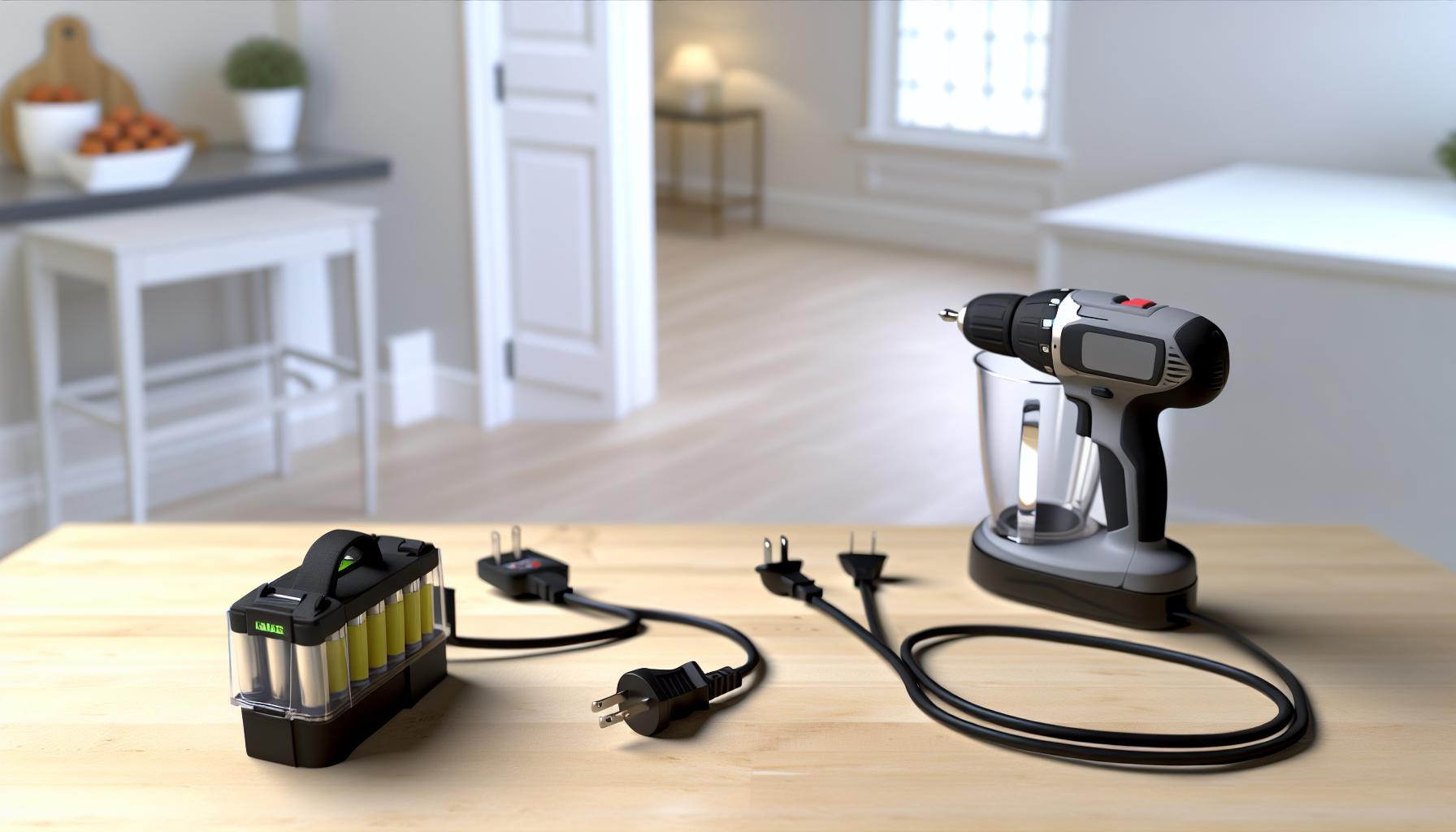
Power Source Options: Battery vs. Plug-In Machines
One of the first practical decisions when choosing a pickleball ball machine for your club is understanding the power source options, as this directly affects where and how you can use the machine, plus ongoing convenience and operational costs. Battery-powered machines provide excellent portability and flexibility,especially for clubs with outdoor courts lacking easy access to electrical outlets. On the other hand, plug-in machines tend to offer more continuous usage without concerns about runtime limitations but require proximity to power sources or additional setup.
Battery-operated ball machines are ideal for clubs that value mobility and need to move the machine across several courts without hassle. Modern lithium-ion batteries in high-end models often provide 2 to 4 hours of continuous play,which covers most practice sessions. This freedom means you’re not tethered to an outlet, ideal for outdoor courts or temporary setups. However,it’s wise to consider the battery’s recharge time and how many spare batteries you might need during heavy training days. Budget-friendly machines may rely on sealed lead-acid batteries or smaller-capacity packs, which add weight and reduce runtime, so checking battery specifications is crucial.
Conversely, machines powered by standard AC adapters or direct plug-in offer the reassurance of indefinite usage during practice-no downtime waiting for a charge.For facilities with reliable access to power on or near the court, this ensures uninterrupted training and reduces concerns about battery health or replacement costs. Some models even offer external AC power supply accessories allowing battery machines to run plugged in,effectively blending the benefits of both systems[[[3]](https://pickleballcentral.com/pickleball-tutor-external-ac-power-supply/?srsltid=AfmBOoo3aFe6T-eYDWPS7wRh_CXoRLRuooWZvw_K4DqktA-gj3Q0C6Y). That said, managing cords outdoors and ensuring power availability can introduce logistical considerations.
| Aspect | Battery-Powered Machines | Plug-In Machines |
|---|---|---|
| Portability | High; cordless use anywhere | Limited by outlet location, cords needed |
| runtime | Typically 2-4 hours per charge | Unlimited with power connection |
| Setup Complexity | Simple; no cords | Requires power source and cable management |
| Cost | Frequently enough higher upfront cost for good battery tech | Usually lower initial cost, but AC accessories may add |
| Maintenance | Battery health critical; eventual replacements | Minimal power maintenance, but risk of cord damage |
From a coaching perspective, knowing the power source capabilities helps schedule sessions efficiently. Such as, a club using a battery-powered machine might plan shorter, focused drills or rotate between machines charging on a cart. Meanwhile, plug-in units suit programs running back-to-back classes without interruption. Additionally, some players and coaches appreciate the freedom to set up machines quickly without wrestling with extension cords or worrying about outlet compatibility, which is often a concern outdoors.
In practical terms, a used Sports Tutor Spin Pickleball machine owner shared on community forums that despite having an AC adapter, their outdoor court lacked a power supply, prompting creative solutions like portable power stations or battery backups to enable machine use in flexible settings[[[1]](https://www.facebook.com/groups/1500384803612289/posts/3554725511511531/). This example highlights how understanding power requirements upfront helps clubs avoid surprises and better plan investment in complementary gear.
Ultimately, the decision between battery and plug-in power hinges on your facility’s infrastructure, budget, and how the machine integrates into your coaching flow.Selecting the right balance ensures players get consistent practice time and coaches can deliver efficient sessions without technical distractions.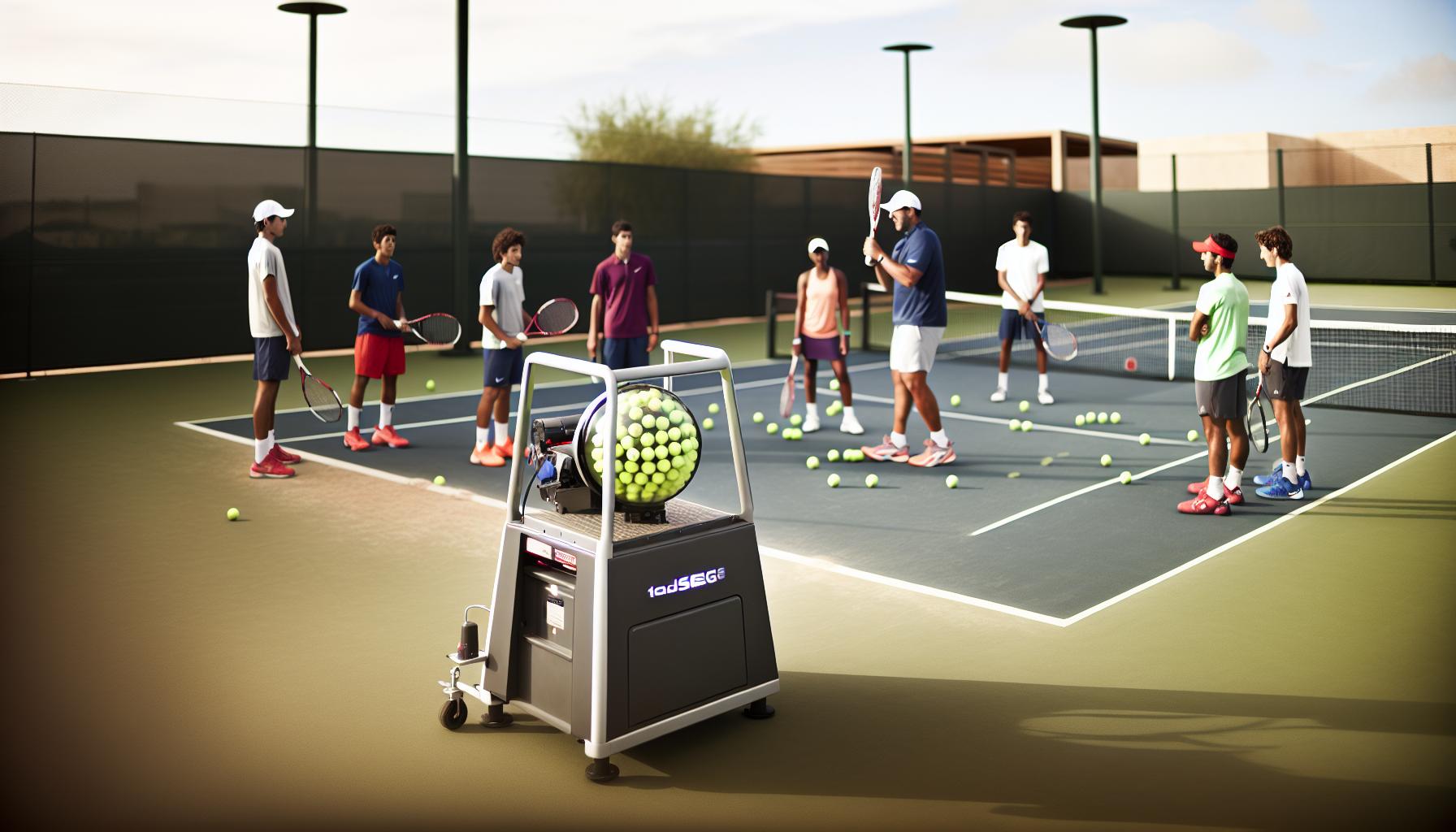
integrating Ball Machines into Group Coaching Sessions
Pickleball ball machines can be a game-changer when incorporated thoughtfully into group coaching sessions, delivering consistent practice opportunities to players of varied skill levels. Their ability to feed repetitive shots helps coaches focus on technique refinement without constant ball retrieval, saving valuable session time. However, making the most of these machines in a group setting requires purposeful planning around player rotation, drill variety, and machine capabilities to keep everyone engaged and progressing.
- Structured Player Rotation: In group coaching scenarios, organizing players into small pods rotating through stations ensures everyone gets quality reps off the machine without overcrowding. Such as,one group can work on receiving consistent dinks or volleys from the machine while others practice rallying with a partner. Setting time limits for each station-3 to 5 minutes per drill-is key to maintaining energy and focus.
- Leveraging Customizable Drills: Modern commercial pickleball machines offer adjustable speed, spin, and placement settings, which is a huge advantage for groups spanning beginner to advanced players. Coaches can preset drills targeting fundamentals like deep baseline shots, fast serves, or angled approach shots. This customization allows simultaneous skill-level appropriate drills within the session, making coaching more efficient and players more motivated.
- Using Multiple Machines for Variety: For clubs on a tighter budget, even a single machine can serve a group’s needs if used creatively. But where possible, deploying two or more machines can facilitate multi-angle shot practice, simulating match-like scenarios that better prepare players for real play. Machines positioned at different spots can alternately feed drives, lobs, and drops, challenging players to adapt quickly during drills.
Practical Considerations for Coaches
Clear communication around safety and expected machine operation is a must. When multiple players are near a ball machine, establishing boundaries prevents accidental collisions or equipment damage. Coaches should also supervise machine settings closely to avoid overwhelming less experienced players with overly fast or heavy spin shots. Using remote controls or programmable apps that many machines support helps coaches adjust settings on the fly, making drills smoother and more responsive to player feedback.Integrating ball machines into group sessions not only enhances repetition quality but also frees coaches to observe individual player mechanics closely. This can lead to better-targeted feedback and personalized progression within a group context, raising overall coaching effectiveness. With thoughtful structuring, ball machines become an integral tool that elevates group learning without sacrificing engagement or energy.
By blending technology with conventional coaching methods, clubs can maximize training efficiency, accommodate diverse skill levels, and keep group practices dynamic and fun-ultimately fostering stronger, more confident players ready for competitive play.
Troubleshooting Common Ball machine Issues
Sometimes even the most reliable pickleball ball machines encounter hiccups during practice sessions. Understanding common issues and their quick fixes can keep your training smooth and avoid frustrating downtime.Whether your club is working with a budget-friendly model or investing in a top-tier commercial machine, troubleshooting effectively saves time and extends the machine’s lifespan.
A frequent problem is inconsistent ball feeding, where balls may jam or fail to launch properly. This frequently enough stems from misaligned components inside the machine-specifically,parts like the rubber tongue or ball pathways can become off-center or bent from heavy use. Realigning or gently adjusting these parts usually clears jams. Regularly inspecting the internal mechanisms, such as the feeding wheel spacing and the rubber tongue positioning, prevents gradual misalignments that cause repeat stoppages. For example, one user reported that a rubber flap touching the casing would bend and obstruct ball flow; simply centering it restored smooth operation[[[1]](https://www.facebook.com/groups/1500384803612289/posts/3832716137045799/).
Another typical issue involves balls flying too low and failing to clear the net,which can disrupt practice drills and frustrate players. This usually results from incorrect velocity or spin settings rather than mechanical faults. Reviewing and recalibrating launch speed, spin rates, and angle-often accessible via remote or app controls-can correct trajectory problems instantly. Coaches should also remind players to check nets and court conditions, as a sagging net or uneven surface might be mistaken for machine error. On platforms like Instagram, experienced coaches share quick fixes for these issues, emphasizing routine pre-session checks and precise shot parameter adjustments[[[2]](https://www.instagram.com/reel/DJiZ8RKtpHJ/?hl=en).
Electrical or power problems, such as machines failing to start or stopping mid-session, can often be traced to battery charge status or connection issues. Commercial machines may come with rechargeable batteries or require a plug-in power source, so it’s essential to keep spare batteries or ensure outlet access before sessions. Frequent pauses or inconsistent power might signal worn battery cells or faulty cables, requiring maintenance or replacement. Keeping an extra charging station or portable power supply on hand reduces disruptions for busy club schedules.
- Inspect and realign internal ball-feed components regularly.
- Adjust shot parameters via remote or app to fix trajectory and speed problems.
- Ensure batteries are fully charged and power connections secure before practice.
- Keep a small toolkit for tightening screws and handling minor mechanical adjustments.
Getting familiar with these troubleshooting basics empowers coaches and players alike to maintain peak performance from their pickleball machines. Not only does this foster uninterrupted training, but it also prolongs the lifecycle of your investment, accommodating the demands of busy club environments with diverse player needs.
Maximizing Practice Efficiency with Ball Machines
Pickleball ball machines have revolutionized individual and group practice, turning solo drills into dynamic, game-like sessions.To leverage these tools fully, it’s essential to design practice routines that mimic real match conditions while taking advantage of the machine’s programmable features. Doing so not only maximizes court time but also accelerates skill development for players of all levels.
Efficient practice starts by tailoring the machine settings to specific training goals.For example, alternating drill patterns between fast-paced volleys and slow baseline shots helps players adapt to different game scenarios. Using machines with customizable trajectories and spin variations-like the Erne Pickleball Machine-allows coaches to introduce unpredictable shots that sharpen reflexes and decision-making[[[1]](https://ernepickleballmachine.com/?srsltid=AfmBOopZMoPs0UtegOqzBbPVEKYVZG4OJAw1ytabc3nMj-vXRnJWutfu). This adaptive practice keeps sessions engaging and maximizes skill retention.
- Plan structured drills: Break down sessions into focused sets (e.g., 10 minutes of forehand drives, followed by 10 minutes of dinks).
- Utilize remote or app controls: Seamlessly adjust speed, spin, and feed intervals without interrupting player rhythm.
- Incorporate rest intervals: Brief pauses between drills allow assessment, hydration, and mental reset, boosting overall efficiency.
Including consistent repetition with varied shot types also builds muscle memory while preventing practice monotony. For clubs working with budget machines, setting simple random or oscillating ball feeds is a practical way to simulate rally conditions without overcomplicating setup. Conversely, premium machines with advanced customization enable targeted programs for competitive players seeking to refine specialty shots, such as topspin lobs or drop shots.
Practical Tips for Group and Individual Use
When integrating ball machines in group coaching sessions,positioning the machine centrally and rotating players efficiently helps maintain energy and engagement. For solo players, combining machine drills with live ball exercises creates a balanced regimen that enhances anticipation and court coverage. Additionally,keeping spare balls on hand and routinely calibrating the machine between drills saves time and avoids frustrating pauses. Over time, this disciplined approach results in smoother sessions with higher-quality reps.
| Practice Element | Tips for maximizing Efficiency |
|---|---|
| Drill Variety | Mix shot types and speeds; avoid repetitive patterns that cause disengagement. |
| Machine Settings | Leverage preset or customizable drills to mimic real-game scenarios. |
| Session Duration | Balance intense practice bouts with recovery periods (5 to 10 minutes each). |
| Maintenance | Quick checks between drills prevent mechanical issues that disrupt flow. |
Ultimately, integrating ball machines thoughtfully transforms practice from mere repetition into focused skill-building. By programming drills effectively, balancing machine resources with player goals, and maintaining equipment readiness, clubs can significantly elevate training quality and player satisfaction. This proactive approach ensures the investment in commercial ball machines delivers consistent returns on court performance.
FAQ
Q: How can a commercial pickleball ball machine improve player retention at a club?
A: A commercial pickleball ball machine keeps players engaged through consistent, customizable drills and solo practice options, enhancing skill development and satisfaction. This encourages repeat visits and loyalty. Clubs benefit by offering versatile training tools that cater to all skill levels,boosting member retention and attracting new players. Explore *customizable drills* in our detailed article section for more ideas.
Q: What safety features should clubs look for in commercial pickleball ball machines?
A: Clubs should prioritize ball machines with automatic shut-off, ball jam detection, and protective covers to ensure player safety. These features prevent accidents and machine damage during intense use. Choosing models designed specifically for commercial use provides enhanced durability and safety consistency in busy club environments.
Q: When is the best time to upgrade a pickleball club’s ball machine to a commercial-grade model?
A: Upgrade when your club experiences frequent machine usage, increased member demand, or maintenance costs rise due to wear on portable machines. Commercial-grade ball machines offer superior durability and performance, ideal for high-traffic clubs. Review *performance and durability* sections in our guide to evaluate ideal upgrade timing.
Q: How do commercial pickleball ball machines handle high-volume usage at clubs?
A: Commercial pickleball ball machines are engineered for continuous, high-volume operation with robust motors, larger ball capacities, and heavy-duty components. This ensures minimal downtime and reliable performance during back-to-back training sessions or group lessons, making them ideal for busy club settings.
Q: What are the energy efficiency considerations for commercial pickleball ball machines?
A: Look for ball machines with low power consumption modes and rechargeable battery options to reduce energy costs.Some commercial models enable flexible power sources, including plug-in and battery, optimizing efficiency for club schedules and minimizing environmental impact. For more, see our *power source options* section.
Q: Can commercial pickleball ball machines be integrated with digital coaching platforms?
A: Yes, many advanced commercial ball machines support bluetooth or WiFi connectivity for easy integration with coaching apps and performance tracking software. This facilitates real-time feedback and personalized training programs, enhancing practice quality at your club. Explore *advanced performance settings* for integration details.
Q: Where should pickleball clubs place commercial ball machines for maximum training effectiveness?
A: Place commercial ball machines at locations with clear sightlines and enough court space for safe ball delivery and player movement. Near coaching areas or multi-court setups allows simultaneous group training and solo drills, maximizing usage. Refer to our *setup and maintenance* section for optimal placement tips.
Q: Why is customizability significant in commercial pickleball ball machines for clubs?
A: Customizability enables clubs to tailor drills, shot speeds, and placement to varying skill levels and training goals.This flexibility supports broad member needs, from beginner clinics to competitive practice, making club training more effective and enjoyable. Check *customizable drills* to expand your club’s training variety.
—
For detailed insights on *choosing and maintaining ball machines* for your pickleball club, consider revisiting related sections to optimize your investment and training outcomes. Your club’s growth starts with the right equipment decisions!
In Retrospect
Choosing the right ball machine for your pickleball club is a game-changer-balancing performance, durability, and budget ensures every player benefits from efficient practice sessions. Whether you’re investing in commercial-grade options designed for heavy use or exploring versatile units suitable for all skill levels, prioritizing features like shot variety and ease of use will elevate your club’s training experience. To explore detailed gear comparisons and beginner-to-advanced drills, check out our Top Pickleball Ball Machine Drills and expert tips on optimizing ball machine workouts.
Ready to enhance your club’s practice routines? Dive deeper into commercial solutions and discover the latest upgrades that combine technology with durability-like the Erne pickleball machine upgrade-perfect for consistent, high-quality training [2[2]. Don’t miss out on exclusive discounts and resources to get the most value from your investment. Subscribe to our newsletter for weekly insights, gear reviews, and pro strategies tailored to pickleball clubs of all sizes.
Have questions or want personalized recommendations? Comment below or explore our related articles on ball machine strategies and equipment reviews. Your perfect commercial pickleball ball machine is just a few clicks away-let’s keep improving your game, one shot at a time.
Get our latest guides, news, and insights highlighted in your Google Search & AI Overviews.