If you’ve ever wondered whether a pickleball machine can double as a batting practice tool, you’re not alone. Both sports require rapid reflexes and hand-eye coordination, but their equipment and ball types differ significantly. Understanding if and how a pickleball machine can serve your baseball or softball batting drills might unlock new, budget-friendly training options-especially if you’re balancing skill growth across sports. In this article, we’ll explore the practicalities and limitations of cross-sport use, helping you decide if investing in a pickleball ball machine makes sense for your batting practice needs. Whether you’re a multi-sport athlete or a coach looking to maximize your gear, knowing what features to prioritize-like ball speed, trajectory control, and durability-can make your training time truly productive. Let’s dive in and uncover how these machines can fit into your broader athletic routine without sacrificing performance or safety.
Can a Pickleball Machine mimic Baseball Batting Practice?
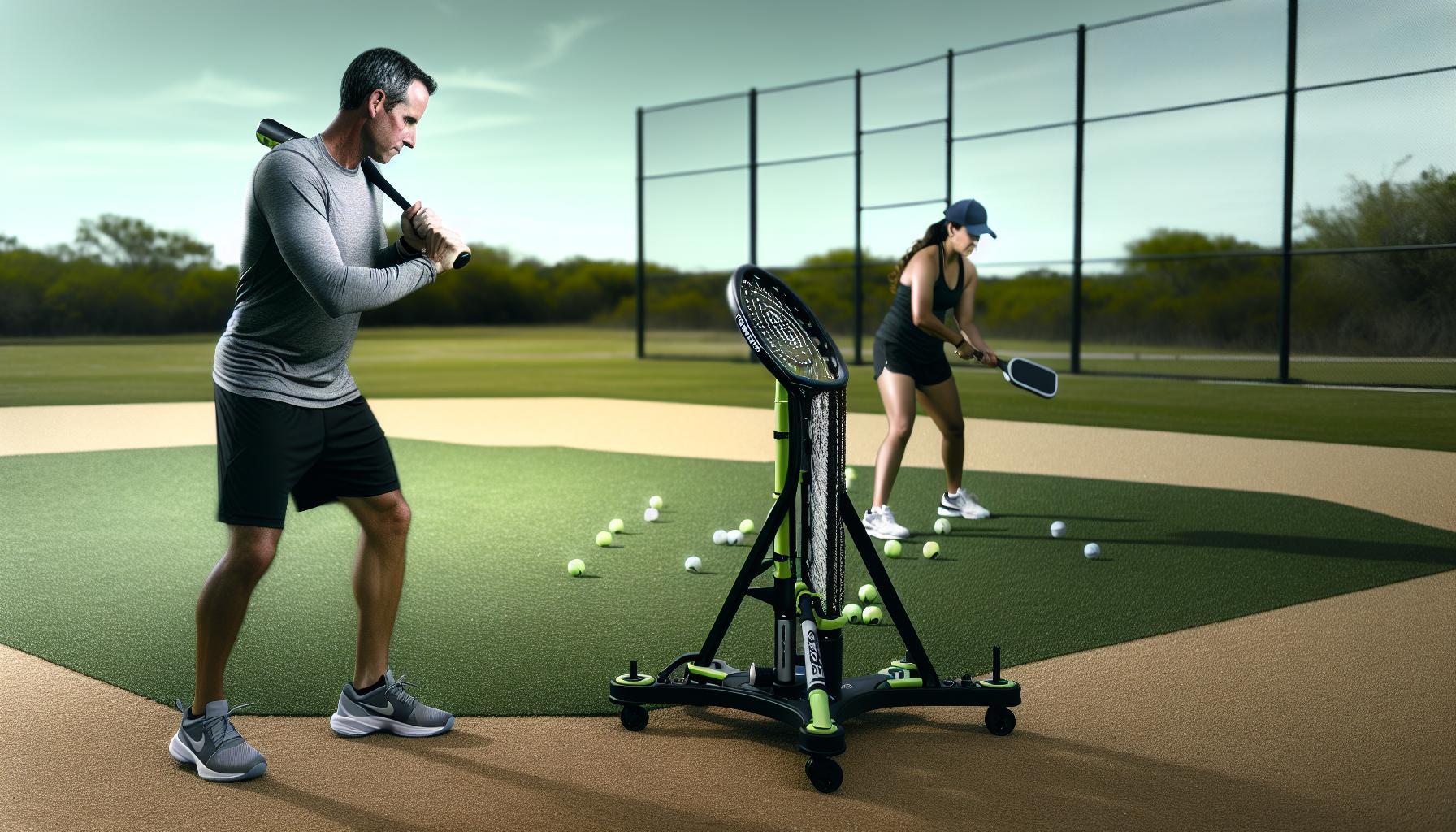
Many coaches and players wonder if a pickleball machine can effectively stand in for a baseball pitching machine during batting practice. At first glance, they share a similar purpose: delivering consistent balls to improve hitting skills. However, the reality is nuanced. Pickleball machines are designed to launch lightweight, plastic balls at slower speeds and different trajectories than baseball pitching machines. This basic difference means a pickleball machine can mimic certain aspects of baseball batting practice-but only with clear limits and creative adjustments.
How Pickleball Machines Align with Baseball batting Needs
Pickleball ball machines can offer excellent repetition and timing drills beneficial for novice baseball hitters or players focused on developing hand-eye coordination. The slower,controlled launch speeds-often adjustable between 10 to 50 mph-allow beginners to practice swing mechanics safely without facing the high velocity and spin that a baseball pitcher or pitching machine might generate. the smaller court size and ball visibility also make it easier for new batters to anticipate the ball’s arrival. For example, using a pickleball machine to simulate batting tee work with live feeds helps players internalize timing without the intimidation of harder throws.
- repetition and Form Practice: Lightweight balls reduce injury risk and encourage high-volume swings.
- Adjustable Speed and angles: Many pickleball machines provide variable speed, spin, and elevation for diverse drills.
- Visual Tracking: Plastic pickleballs are easier to see and track for fresh hitters compared to smaller baseballs.
Where Pickleball Machines Fall Short
The differences in ball mass, size, and machine mechanics mean pickleball machines cannot fully replicate the real forces, timing, and pitch types baseball batters face. Key challenges include:
- Ball Weight and Bounce: Pickleballs are much lighter (~0.9 oz) versus baseballs (~5 oz), so the swing feel and impact feedback differ drastically.
- Pitch Variability: Baseball pitching machines deliver a range of fastballs,curveballs,and sliders at higher velocities and spins,features lacking or hard to imitate on pickleball machines.
- Equipment Durability: Baseball bats and hard baseballs risk damaging the lightweight plastic balls and even the throwing mechanism of pickleball machines unless modifications are made.
Despite these drawbacks, some players successfully incorporate pickleball machines in off-season or warm-up routines, especially when conventional pitching machines are inaccessible or when working on swing tempo rather than power hitting.
practical Uses and Tips
– Using a pickleball machine for *soft toss style* batting drills focuses on contact and consistency rather than power.
– Start with lower speed settings to build timing, then gradually increase for more challenge.
– Always inspect the machine and balls for damage and adjust angles to approximate baseball launch trajectories.
– Consider supplementing pickleball machine practice with occasional traditional baseball pitching or live batting to integrate real-world pitch dynamics.
In short, a pickleball machine can mimic some key elements of baseball batting practice-mainly timing, hand-eye coordination, and swing repetition-especially for beginners or skill maintenance. However, for hitters aiming to replicate authentic baseball pitch speeds, spins, and ball feel, pickleball machines should be viewed as complementary tools rather than full substitutes. Practical cross-training can enrich versatility, but trusting the right equipment for the sport’s unique demands remains paramount.For those interested in exploring available pickleball machines with adjustable settings conducive to batting drills, options can be found with variable speed controls and multiple serve modes to tailor practice sessions[[2]](https://www.amazon.com/pickleball-ball-machine/s?k=pickleball ball machine).
Key Differences Between Pickleball and Baseball pitching Machines
Pitching machines designed for different sports might seem interchangeable at first glance since their core function is to deliver consistent balls for hitting practice. Yet, the engineering and performance features of pickleball and baseball pitching machines diverge sharply, reflecting the unique demands of each sport. Understanding these differences arms players and coaches with realistic expectations and helps identify creative ways to leverage pickleball machines for baseball batting drills-while avoiding costly mistakes.
Baseball pitching machines are built to replicate the speed, spin, and trajectory variety essential to baseball hitting. They commonly launch balls at speeds ranging from 20 mph up to pitches exceeding 90 mph-mirroring the velocity of real pitchers. Additionally, many offer programmable settings for fastballs, curveballs, and sliders. These machines must also handle the heavier mass of a standard baseball (~5 oz) and the associated impact forces from metal bats swinging at high speeds. As a result, baseball pitching machines tend to be robust, with reinforced motors and durable feeder systems designed to withstand aggressive hitting and provide realistic pitch motions.
In contrast,pickleball machines are engineered primarily to serve lightweight,hollow plastic balls (~0.9 oz) with minimal wear and tear.Their speeds typically max out around 50 mph,which is relatively slow compared to baseball machines,given pickleball’s emphasis on placement and reaction rather than brute force. Most pickleball machines excel at delivering consistent, repetitive feeds for skill-building drills-often with adjustable spin and lob angles but limited pitch variety when compared to baseball machines. Because the plastic balls are fragile and light, pickleball machines focus on precision and repeatability over power and durability.
Equipment and Performance Differences at a Glance
| Baseball Pitching Machine | Pickleball Machine | |
|---|---|---|
| Ball Weight | ~5 oz (solid leather/core baseball) | ~0.9 oz (hollow plastic pickleball) |
| Launch Speeds | 20-90+ mph (wide velocity range) | 10-50 mph (moderate, consistent) |
| Pitch Types | Fastball, curveball, slider, change-up | Primarily straight, occasional spin/lob settings |
| Durability | Heavy-duty build, designed for metal bat impacts | Lightweight construction optimized for plastic balls |
| Adjustability | Advanced speed & pitch variety controls | Speed and angle adjustments, fewer pitch variations |
Real-World Implications for Batting Practice
Because baseball machines can simulate actual pitch dynamics, they provide critical feedback on timing, bat path, and power needed for game-level hitting. Pickleball machines, while less powerful, are excellent for refining swing mechanics, timing, and visual tracking, especially for beginners or those rehabbing from injuries. However,the much lighter balls and lack of realistic pitch types require batters to mentally adjust their swing force and expectations.
Players repurposing pickleball machines for baseball batting drills should note that the lighter balls won’t provide the same tactile feedback as a real baseball. this can limit the development of power hitters who rely on ball “feel” and impact resistance during practice. Conversely, the lower speeds and safer ball type make pickleball machines ideal for introducing young athletes to batting concepts or maintaining muscle memory during off-season periods.
Ultimately,the decision to cross-use equipment depends heavily on skill level,training goals,and budget. For those on a tight budget or seeking a supplementary batting aid, pickleball machines offer a surprisingly useful tool. Meanwhile, dedicated baseball pitchers and serious hitters will benefit most from investing in a pitching machine built specifically for baseball’s physical demands and pitch variety.
By knowing these key differences, players can make informed decisions about how best to incorporate or adapt pickleball machines for baseball routines while respecting the inherent trade-offs between accessibility, safety, and realism.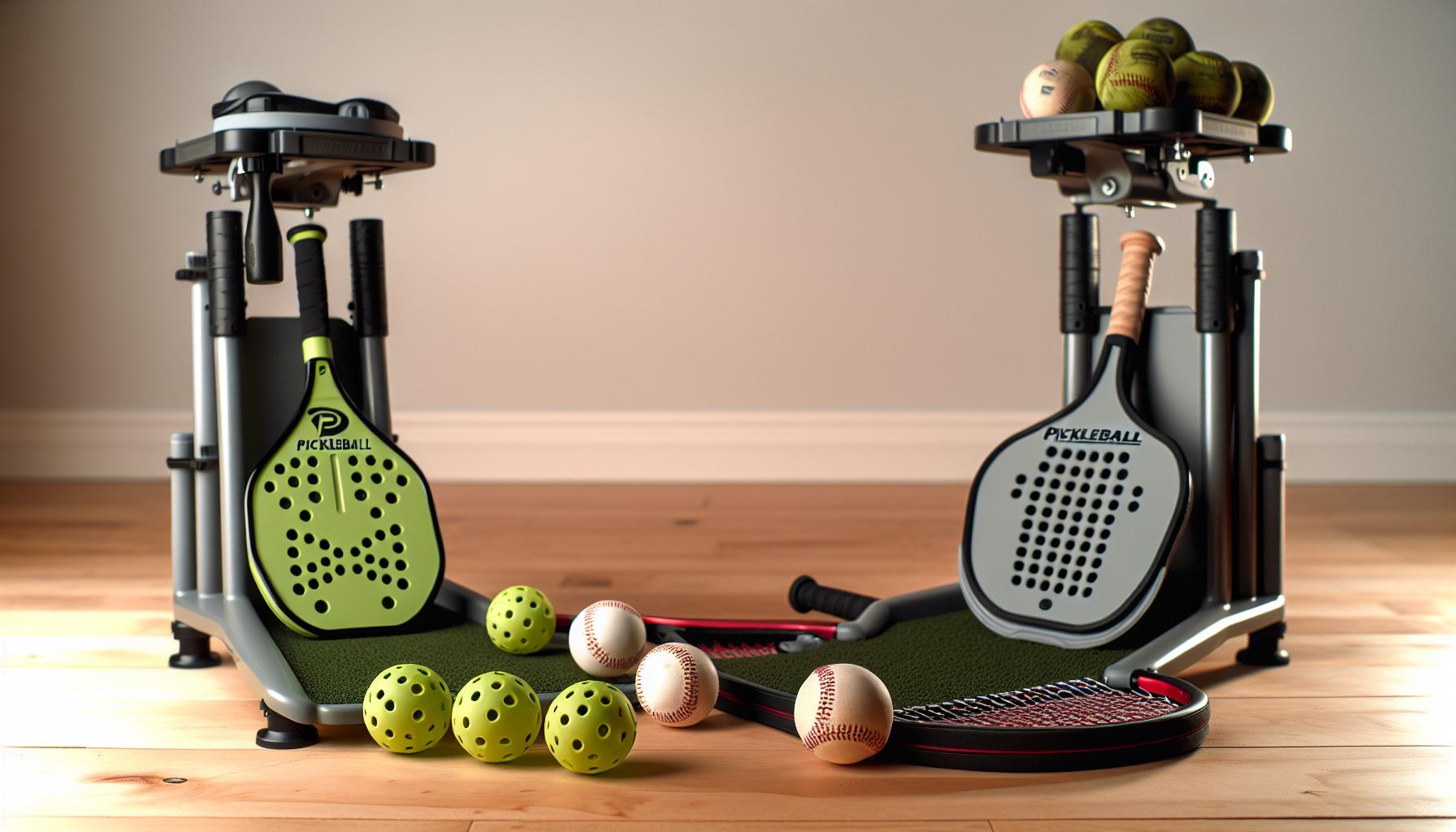
How Pickleball Machines Affect Batting Technique and Timing
picking up timing and fine-tuning batting mechanics are core goals for every hitter,and pickleball machines can surprisingly serve as a useful training aid in these areas-even for baseball players. While they don’t replicate the power or pitch variety of a baseball pitching machine, pickleball machines deliver consistent, repeatable ball feeds that emphasize visual tracking and swing rhythm. This consistency helps batters build muscle memory and focus on swing path without the intimidation of higher velocity or heavier balls.
As pickleball balls travel at lower speeds (typically maxing out around 50 mph) and are much lighter (~0.9 oz), the batter’s timing cues differ from those in baseball. This requires a conscious adjustment to initiate the swing a bit later and apply less force upon contact. For hitters early in development or those rehabbing from injury, this lower-impact setting provides a gentle environment to work on fundamental technique, such as weight transfer, bat angle, and head position. Actually,concentrating on smooth,balanced swings without the pressure of “catching up” to a fast pitch can build confidence and a reliable swing foundation.
Refining Visual Tracking and Reaction Speed
- Consistent ball release: Pickleball machines offer regular feed intervals, allowing batters to anticipate launch timing and enhance hand-eye coordination.
- Reduced speed enhances form focus: Slower speeds give hitters the chance to analyze and correct swing flaws in real time, a level of detail more difficult to capture against fast baseball pitches.
- Spin and angle options: Though limited compared to baseball machines, some pickleball machines allow slight spin or trajectory adjustments, helping players adapt to changing ball flight patterns.
Take, such as, a youth hitter struggling with premature swinging. Using a pickleball machine’s steady,moderate feeds can definitely help them learn to “wait” and engage their core properly before accelerating the swing. Over time, this control can translate positively back into baseball batting, where timing precision is crucial.
Trade-offs in Batting Feedback and Power Development
It’s crucial to acknowledge that the light plastic balls don’t generate the same tactile feedback or resistance as a real baseball when struck. For power hitters or more advanced players,this means limited possibility to develop bat speed against realistic impact forces. Timing practiced on a pickleball machine may not fully transfer when facing faster,heavier baseball pitches,perhaps requiring extra adjustment during live batting practice or games.
However, for skill-building drills focused on swing mechanics and rhythm, pickleball machines provide a low-cost, accessible platform. They allow frequent repetitions without the wear and tear on equipment or risk of injury that can come with heavier balls and faster pitches.Ultimately, incorporating pickleball machines into a batting routine is a great option for beginners, casual hitters, or those working on recovery, while serious batters benefit from supplementing with actual baseball pitching machines or live pitching as skill and resources permit. By understanding these skill and equipment limitations, players can set realistic goals and maximize what each tool offers for technique and timing development.
Top Pickleball Machines suitable for Batting Drills
Pickleball machines might not be the first piece of equipment that comes to mind for baseball batting practice, but their versatility and consistent ball feeding make several models surprisingly well-suited for helping hitters refine timing and swing mechanics. When selecting a pickleball machine for batting drills, key attributes to focus on include adjustable speed and feed intervals, portability, and the ability to add slight variations in spin or trajectory to replicate diverse pitch types-albeit at a lower velocity compared to baseball machines.
Among popular options,machines like the Tennibot Partner stand out for their advanced AI-driven technology,allowing customized drills and precise control over feed patterns. This adaptability is particularly beneficial for batters who want to simulate varied pitch locations and improve their swing adjustments. Moreover, Tennibot’s integration with mobile apps and smart controls enable real-time changes without interrupting practice, a feature often missing in simpler models. For players on a moderate budget, versatile portable launchers available on Amazon offer straightforward remote-controlled operation and steady ball release, making them accessible tools for consistent repetition and muscle memory development[[1]](https://www.amazon.com/pickleball-throwing-machine/s?k=pickleball+throwing+machine)[[2]](https://www.tennibot.com/pickleball/ball-machine/).
Balance of Features and Practicality
When considering equipment for training that crosses the line between pickleball and baseball, portability and battery life become crucial. Machines with built-in lithium batteries,such as the Amazon-portable models,offer the freedom to practice in different locations without the hassle of external power sources. For more serious or semi-advanced users, Titan ONE machines provide robust durability and come with user-friendly drill apps to customize feed sequences, although their lower price models focus primarily on pickleball practice and may need slight modifications to optimize for batting drills[[3]](https://titanballmachines.com/products/titan-pickleball-machine).
| Machine | Key Features | best For | Approximate Price |
|---|---|---|---|
| Tennibot Partner | AI control, adaptive feed patterns, mobile app integration | Advanced players seeking precision and custom drills | Premium ($2000+) |
| Amazon Portable Launchers | Remote control, built-in battery, simple speed adjustment | Beginners and casual hitters | Budget-friendly ($300-$600) |
| Titan ONE | Custom drills via app, sturdy design, limited spin adjustments | Intermediate to advanced recreational users | Mid-range ($1000-$1500) |
Choosing the Right Machine for Batting Drills
For baseball players exploring pickleball machines for batting, a device that offers slow to moderate speeds (up to ~50 mph) with consistent feed timing is ideal. This speed range avoids overwhelming developing hitters and lets them focus on smooth,balanced swings. Machines that permit slight angle or spin adjustments-even if minimal compared to baseball pitching machines-can add a low-stakes challenge that builds quick reaction skills.
Such as, a youth baseball player might start with a basic remote-controlled picker offering steady feeds to master visual tracking and swing rhythm.Once comfortable, transitioning to AI-powered machines helps introduce pitch variety and timing unpredictability, simulating real-game scenarios without the risk or cost of traditional baseball pitching machines.Ultimately, the best pickleball machine for batting drills balances solid feed consistency, user-friendly features, and budget considerations-supporting a gradual but effective cross-sport training regime. As with all training tools, pairing these machines with proper coaching and safety measures ensures maximum return on investment, especially as skill levels and goals evolve.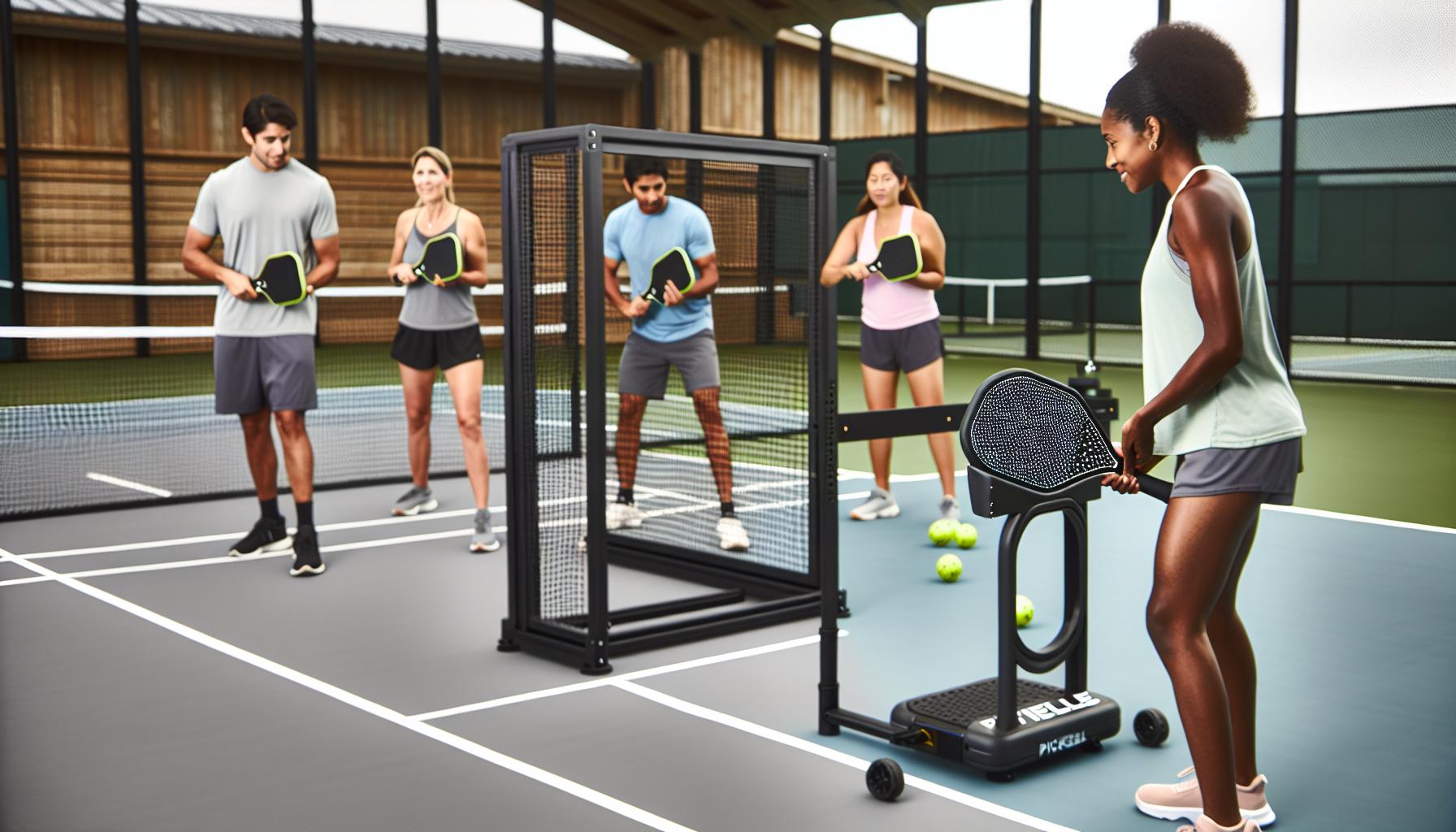
Adapting Pickleball Balls for Safe Batting Practice
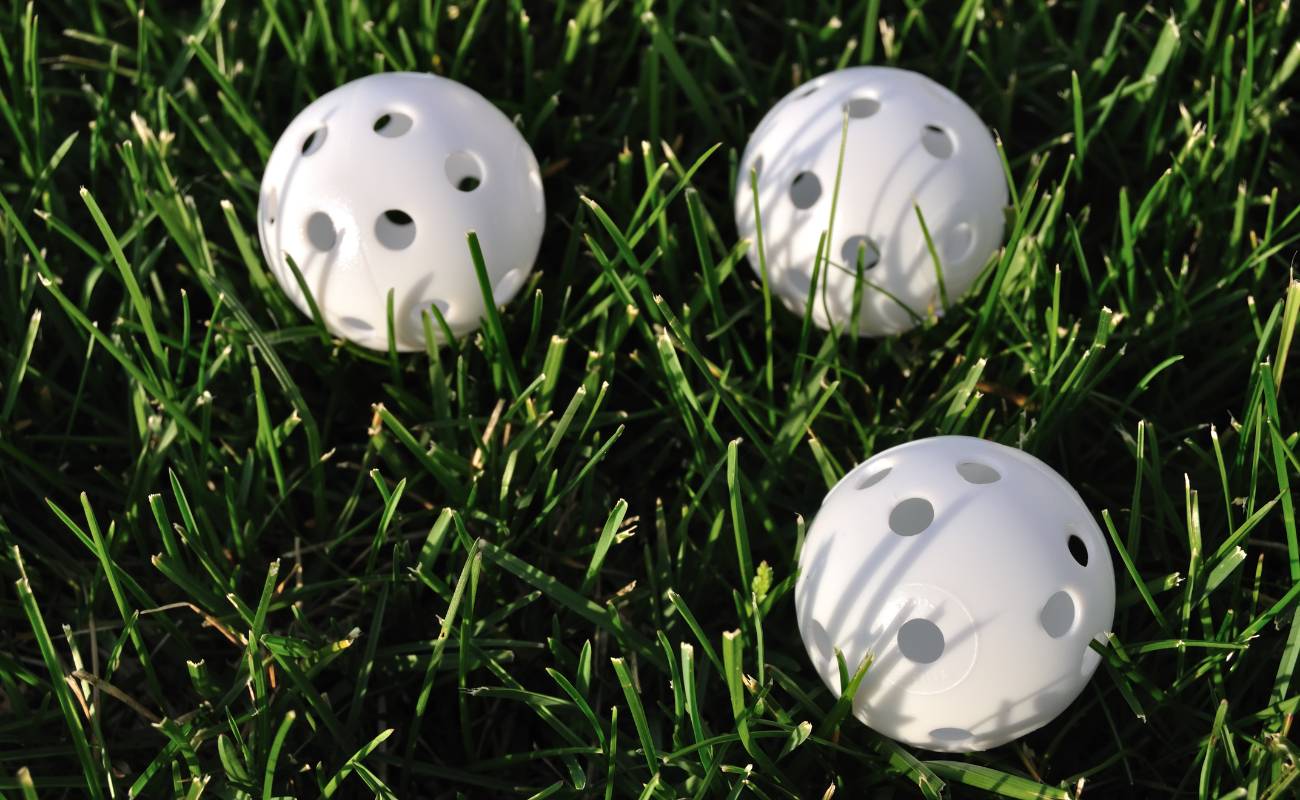
One of the most important considerations when using pickleball machines for batting practice is ensuring the balls themselves are safe for hitting with a baseball or softball bat. Unlike traditional baseballs,pickleballs are lighter,hollow,and constructed from hard plastic with perforations,which changes their impact dynamics. Left unmodified, these balls can crack or shatter upon strong contact, posing a safety risk and potentially damaging equipment. However, with thoughtful adaptation, pickleball balls can become a practical, cost-effective tool for improving swing timing and hand-eye coordination, especially in youth or beginner settings.
Choosing the Right Pickleball Balls
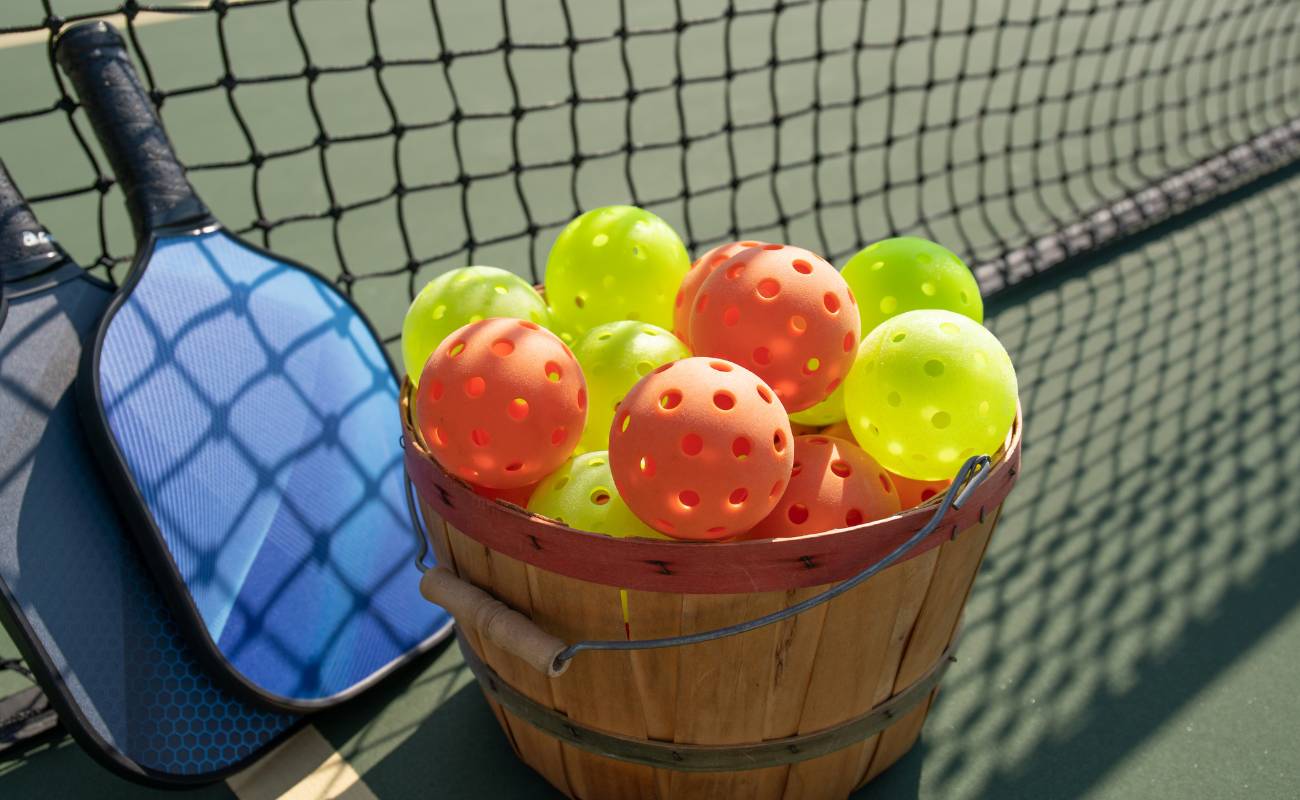
not all pickleballs are created equal for batting practice. Indoor pickleballs tend to be softer and lighter, making them safer but less durable for repeated batting drills. outdoor pickleballs are generally tougher but might be too hard on bats and create unpredictable ball behavior. selecting new, high-quality outdoor pickleballs with consistent weight and fewer surface imperfections is advisable. This ensures a more reliable trajectory while still protecting the bat and player.
Simple Modifications to Enhance Ball Safety and Performance
To further improve safety and durability, consider these practical adaptations:
- Softening the impact: Wrap pickleballs in thin layers of foam tape or lightweight protective sleeves. This reduces the ball’s hardness and lessens the sting on the bat and hands.
- Weight adjustment: Insert a small, lightweight sponge or foam inside the hollow ball to add mass and reduce the risk of cracking. This also better simulates the feel of a baseball without requiring an expensive ball swap.
- Sealing perforations: Use clear tape over the holes to avoid air escaping unpredictably as the ball spins, which leads to erratic flight paths that can disrupt timing practice.
These modifications maintain the lightweight nature of the pickleball machine training while creating a safer and more controlled batting environment.
Balancing Safety and Skill Development
For younger players or those new to batting, these adapted pickleballs provide a low-impact introduction to swing mechanics without intimidating fastballs. More advanced hitters can still benefit by focusing on bat speed, swing path, and contact point anticipation with a slightly forgiving ball. Unlike traditional baseballs,the modified pickleballs minimize risk of injury or equipment damage,making practice accessible in tighter spaces or indoors.
| Aspect | Unmodified Pickleball | Modified Pickleball for Batting |
|---|---|---|
| durability | Prone to cracking or breaking on strong hits | Enhanced with foam inserts or tape, more resistant |
| Safety | Potential sharp shards and high impact | Reduced impact force, safer for players and bats |
| Flight Consistency | Erratic due to perforations and light weight | Improved with sealed holes and weight adjustments |
| Cost Effectiveness | Very affordable, easily replaceable | Still budget-friendly with minor material additions |
Integrating these thoughtful ball adaptations into your pickleball machine training can turn a portable, cost-effective practice tool into a safe, versatile asset for batting drills. By prioritizing ball condition and modification,coaches and players can build confidence,consistency,and key hitting habits while mitigating injury risk-one swing at a time.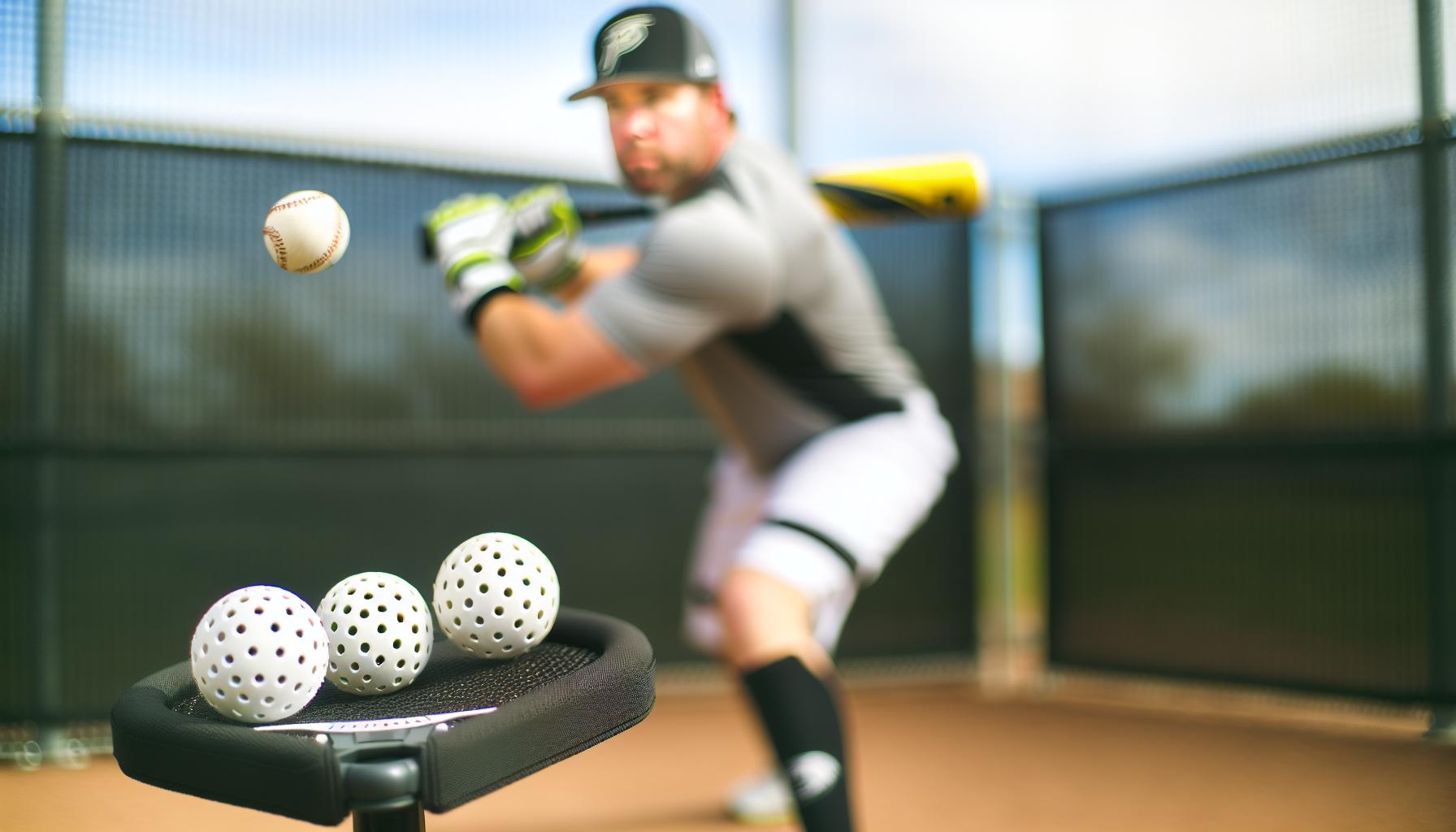
DIY Modifications to Convert Pickleball Machines for Baseball Use
Repurposing a pickleball machine for baseball batting practice isn’t as far-fetched as it sounds, especially for players or coaches working with limited budgets or indoor spaces. While pickleball machines aren’t designed for the speed or density of baseballs, a few well-planned modifications can help bridge the gap, providing a practical training tool to enhance timing, hand-eye coordination, and swing mechanics. The key lies in carefully adjusting both the machine’s settings and the balls used to replicate baseball pitching dynamics safely and effectively.
Adjusting Machine settings and Ball Delivery
Most pickleball machines allow control over ball speed, frequency, and oscillation patterns.Slowing down the ball speed to mimic slower pitching or swinging speeds is essential, especially for beginners or youth players easing into baseball batting mechanics. If the machine has adjustable elevation or spin control, use these settings to vary ball trajectories, which better simulate different pitch types (fastballs, curves). Position the machine to shoot balls with a flatter arc rather than the high, lob-style typical in pickleball drills.Sometimes, placing a foam ramp or angled surface in front of the machine helps reduce ball velocity and smooth out the delivery path for more consistent batting practice.
Enhancing Ball Compatibility and Durability
Since pickleballs are hollow, perforated, and lightweight, using them directly for baseball-style swings carries risks of breakage and unpredictable flight. Beyond the simple adaptations of sealing holes and adding internal padding (as mentioned earlier), consider doubling up or layering balls in lightweight sleeves to offer a firmer contact surface. Another DIY approach is reinforcing pickleballs by inserting dense foam cores or lightweight rubber balls inside the hollow cavity, effectively increasing mass and internal pressure resistance. These modifications help the ball withstand harder hits and provide a feel closer to a traditional baseball or wiffle ball.
Structural Modifications to the Machine
Depending on the pickleball machine’s design, minor physical tweaks can improve baseball use. For example:
- Reinforcing the ball feed: Modify the hopper or feeder to accommodate slightly heavier, reinforced balls without jamming.
- Mounting stability: Add weight or mount the machine on a sturdy base or tripod to prevent bounce or repositioning when facing harder impacts or repositioning for baseball angles.
- Remote control adaptation: If the machine doesn’t include a remote, retrofitting a simple on/off remote can let batters pause between swings, mimicking the rhythm of real baseball pitching more closely.
These tweaks often require some mechanical skill but pay off by providing a more durable and reliable practice environment.
| Modification | Purpose | Ease of Implementation | Benefits |
|---|---|---|---|
| Foam or sponge inserts in balls | Increase ball mass, durability, and feel | Easy; involves cutting and stuffing | Better batting feedback; safer bat contact |
| Sealing perforations with tape | Enhance consistent flight path | Very easy; low cost | Improved timing and swing accuracy |
| Slowing machine speed & adjusting angle | Mimic baseball pitch velocities and trajectories | Dependent on machine features; moderate | Realistic drill conditions; better skill transfer |
| Adding remote control functionality | Control ball feeding rhythm | Moderate; requires electrical skills | Practice pacing closer to game scenarios |
| Strengthening machine base | Prevent movement and vibration from impacts | Moderate; basic DIY work | Stable machine positioning for reliable drills |
For coaches and players focused on affordable, flexible training, these DIY modifications unlock the potential of pickleball machines as effective baseball batting aids. Realistically, this isn’t a full replacement for professional baseball pitching machines, particularly at higher competition levels. However, for beginners, off-season training, or indoor practice, this hybrid approach balances skill development and resourcefulness.
Integrating these strategies enhances the natural strengths of pickleball machines-portability, ease of use, and cost efficiency-while adapting them thoughtfully to withstand the rigors of baseball bat impact and provide meaningful practice. Many players have found that emphasizing control, contact mechanics, and swing timing with these setups translated well once transitioning back to traditional baseball machines or live pitching. Taking the time to customize your equipment upfront pays dividends in consistent, safe, and accessible offseason or supplementary training.
Comparing Pickleball and Baseball Machine Costs and Value
When choosing between pickleball and baseball pitching machines, cost often becomes a pivotal factor-especially for players and coaches balancing budget constraints with training priorities. Pickleball machines tend to be significantly more affordable and compact, making them accessible entry points for beginners or multi-sport enthusiasts looking to practice batching techniques without a substantial upfront investment.On the other hand,baseball pitching machines,crafted specifically to handle heavier balls at higher speeds,often come with a premium price reflecting their specialized capabilities and durability.
The value proposition of pickleball machines lies in their versatility and portability. These machines are designed to launch lightweight balls at moderate speeds, which means they inherently demand fewer mechanical reinforcements and simpler motors, thus driving costs down. This affordability opens doors for indoor or backyard practice where space or noise restrictions limit using full-scale baseball machines. Conversely, baseball pitching machines, such as those pitching fastballs exceeding 50-60 MPH, must be rugged and feature-adjusted to match real-game scenarios, including advanced pitch types like curves and sliders. This results in higher costs but also delivers training specificity that’s hard to replicate with modified pickleball machines.
Weighing Cost versus Performance
Before making a gear decision, consider these factors in context:
- Skill Level: Beginners and youth players benefit from lower-speed drills where pickleball machines can serve well after modest modifications.
- Practice environment: Limited spaces favor compact pickleball setups, while open, dedicated fields justify investing in baseball-specific pitching machines.
- Frequency of Use: Regular, intense training to simulate competitive baseball often demands the precision and robustness of baseball machines.
- Modification Costs: Adapting pickleball machines for batting practice involves DIY enhancements (reinforced balls, machine mounts) that add incremental costs but remain generally lower than buying baseball machines outright.
| Feature | Pickleball Machines | Baseball Machines |
|---|---|---|
| Average Price range | $150 – $500 | $1,000 – $4,000+ |
| Ball Type | Lightweight hollow plastic balls | Pressed leather or rubber baseballs |
| speed Range | Typically 20-60 MPH (adjusted) | 30-90+ MPH (advanced pitch types) |
| Machine Durability | Moderate; suited for lighter balls | High; built for heavy impacts & frequent use |
| Portability | High; lightweight & compact | Moderate; bulkier & heavier |
| Customization | DIY modifications common | Manufacturer-supported adjustments & accessories |
Most players and coaches find that investing in a dedicated baseball pitching machine is worthwhile as skill levels progress and training demands grow. Though, for early development phases, off-season drills, or casual batting sessions, modified pickleball machines maximize value by offering practical, low-cost access to swing practice. Real-world examples include youth leagues supplementing limited field time with inexpensive pickleball setups that mimic timing without risking expensive baseball equipment damage.
your choice boils down to intention, budget, and setting. If your focus centers on nuanced pitch realism and high-speed batting practice, the costlier baseball machines justify themselves through performance and longevity. but if your priority is affordable, frequent reps focused on contact mechanics and timing, then a well-adapted pickleball machine can deliver solid returns in value and convenience. This approach encourages creativity and incremental upgrades,allowing every player to shape their practice environment within their means.
Player Skill levels That Benefit from Cross-Sport Practice
Many athletes underestimate how cross-sport practice can boost their core skills, especially when transitioning between racket sports like pickleball and baseball batting. Using a pickleball machine for batting drills may sound unorthodox, but for players at certain stages, it offers unique benefits that more specialized baseball machines cannot replicate-particularly in timing, hand-eye coordination, and swing mechanics. This makes it a useful supplementary tool for skill-building, especially for beginners and intermediate players developing foundational batting techniques.
Beginners and Youth Players
At the entry level, players benefit tremendously from slower pitch speeds and larger ball visibility. Pickleball machines typically launch lightweight balls at moderate speeds (generally 20-60 mph after adjustments), which reduce the intimidation factor and provide manageable reaction times. This slower pace helps young or novice batters focus on stance, grip, and contact precision without the pressure of rapid pitching. Many youth baseball programs use modified pickleball machines to support off-season practice due to their affordability and compact size, which also encourages more frequent reps in limited spaces.
Intermediate Players Focusing on Timing and Contact
For players who have grasped the basics but need to refine their swing timing and contact consistency, the pickleball machine can simulate pitch rhythms that emphasize eye tracking and bat-to-ball coordination.Even though pickleball balls differ from baseballs in weight and texture, the rapid-fire nature of some pickleball machines allows hitters to practice quick reactions and adjust swings under controlled conditions. This cross-disciplinary drill strengthens neural pathways crucial for real-game scenarios where split-second decisions matter.Practical experiance from coaches shows this benefits hitters moving from casual to competitive levels, as it sharpens focus on hand speed and swing fluidity without requiring full baseball gear instantly.
Advanced Players and Specialized Training
While advanced baseball players require sophisticated pitching machines offering high-speed fastballs, breaking pitches, and varied angles, incorporating pickleball machine drills adds value in specific areas. Using lighter balls launched repeatedly can help isolate swing mechanics by reducing stress on muscles and joints, allowing players to train longer with lower injury risks. Moreover, those rehabbing injuries or working on recovery phases find this type of low-impact practice complements heavier baseball drills well. For multifaceted athletes enjoying multiple sports, this cross-training approach cultivates agility and timing transferable across disciplines, preserving enthusiasm and motor control.
| Skill Level | Key Benefits from Pickleball Machine Use | Recommended Practice Focus |
|---|---|---|
| Beginner / Youth | Lower speed, enhanced ball visibility, confidence building | Basic swing mechanics, contact accuracy, timing drills |
| Intermediate | Improved reaction time, hand-eye coordination, consistent contact | Swing adjustment, rhythm drills, controlled repetition |
| Advanced / Rehab | Low-impact training, injury prevention, muscle memory retention | Mechanics refinement, endurance building, varied speed integration |
- Budget-friendly: Pickleball machines offer an accessible solution early on without heavy investment.
- Space adaptability: Compact size suits home or indoor practice where full baseball setups aren’t feasible.
- Skill crossover: Timing and coordination gains translate across both sports, enriching overall athleticism.
Ultimately, the decision hinges on a player’s current goals, available resources, and the type of skill refinement desired. For those starting out, developing hand-eye coordination and timing with pickleball balls can accelerate progress with less frustration. Meanwhile, intermediate and rehab-stage athletes find these machines a smart supplement for targeted mechanics work. As always, pairing cross-sport practice with dedicated baseball-specific drills remains essential for comprehensive batting development.
Common Challenges Using pickleball Machines for Batting Practice
Many players intrigued by the idea of using pickleball machines for baseball batting soon discover key limitations that can affect practice quality and player safety. While these machines are affordable and convenient, they where designed with very different balls and play dynamics in mind. Understanding these challenges helps set realistic expectations and guides modifications for safer, more effective training.
the foremost issue lies in ball size, weight, and material differences.Pickleballs are lighter, hollow, and less dense than baseballs, leading to meaningful discrepancies in flight behavior and bounce. When hit with a baseball bat, a pickleball can react unpredictably-either bouncing off at odd angles or breaking apart upon impact. This requires batters to adjust their timing and swing path considerably, which may cause confusion or develop habits not transferable to actual baseball at-bats. Additionally, the light pickleball doesn’t offer the same tactile feedback or momentum resistance as a baseball, potentially limiting muscle conditioning benefits and realistic swing feel.
Speed and pitching style present another challenge. Pickleball machines typically deliver balls at moderate speeds (often between 20-60 mph), but they lack the versatility to mimic baseball pitches such as curveballs, sliders, or fastballs exceeding 90 mph.Their feed mechanisms prioritize consistent, repetitive shots ideal for racket sports drills but don’t replicate the complex trajectories or variation baseball training demands. This limits advanced hitters who need to practice reading pitch movement and adjust swing timing precisely. For beginners, while slower speeds can help, too predictable ball placement may reduce the reality of in-game unpredictability.
Mechanical durability and maintenance also warrant consideration. Using baseball bats on softer pickleballs may seem gentle, but the impact can still cause the machine’s launching wheels or feed system to jam or wear prematurely. Some players report frequent reloads and adjustments, especially when balls degrade or split. Moreover, converting or upgrading pickleball machines to handle baseball-sized balls often involves elaborate DIY projects that might void warranties or compromise safety features.
Mitigating These Challenges
- Use specialized pickleball balls designed for durability: Several brands offer tougher, practice-specific pickleballs that withstand bat impact better, providing more consistent flight patterns.
- Modify batting technique when using pickleball machines: Focus on timing drills, hand speed, and contact precision rather than power hitting.This maintains skill crossover without stressing unrealistic swing mechanics.
- Combine pickleball machine practice with traditional baseball pitching machines: Use pickleball machines primarily for warm-ups,timing,and low-impact work instead of full swing replication.
- Regularly inspect equipment for wear: Ensure the machine’s wheels are clean and the feed system runs smoothly to avoid interruptions or damage.
| Challenge | Impact on Practice | Possible Solution |
|---|---|---|
| Ball material & weight mismatch | Unpredictable bounces; limited muscle conditioning | Use durable pickleballs; adjust swing focus to timing |
| Limited pitch variation & speed | Reduced replicability of advanced pitches | Supplement with baseball pitching machine; use for basics |
| Machine wear & maintenance | Increased jams; potential equipment damage | Regular maintenance; special care for feed wheels |
| Safety concerns hitting hard with baseball bat | Risk of ball shattering or flying unpredictably | Wear protective gear; practice control swings |
Ultimately, while pickleball machines offer great value for developing timing, hand-eye coordination, and foundational swing mechanics, they cannot fully substitute for baseball pitching machines in replicating game-like conditions. For players balancing budget and practice space constraints, being aware of these trade-offs ensures they make the most out of their cross-sport training without frustration or injury. Keeping expectations aligned with machine capabilities will result in smarter, more enjoyable workouts that truly enhance batting skills.
real-World Scenarios: Success Stories and Cautions
Few training adaptations are as inventive-and sometimes contentious-as using a pickleball machine to practice baseball batting. Enthusiasts with limited budgets or practice space frequently enough opt for this cross-sport hack, hoping to sharpen timing and hand-eye coordination without the full investment in baseball pitching machines.Some players report notable improvements in swing rhythm and rapid bat speed adjustments after integrating pickleball machine sessions into their routines,especially beginners building foundational skills.One youth baseball league coach shared that when pitching machines were unavailable, using a durable, practice-grade pickleball machine allowed younger players to focus on contact timing and bat-to-ball coordination safely. The lighter balls gave them more reps with less strain and injury risk.over a few months, the team showed marked confidence at the plate, though the coach noted the transition to real baseball pitching required additional adjustment as the machine didn’t mimic pitch speed or movement accurately. In this case, the pickleball machine acted as a supplementary, not primary, tool.
Though, several players have encountered pitfalls worth highlighting. Experienced hitters looking to replicate fastballs or curveballs found the pickleball machine frustrating due to limited speed range and pitch variety. One semi-pro batter mentioned that inconsistent ball flight and unexpected bounces from cracked pickleballs disrupted timing, sometimes developing bad habits affecting live at-bats. Also, frequent maintenance was needed to keep the machine feeding properly after repeated bat impacts-not ideal for daily drills.
Lessons from These Experiences
- Clear goals matter: Use pickleball machines for drills emphasizing hand speed, timing, and soft contact rather than power hitting or pitch recognition.
- Pick quality balls: Durable pickleballs made for practice help maintain consistent flight and reduce breakage when struck.
- Blend your training: Supplement pickleball machine use with actual baseball pitching when possible to build pitch-reading and swing adaptation skills.
- Inspect and maintain: Regular cleaning and mechanical checks keep the machine functioning smoothly and extend its lifespan.
| Scenario | Outcome | Advice |
|---|---|---|
| Youth league using pickleball machine for timing | Improved contact timing; smoother swing rhythm | Use slower speeds; reinforce transition to real pitching |
| Advanced player seeking pitch variety | Limited success; inconsistent feedback; developed bad habits | Supplement with baseball pitching machine; limit pickleball use to warm-up |
| Casual adult player on budget | Affordable way to practice hand-eye coordination; moderate durability | Choose high-quality practice balls; monitor machine wear closely |
ultimately, the real-world feedback suggests pickleball machines can be a valuable supplemental tool-particularly for beginners or casual practice with timing focus-but they fall short for replicating the complex pitching dynamics critical to baseball or softball hitting development.Being upfront about these limitations prevents frustration and helps players and coaches make smarter gear choices aligned with training goals and budget. For those open to blending tools creatively, the cross-sport approach unlocks new practice potentials without demanding premium equipment investment.
Essential Safety Tips When Repurposing Pickleball Machines
It’s easy to see the appeal of repurposing a pickleball machine for batting practice-especially when working with a tight budget or limited space-but safety should always take center stage. Pickleball balls and machines aren’t originally designed to handle the high-impact forces generated by baseball or softball bats.Without proper precautions, this can lead to equipment damage or, worse, injury to players and bystanders.Taking a proactive approach to safety can protect your gear and keep practice sessions productive and fun for all skill levels.
One fundamental step is ensuring the machine is secured firmly before use.The vibrations and shocks from repeated bat impacts can shift or tip an unstable machine,potentially causing malfunctions or errant ball launches. If your setup is outdoors, anchor the base or position the machine against a stable surface to reduce movement. Additionally,because pickleball balls are lighter and tend to bounce unpredictably when struck by a bat,always practice in an open area free of fragile objects and ensure players and observers wear protective gear like batting helmets and safety glasses.
- Inspect balls regularly: Use durable practice-grade pickleballs suited for hitting drills and replace any cracked or overly worn balls immediately. Damaged balls can disintegrate mid-flight, creating hazards and disrupting timing.
- Limit machine speed and feed rate: Slower speeds not only better mimic the slower ball pace of pickleball but also reduce impact forces on the machine’s feeding mechanism, extending its lifespan during batting drills.
- Maintain mechanical parts: Frequent cleaning of wheels, ball feeders, and control panels prevents jams and malfunctions caused by dust, ball dust, or debris from impact damage.
- supervise young or novice batters: Coaching presence ensures players use proper swing technique and stance to avoid injury, especially when adjusting to hitting lighter pickleball balls instead of traditional baseballs.
Balancing Performance with Safety: Real-World Insights
A youth coach who successfully integrated a pickleball machine for timing drills emphasized routine machine checks and enforced strict safety zones around the hitting area. he recommended coupling the machine work with traditional batting practice to build confidence gradually while keeping injury risk low. Conversely,some adult players reported that neglecting machine maintenance after intensive sessions led to ball jams and unexpected misfires,illustrating how safety and equipment longevity go hand-in-hand.
| Tip | Why It Matters |
|---|---|
| Secure machine firmly | Prevents tipping/damage from bat impact |
| Use durable practice balls | Reduces ball breakage and flying debris risk |
| Wear protective gear | protects batter and observers from errant balls/fragments |
| Regular machine maintenance | Keeps feeding consistent; prevents jams and breakdowns |
| Practice in clear, open spaces | Minimizes property damage and injury potential |
In essence, merging pickleball machines with baseball batting drills can unlock creative and effective training opportunities-but only when safety isn’t an afterthought. Thoughtful equipment handling, conscious drill design, and continual attention to mechanical health allow enthusiasts and coaches to reap cross-sport benefits while minimizing risks. This balanced approach encourages steady skill development and protects your investment, making the most of every swing.
Frequently asked questions
Q: How can I safely use a pickleball machine for baseball batting practice?
A: To safely use a pickleball machine for batting practice, adjust the speed and trajectory settings to mimic slower pitches. Use softer, impact-absorbing balls or modify balls as described in our DIY section to reduce injury risk. Always wear protective gear and practice in a controlled environment. for detailed safety tips, see Essential Safety Tips When Repurposing Pickleball Machines.
Q: what modifications improve a pickleball machine’s suitability for batting drills?
A: Key modifications include installing ball dampeners, reducing launch speed, and altering the feeding mechanism to better suit baseball swing timing. These adjustments enhance batting practice realism without overloading the machine. For step-by-step guidance, refer to DIY Modifications to Convert Pickleball Machines for Baseball Use.
Q: Which player skill levels benefit most from using pickleball machines for cross-sport batting practice?
A: Beginner to intermediate players gain the most by improving hand-eye coordination and timing using pickleball machines. Advanced players may find limited use unless machines are heavily modified to replicate baseball pitches closely. See Player Skill Levels That Benefit from Cross-Sport Practice for a full breakdown.
Q: How does the ball size and weight difference impact batting practice with a pickleball machine?
A: The lighter, smaller pickleball affects swing timing and contact feel, making it critical to adapt batting technique. Use specially modified balls or adjust machine settings to compensate, ensuring more realistic pitch simulation and safer practice sessions.
Q: Can using a pickleball machine for batting practice reduce baseball injury risk? How?
A: Yes, because pickleball offers lower-impact, controlled-speed drills, using its machine for batting can improve timing and coordination while reducing strain and injury risk. Integrate cross-training wisely and use protective equipment for safe skill transfers.Explore Common Challenges Using Pickleball Machines for Batting Practice for precautions.
Q: When is the best time to incorporate pickleball machines into baseball training routines?
A: Incorporate pickleball machines during off-season or early pre-season to build reflexes and hand-eye coordination with lower injury risk. Avoid during peak competitive season unless fully adapted for baseball. This timing maximizes cross-training benefits without disrupting sport-specific conditioning.
Q: What are the key differences to consider before using a pickleball machine versus a baseball pitching machine?
A: Consider ball speed, size, trajectory, and durability differences. Pickleball machines launch lighter balls slower and with different spin, affecting batting mechanics. For an effective transition, adjust settings or modify equipment as detailed in Key Differences Between Pickleball and Baseball Pitching Machines.
Q: Where can I find recommended pickleball machine models that work well for batting practice?
A: Look for pickleball machines with adjustable speed and angle controls and durability for impact. Refer to our Top Pickleball Machines Suitable for Batting Drills section for expert-reviewed models and compare them based on skill level and budget to choose your best fit.
For further tips on equipment adaptation and safety, be sure to explore our detailed article sections linked above. Whether you’re a beginner or competitive player, these insights can definitely help you train smarter and strike a balance between safety and performance.
Wrapping Up
Using a pickleball machine for batting practice offers a unique, versatile training edge-perfect for players seeking consistent, controlled ball delivery to refine swing mechanics across sports.Whether you’re a beginner exploring budget-friendly gear or an advanced player aiming to enhance timing and reaction,this cross-sport tool adapts to your skill level and training goals efficiently. Ready to elevate your practice routine? Explore our detailed gear comparisons and technique guides to select the best machine fit for your needs.
To continue improving your game, check out our in-depth articles on “Pickleball Equipment Essentials” and “Advanced Batting Strategies for Multi-Sport Athletes.” These resources provide clear, step-by-step coaching insights and honest equipment trade-offs, helping you make informed choices. Don’t forget to subscribe to our newsletter for expert tips and exclusive reviews, and drop your questions or experiences in the comments below-your feedback fuels our community. Harness the power of a pickleball machine today and take your batting practice to the next level!
Get our latest guides, news, and insights highlighted in your Google Search & AI Overviews.