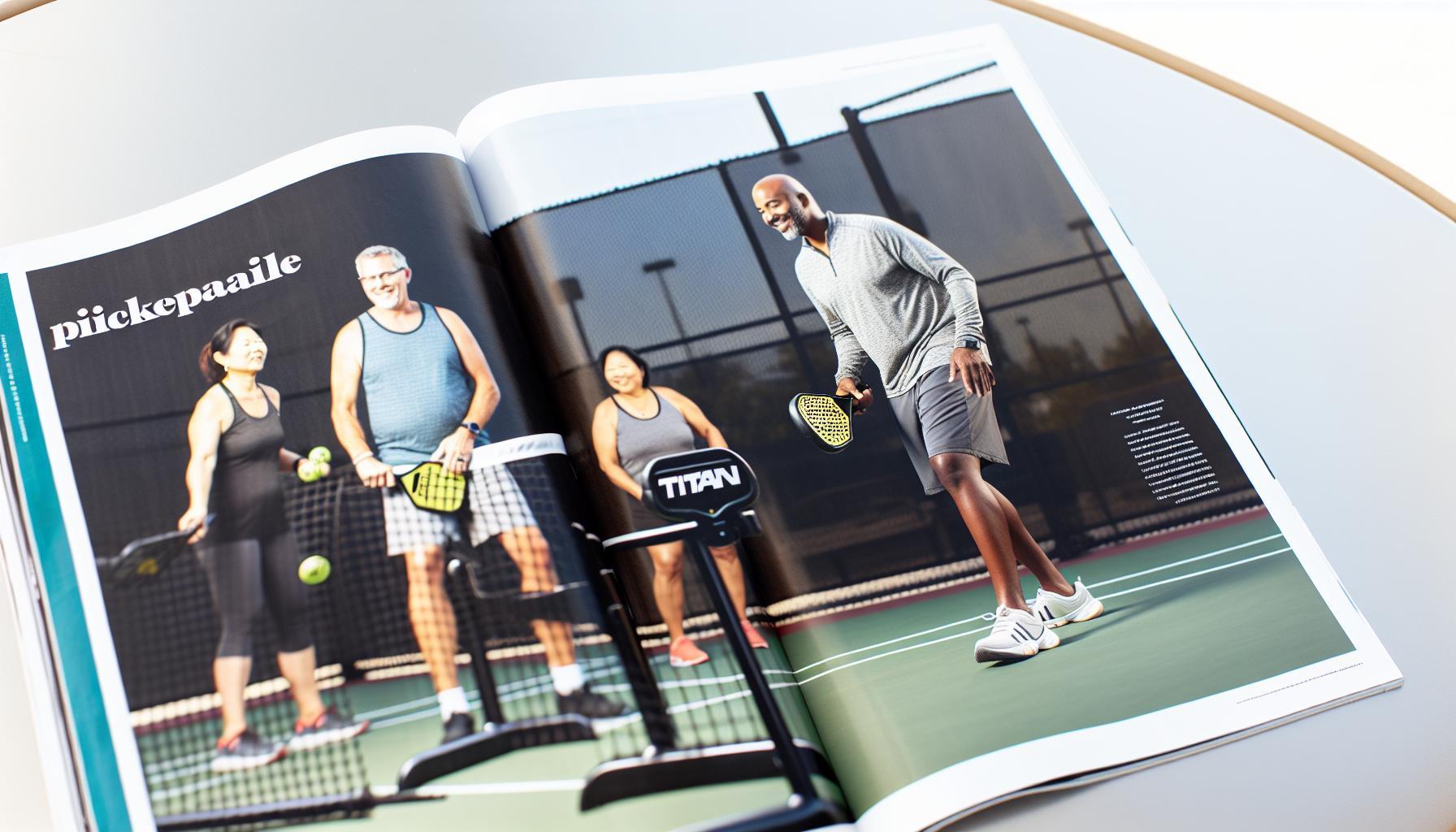
Using a pickleball ball machine can transform your practice sessions, offering consistent shots and the chance to focus on technique without relying on a partner. In this guide, we present 15 essential drills designed specifically for the Titan Pickleball Machine, suitable for players at all skill levels who want to improve precision, footwork, and shot variety. Whether you’re a budget-conscious beginner or a competitive player considering a premium machine, these drills break down effective ways to maximize your training time and develop game-winning skills. By integrating realistic playing scenarios and step-by-step routines, you’ll gain confidence in hitting dinks, volleys, drives, and returns with greater control. This straightforward, equipment-focused approach ensures your practice is both efficient and enjoyable-helping you progress steadily, no matter your starting point. Dive in to discover how to make the most of your Titan Pickleball Machine and elevate your game through targeted, evidence-based drills.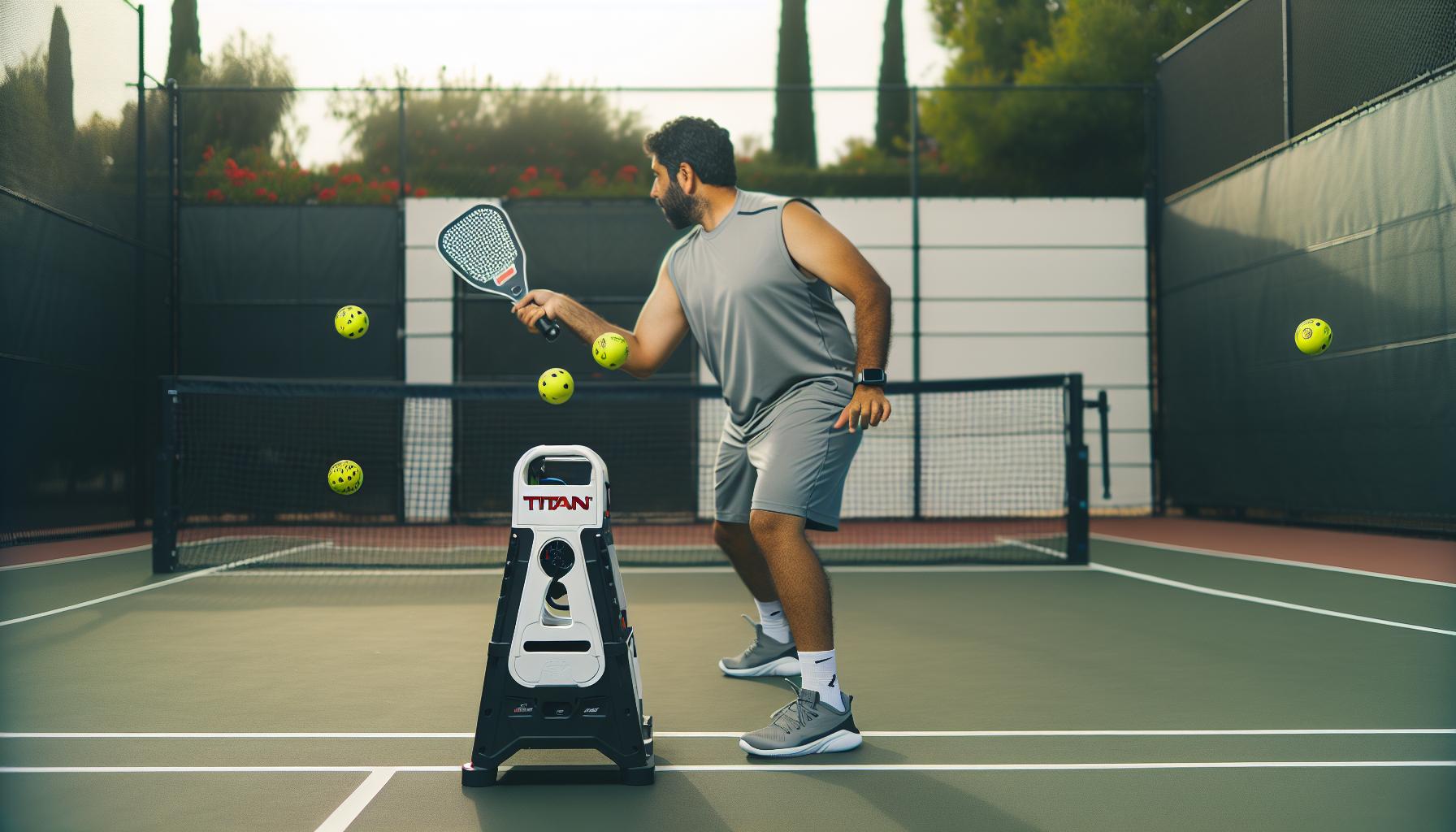
Understanding Titan Pickleball Machine Features and Setup
ThereS something uniquely rewarding about having a practice partner who never tires and offers perfect consistency-that’s exactly the edge a Titan pickleball machine brings to your game. Beyond its robotic reliability, this machine is designed with features that cater to all skill levels, making it an ideal tool for players eager to develop solid fundamentals or sharpen advanced techniques. Understanding its capabilities and setup is key to tapping into its full potential without feeling overwhelmed by gadgets or complicated controls.
At its core, the Titan pickleball machine offers adjustable speed, feed rate, and oscillation. These features let you simulate a wide range of shots,from slow dinks and drops to faster drives and lobs. Many models include programmable drills,so you can sequence shots that mimic realistic rallies. before diving into drills,prioritizing a straightforward setup is essential. Most machines come with telescoping arms or simple angle adjustments allowing you to customize the shot trajectory easily. Placing the machine approximately 15 to 20 feet from the hitting zone usually yields optimal shot depth, but this can vary based on court space and skill focus.
Budget-conscious players might find that a basic model with manual controls is perfectly adequate, especially if you’re just starting or focusing on specific drills like volley practice or swift reaction shots. Conversely, premium machines often boast remote controls, Bluetooth connectivity, and advanced shot pattern programming-a worthy investment for competitive players who want detailed drill variation without constant manual adjustment. The trade-off frequently enough boils down to how much automation you want versus hands-on control during your sessions.
Key Setup Tips for Effective Practice
- Power Source: Ensure you have reliable access to power or fully charged batteries. Consistent power keeps your machine’s feed steady for productive drills.
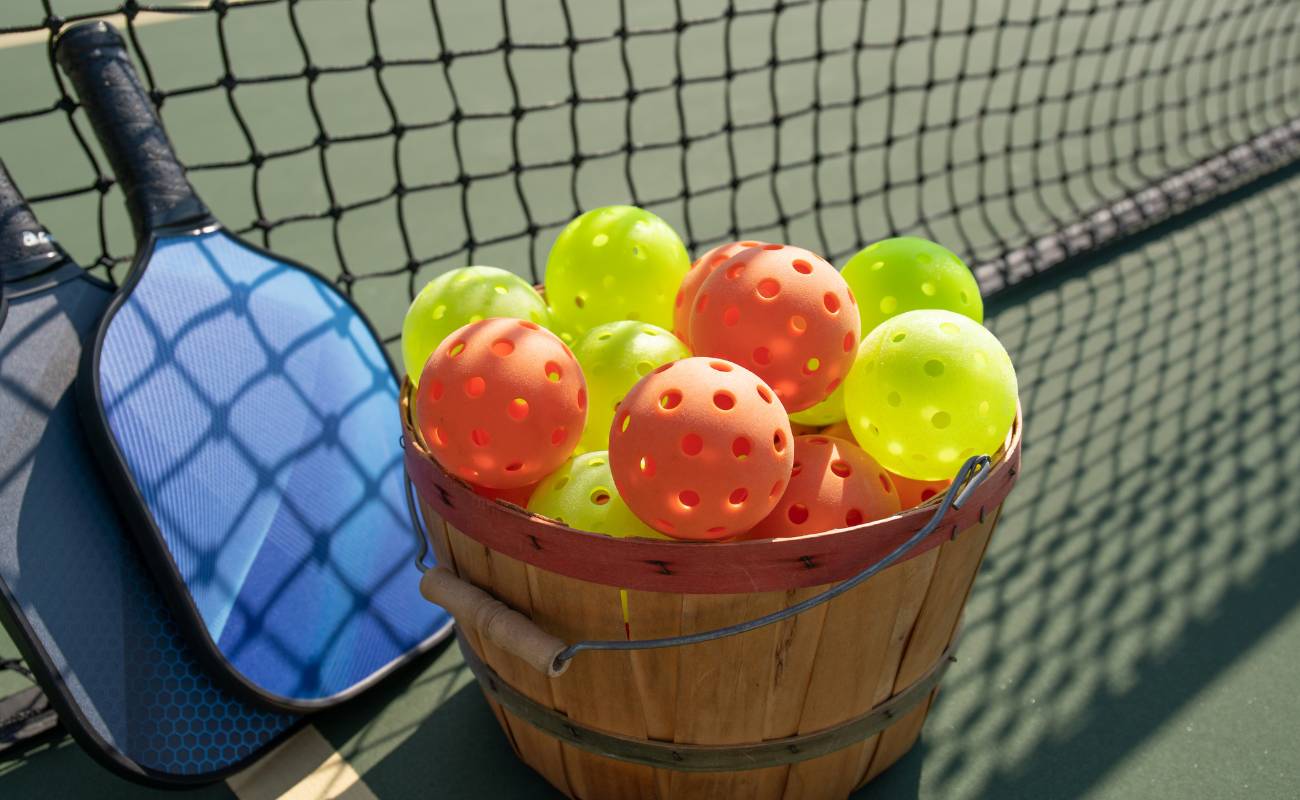
- Ball Type: Use tournament-approved pickleballs or practice balls recommended by the manufacturer to prevent jams and ensure realistic shot feel.
- Safety and Stability: Position the machine on a level surface and secure any adjustable parts tightly to prevent shifts mid-session.
- Trial Runs: Run a few test shots and adjust speed and oscillation before starting timed drills to avoid frustration and ensure drills match your current training goal.
Getting agreeable with these settings early allows you to focus fully on skill enhancement. Remember, consistent, well-structured practice with the Titan machine is what transforms hours spent on the court into measurable progress-making your investment in the right features and proper setup pay off in every rally.
Choosing the Right Drills for Your Skill Level
Picking drills that match your current skill level can be a game-changer for improving your pickleball performance with the titan machine. whether you’re just starting out or competing at high levels, the right practice routine keeps you challenged without causing frustration or burnout. One key to success is selecting drills that focus precisely on the fundamentals you need to build or refine. For example, beginners benefit from consistent, slower shots emphasizing proper paddle positioning and footwork, while intermediate and advanced players should challenge their reaction times with faster feeds and varied shot placement.
Think of the Titan machine as your personal coach that can tailor drills to your exact needs.If you’re on a budget model with limited preset options, focus on drills using manual controls to master one or two shot types at a time-like volleys or dinks. Premium models with programmable patterns open the door to combining multiple shots to simulate real match conditions, which is invaluable for competitive players building tactical awareness and endurance. Matching drill complexity to your skill ensures each session is productive and motivating.
Practical Tips for Matching Drills to Skill Levels
- Beginners: Start with slow feeds targeting deep baseline shots or easy volleys. Repetition builds muscle memory without overwhelming you.
- Intermediates: Add oscillation and vary shot speed to improve court coverage and shot anticipation.
- Advanced Players: Use randomized shot patterns, faster feed rates, and angle changes to replicate tournament-level play intensity.
Why Gradual Progression Matters
Jumping into advanced drills too soon can lead to poor form and frustration. Rather, assess your comfort and success rate before increasing drill intensity or complexity. Tracking how consistently you return shots during each drill provides honest feedback on readiness for the next level. This approach helps you maintain motivation and keeps your practice time efficient.
| Skill Level | Recommended Drill Focus | Titan Machine Feature Emphasis | Example Drill |
|---|---|---|---|
| Beginner | Consistent slow shots, footwork basics | manual speed control, fixed oscillation | Deep baseline feed at slow speed |
| Intermediate | Varied shot placement, reaction timing | Oscillation with medium speed, feed rate adjustment | Dink volley alternating left/right |
| Advanced | Randomized shot patterns, fast feeds | Programmed sequences, remote control | Mixed drops, drives, and lobs in quick succession |
With this framework, you can confidently select drills that match not just where you are today, but where you want to be as a player. The Titan pickleball machine becomes a versatile partner that grows with your game, offering consistent, reproducible practice tailored to your evolving skill set. Remember, purposeful, well-chosen drills paired with focused repetition are the proven path to sustained improvement in your pickleball journey.
15 Essential Practice Routines to Master with Titan machine
Mastering a diverse set of practice routines with the Titan pickleball machine unlocks the full potential of your training and accelerates skill development like no solo practice can. Whether you’re refining your baseline accuracy or sharpening reflexes at the net,these routines build consistent muscle memory and mental sharpness necessary for real match success. The beauty of the Titan machine lies in its versatility-allowing players from beginners to advanced a structured path to hit every fundamental shot and movement pattern critical on court.
Start by incorporating drills that emphasize shot placement and consistency. For example, practice slow, deep baseline feeds to perfect your groundstrokes and footwork. Once comfortable, move on to alternating volley drills that improve hand-eye coordination and reaction time.The key is to break down complex patterns into manageable sequences, gradually increasing speed and variability.Premium Titan models let you program mixed shot patterns-combining dinks, drives, and lobs-simulating actual game pace and forcing quick tactical decisions under pressure.
key Drills to Build fundamental Skills
- Deep Baseline Rally: Slow feeds targeting your backhand or forehand to develop solid groundstrokes and positioning.
- Dink Excellence: Short, soft shots near the net alternating left and right to enhance touch and control.
- Volley Reaction: Rapid-fire volleys at medium speed focusing on quick paddle adjustments and footwork.
- Cross-Court Consistency: Oscillating feeds requiring lateral movement to improve court coverage and stamina.
Bringing Variety and Challenge into Practice
To avoid plateauing and keep your training engaging, implement drills that vary shot speed, spin, and trajectory. Use randomized feeding sequences to mimic the unpredictability of live play, which is especially useful for intermediate and advanced players. Adjusting machine settings to simulate slices,drives,and lobs forces you to adapt strokes and foot positioning dynamically. Some advanced routines involve practicing recovering quickly from defensive lob shots back into offensive positions-key for competitive match play.
| Routine | Primary Focus | Skill Level | Machine Feature Used |
|---|---|---|---|
| Slow deep Groundstrokes | Shot consistency, footwork | Beginner to Intermediate | Manual speed, fixed oscillation |
| Dink Volley Alternating sides | Touch, control, reaction | All levels | Oscillation with speed control |
| Randomized Mixed Shots | Tactical decision-making | Advanced | Programmable patterns, remote control |
| Fast Reaction Volley Drill | Reflexes, paddle control | Intermediate to Advanced | Increased feed rate, oscillation |
With these 15 carefully structured routines as your toolkit, you develop foundational skills first, then layer on complexity and pace to meet your evolving abilities. This approach helps avoid common pitfalls such as practicing at inappropriate speeds or neglecting weaker strokes, ensuring each session extracts maximum value. Combining deliberate practice with the Titan’s customizable features keeps routines fresh while reliably building the versatile game demanded in competitive pickleball.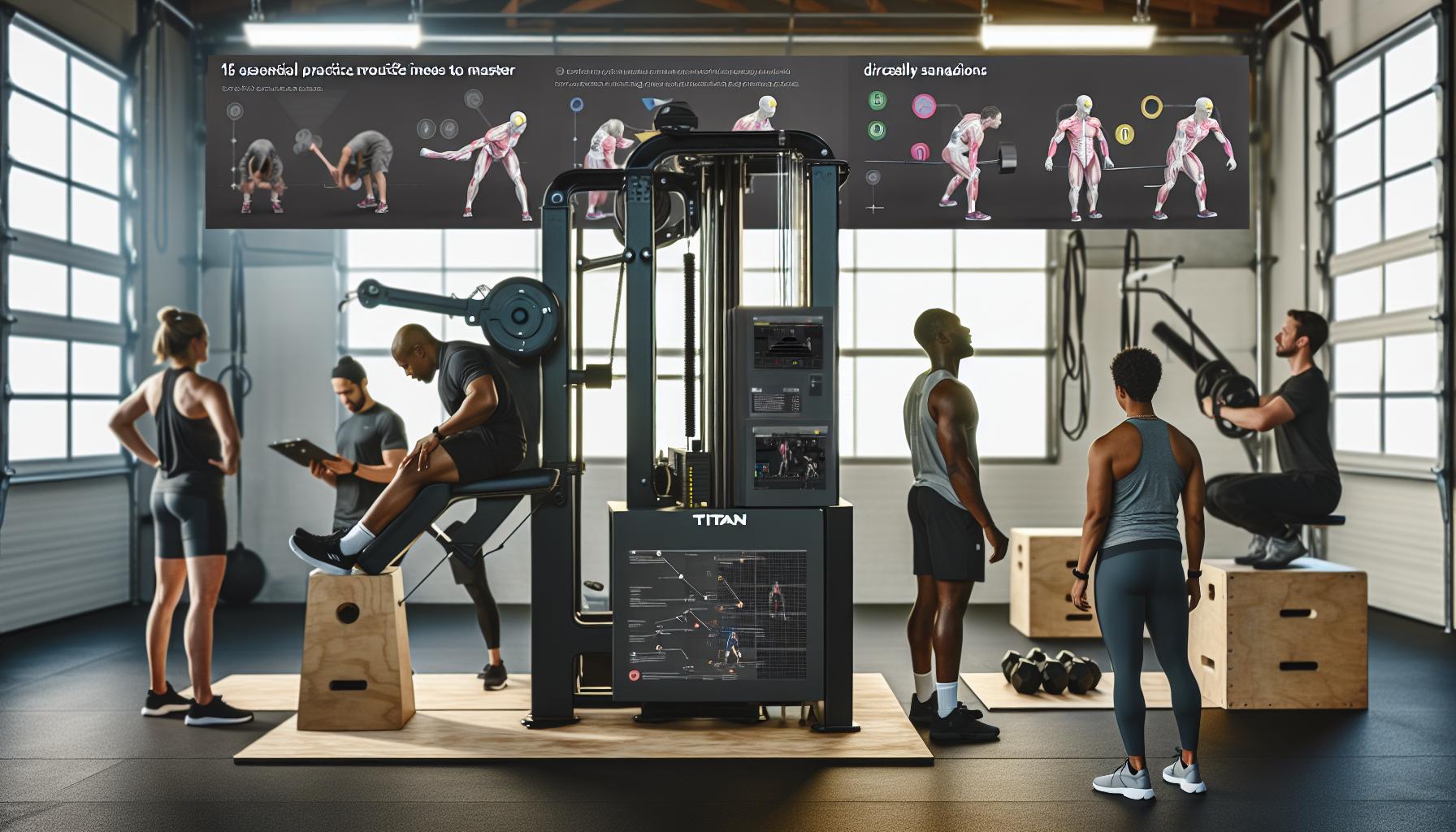
Advanced Drill Variations for Competitive Players
Elevating your practice with advanced drill variations unlocks the ability to mimic the fast-paced,unpredictable nature of competitive pickleball matches. For high-level players, simply repeating basic shots isn’t enough to stay sharp. Incorporating drills that challenge your tactical thinking, shot selection, and recovery speed ensures that your training replicates real game intensity. The Titan pickleball machine’s programmable features make it possible to simulate these complex scenarios, helping you train smarter-not just harder.
Experiment with mixing shot types in rapid succession to develop your ability to transition between offensive and defensive positions seamlessly. For example, alternate between low, fast drives and high, soft lobs to force quick decision-making and footwork adaptations. This variation also enhances your anticipation skills, critical for reading opponents’ patterns during tournaments.Many competitive players find value in drills that simulate being “pinned to the baseline” versus aggressively “attacking the net,” because these different styles demand distinct shot responses and energy management.
- Defensive Lob Recovery: Have the machine feed high arcing lobs, then immediately follow with fast, deep baseline drives. This trains your ability to reset offence after a defensive shot.
- Randomized Direction & Spin: Use programmable settings for unpredictability, with slices, topspin, and flat shots alternating sides. This mimics match conditions requiring constant stroke adjustments.
- Rapid Fire Net Exchanges: Increase feed rate with oscillation for volley rallies close to the net, improving reflexes and paddle control under pressure.
Balancing Equipment Capability and Budget
While premium Titan models allow remote control and full shot programmability, even mid-range machines with manual settings offer ample opportunity for advanced drills. Investing a bit more provides convenience and access to more realistic simulated patterns, but savvy players can still gain critically important benefits by creatively adjusting speed, oscillation, and trajectory manually. Consider your practice goals and flexibility needs before deciding, as robustness and portability may be more crucial than maximum features for some users.
| Feature | Basic Models | Premium Models | Benefit to Advanced Drills |
|---|---|---|---|
| Shot programmability | No | Yes | Enables complex mixed shot sequences |
| Remote Control | No | yes | Quick adjustments during drills |
| Variable Spin Settings | Limited or No | Yes | Simulates slices, topspin, and drives |
| Oscillation Range | Fixed/Manual | Wide and Programmable | Mimics unpredictable ball placement |
These nuanced practices push your tactical and physical limits, preparing you for the pressure moments in tournament play. incorporate match-like intervals within your Titan machine sessions to mimic fatigue and decision-making under stress. This supports deeper mental toughness alongside refined shot execution. remember, the goal of advanced drills isn’t just hitting more balls-it’s building adaptable skills that translate directly into winning points when the pressure is on.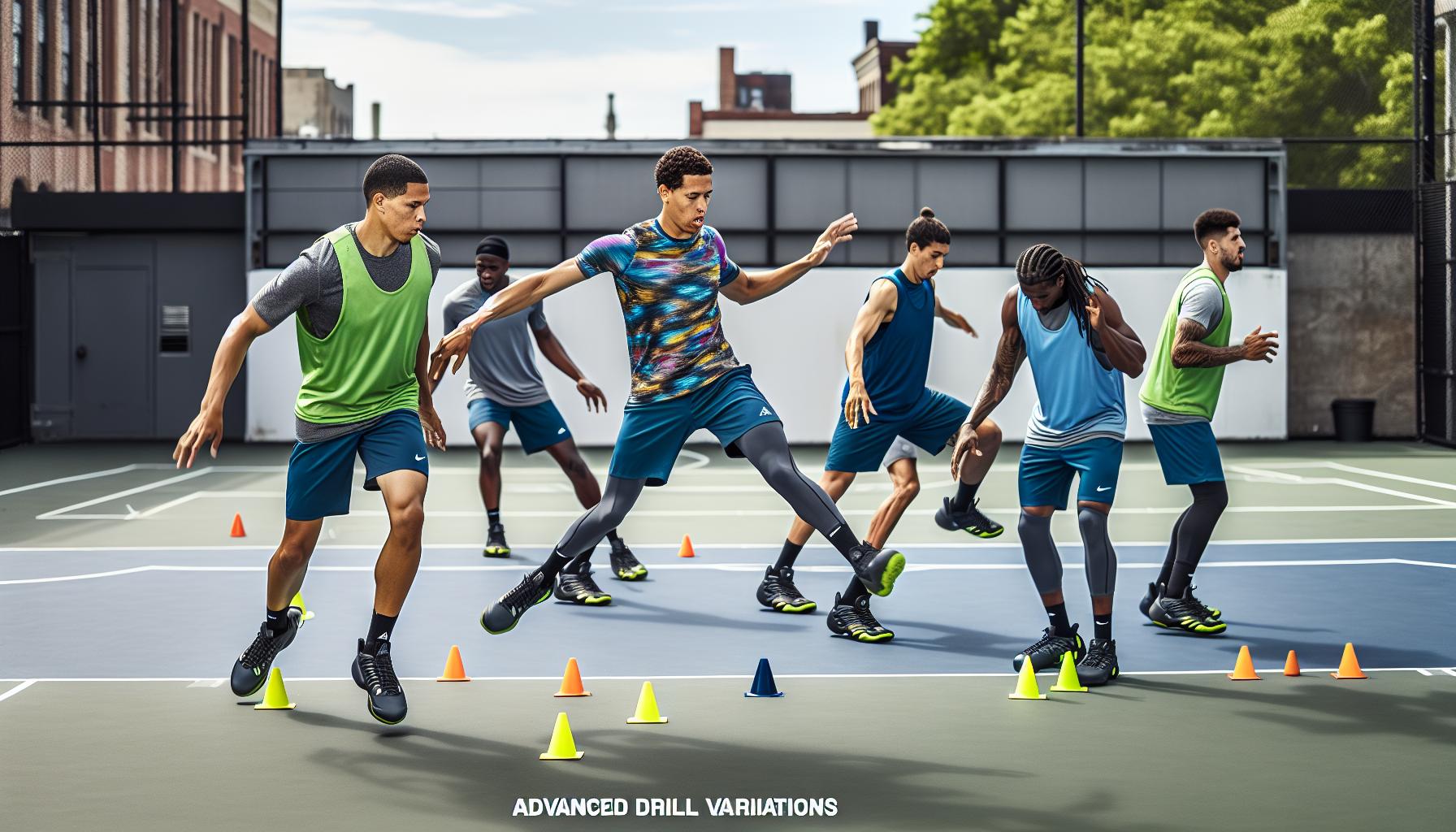
Optimizing Drill Intensity for Maximum Skill Improvement
The secret to rapid skill development with the Titan pickleball machine lies in dialing in the right drill intensity. Too easy, and your practice becomes passive-failing to push your limits. Too hard, and you risk burnout or sloppy mechanics. finding a balanced intensity that challenges your current ability state while leaving room for incremental growth is key to maximizing your time on court with the machine.
For newcomers, start with moderate feed rates and shot speeds that allow consistent ball contact and stroke repetition without overwhelming your footwork. Gradually increase pace and oscillation as your confidence builds. Intermediate players benefit most from interval-style drills, alternating bursts of high-intensity rapid feeds with short rest or low-intensity periods to replicate match rhythm and fatigue management. Advanced players should push for sustained high-intensity sessions with unpredictable shot patterns to sharpen mental and physical endurance under pressure.
Practical Tips for Structuring Drill Intensity
- Warm-up with low speed and predictable feeds: This primes coordination and muscle memory before ramping up challenge.
- use shot variety to modulate intensity: Mix faster drives with slower lobs to alternate between explosive movement and controlled positioning.
- Control feed rate in line with your endurance: High-frequency feeding is excellent but requires quick recovery-build up gradually to avoid fatigue-induced errors.
- incorporate active rest phases: Brief walking or light footwork between drill sets helps sustain maximum intensity when the feed resumes.
Balancing Intensity with machine Features and Budget
not all Titan machines offer the same level of precision control, and your budget may dictate available features that affect how finely you can tune drill intensity. Here’s a quick contrast to help you plan:
| Feature | Basic Models | Premium Models | Impact on Intensity Control |
|---|---|---|---|
| Feed Rate Adjustment | Limited (step increments) | Continuous and remote adjustable | Precision tailoring of drill pace and fatigue simulation |
| Shot Speed Control | Basic speed ranges | Wide and fine-tunable speed options | Allows exact intensity matching to skill level |
| oscillation | Manual or fixed range | Programmable and wide range | Creates dynamic targeting, raising difficulty logically |
| Spin variation | Often limited or none | Full spin mode support | Adds complexity and physical challenge to drills |
Even if your machine is less advanced, smart manual adjustments paired with deliberate rest and varied drill design can simulate intensity changes effectively. Remember, the goal is to stimulate physical conditioning and sharpen skills without sacrificing technique consistency.
Measuring and Adjusting Intensity for Continuous Gains
track how your body reacts during drills-if you notice breakdowns in form or prolonged recovery times, dial back the intensity slightly. Conversely, if drills feel too easy before completion, consistently nudge settings upward. Use a simple scale from 1 to 10 to rate perceived effort during sessions, aiming for a “challenging yet sustainable” zone of around 7 or 8.
Pair intensity by skill category:
- Beginners: focus on control and consistency at low to moderate intensity.
- Intermediate Players: employ interval training and mixed shot feeds to elevate intensity safely.
- Competitive Players: Maintain prolonged high-intensity feeds incorporating randomization and spin for match realism.
With mindful calibration of drill intensity supported by your Titan machine’s capabilities, your practice sessions evolve from routine repetition into strategic skill-building workouts.This targeted approach helps you break through plateaus and builds resilience required for competitive success.
using Real-Game Scenarios in Machine Drills
Picking up the pace during your practice sessions is great-but nothing quite compares to drilling with scenarios that mirror the flow and unpredictability of actual games. Incorporating real-game situations into your Titan pickleball machine drills not only sharpens your technical skills but also builds the critical decision-making instincts that seperate good players from great ones.The more your practice replicates the pressures and patterns you face on the court, the faster you’ll transfer those skills seamlessly into match play.
You can simulate key match moments by programming your machine to deliver shots in sequences resembling common rallies.For example,start with a soft serve return setup,followed by alternating cross-court drives and occasional lobs aimed at testing your court positioning and stroke variety. Mix in unpredictable oscillation to mimic opponent shot placement and force lateral movement. This exposes you to the footwork and shot selection challenges players meet under game stress.
For players on a budget or with basic machines lacking advanced automation features, creative manual adjustments and pre-planned drill structures can still achieve meaningful game-emulation. Alternate feed speeds and oscillation ranges between sets, and combine drills with live ball tosses or shadow footwork routines to build anticipation and reaction timing. Keep pauses short, focusing on transitions between offensive and defensive strokes.
Integrating Strategy and Tactical awareness
Using your machine to recreate scenarios like fast-paced third-shot drops or defensive resets nurtures not just physical skill but tactical understanding. Practice recognizing which shots to use based on ball placement and anticipate common opponent responses. This mindset cultivates quick judgment and calm execution under pressure.
Practical Real-Game Drill Examples
- Rally Simulation: Set up feeds to alternate between deep drives and short drops, replicating shifts between offense and defense.
- Serve Return Focus: Program machine to send serves and returns at various speeds and spins, training consistent deep returns and smart positioning.
- Transition Drills: Mix feed angles and heights to simulate moving from baseline to net play, encouraging footwork and stroke adaptability.
This approach helps keep drills engaging and relevant. As you incorporate real-game complexity into your Titan drills, your muscle memory goes beyond repetition-building instincts, endurance, and strategy simultaneously. Whether you’re a beginner refining baseline consistency or a competitor training for unpredictable tournament play, linking machine drills with authentic play pressures accelerates your progress like few methods can.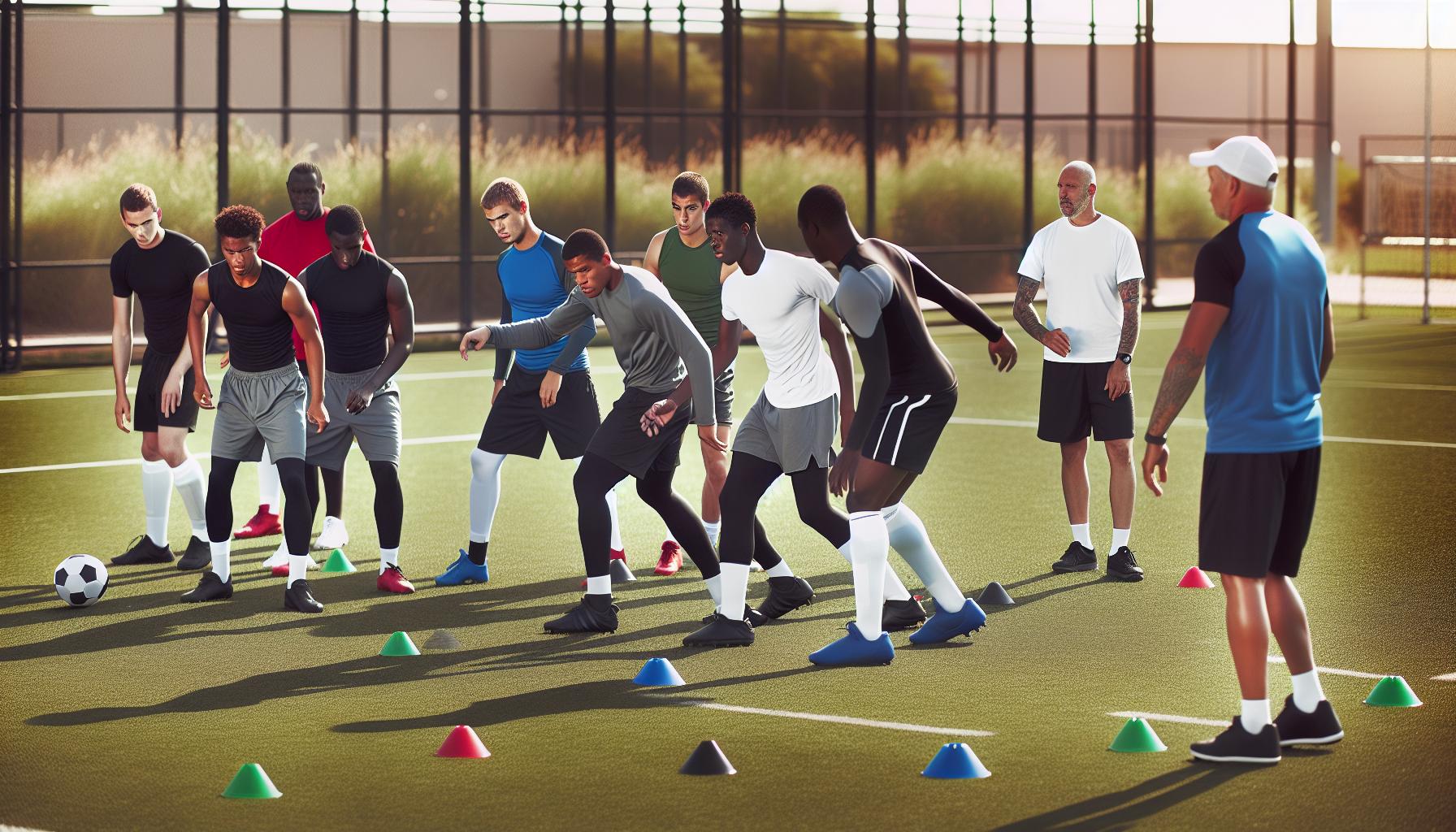
Common Mistakes to Avoid During Titan Machine Practice
Few things stall progress faster than unknowingly reinforcing bad habits during practice. While the Titan pickleball machine is an excellent tool for consistent ball feeding and skill refinement, certain common pitfalls can undermine your gains if left unchecked. Recognizing and avoiding these missteps helps you maximize every session, whether you’re a beginner solidifying fundamentals or a seasoned player pushing advanced drills.
One frequent oversight is neglecting to simulate realistic shot variety and speeds. Relying solely on static ball feeds-like repetitive drives at the same pace and location-may boost muscle memory but doesn’t prepare you for the unpredictable rhythm of live play.The Titan’s adjustable feed oscillation, speed, and spin settings are designed to mimic match conditions. Use these creatively. For example, mixing lobs with drives and occasional short drops not only challenges your footwork but forces decisive shot selection under pressure. Sticking rigidly to a single feed style limits skill transfer and stalls improvement.
Another trap lies in poor court positioning during drills. It’s tempting to “stand still” and focus solely on stroke mechanics when balls come from the machine. However, pickleball demands constant adjustment; shadowing natural movement patterns is crucial. Practice moving into ready positions before each feed, mimicking the dynamic shifts seen in real rallies. This trains both anticipation and endurance.Pair your machine drills with shadow footwork or ball tosses to simulate transition between offense and defense-avoiding stiffness that doesn’t carry over to match play.
For players conscious of budget constraints, it’s vital not to be discouraged by simpler Titan machine models lacking automatic oscillation or programmable sequences. Missing advanced automation doesn’t equal ineffective practice-it just means you’ll invest more in planning diverse drill patterns manually and incorporating live elements. Changing feed speeds by hand, rotating the machine angle between sets, or combining drills with a partner’s feed keeps practice fresh and relevant. The key is thoughtful setup over equipment bells and whistles.
Key Mistakes to Avoid
- Overusing a Single Shot Type: Limits adaptability and slows tactical growth.
- Ignoring Movement Patterns: Reduces drill effectiveness and in-game readiness.
- Setting Unrealistic Drill Speeds: Too fast leads to frustration; too slow dulls intensity.
- Neglecting Warm-Up and Cool-down: Increases injury risk and hampers recovery.
- Failing to Track Progress: Makes it hard to measure improvement and adjust drills.
Approaching Titan machine drills with variety,purposeful movement,and realistic pacing accelerates skill acquisition. Watch for signs of stale routines and challenge yourself with incremental tweaks-like adding spin variation or increasing shot unpredictability. Always combine machine practice with live play, as real opponents inject the unpredictability and pressure that cement growth. Remember: the machine is a brilliant coach-side partner, but not a replacement for full-court match experience. Use it wisely, and improvement follows naturally.
Adjusting Machine Settings for Targeted Shot training
Mastering specific shots during practice hinges on your ability to fine-tune the Titan machine’s settings with purpose. The precision and versatility embedded in features like feed speed, spin control, and oscillation angles transform ordinary drills into highly targeted training sessions that simulate real-game shot varieties. Whether you’re aiming to sharpen your backhand dinks or perfect deep cross-court drives, understanding how to manipulate these variables empowers you to focus relentlessly on particular skills without wasting time on unfocused repetition.
Start by considering the shot type you want to refine and match your machine’s settings accordingly. As an example, slow feeds paired with low or no spin create ideal conditions for practicing delicate drop shots or dinks near the net, reinforcing touch and control. Conversely, upping the feed rate combined with topspin settings challenges your reactions for faster-paced rally shots. Oscillation settings allow you to switch from a fixed position feed for consistent stroke mechanics practice to a wider oscillation range that mimics unpredictable opponent placement,strengthening your court movement and shot adaptability.
Budget considerations frequently enough shape how easily you can program or automatically vary settings, but even titan models without built-in oscillation or spin programs can become powerful practice partners. Simple manual adjustments-like repositioning the machine between drills or altering feed speed between sets-bring diversity to your regimen. For example, setting a sequence of slow, medium, then fast speeds simulates match momentum shifts, while manual spin tweaks help you experience ball behaviors from slice to topspin drives, boosting your tactical awareness on spin-read shots.
Practical Setting Combinations for Targeted Shots
| Shot Type | Feed Speed | Spin Setting | Oscillation | Training Focus |
|---|---|---|---|---|
| Drop Shots & Dinks | Slow (10-15 mph) | minimal/No Spin | Narrow or Fixed | Touch, placement, soft hands |
| Topspin Drives | Medium (25-35 mph) | Medium to High Topspin | Moderate Oscillation | Power control, timing |
| Slice & Backspin Shots | Slow to Medium (15-25 mph) | Slice/Backspin | Fixed or Minimal Oscillation | Shot variety, ball trajectory awareness |
| serving Practice | Variable (30+ mph) | Varied Spin | Fixed Position | Consistent toss, target zones |
| Defensive Lobs | Medium (20-30 mph) | Minimal Spin | Wide Oscillation | Footwork, anticipation |
Incorporating changing drills by tweaking the settings within a session maximizes muscle memory that directly translates into shot-making confidence. Such as, initiate a routine with several minutes focused on soft dinks using low feed speed and no spin, then gradually increase feed speed and add topspin for drive practice. By alternating oscillation widths, you also condition your footwork to respond fluidly to different ball placements-an indispensable edge in match play. Remember, intentional use of each feature magnifies your training impact and keeps plateaus at bay.
track which settings combinations suit your current objectives and skill level. Recording results or feelings after each session helps you refine how you program the machine over time. With consistent experimentation and mindful adjustment, these settings become the bridge between routine practice and real-match preparedness-transforming your Titan machine from a ball feeder into a strategic skill-building partner.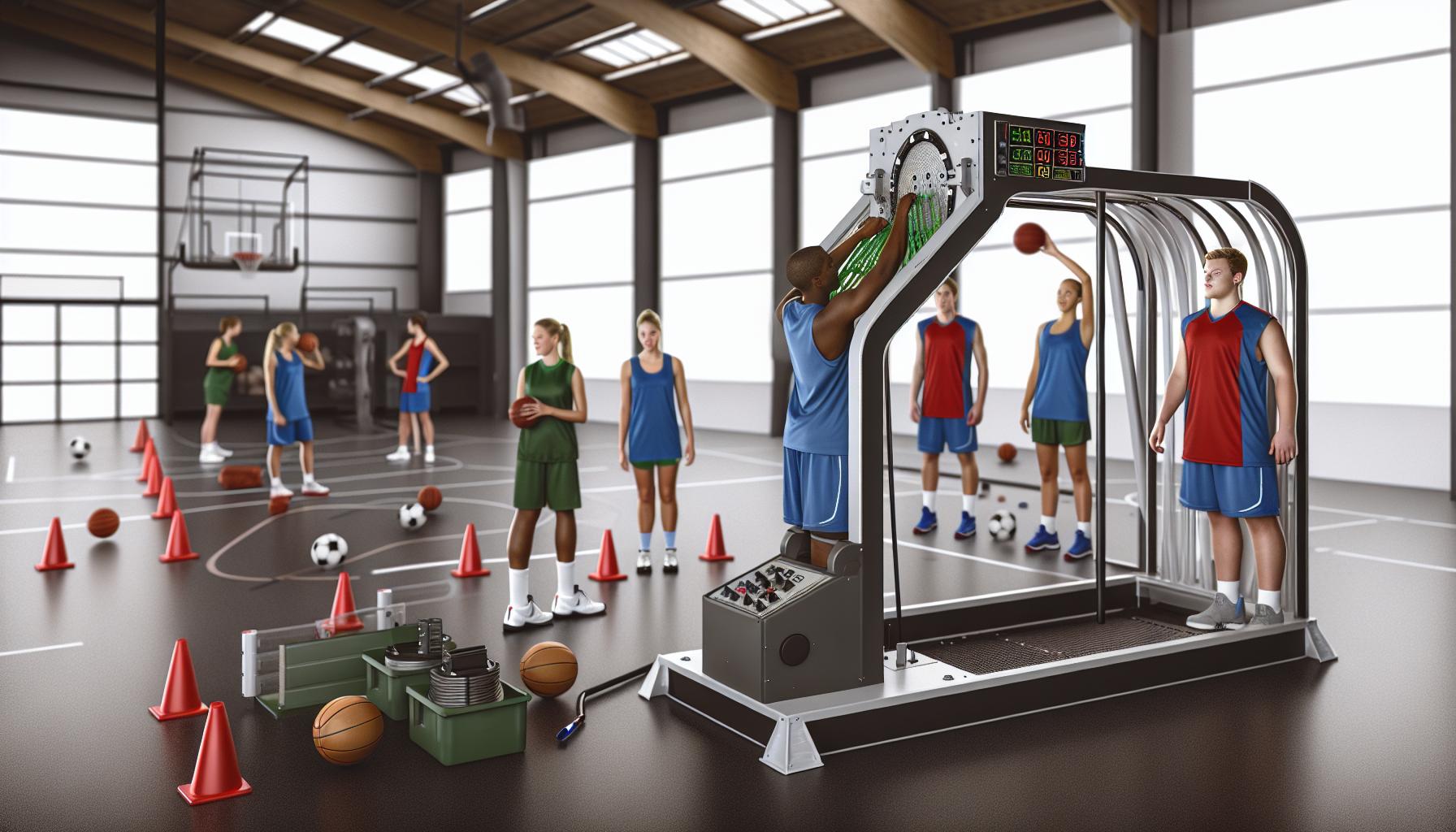
Measuring Progress and Tracking Improvement Effectively
Tracking your progress while training with the Titan pickleball machine transforms practice from mere repetition into a focused, data-driven journey of improvement. Without regular measurement, it’s easy to over- or underestimate the actual gains in your skills, which can stall your development or misdirect your practice priorities. By implementing consistent tracking methods, you ensure every session brings you closer to your goals-whether that’s sharpening your dink accuracy, improving reaction time on drives, or perfecting your serve placement.
One practical way to start is by maintaining a practice journal or digital log where you note key drill parameters like feed speed, spin settings, oscillation width, and duration alongside subjective observations. For example,after a session focused on drop shots at slow feed speeds and minimal spin,jot down how frequently enough you successfully placed the ball within target zones or how consistently you maintained control. Over weeks, these notes reveal patterns: Do you struggle more with spin control under faster feeds? Are your footwork adjustments smoother when oscillation is wider? Awareness like this guides future session programming, making your machine’s versatility work for you rather than against you.
Quantifying improvement: Tools and Techniques
- Video Analysis: Recording drills can definitely help you visually assess stroke mechanics and court positioning. Watching yourself handle balls from the Titan machine at various settings allows pinpointing subtle flaws and tracking iterative improvements.
- Success Rate Metrics: Set specific targets-like completing 8 out of 10 cross-court drives cleanly. Mark your success rate each session and aim for gradual increases to maintain motivation and build consistency.
- reaction and Recovery Time: Use a stopwatch or smartphone app to time your response between feeds,especially during drills with faster speeds and higher oscillation. Improving these times reflects enhanced match readiness.
balancing quantitative data with subjective feedback will give you the clearest picture of progress. You might find that your completion rate for targeted shots only improves significantly when combined with drills emphasizing footwork or mental focus. The Titan machine lets you isolate each variable, so tracking both mechanical execution and your comfort or confidence levels offers the most holistic view.
Simple Progress Tracking Table
| Drill Focus | Settings Used | Success Rate (%) | Notes / Observations |
|---|---|---|---|
| Backhand Cross-Court | Feed: 25 mph; spin: Medium Topspin; Oscillation: Moderate | 75 | Good wrist control but timing needs work under higher speed |
| Drop Shot Variety | Feed: 12 mph; Spin: None; Oscillation: Fixed | 85 | Consistent placement; need to improve touch near sideline |
| Serving Practice | Feed: 35+ mph; spin: Varied; Oscillation: Fixed | 60 | Focus on toss and ball toss height before shot |
Remember that Titan machines vary in sophistication, and budget models might lack automated progress-tracking features. That makes your manual tracking even more valuable. With premium machines offering programmable drills, consider syncing your logs with app-based stats if available, but never underestimate simple pen-and-paper or spreadsheet tracking to cultivate accountability.
by routinely measuring performance and reflecting on your data, each drill becomes a feedback loop: your skill gaps inform machine settings, and your machine settings optimize your workout to fit evolving strengths and weaknesses. This strategic cycle makes your practice time purposeful and your skill improvements visible-not just felt.
Combining Titan Machine Drills with On-Court Play
Nothing accelerates your pickleball progress like blending the precision of machine drills with the unpredictability of live play. While the Titan pickleball machine offers unmatched consistency for honing specific strokes, incorporating these skills into actual match conditions bridges the gap between practice and performance. This fusion helps you develop not just technique, but also court awareness, decision-making, and adaptability – qualities essential for competitive and recreational players alike.
When transitioning from machine drills to on-court play, start by replicating drill scenarios during rally situations. Such as, after mastering cross-court dinks with the Titan machine, practice returning similar shots against a partner or in a drill where your opponent changes shot placement unexpectedly.This method reinforces muscle memory developed during machine training while triggering real-time adjustments to your positioning and shot selection. Consider setting up situational mini-games focusing on the exact shot types or movements drilled, such as drop shots or quick volleys, to sharpen these skills under pressure.
Strategies for Seamless Integration
- Gradual Complexity Increase: Begin with slow-paced drills from the machine,then progressively increase feed speed,spin,and oscillation to match real-game intensity before moving on to partner drills or live rallies.
- Simulate Match conditions: Use the Titan’s programmable settings to mimic opponents’ shot patterns, then test your reactions on court-this contrasts mechanical repetitions with dynamic player responses.
- Footwork and Positioning Focus: Since machines feed balls from fixed locations, supplement practice by moving around the court during on-court play to develop lateral quickness and recovery strategies.
- Mental Mapping: Create mental ‘transition points’ where you switch from machine reps to live play, reinforcing confidence in your ability to execute drilled shots away from the predictability of the machine.
Budget models of Titan machines simplify drills but lack advanced programmability or app integration, making it especially valuable to intentionally practice combining machine sessions with partner drills or match scenarios. Premium models excel by offering customizable shot sequences, which closely simulate opponent behavior, closing the practice-to-play gap more efficiently. Nonetheless of model, balanced training maximizes your investment and prevents plateauing by developing skills transferable to live competitive settings.
Example Drill Progression
| Stage | Activity | focus | Goal |
|---|---|---|---|
| 1 | Titan Machine Drill (Slow feed, fixed oscillation) | Stroke mechanics, shot placement | Build consistency and accuracy |
| 2 | Partner Rally – Controlled Shots | Applying strokes under mild pressure | Improve timing and footwork |
| 3 | Machine Drill (Faster feed, random oscillation) | Reaction and adaptability | Enhance response speed and spin control |
| 4 | Live Match Simulation | Shot selection, decision-making | Develop tactical awareness |
Ultimately, creates a extensive training ecosystem. You harness the machine’s precision to isolate and perfect skills, then validate and adapt those skills in real-time gameplay. This synergy transforms isolated practice into effective, match-ready performance. It’s a balanced approach every pickleball enthusiast can appreciate-whether stepping onto the court for leisure or competing to win.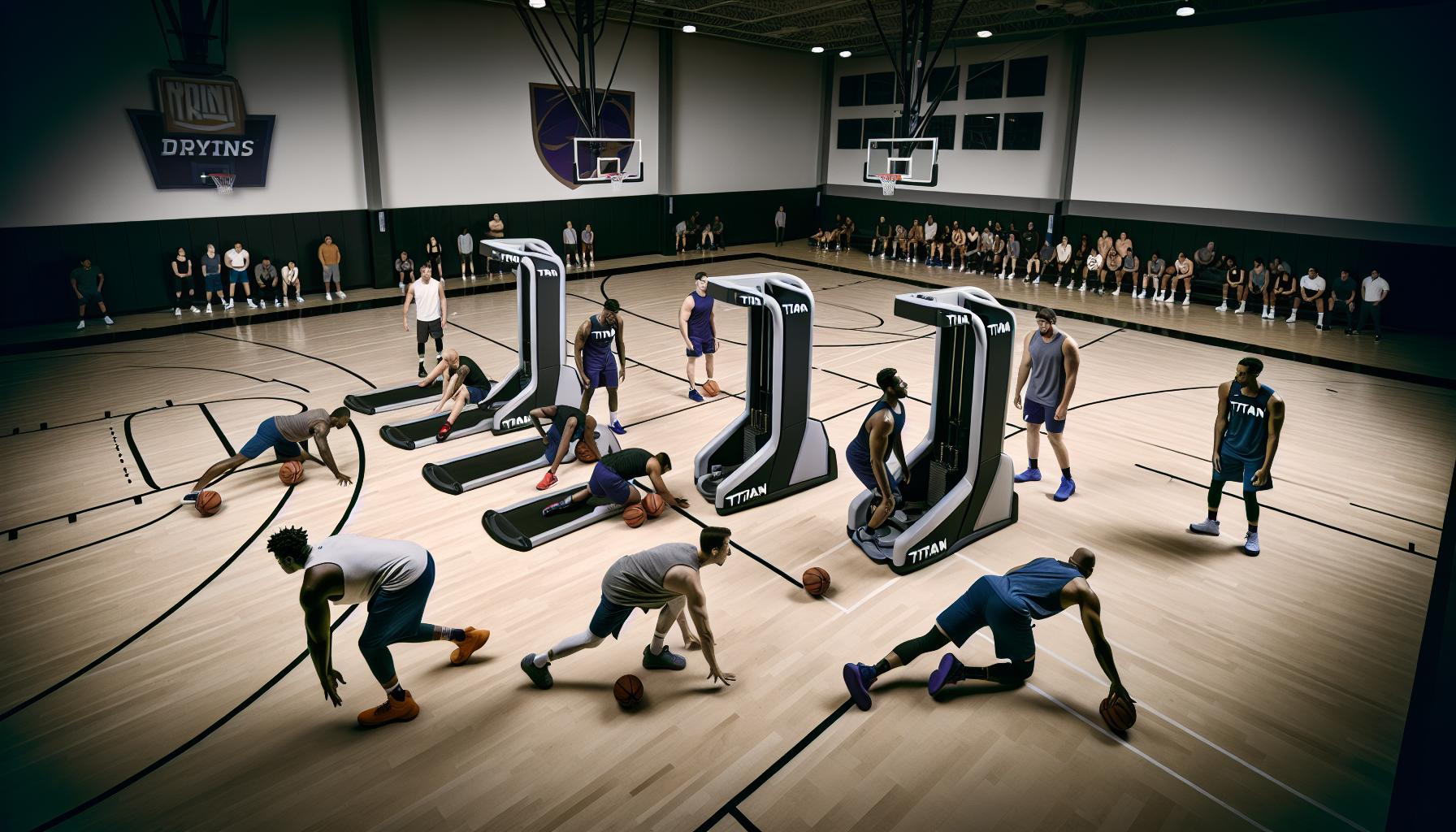
FAQ
Q: How can I customize Titan pickleball machine drills for different playing styles?
A: You can customize Titan pickleball machine drills by adjusting shot speed, ball placement, and spin features to match your preferred playing style-whether baseline, net-focused, or all-court. Experimenting with different settings enhances the effectiveness of practice and simulates diverse match scenarios. Check the section on *Adjusting machine Settings for Targeted Shot Training* for detailed tips.
Q: What is the best way to integrate Titan machine drills into a weekly pickleball training routine?
A: The best approach is to allocate 2-3 focused sessions per week using titan drills, mixing skill-building routines with match-simulation drills. Balancing machine practice with on-court play optimizes improvement, as outlined in *Combining Titan Machine Drills with on-Court Play*. Consistency and gradual intensity increase boost performance effectively.
Q: Why should I include footwork drills alongside Titan pickleball machine shot practice?
A: Including footwork drills complements the Titan machine’s shot training by improving court movement and positioning, essential for reacting to varying shot speeds and angles. Combining these drills enhances agility and match readiness, supporting progress described in *15 Essential practice Routines to Master with Titan Machine*.
Q: How do Titan pickleball machine drills help reduce reaction time during competitive play?
A: Titan machine drills improve reaction time by consistently delivering varied shot speeds and directions, forcing your reflexes to adapt quickly. regular use trains neural and muscular responses, essential for competitive play. See *Optimizing Drill Intensity for Maximum Skill Improvement* to maximize these benefits.
Q: When is the ideal time to increase difficulty level on the Titan pickleball machine drills?
A: Increase difficulty once you consistently complete drills with correct technique and minimal errors. signs include faster reaction times and improved shot placement. Gradually ramping up speed and complexity prevents plateauing. For guidance, refer to *Advanced Drill Variations for Competitive Players*.
Q: What are some troubleshooting tips if my Titan pickleball machine drills feel repetitive or ineffective?
A: To avoid drill monotony, vary shot types, speeds, and angles regularly. Incorporate real-game scenarios or combine machine drills with partner practice to maintain engagement. Review *Common Mistakes to Avoid During Titan Machine practice* for troubleshooting strategies that keep your routine challenging and productive.
Q: How can beginners safely use Titan pickleball machine drills to prevent injury?
A: Beginners should start with low-intensity drills, focus on proper form, and take frequent breaks to avoid overuse injuries. Gradually increase intensity only after mastering basic skills. Consult *Choosing the Right Drills for Your Skill Level* for a safe progression plan tailored to newcomers.
Q: Where can I track and analyze progress while practicing with Titan pickleball machine drills?
A: Use a training journal or digital apps to log drill types, settings, reps, and performance feedback. Tracking improvements supports motivation and identifies areas needing focus. See *Measuring Progress and Tracking Improvement effectively* for recommended methods and tools to optimize your practice routine.
Key Takeaways
Mastering your game with the Titan Pickleball Machine drills means you’re building consistent technique, strategic shot variety, and on-court confidence-all crucial for players from beginners to advanced competitors. These 15 essential practice routines optimize your training time and improve key skills, making every session productive and purposeful. Don’t wait to elevate your play-start integrating these targeted drills today and watch your performance sharpen faster than ever.
Ready to take your pickleball journey further? Explore our detailed guides on pickleball fundamentals and discover how to adapt drills for real match scenarios. For those interested in competitive play, check out upcoming APP Tour events to see these skills in action or find inspiration for your next challenge. Sign up for our newsletter to receive expert tips, gear reviews, and exclusive training updates to keep you ahead of the game.
if you have questions about equipment choices, skill level progressions, or drill customizations, comment below or connect with our community of dedicated players and coaches. Your best pickleball performance is within reach-equip yourself with the right tools and practice routines today, and transform your game with confidence and clarity.
Get our latest guides, news, and insights highlighted in your Google Search & AI Overviews.