If you’re diving into pickleball training and already own a tennis ball machine, you might wonder: can the same machine handle pickleballs effectively? Understanding compatibility between tennis ball machines and pickleballs can save you money and enhance your practice sessions. This guide breaks down what works, what doesn’t, and practical options for players of all levels-whether you’re a budget-conscious beginner or a serious competitor looking to sharpen your skills quickly. Knowing how to adapt or upgrade your equipment helps you get the most from your training time without surprises or wasted investment. Stay with us as we explore the real-world trade-offs, machine adjustments, and key factors that determine if your tennis ball machine can become a pickleball practice powerhouse.
Tennis Ball Machines vs. Pickleball Machines: Key Differences
Tennis ball machines and pickleball machines serve the same basic purpose-delivering consistent shots to enhance practice-but their designs reflect the unique demands of each sport.While tennis balls are larger, heavier, and bounce differently than pickleballs, machines tailored for each must accommodate these differences. This means the mechanism, feed rate, speed settings, and ball size compatibility vary substantially. Understanding these distinctions helps players select the right machine to improve their skills effectively.
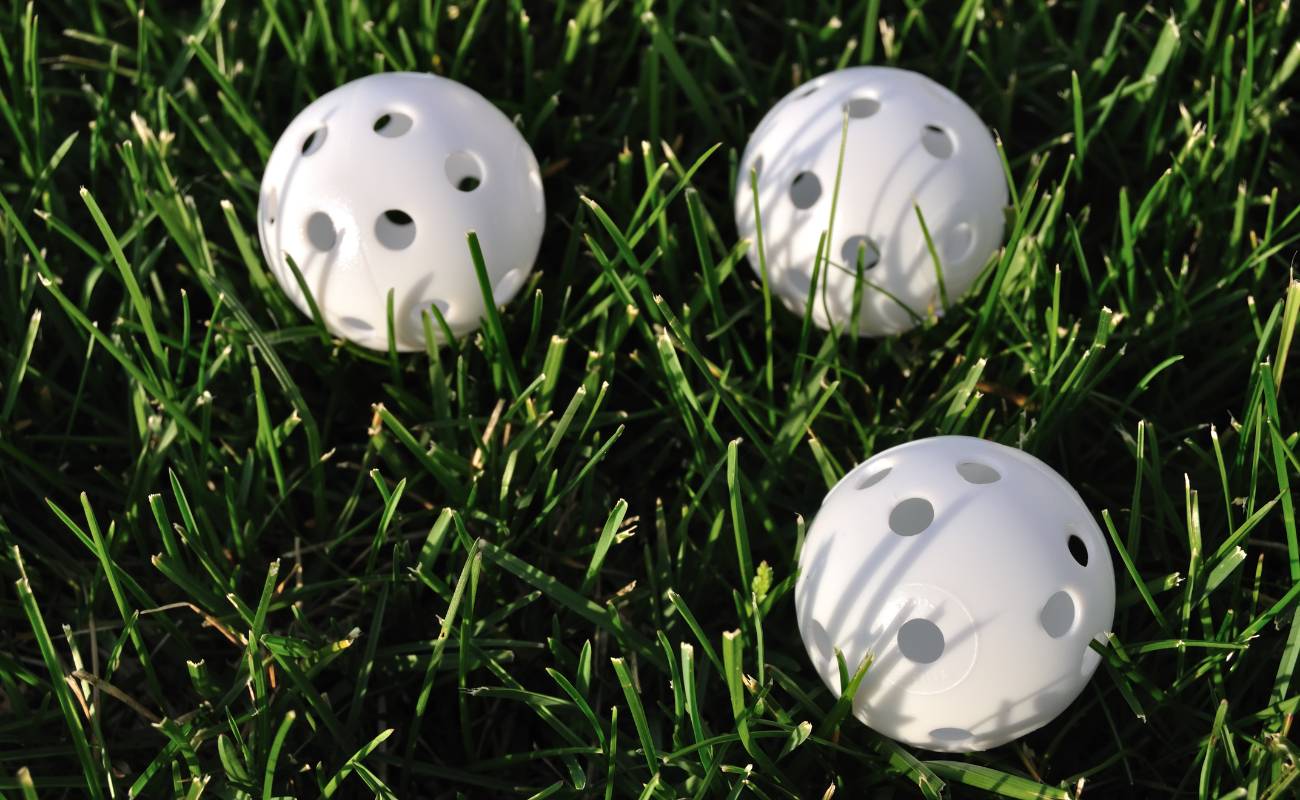
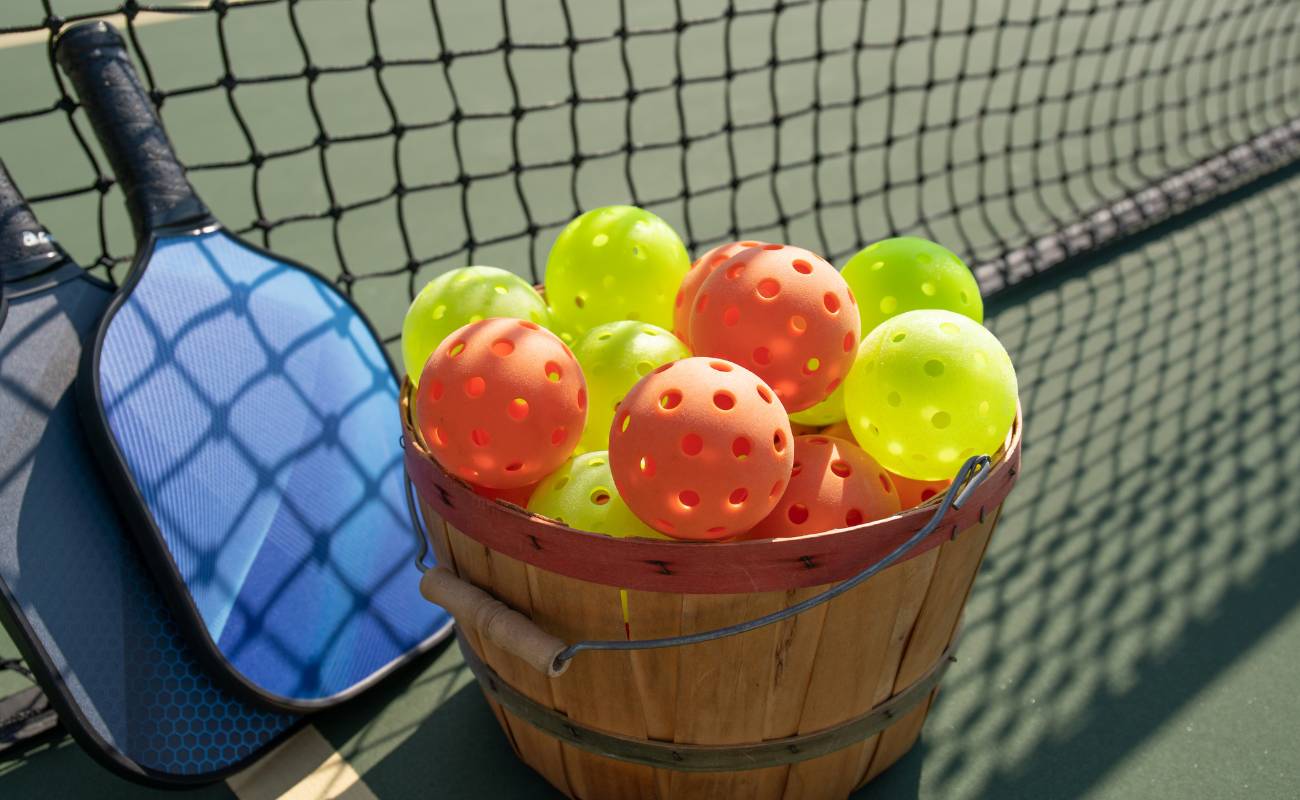
Pickleball balls are smaller, lighter, and have holes, which affect how thay fly and how they need to be launched. Tennis ball machines are typically built with larger launch wheels or oscillators designed to grip and propel standard tennis balls, which may make firing pickleballs challenging without modifications. On the other hand,pickleball machines use gentler feeders and often feature adjustable launch angles and speeds optimized for the slower,lighter ball to replicate realistic game scenarios.
The feeding system is a critical differentiator.Tennis machines often have powerful motors and faster speeds,necessary for simulating high-velocity tennis shots. This power, however, can cause pickleballs to jam or break if forced through unmodified systems. By contrast, pickleball machines are engineered for precision and lower speeds, reflecting pickleball’s focus on control and placement rather than sheer power.
Key Differences at a Glance
| Feature | Tennis Ball Machines | Pickleball Machines |
|---|---|---|
| Ball Size Compatibility | Designed for 2.57-2.70 inch diameter tennis balls | Designed for smaller 2.87 inch diameter pickleballs with holes |
| Ball Feeding Mechanism | Strong feeders with pinch rollers suited for felt-covered balls | Softer, more delicate feeding systems to avoid ball damage |
| Launch Speed & Spin | High-speed capabilities with topspin & slice options | Lower speeds with emphasis on control, realistic pickleball flight |
| Durability with Balls | Potential damage/jamming when used with pickleballs without mods | Optimized to prevent pickleball wear and tear |
| Use Case Focus | Built for long rallies, power training, and heavy spin | Aimed at placement drills, reaction time, and shot variety |
Even for cost-conscious players or coaches who want to stretch their equipment, knowing these mechanical and performance contrasts is crucial before attempting to use a tennis machine for pickleball balls. Some hybrid or adjustable ball machines now exist on the market, offering versatile features such as adjustable wheel gaps and speed control to accommodate both sports, but these tend to be premium units designed with thoughtful engineering to mitigate ball damage and maintain consistent delivery.
Approaching your practice with the right machine builds confidence faster and reduces frustration. Whether you’re a beginner easing into pickleball or a seasoned player seeking precise drills, choosing equipment that respects the unique ball properties creates a smoother training experience and better skill transfer to live play [[1]](https://blog.oncourtoffcourt.com/the-best-ball-machine-for-tennis-and-pickleball/) [[2]](https://www.doittennis.com/oncourtoffcourt/infinity/play-system-for-tennis-and-pickleball-with-multi-twist-mini-ball-machine?srsltid=AfmBOooqZ5SQJ_h2mEtdWH-kQpcLd4XQSnIlprCRL34EprXKV1FuAUI-) [[3]](https://oncourtoffcourt.com/pickleball/machines/?srsltid=AfmBOopZiSxdTuuoLwStZLhp2L735QT52vEL24A41125oHA1BKCQL7El).
Can Standard Tennis Ball Machines Launch Pickleballs?
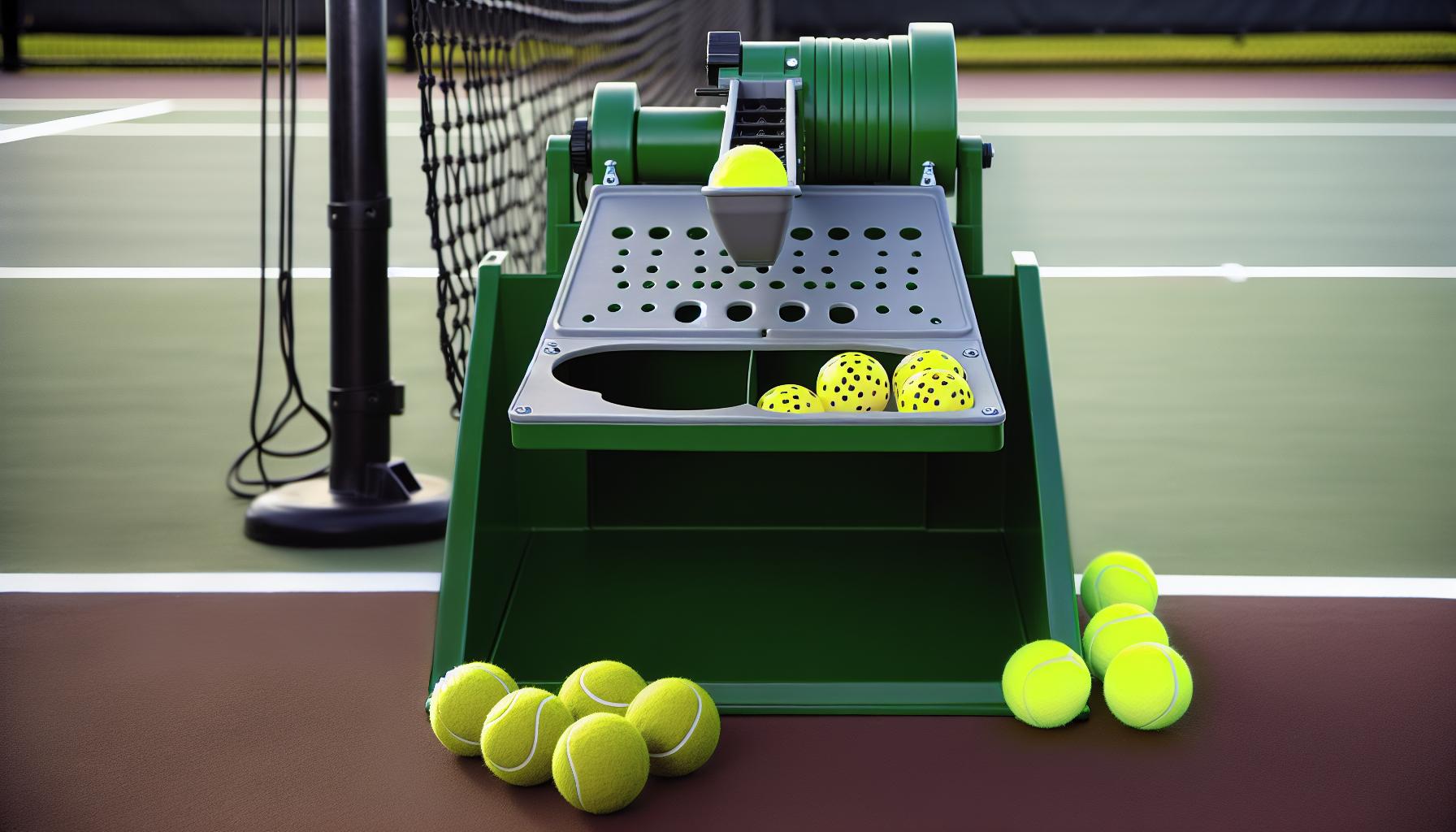
Many pickleball players wonder if their existing tennis ball machine can double as a pickleball launcher, especially when budget constraints or limited space push them to maximize gear versatility. The short answer is: yes, some standard tennis ball machines *can* launch pickleballs, but not without important caveats. Tennis machines are primarily engineered to handle heavier, felt-covered tennis balls, which means their feeding systems, launch wheels, and speed controls often aren’t ideally suited for lighter, perforated pickleballs. without modification or the right model choice, you could face issues like ball jams, inconsistent shot delivery, or even damage to the pickleballs.
For beginners or budget-conscious players, using a tennis machine for pickleball practice might initially seem like a practical workaround. However, the unique physical qualities of pickleballs – such as their lower weight, smaller size, and holes that affect airflow – mean they behave very differently when propelled. tennis machines typically have larger wheels spaced and calibrated for 2.7-inch tennis balls, whereas pickleballs measure roughly 2.87 inches in diameter but are hollow and much lighter, causing them to react unpredictably under the stronger grip and faster speeds tennis machines generate.
When Tennis Machines Can work with pickleballs
- Adjustable speed and wheel gap: Some advanced tennis machines allow users to fine-tune the wheel distance and lower speed ranges sufficient to fire pickleballs gently and consistently.
- Gentler feeding mechanisms: Models featuring softer feeders or customizable feed rates reduce the risk of crushing or jamming the more fragile pickleballs.
- Hybrid or multi-sport machines: A few modern units are purpose-built to toggle between tennis and pickleball modes, with settings optimized for both types of balls.
However, for many standard tennis machines-especially older or entry-level models-the fixed wheel gap and powerful motors can cause pickleballs to get stuck in the feeding system or be launched erratically, which interrupts your practice flow and may damage the balls. Without proper adjustment, you might encounter:
- Jamming due to the smaller ball passing loosely between larger wheels.
- Unpredictable trajectories caused by excessive spin or velocity mismatched to the ball’s light weight.
- Increased wear on pickleball surfaces or machine components not designed for their unique structure.
For example, a tennis machine designed to simulate heavy topspin shots at high speeds can overpower the delicate pickleball’s flight, making it difficult to work on realistic shot placement or reaction drills. Players looking for smooth, control-oriented drills typically find that pickleball-specific machines better replicate game play.
In a nutshell,before assuming your tennis ball machine will suffice for pickleball use,consider your skill level and practice goals. Casual players experimenting on a budget may find usable success with careful wheel gap adjustments and slower speeds. Competitive players or those serious about pickleball drills will benefit from dedicated pickleball machines or versatile hybrids that respect the ball’s characteristics for reliable, enjoyable practice [[1]](https://spinshotsports.com/products/spinshot-player-pickleball-machine) [[2]](https://blog.oncourtoffcourt.com/the-best-ball-machine-for-tennis-and-pickleball/) [[3]](https://oncourtoffcourt.com/pickleball/machines/?srsltid=AfmBOopZiSxdTuuoLwStZLhp2L735QT52vEL24A41125oHA1BKCQL7El).
Adjusting Tennis Ball Machines for Pickleball Use
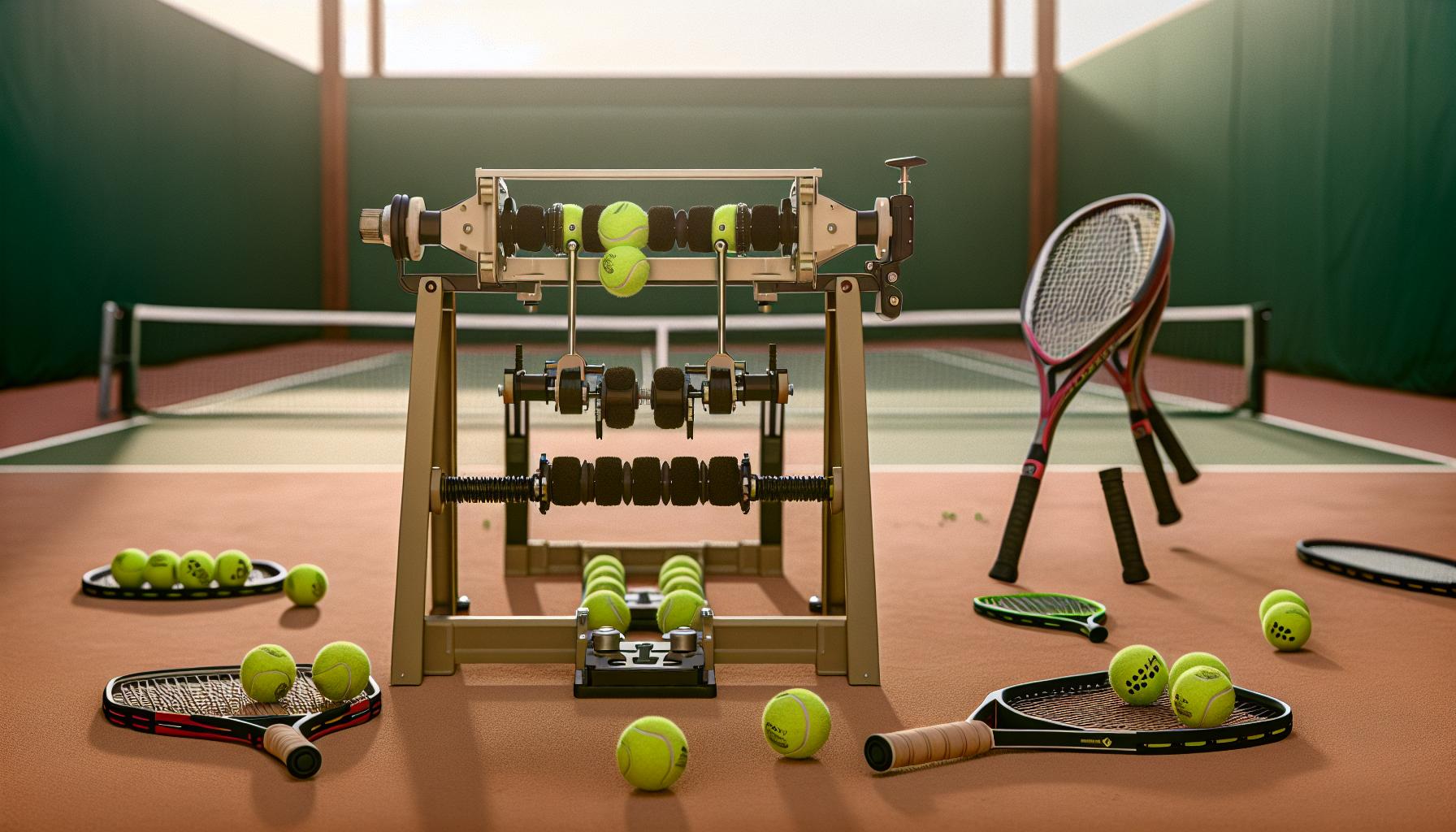
Tennis ball machines, with their robust design tailored for heavier, felt-covered tennis balls, can be coaxed into launching pickleballs-but it takes thoughtful adjustment and patience. The key lies in tempering the machine’s usual power and fine-tuning its feeding system to handle the lighter, perforated pickleballs without damage or frustration.For players eager to make the most of existing equipment, these adjustments unlock new practice possibilities without the immediate need for a dedicated pickleball machine.
Start by examining the wheel gap on your machine, as this determines how tightly the ball is gripped and launched. Tennis balls measure about 2.7 inches and require bigger gaps; pickleballs at roughly 2.87 inches-but hollow and much lighter-need a smaller, more precise wheel spacing to prevent slipping or erratic flight. If your machine allows, gradually narrow the distance between launch wheels until the pickleball feeds smoothly without jamming or crushing. this delicate balance may require some trial and error, but it pays off by preserving ball integrity and improving shot consistency.Speed settings also play a critical role. Pickleballs are more susceptible to excessive velocity and spin, which can cause unpredictable ball behavior or rapid wear. Dial down the speed to the lowest possible setting, enabling softer, slower shots better suited for pickleball’s lighter composition. Similarly, adjusting the feed rate or using gentler feeding mechanisms reduces pinch points where pickleballs might get stuck or damaged. Some advanced tennis machines offer customizable feed controls or softer feeders-features that can significantly enhance pickleball compatibility.
Practical Tips for a Smooth Transition
- Test with a small batch: Start with a few pickleballs through the machine to monitor feeding and shot quality before a full session.
- Observe ball wear: Check pickleballs regularly during drills to ensure wheels aren’t crushing their surface.
- Adjust shot types: Use gentle flat shots or low topspin settings as heavy topspin often overwhelms pickleball flight.
- Consider hybrid models: Machines designed with both tennis and pickleball in mind can simplify adjustments or use preset modes optimized for pickleballs.
By embracing these calibration steps, players benefit from expanded practice options without investing immediately in pickleball-specific gear. While not perfect substitutes, well-adjusted tennis ball machines can support basic drill work, ball control exercises, and reaction time training for casual to intermediate pickleball players. Remember, meticulous wheel and speed tuning are the linchpins of success-overpowering or loose settings quickly lead to erratic shots or equipment strain. Balancing your budget with your practice needs and skill level will help decide how much effort to invest in tweaking versus acquiring a dedicated machine [[1]](https://oncourtoffcourt.com/pickleball/machines/?srsltid=AfmBOopZiSxdTuuoLwStZLhp2L735QT52vEL24A41125oHA1BKCQL7El) [[3]](https://blog.oncourtoffcourt.com/the-best-ball-machine-for-tennis-and-pickleball/).
Best Tennis Ball Machines Compatible with Pickleball
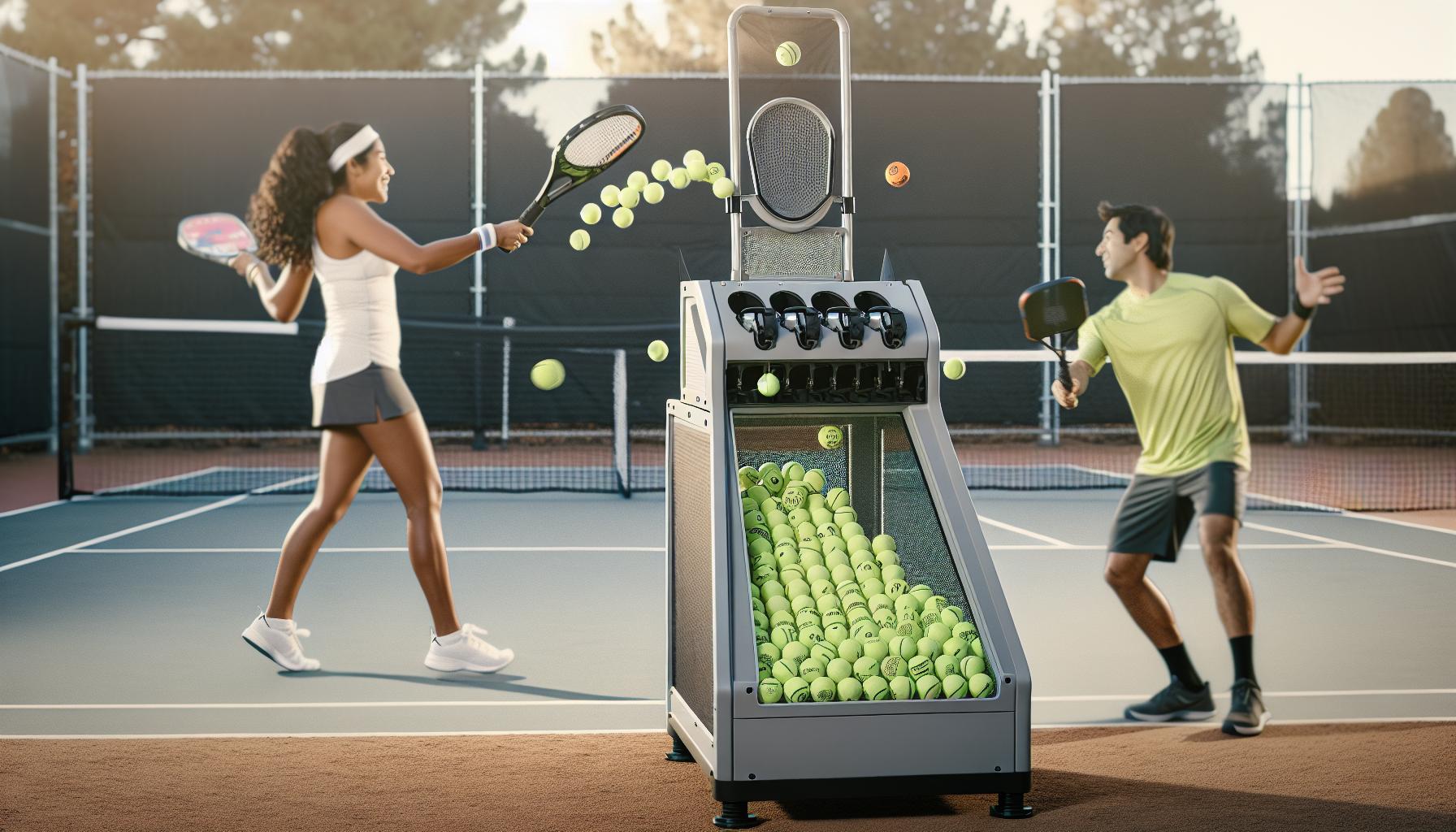
Picking the right tennis ball machine for pickleball practice can be a game-changer, especially for players who want to maximize versatility without immediately investing in a dedicated pickleball machine. Certain tennis ball machines stand out because they offer adjustable wheel spacing, customizable speed controls, and softer feeder mechanisms-features essential for handling the lighter, hollow pickleballs without causing damage or erratic ball flight.
Among the most adaptable machines are models from reputable brands that explicitly note their compatibility or hybrid function for pickleball use.for example, the Titan ACE Pickleball and Tennis Machines are designed with an all-in-one approach, allowing users to toggle settings specifically optimized for pickleballs or tennis balls. This kind of duality is fantastic for players who switch between sports or have multi-sport training needs [3].Other high-quality machines provide incremental wheel gap adjustments and slower, gentler ball feed speeds-both critical modifications to ensure smooth feeding and consistent launches when pickleballs are in play.
Top Features to prioritize when Choosing a Tennis Ball Machine for Pickleball
- Adjustable Launch Wheels: Machines that allow fine-tuning of wheel spacing reduce crushing and slippage, enhancing consistent ball trajectory for pickleballs.
- Variable Speed Controls: Low minimum speeds are vital since pickleballs are lighter and more prone to erratic flight at high velocity.
- Soft Feed Mechanisms: smoother feeding systems minimize jams and surface degradation on pickleballs.
- Battery Life and Portability: Many pickleball players train in varied locations; a reliable battery and manageable weight help keep practice efficient.
- Preset Pickleball modes: Some newer hybrid machines feature dedicated pickleball programs eliminating guesswork on settings.
Comparing Notable Tennis Ball Machines Compatible with Pickleball
| Model | Wheel Adjustability | Speed Range | Feed system | Pickleball Features | Approximate Price |
|---|---|---|---|---|---|
| Titan ACE Hybrid | Yes, precise fine-tuning | slow to fast (adjustable) | Gentle, programmable feed | Pickleball mode presets | $1,600+ |
| Jugs Lite Machine | Limited adjustments | moderate – no ultra-low | Standard feed, manual tuning | No dedicated pickleball mode | $1,100+ |
| Spinshot Plus | Moderate wheel adjustment | Very low to high speed | Adjustable feed rate | Some pickleball adaptability | $1,700+ |
While pricier models like the Titan ACE command a premium, their pickleball-ready settings frequently enough justify the investment for serious players seeking reliable, precise practice. On the other hand, more budget-amiable machines can still be coaxed into launching pickleballs with patience and trial adjustments, provided users pay close attention to wheel spacing and speed controls.
Real-world experience shows that tactile tweaks and ongoing observation during practice sessions are indispensable. Start conservatively-slow speed, wider wheel gap-and gradually narrow and slow until the machine feeds pickleballs smoothly and shoots them with consistent, predictable flight paths.This hands-on approach makes otherwise standard tennis ball machines valuable allies in pickleball skill progress.
By choosing machines with flexible features and pairing them with careful adjustments, players at every level can expand their training arsenal effectively, delaying or even avoiding the immediate need for separate pickleball-specific equipment. This practical blend of adaptability and customization opens doors to enriched practice sessions and faster skill progression without breaking the bank [3].
Essential Features for Pickleball Practice Machines
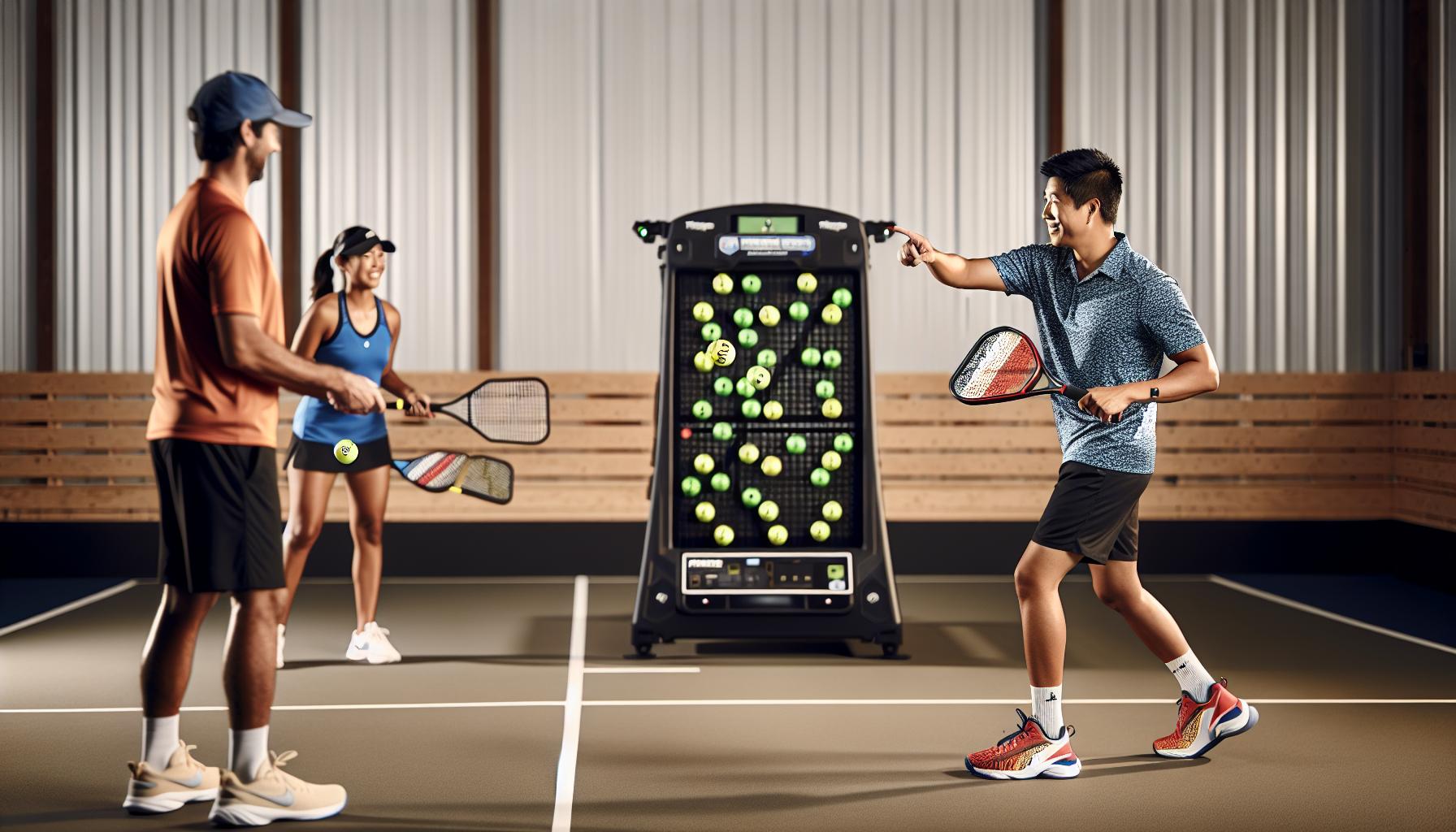
Choosing the right ball machine setup for pickleball practice can dramatically accelerate skill growth and provide consistent, focused reps that are often hard to achieve otherwise. Not all machines are created equal when it comes to launching the lightweight,hollow pickleballs,so understanding what features truly matter helps you make an informed investment. Whether you’re a weekend warrior or a striving tournament competitor, the equipment should support your skill level and budget without compromising ball flight consistency or causing string and ball damage.
Key Functional Features That Elevate Pickleball Practice Machines
- Adjustable Launch Wheels: Precision in wheel spacing is critical. Too narrow, and the pickleball can be crushed or deformed; too wide, and it might slip, causing erratic trajectories. Machines that allow fine incremental adjustments in wheel gap give you the control to dial in the perfect release pressure for consistent ball flight.
- Variable Speed Ranges with Low Minimums: Unlike heavier tennis balls, pickleballs respond best to slower initial speeds since their light weight makes high velocities unpredictable. Machines capable of slow, steady launches help players practice soft touches and perfect placements essential for dink shots and drop shots in pickleball.
- Gentle Feed Mechanisms: The feeder system should smoothly and delicately push balls into the launch wheels.Aggressive feeding risks jamming or scuffing the surface of hollow pickleballs, which can affect bounce and flight. Opt for machines known for reliable, low-impact feeding to maintain ball integrity over time.
- Dedicated Pickleball Modes or Presets: some hybrid machines now include preset settings specially calibrated for pickleballs. These modes automatically adjust wheel tension, speed, and feed rate, removing guesswork and reducing setup time-ideal for players who want consistent, plug-and-play performance.
- Reliable Battery Life and portability: Training locations frequently enough vary, so a long-lasting battery combined with manageable weight and compact design makes sessions more flexible and less of a hassle. This is especially critically important for casual players who don’t want technical interruptions to disrupt momentum.
Balancing Budget Constraints and Performance Needs
Entry-level machines may lack precision wheel adjustments or dedicated pickleball presets but can still be adapted with patient tweaking of speeds and feed rates.For example, you might start with a wider launch wheel gap and slow feed speed, gradually narrowing the gap while monitoring ball flight. On the flip side, premium models like the Titan ACE deliver refined control and pickleball-ready programming that justify their price tag for serious players committed to consistent practice.
over time, user experience reveals that no machine is “set it and forget it” out of the box when switching from tennis balls to pickleballs. Frequent hands-on adjustments and close observation during drills are your best allies to ensure the machine consistently launches the lighter pickleballs without crushing or erratic flight.
| Feature | Importance | Effect on Pickleball Practice |
|---|---|---|
| Adjustable launch wheel gap | High | Prevents ball damage and ensures consistent shot trajectory |
| Variable speed controls (especially slow speeds) | High | Enables realistic shot pace and better control drills |
| Soft feed mechanism | Medium to High | Reduces jamming and preserves pickleball surface |
| Preset pickleball modes | Medium | Saves setup time, ensures reliable performance for all skill levels |
| battery life & portability | Medium | Increases convenience for on-court training sessions |
Ultimately, the best pickleball practice machines are those that strike a balance between versatility, gentle ball handling, and easy adjustability. Such machines empower every player-from beginner to advanced-to tailor their practice environment closely to on-court realities. Taking the time to understand and prioritize these essential features transforms your machine from just a gadget into a trusted training partner that truly enhances your pickleball journey.
How to Modify Tennis ball Settings for Pickleball Drills
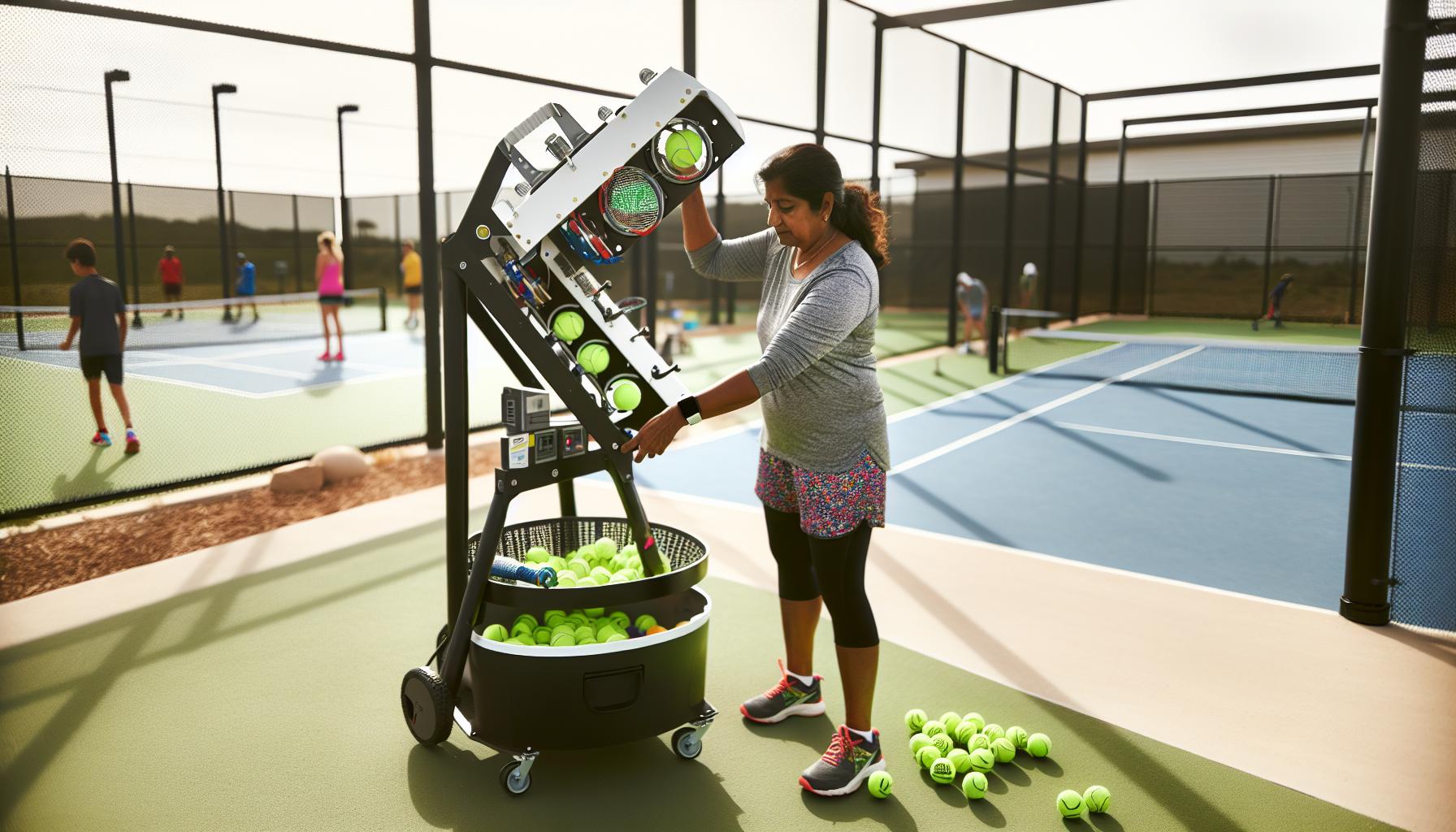
Using a tennis ball machine for pickleball drills requires thoughtful adjustments to avoid damaging the lighter, hollow pickleballs and to achieve a realistic play experience.Many tennis machines weren’t originally built for pickleballs, which react differently due to their size, texture, and weight. However, with intentional tuning, you can transform a standard tennis ball machine into a useful pickleball training tool that suits players across all skill levels.
Essential Settings Tweaks for Safe and Consistent Pickleball Launches
Start by widening the launch wheel gap on your machine. Tennis balls need more compression to achieve proper spin and velocity,but pickleballs can get crushed if the wheels are too close. Increasing this gap will help maintain the integrity of pickleballs and prevent deformities that cause erratic flight patterns.
Next,dialing down the launch speed is critical. Pickleballs are significantly lighter and catch wind more easily, so launching at slow to moderate speeds not only mimics typical pickleball rallies better but also enhances shot control during practice. As a notable example, drop shot and dink drill simulations benefit from consistent, soft feeds rather of fast, high-velocity launches common in tennis drills.
Fine-Tuning Ball Feed and Spin for Pickleball-Specific Practice
- Soften the ball feed mechanism: Adjust the feeder speed and intensity to a gentler setting. Aggressive or abrupt feeds often cause jamming or scuffing of pickleballs, which affects bounce and lifespan.
- Adjust spin settings carefully: While topspin and slice add variety to drills, extreme spin can destabilize the hollow pickleball’s flight. Start with mild, controllable spin and incrementally increase as you observe ball behavior.
- Experiment with oscillation and trajectory: To simulate real-game conditions, set oscillation patterns that match common pickleball shot placements-low and slow crosscourt dinks or short serves, for example.
| Adjustment | Recommended Setting | Reason |
|---|---|---|
| launch Wheel Gap | Wider than tennis ball setting (incremental adjustments) | Prevents crushing, improves consistent flight |
| Ball Speed | Slow to moderate (lower end of machine range) | Better control, realistic pickleball pace |
| Feed Rate | Slow and gentle | Reduces ball damage and jamming |
| Spin | Mild topspin or backspin | Keeps ball stable without erratic movement |
| Oscillation | Custom patterns matching pickleball court zones | Encourages diverse shots for skill building |
Practical tips: Adjust and Observe
Precision in tuning comes from trial, error, and careful observation. After initial adjustments, continuously monitor how the pickleballs behave on launch. Check for any signs of ball deformation or inconsistent trajectories.Adjust one setting at a time and take notes. Over time,you’ll learn the sweet spot for your specific machine model and balls.
For players on a budget using entry-level machines without dedicated pickleball modes, this hands-on approach maximizes value and usability. Conversely, higher-end models with preset pickleball settings greatly simplify setup but still benefit from small personalized tweaks based on your style and training focus.
Remember, adapting a tennis ball machine for pickleball is not a one-time fix. It requires ongoing adjustments to accommodate different ball types, weather conditions, and skill development goals. By understanding and modifying your machine’s speed, feed, wheel gap, and spin, you gain a versatile training partner that will elevate your pickleball skills efficiently and safely.
Pros and Cons of Using Tennis Ball Machines for Pickleball
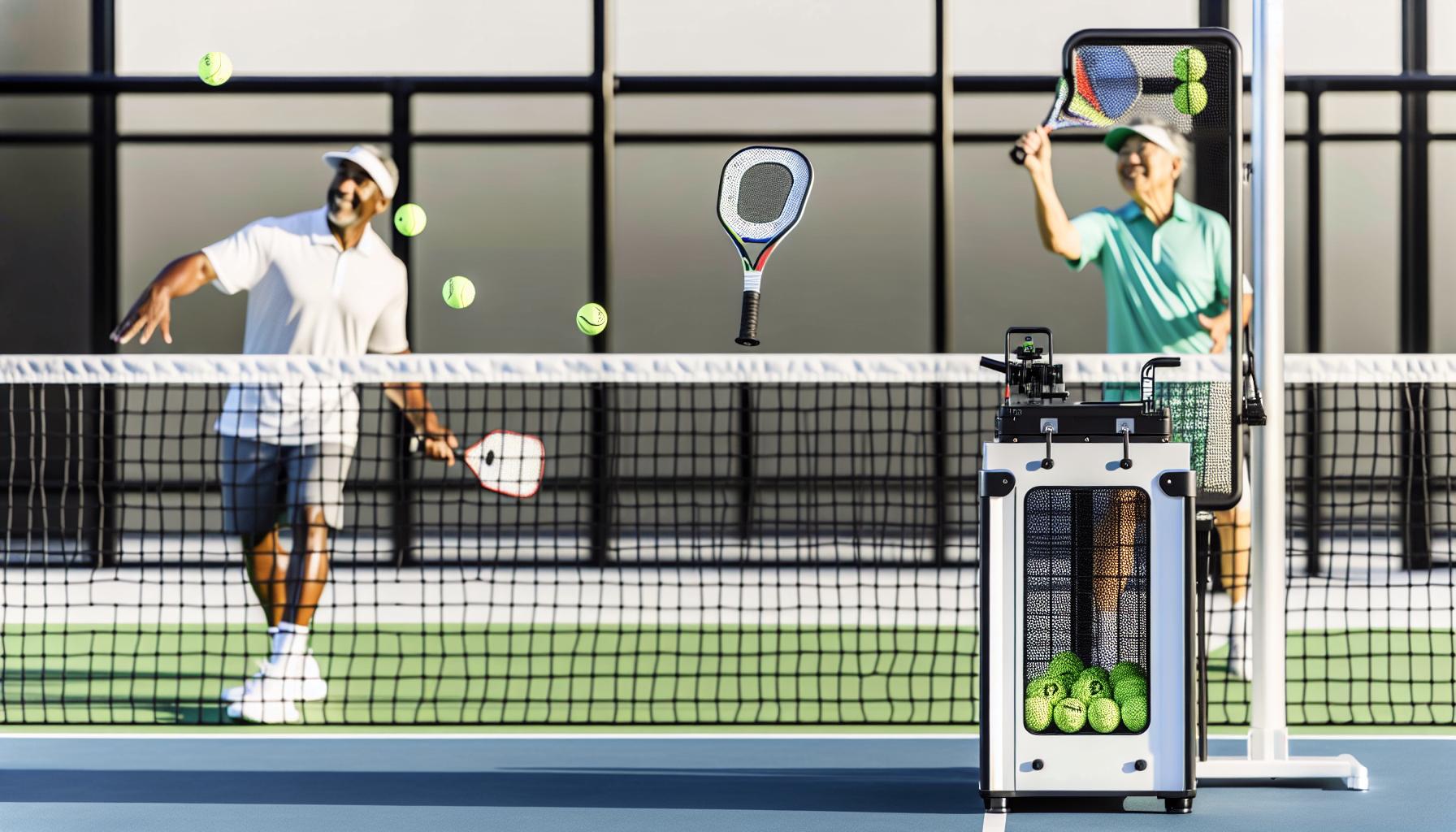
picking the right training tool can often be a balancing act between functionality, budget, and convenience. Tennis ball machines offer an appealing starting point for many pickleball players, especially those stepping up their game and seeking affordable, versatile practice options. However, using a tennis ball machine for pickleball isn’t always straightforward; while it can open new training possibilities, it also introduces some trade-offs worth understanding.
Tennis ball machines generally handle heavier,larger balls designed for harder impacts,which means their default settings and build aren’t optimized for the fragile,lightweight pickleball. On the plus side, many machines can be carefully adjusted-widening the launch wheel gap, slowing feed speeds, and moderating spin-to deliver consistent pickleball drills without crushing or distorting the balls. This adaptability makes tennis machines a solid choice for players on a budget or those who want a “two-sport” device.For example, casual pickleball enthusiasts who also play tennis can justify investing in a single machine rather than two specialized units. Plus, reputable brands often back their machines with solid warranties and customer support, adding peace of mind if you’re experimenting with pickleballs on a tennis platform.
On the flip side, this cross-compatibility isn’t perfect. Even with careful adjustments, some tennis ball machines may still cause premature pickleball wear, irregular flight paths, or jamming issues that disrupt practice flow. The hollow, dimpled surface of pickleballs reacts differently to spin and launch force, sometimes leading to unpredictable bounces compared to purpose-built pickleball machines. This can limit the range of drills you can trust for accuracy-spins might need to stay mild, and top speeds are usually much lower than tennis drills. For competitive players or coaches seeking precise shot placement and consistent rhythm, investing in a dedicated pickleball ball machine that offers tailored speed profiles, oscillation patterns, and ball-specific feeding mechanisms often provides better long-term value despite the higher upfront cost.
| Aspect | Pros | Cons |
|---|---|---|
| Cost Efficiency | Lower initial investment if you already own a tennis machine; multi-sport use | May require costly modifications or extra maintenance over time |
| Adjustability | Many machines allow customizing speed, spin, and wheel gap for pickleballs | Limited by machine design; can’t perfectly replicate pickleball flight dynamics |
| Performance Consistency | Good for basic drills and skill-building with persistent tuning | Inconsistent ball flight and occasional jamming reduce training quality |
| Durability of Balls & Machine | Careful settings protect both machine and pickleballs when done properly | Risk of damaging fragile pickleballs or causing wear on machine parts over time |
For newcomers and recreational players, the convenience of using an existing tennis ball machine can outweigh the minor quirks. A little patience to adjust and test settings with different pickleball brands typically pays off,delivering reliable practice sessions that build fundamental skills. Simultaneously occurring, intermediate to advanced players who need precise drill replication, realistic ball behavior, and varied shot types will find targeted pickleball machines a more sensible investment, as they typically come with features like customized oscillation, app-controlled drill programming, and gentler ball feeding systems calibrated specifically for pickleballs [[1]](https://oncourtoffcourt.com/pickleball/machines/?srsltid=AfmBOopZiSxdTuuoLwStZLhp2L735QT52vEL24A41125oHA1BKCQL7El), [[2]](https://spinshotsports.com/products/spinshot-player-pickleball-machine).
Ultimately, the key is understanding your skill level, practice goals, and budget, then weighing the pros and cons of adapting a tennis ball machine versus investing in dedicated pickleball equipment. With thoughtful tuning and a willingness to experiment, many players successfully enhance their pickleball training using tennis ball machines-but appreciating their limits keeps expectations realistic and progression steady.
alternative Ball Machine Options for Pickleball Players
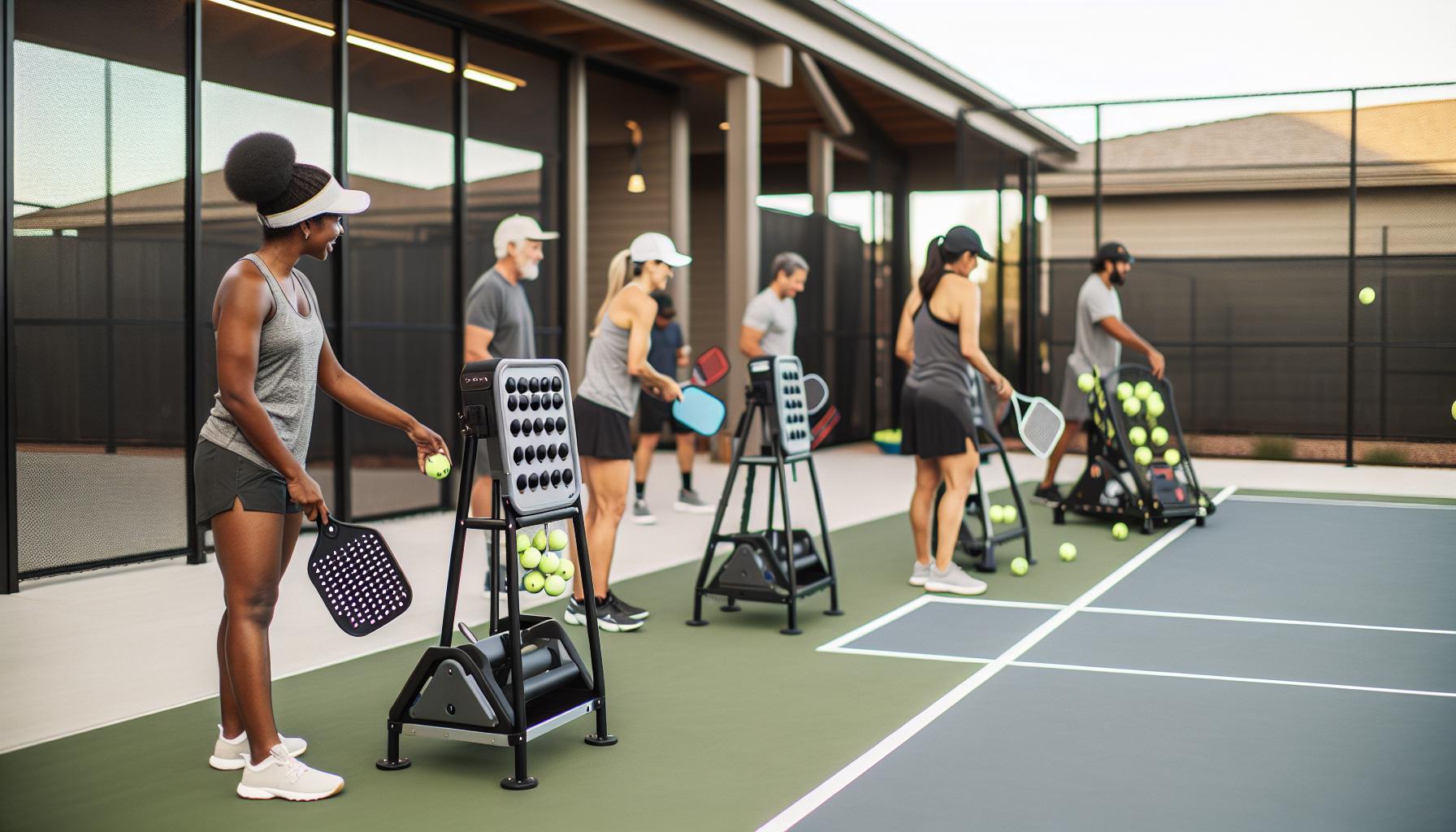
When looking beyond tennis ball machines, dedicated pickleball machines offer tailored features that can make a significant difference-especially for players focused on skill refinement and consistency. These purpose-built options often focus on accommodating the unique properties of pickleballs, such as their lighter weight and dimpled surface, which affect ball trajectory and spin.Investing in a machine designed specifically for pickleball can reduce common frustrations like ball jamming, unpredictable flight paths, and premature ball wear.
Popular Dedicated Pickleball Machines
A few standout models on the market cater directly to pickleball players’ needs.For example, the Erne machine is widely regarded as top-tier for its precision, variety of preset drills, and app connectivity, allowing users to customize training sessions with ease. similarly, the Titan ONE combines high-tech features with smartphone control, enabling players to tune speed, spin, and oscillation to replicate real-game scenarios.These machines generally hold a larger number of pickleballs (important for uninterrupted practice) and offer gentler feeding mechanisms optimized for the delicate pickleball structure [1], [3].
Why Choose Specialty Over Adapted Tennis Machines?
While tennis ball machines can be tuned for pickleball use, dedicated machines minimize compromises. They come designed to handle the specific pressures and mechanics pickleballs demand. This frequently enough translates to:
- Consistent shot placement: More reliable ball trajectory patterns help build pattern recognition and muscle memory.
- Reduced maintenance worries: Feeding systems crafted for softer balls lower the risk of jams and excessive wear on machine parts.
- Extended durability of training balls: Gentle launch mechanisms preserve balls, saving money over time.
This level of precision pays off most visibly for intermediate and advanced players who depend on repeatable practice conditions and for coaches building drills for different skill sets.
Affordable and Hybrid Alternatives
For beginners or budget-conscious players, some entry-level or less expensive options provide good value without the premium price tag. Brands like Sports Tutor and Lobster offer machines that strike a balance between cost and pickleball-specific functionality. These machines sometimes double as tennis ball machines, designed with adjustable settings to switch sports quickly. Moreover, some hybrid machines include fewer advanced app features but provide enough control over speed and oscillation for solid practice routines.
| Machine | Best For | Key Features | Price Range |
|---|---|---|---|
| Erne | Advanced players, coaches | Smartphone app, adjustable spin/speed, large ball capacity | Premium ($2000+) |
| Titan ONE | Intermediate to advanced | Preset drills, app control, wide speed range | High-end ($1800+) |
| Sports Tutor | Beginners, budget-friendly | basic oscillation, adjustable speed, dual tennis/pickleball use | Mid-range ($600-$1000) |
| Lobster | Casual players, hybrid users | Variable ball feed, mild spin, solid warranty | Mid to high ($900-$1500) |
Selecting the right machine depends largely on your goals-are you looking for precise drill replication, casual practice, or multi-sport flexibility? Being clear on this helps identify the machine that balances features and price best for your needs.
With the rise of pickleball-specific equipment, including app integration and elegant ball handling, players can now enjoy highly productive workouts without settling for less than a machine built for their game. Though initial costs for dedicated machines might be higher, their long-term reliability and training effectiveness often justify the investment, especially for serious players aiming to elevate their level efficiently.
This balanced view is meant to help every pickleball player-from newcomers experimenting with affordable hybrid machines to seasoned competitors investing in advanced devices-make informed gear choices. Whether adapting a trusted tennis ball machine or going all-in on pickleball technology, solutions exist for every player’s practice priorities.
Practical Drills Using a Tennis Ball Machine for Pickleball
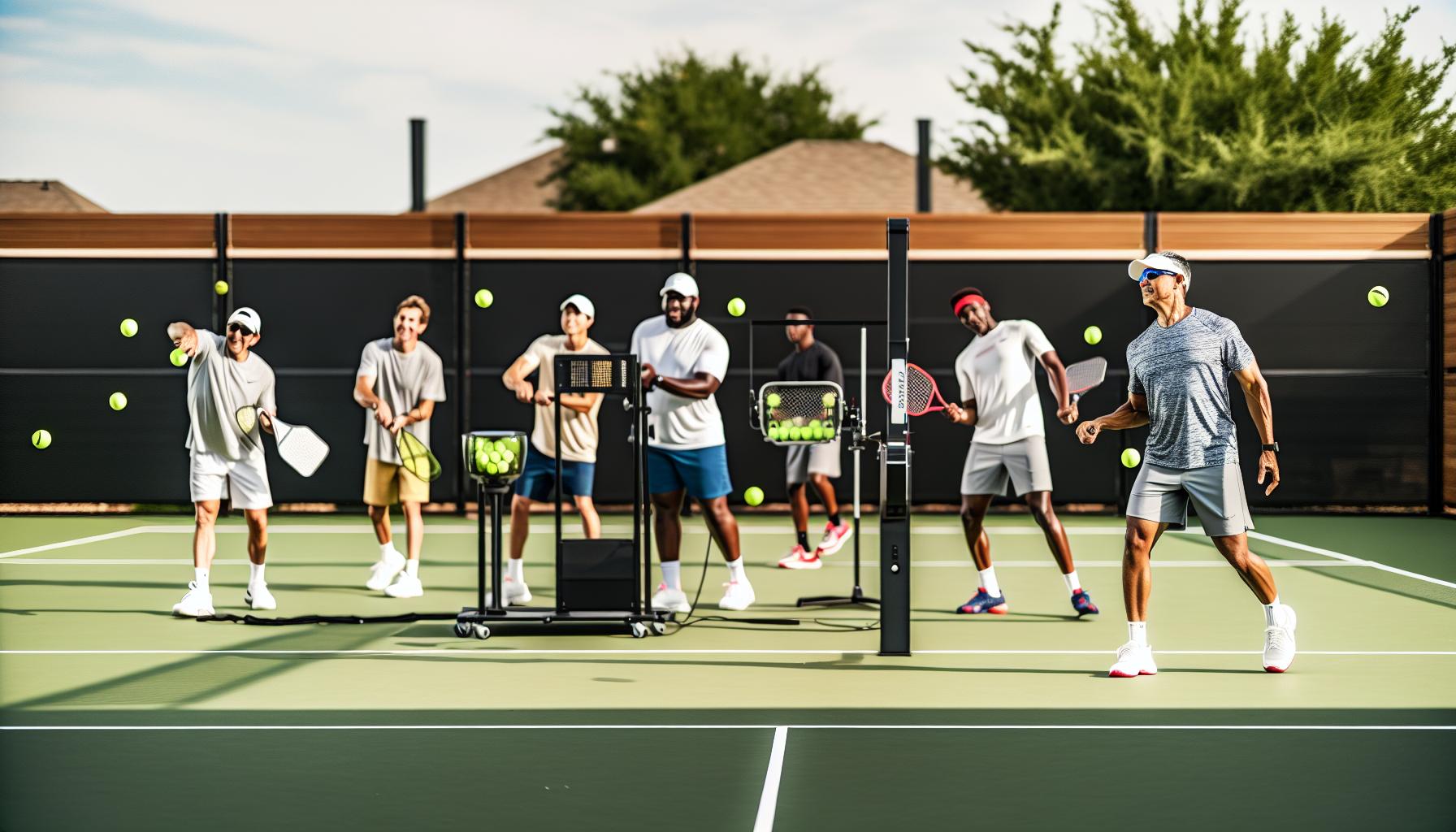
Pickleball players looking to get the most from a tennis ball machine will find surprising versatility when it comes to practice drills. With thoughtful adjustments and a clear plan, these machines can simulate a variety of scenarios that sharpen essential pickleball skills. While tennis machines aren’t purpose-built for pickleballs, their adjustable speed, oscillation, and spin settings allow players of all levels to tailor workouts and build strong fundamentals.
skill-Specific Drill Ideas Using a Tennis Ball Machine
- Baseline Rally Practice: Set the machine’s speed to a moderate pace with minimal spin and oscillation. This creates consistent feeds, enabling you to focus on solid groundstrokes, smooth footwork, and shot placement. Walk or shuffle to different court spots to mimic live rallies.
- Volley and Reaction Training: Position yourself closer to the net and increase ball feed speed slightly while reducing arc height. This replicates fast volleys and quick exchanges. Work on punch volleys and soft touch, developing faster reflexes and better control.
- Third-Shot Drop Drills: Adjust the machine’s trajectory for a softer, lower-paced feed that lands just past the kitchen line. practicing these delicate drops consistently builds touch and accuracy, key components to controlling the pace in a match.
- Crosscourt and Down-the-Line Shots: If your machine supports oscillation, program it to alternate between two points on opposite sides of the court. This encourages lateral quickness and shot anticipation,vital for real-game positioning and shot selection.
Practical Tips to Maximize Drill Effectiveness
- Use Pickleballs Designed for machines: standard tennis machines may be tougher on softer pickleballs, so opt for balls labeled as machine-rated or tougher varieties to minimize jamming and breakage.
- Fine-Tune Speed and Spin: Begin with slower speeds to master control and gradually increase intensity when agreeable. Adding mild topspin can help mimic natural ball flight better than flat shots, improving your readiness for game conditions.
- pair Drills With Movement: Avoid static hitting-even with a machine. Include split steps, recovery, and approach footwork to build muscle memory and stamina alongside shot technique.
- Record and Review: Film your sessions where possible. Watching yourself react and execute against machine feeds highlights areas for betterment you might not notice in real time.
The key to success lies in treating the tennis ball machine as a customizable partner rather than a static device.It won’t replicate every nuance of pickleball’s unique dynamics,but with patience and creativity,you can construct a extensive practice regimen. For example, alternating feeds between short dinks and deeper drives develops touch and power variation, while rhythm drills at various speeds strengthen timing.
| Drill Type | Machine Settings | Focus Area | Ideal Skill Level |
|---|---|---|---|
| Baseline rally | Moderate speed, low spin, narrow oscillation | Consistency & footwork | Beginner to advanced |
| Volley exchanges | High speed, low arc, minimal oscillation | Reactions & control at net | Intermediate to advanced |
| Third-shot drops | Low speed, gentle arc, focused feed area | Touch & accuracy | Intermediate to advanced |
| Crosscourt patterns | Moderate speed, oscillation enabled | Lateral movement & shot selection | Intermediate to advanced |
By integrating these practical drills into your regular training sessions, tennis ball machines can become a surprisingly effective tool for pickleball skill development. While not a complete substitute for live play or dedicated pickleball machines, the adaptability and availability of tennis ball machines offer a solid foundation for players on a budget or those seeking versatile practice equipment.
Maintenance Tips When Using Tennis Ball Machines with Pickleballs
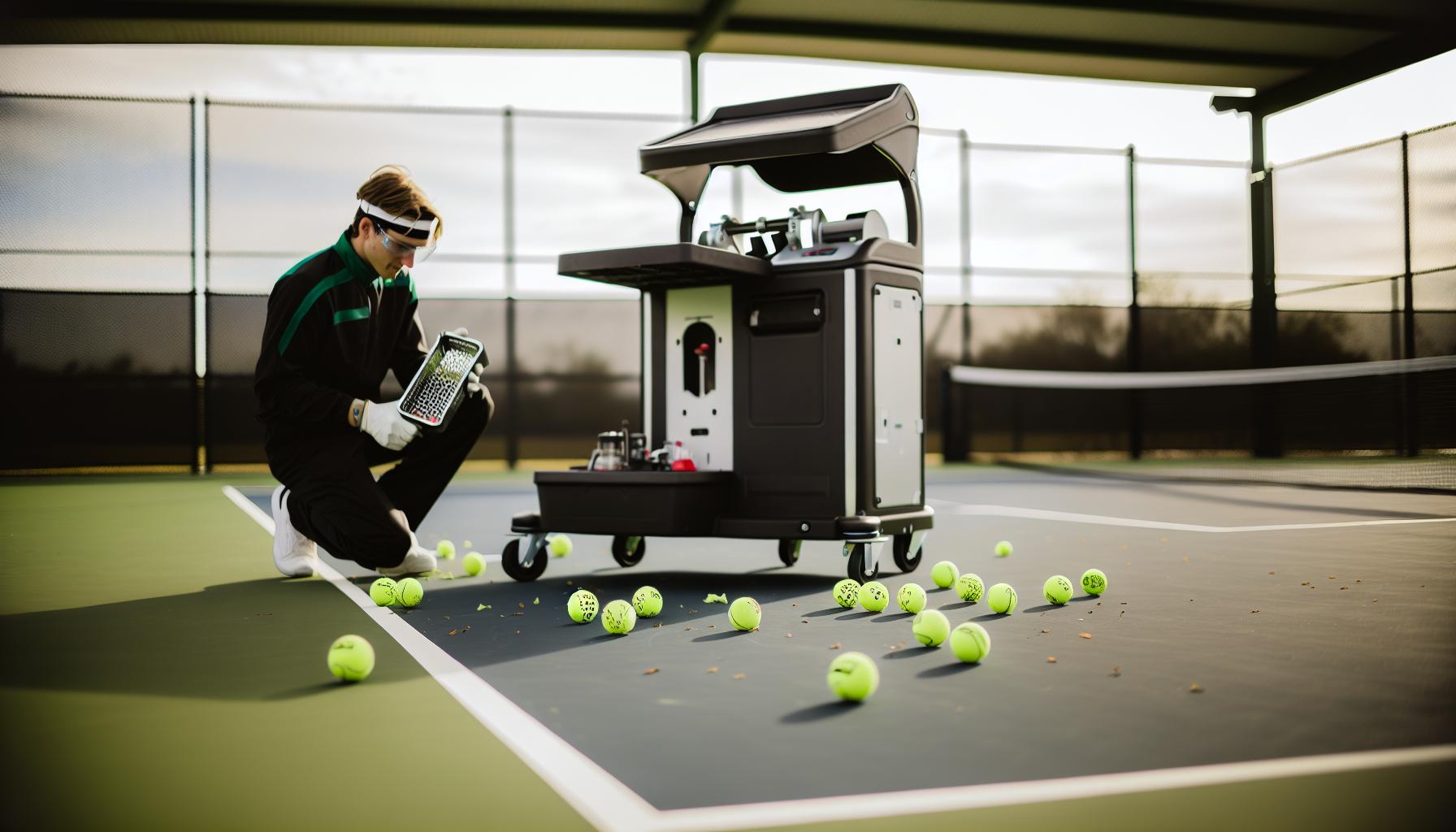
A lesser-known fact among pickleball players who use tennis ball machines is how critical regular maintenance becomes when feeding pickleballs through these devices. Unlike tennis balls,pickleballs are frequently enough lighter and sometimes softer,which can influence the machine’s mechanics in unexpected ways. Keeping your machine in top shape not only prolongs its lifespan but also ensures consistent feeds and reliable practice sessions.
- Inspect and Clean Feeding Mechanisms Frequently: Pickleballs can sometimes create more friction or cause minor jams due to their smaller size or slightly irregular seams compared to tennis balls. Regularly check the hopper, feed wheels, and launch tubes for debris or ball fragments. wiping these parts down with a damp cloth and mild detergent can prevent buildup that might cause feeding issues.
- Use Machine-Compatible Pickleballs: Not all pickleballs are created equal. Opt for “machine-rated” balls or those specifically designed to withstand repeated machine launches and reduce wear on the equipment. these balls tend to have a harder surface and more consistent weight, easing the strain on your machine’s motor and wheels.
- Adjust Machine Settings Thoughtfully: Lower launch speeds and gentler spin settings reduce internal wear and tear, as the machine won’t have to exert as much force. This is particularly important during longer practice sessions to avoid overheating motors or excessive stress on mechanical parts.
- Lubricate Moving Parts as Recommended: follow the manufacturer’s guidelines for lubrication schedules. As pickleball usage can differ from tennis due to different launch angles and ball density, you might need to shorten maintenance intervals. Use only the types of lubricants specified to avoid damage.
Preventive Care for Optimal Performance
Routine inspection is your first line of defense against breakdowns. Pay attention to unusual noises, inconsistent ball release, or unexpected jamming. Address small issues immediately-like tightening loose screws or realigning feed wheels-before they escalate. Investing time here supports smoother practice sessions and preserves your budget in the long run.
| maintenance Task | Frequency | Notes |
|---|---|---|
| clean hopper, wheels, launch tubes | After every 3-4 sessions | Use soft cloth and mild cleaner; avoid excessive moisture |
| Inspect for ball jams | Before each session | Can prevent motor strain and cascading malfunctions |
| Lubricate moving parts | Every 20-30 hours of use | Use manufacturer-approved lubricants for longevity |
| check screws, bolts, alignment | Monthly or after transport | Loose hardware can cause erratic feeds or damage |
Keeping Your Machine Ready for Varied Pickleball Practice
Because tennis ball machines weren’t originally engineered for pickleballs, anticipate needing more frequent maintenance compared to tennis use. However, many players find this manageable with a simple routine. Think of maintenance as tuning your machine to serve as a versatile training partner,capable of helping you improve dinks,volleys,and drives.For example, cleaning and realigning the feed wheels after a few sessions helped a local pickleball coach maintain crisp feeds and avoid frustrating ball jams during high-intensity drills.
Ultimately, balancing careful upkeep with smart usage – like selecting machine-rated pickleballs and moderating settings – means your investment will pay dividends in performance and enjoyment. Everyone from beginners to competitive players can benefit from these maintenance insights to ensure their tennis ball machine steadily supports pickleball skill development.
Q&A
Q: Can using a tennis ball machine for pickleball damage the machine or balls?
A: Using a tennis ball machine with pickleballs can increase wear due to size and weight differences.While most machines handle pickleballs gently, repeated use may require more frequent maintenance. Choose machines with adjustable ball settings to reduce strain and protect both the device and balls. See Maintenance Tips When Using Tennis Ball Machines with Pickleballs for care advice.
Q: How do ball size and weight differences affect tennis machines’ performance for pickleball training?
A: Pickleballs are smaller and lighter than tennis balls,which can cause inconsistent feeding and reduced machine accuracy. Machines with adaptable feed rates and pressure settings perform better. Adjusting these can improve drill precision. Consult the Adjusting Tennis Ball Machines for Pickleball Use section for optimal configuration guidance.
Q: Are there cost-effective tennis ball machines compatible with pickleball training?
A: Yes, some mid-range tennis ball machines offer pickleball-compatible features that provide budget-friendly training solutions. Look for models with variable speed and oscillation controls. Comparing models in the Best Tennis Ball Machines Compatible with Pickleball can help balance price and performance effectively.
Q: What training drills work best when using a tennis ball machine for pickleball practice?
A: Drills focusing on volleys, dinks, and quick footwork translate well using tennis ball machines. Set the machine for slower ball speeds and tighter oscillation to mimic pickleball play. Refer to Practical Drills Using a Tennis Ball Machine for Pickleball for step-by-step training exercises that enhance precision and reaction time.
Q: Can tennis ball machines replicate realistic pickleball spin and trajectory?
A: Most tennis ball machines are less effective at replicating pickleball spin due to ball size and surface design. Machines with spin adjustment features improve training realism. For advanced players seeking precision drills, consider specialized pickleball machines or AI-powered options highlighted in Alternative Ball Machine Options for Pickleball Players.
Q: What safety precautions should players take when using tennis ball machines for pickleball?
A: Players should wear protective eyewear and adjust machine speed to avoid fast,unpredictable shots. Ensure stable machine placement to prevent tipping. Regularly inspect machine settings as shown in How to Modify Tennis Ball Settings for Pickleball Drills to maintain safe, controlled practice environments.
Q: How portable are tennis ball machines for pickleball practice on the go?
A: Portability varies widely; compact models with lightweight designs are best for players who travel or play at multiple courts. Many machines now feature wheels and carry handles. For mobile training, review Essential Features for Pickleball practice Machines to select a machine that fits your lifestyle.
Q: When should a player consider replacing a tennis ball machine with a dedicated pickleball machine?
A: Upgrade when you need precise pickleball-specific features like size-optimized feeding, advanced spin control, and tailored drill programming. Serious players seeking performance improvement should review Pros and Cons of Using Tennis ball Machines for Pickleball to decide when investing in a dedicated machine enhances training outcomes.
For detailed insights on machine selection and adjustment, check out our comprehensive Compatibility Guide sections. Keep progressing your pickleball skills with smart,equipment-savvy training!
Closing Remarks
Exploring the compatibility of tennis ball machines for pickleball practice opens new doors for players seeking versatile and budget-friendly training options. Whether you’re a beginner aiming to improve consistency or a competitive player refining advanced shots, understanding equipment trade-offs ensures you choose the right machine that suits your skill level and goals.ready to elevate your game? Check out our detailed Pickleball Ball Machine Drills to see how you can maximize practice time effectively.
Still wondering if a tennis ball machine meets your pickleball needs? Dive deeper into optimal training strategies with our Ball Machine Usage Tips and discover how to integrate remote control features for smarter practice sessions. Don’t miss out-subscribe to our newsletter for expert insights, gear reviews, and exclusive deals tailored to pickleball enthusiasts.Share your experience or questions below, and join a community passionate about helping every player improve confidently and sustainably.
Get our latest guides, news, and insights highlighted in your Google Search & AI Overviews.