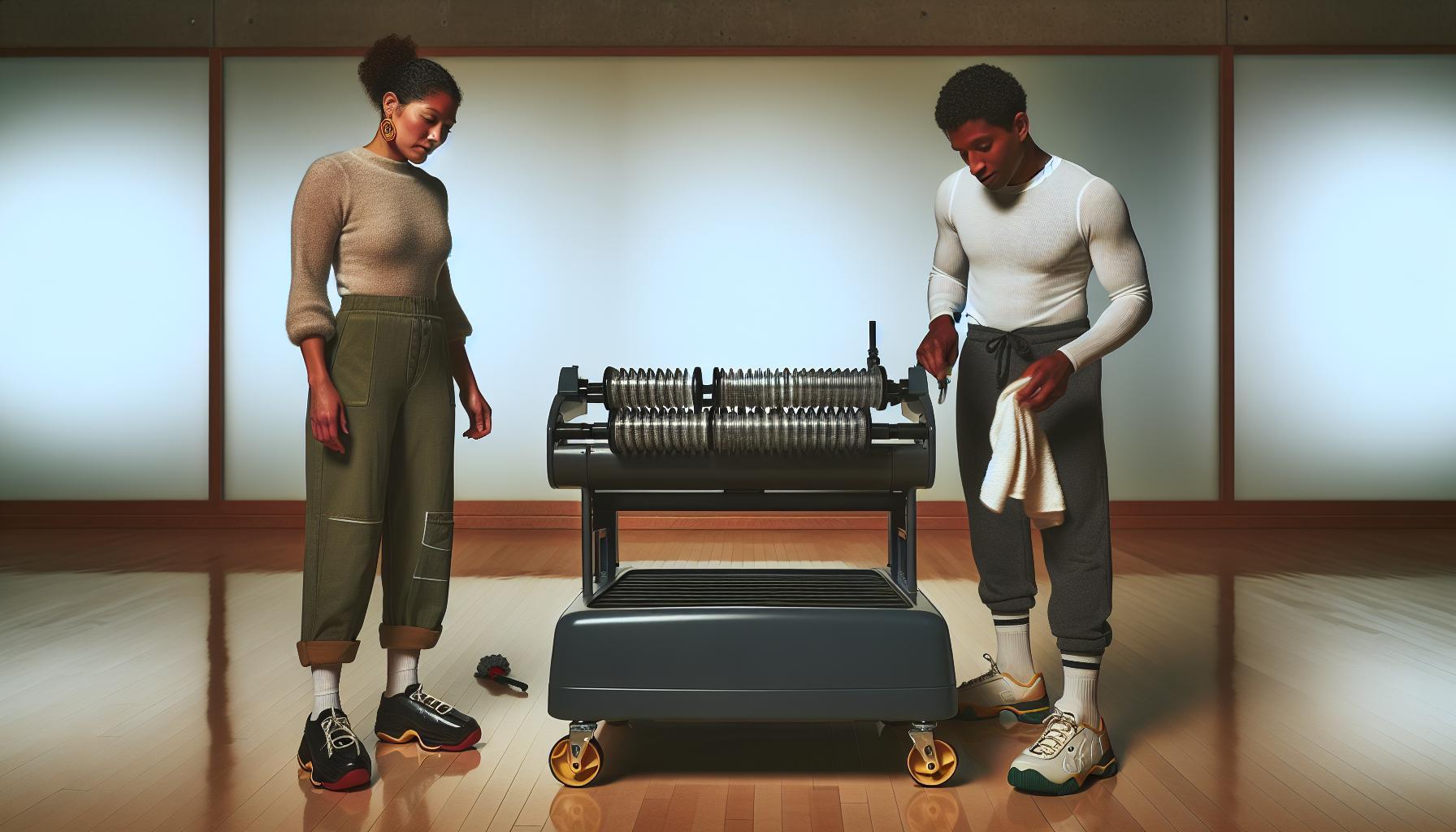
Keeping your Lobster pickleball machine’s rollers clean is essential for consistent ball feeding and prolonging the life of your equipment. Over time, dirt, dust, and ball residue can build up, causing uneven spins or jams that disrupt practise sessions.Whether you’re a beginner investing in reliable gear or a seasoned player aiming for peak performance, understanding how to properly clean and maintain the rollers ensures your machine runs smoothly every time. This tutorial walks you through simple, effective steps to care for your rollers, balancing thoroughness with practical tips anyone can follow. With regular maintenance, you’ll protect your investment and enjoy seamless drills, helping you improve your game without unexpected interruptions. Let’s dive into the easy routine that can keep your Lobster machine firing perfectly and your training time productive.
Lobster pickleball Machine Rollers: Key Functions Explained
A Lobster pickleball machine’s rollers are the unsung heroes that directly influence how consistently and accurately balls are fed during practice. These cylindrical components grip, spin, and launch each ball, impacting everything from speed to spin type.Without properly functioning rollers, players may experience erratic ball trajectories or inconsistent drills, undermining the very purpose of having a ball machine. Think of the rollers as the “engine” that drives realistic shot simulation-akin to a coach delivering balls tailored precisely to your training needs.
Rollers are designed with textured or rubberized surfaces to maintain a firm grip on the ball as it passes through. By varying roller speed and rotation, the machine can replicate slices, top spins, or flat shots. This versatility is key for players wanting to refine specific skills like returns or dinks. Though, the grip quality depends heavily on the condition of the rollers themselves. Dirt, residue, or wear reduce friction, leading to poor ball control or slippage, which can throw off timing and rhythm during drills.
- Grip & Control: Rollers maintain firm contact with balls for precise feeding.
- spin Generation: Differential roller speeds create various ball spins.
- Speed Regulation: Adjusting roller rotation controls shot velocity.
- Durability Factors: High-quality rubber compounds resist wear and environmental damage.
Understanding the roller function helps players appreciate why regular maintenance is not just beneficial but essential. For example, a competitor training intensively may require premium roller materials to handle higher volumes without degrading, while casual players might prioritize budget-kind models with standard rollers. In real practice,you might notice if balls begin to veer unpredictably or roll slower-signs that roller performance is compromised.
Ultimately, the roller’s role goes beyond just mechanical feeding. It embodies the balance between replicating human-like ball delivery and sustaining long-term reliability. Approaching roller care and upgrades with an informed perspective ensures your Lobster pickleball machine stays a trustworthy partner for every training session.[1]
Signs Your Lobster Machine Rollers Need Cleaning
Even the best lobster pickleball machine can lose its edge when the rollers aren’t clean. These rollers rely on a firm grip to control ball speed and spin precisely, so any buildup of dust, dirt, or pickleball residue can quickly compromise performance. If you notice that the machine’s feeds are veering unpredictably or the balls don’t launch at consistent speeds, it’s a strong sign the rollers are dirty. This issue affects players of all levels-from beginners struggling with erratic feeds to advanced competitors needing precise shot simulation.
Subtle changes in ball behavior frequently enough occur before a complete performance breakdown. for example, you might feel the grip slipping just slightly during drills, causing balls to wobble or lose spin. Visually, the rollers might appear dull or grimy rather than textured and tacky. Sometimes, residue from outdoor courts or dust from balls accumulates in grooves, reducing friction and causing intermittent “skips” in feeding rhythm.Ignoring these signs allows debris to harden, which makes cleaning more tough and accelerates roller wear.
- Uneven or inconsistent ball trajectories despite unchanged machine settings
- Reduced shot speed or less spin generation than usual
- Visible grime, ball fuzz, or dust clinging to roller surfaces
- Sporadic feeding pauses or roller slippage during operation
These symptoms affect both budget-friendly standard rollers and premium models, though higher-end rollers tend to resist dirt better.Players training indoors may see quicker buildup from rubber or plastic dust, while outdoor use introduces dirt and debris. Regularly inspecting rollers with a fast visual and tactile check after each session helps maintain optimal performance and avoids frustration during critically important training. Consider this preventive habit a small time investment that yields smoother workouts and prolongs roller life.
[3] and [2] offer useful video demonstrations highlighting how easily grime accumulates and what to look for during routine checks. Keep in mind: prompt cleaning at the first signs of grime not only restores precision but can prevent costly roller replacements down the line.
Step-by-Step guide to Safely Cleaning Lobster Rollers
Keeping your Lobster pickleball machine rollers clean is essential for consistent ball delivery and spin control. Many players underestimate how quickly grime and dust can build up on the rollers, dulling their grip and interfering with the machine’s performance. Cleaning rollers doesn’t have to be complicated or intimidating-even beginners can perform this maintenance safely with the right approach and tools.
Start by powering off the machine and unplugging it to ensure safety. Once the machine is stationary, examine the rollers closely in good lighting -look for visible dust, fuzz, or dried residue stuck in the textured surfaces. Avoid scraping with hard or pointed tools since this can damage the rubber coating. Instead, use a soft brush or microfiber cloth to gently remove loose debris. For more stubborn buildup, slightly dampen a clean cloth with warm water or isopropyl alcohol, which helps dissolve oils and dirt without harming the roller material.
- Step 1: Remove any pickleballs and clear the machine’s ball feed area for unobstructed access.
- Step 2: Use a soft brush or compressed air to dislodge surface dust and fuzz from roller grooves.
- Step 3: Lightly moisten a microfiber cloth with isopropyl alcohol or warm water and gently wipe the roller surfaces in a smooth, circular motion.
- Step 4: Dry the rollers instantly with a dry microfiber cloth to prevent moisture absorption or rubber degradation.
- Step 5: Run a brief test feed with a few balls to confirm smooth and consistent roller grip before full practice sessions.
Why Gentle Cleaning Matters
The rubber rollers on Lobster machines are engineered to provide precise friction for accurate shot replication.Using harsh chemicals, abrasive tools, or excessive water can wear down these surfaces prematurely.A routine clean after every few training sessions prevents hard buildup, which is tougher to remove and can lead to roller damage or replacement costs.
Keep in mind that players using the machine outdoors may need to clean rollers more frequently due to increased dirt and grit exposure. Indoor use primarily accumulates dust and ball fuzz, which is generally easier to manage. Regardless, a quick visual and tactile check should become part of your post-practice routine.
Tips for Consistency and Longevity
Patience and a gentle touch go a long way. If buildup is severe, clean in shorter intervals rather than forcing off stubborn grime in one go. Consider keeping a small cleaning kit-soft brushes, microfiber cloths, and isopropyl alcohol-near your court or training area to encourage regular maintenance. Over time, these small efforts preserve roller tackiness and prolong machine life, making every practice session smoother and more reliable.
By establishing a simple but effective cleaning ritual, players from beginners to advanced can trust their Lobster pickleball machine to perform as expected. clean rollers equal better ball control, more precise spins, steady feeds, and ultimately, a better training experience.
Essential Tools and Materials for roller Maintenance
Cleaning and maintaining your Lobster pickleball machine rollers doesn’t require a complicated setup,but having the right tools and materials on hand makes the process efficient,safe,and effective. The key is to use items that protect the roller’s rubber surface while thoroughly removing buildup like ball fuzz, dirt, and oils that accumulate with regular use.Whether you’re a beginner or a seasoned player maintaining your own equipment, a compact and well-chosen maintenance kit will save time and extend the life of your rollers.
Start with a soft-bristled brush, such as a dedicated paintbrush or a toothbrush with gentle nylon bristles. This is invaluable for loosening surface dust and fuzz trapped in the textured grooves of the rollers without scratching or damaging the rubber. Avoid any stiff wire brushes or sharp tools-these will prematurely wear down the roller surface or cause uneven wear patterns that affect ball spin and consistency.
A microfiber cloth is the best choice for wiping down roller surfaces after brushing. Microfiber’s fine fibers trap and lift dirt effectively while being gentle on rubber. When deeper cleaning is needed, lightly dampen the cloth with either warm water or isopropyl alcohol (70% concentration is ideal). Isopropyl alcohol breaks down grease and stubborn residues without causing the rollers to become overly saturated or degrade. Avoid household cleaners or harsh solvents that can dry out or crack the rubber material.
- Compressed Air Canister: Helps blow away crumbs and lint from hard-to-reach crevices.
- Isopropyl alcohol (70%): For dissolving oils and tougher dirt buildup safely.
- Soft-Bristled Brush: A go-to for gentle scrubbing of roller surfaces.
- Microfiber Cloths: Use separate cloths for moistening and drying the rollers.
- Protective Gloves: Optional but recommended for frequent cleaners to avoid skin dryness from alcohol.
balancing Budget and Quality
You don’t need premium or specialized tools to maintain your rollers-standard microfiber cloths and household isopropyl alcohol work extremely well and are affordable. Though, investing in a good-quality soft brush and a small compressed air canister pays off in the long run by making regular cleaning easier and reducing wear risks. For the pickleball player who travels with their Lobster machine to indoor and outdoor courts, a portable cleaning kit that fits in your gear bag encourages consistent upkeep, keeping your practice sessions smooth and reliable.
Keeping these essentials organized near your practice space or equipment storage promotes routine roller maintenance without hassle. The right tools empower players at all skill levels to care confidently for their Lobster machines,translating into consistent ball delivery and enhanced training performance over time.
Preventing Roller Wear: Best Practices for Longevity
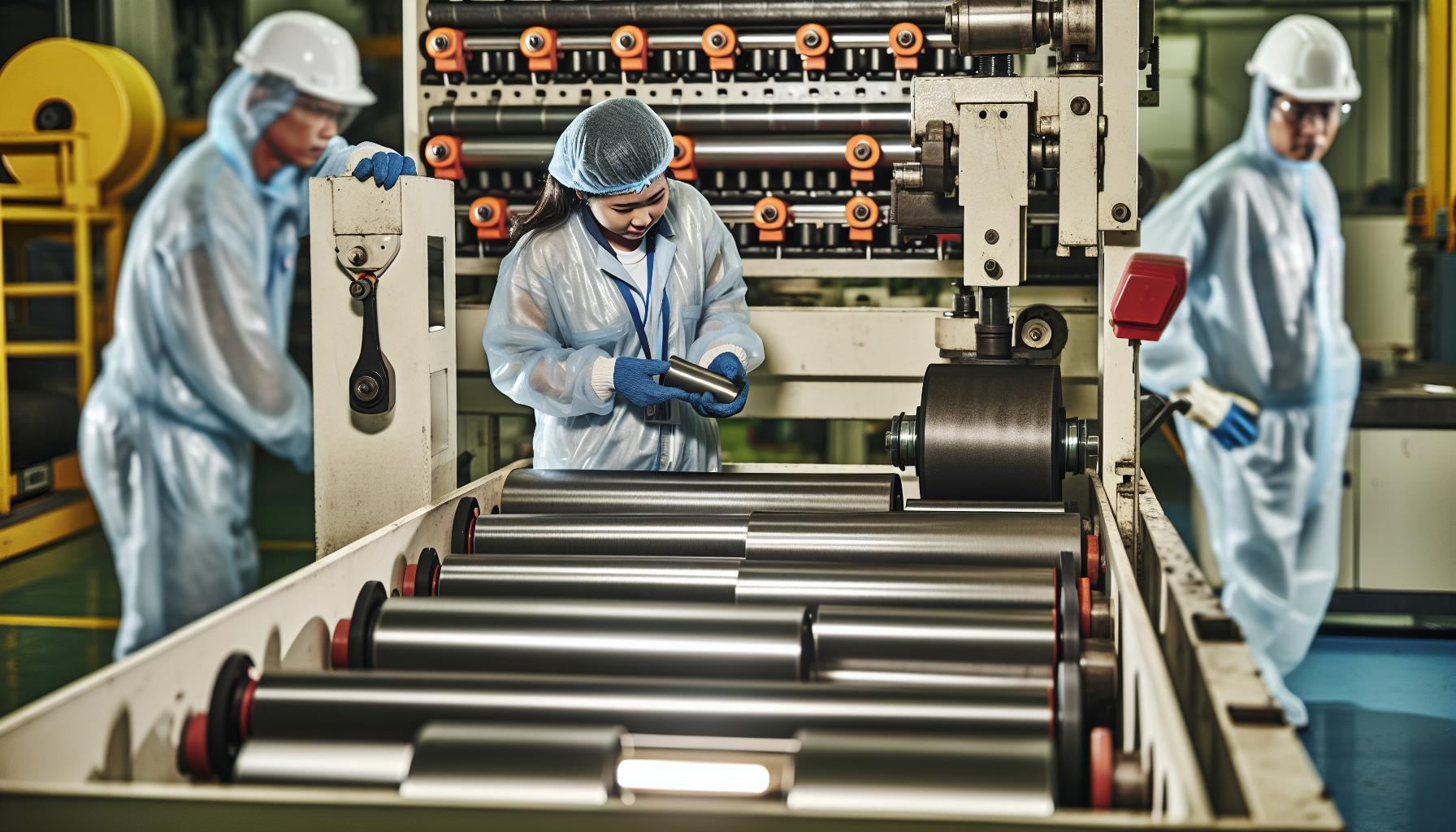
Lobster pickleball machine rollers endure constant stress as they grip and launch balls during every training session. Over time, this wear can subtly degrade roller performance and affect ball trajectory, making consistent maintenance essential to preserve your machine’s reliability. Simple adjustments to how you handle and care for your rollers can considerably extend their lifespan, saving you money and enhancing your practice experience.
One of the best ways to minimize roller deterioration is to avoid harsh cleaning methods or abrasive materials that might seem effective but actually damage the rubber surface. Always use soft brushes and gentle cleaning agents like 70% isopropyl alcohol rather than household chemicals or sharp implements. In addition, running your machine with debris-clogged rollers or dirty balls accelerates rubber breakdown. take a moment before you start practicing to wipe balls and rollers clean-this small habit pays dividends in roller longevity.Rotation also plays a key role. If your Lobster machine has interchangeable rollers or mounts, shifting roller placement regularly promotes even wear over time. For players who frequently practice diffrent shot types, mixing roller usage helps maintain consistent surface texture and grip. Likewise, avoiding prolonged exposure to direct sunlight or extreme temperatures prevents rubber from drying out or cracking prematurely. Store your machine indoors or in a shaded, climate-controlled area when not in use.
Practical Tips to Maximize Roller Life
- Clean rollers immediately after sessions to remove ball fuzz and dirt that embed in the grooves.
- Rotate roller positions periodically if your model allows this to equalize wear patterns.
- Use only approved cleaning supplies-soft brushes, microfiber cloths, and isopropyl alcohol at moderate concentration.
- Store your machine properly, avoiding harsh sunlight and temperature extremes that degrade materials.
- Inspect rollers regularly to catch early signs of uneven wear or damage before they affect ball consistency.
Approaching roller care like this makes it easier for players at all levels-whether just starting or competing regularly-to maintain peak machine performance without costly repairs. Remember, the roller’s condition directly influences shot accuracy and spin, so investing a little time in prevention supports your skill progression too. When you treat your Lobster rollers with care, you’re really investing in more reliable, enjoyable pickleball training sessions.
Troubleshooting Common Roller Issues and Solutions
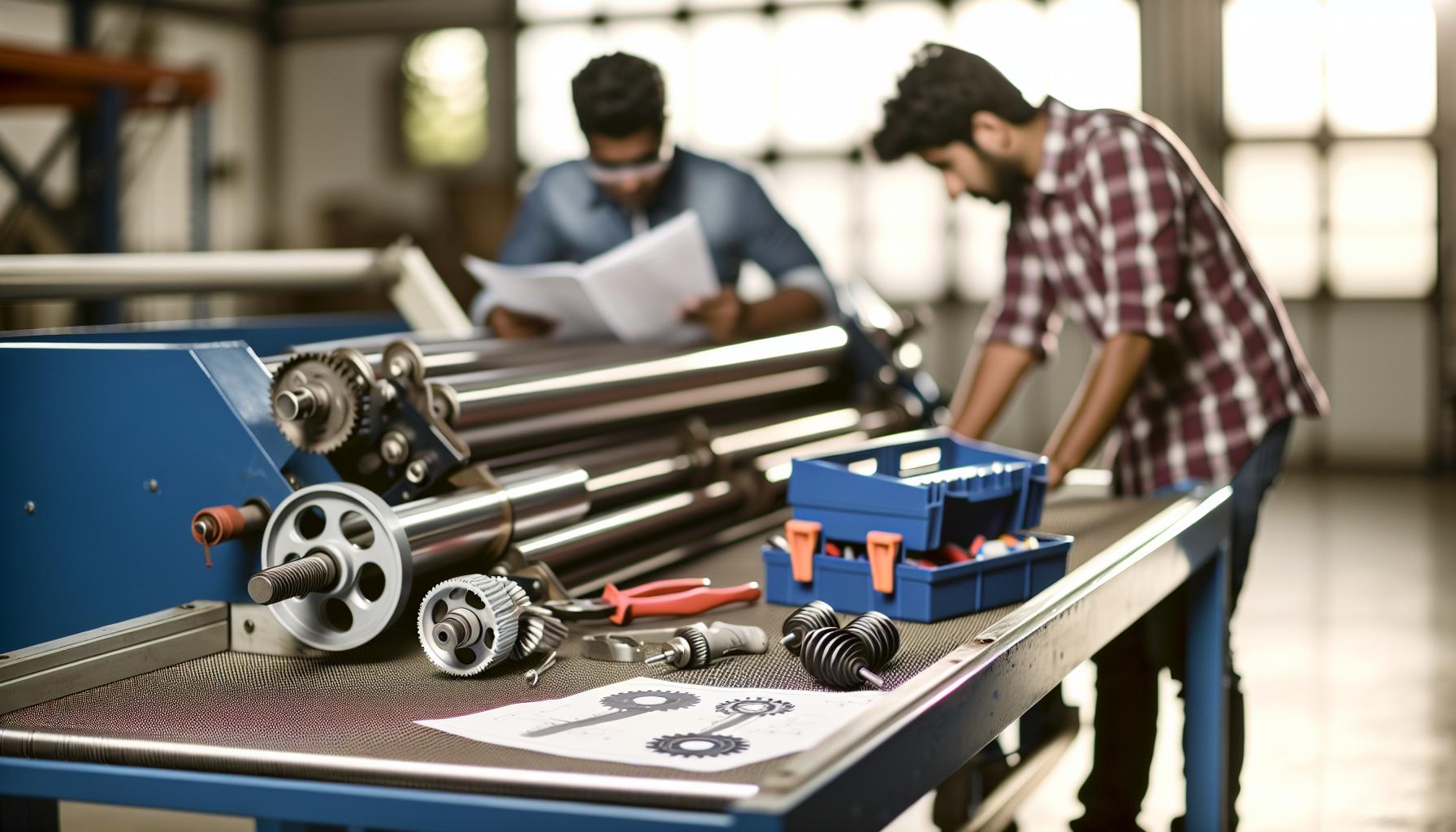
roller issues can sneak up when you least expect them,often affecting your machine’s ball control and training quality. recognizing these problems early-not just when they cause a noticeable impact-helps keep your Lobster pickleball machine operating smoothly and extends the life of your rollers. common symptoms such as inconsistent ball spin, unusual noises, or uneven ball trajectory usually signal roller concerns that can be addressed with straightforward troubleshooting steps.
One frequent challenge is build-up of dirt, fuzz, or debris on the roller surfaces. This material clogs the rubber texture designed to grip the ball, leading to slipping or off-center shots. Simple cleaning with a soft brush and isopropyl alcohol typically restores performance. However, if residue persists despite cleaning, inspect for embedded grit that may require careful removal using 100-grit sanding sponges recommended for Lobster rollers-avoiding sharp tools that could damage rubber[[[[[1]](https://www.facebook.com/groups/1340630926008388/posts/7112651885472901/).Additionally, if your machine shows signs of uneven wear-like flat spots or smooth patches-rotating rollers or swapping them between positions can promote balanced surface wear and restore shot consistency.
Mechanical issues can also arise if rollers become loose or misaligned. Vibrations, erratic ball launches, or grinding noises often indicate mounting problems or worn bearings. Regularly check that all screws and mounts are tight, and if necessary, replace the bearings or the entire roller assembly.Many players find it helpful to keep spare wheels on hand and follow manufacturer guides for DIY replacements available in simple steps[[[[[2]](https://www.facebook.com/lobstersports/videos/lobster-sports-how-to-replace-your-server-wheels-in-5-easy-steps/1433882039968520/). These quick fixes avoid downtime and preserve practice time.Sometimes, roller degradation is unavoidable after prolonged use, especially with budget models where rubber compounds wear faster under heavy training loads. Recognizing when cleaning or rotation no longer suffices is key-symptoms include persistent ball misfires, loss of spin control, or visible cracks in the rubber. Upgrading to premium rollers designed for durability or specialty shot control can be a wise investment for serious players or coaches seeking precision. For those weighing cost versus performance, maintaining a balance through routine care before replacement maximizes value.
- Common Issues: Dirt buildup, uneven wear, loose mounts, worn bearings, rubber degradation.
- Quick Fixes: Clean with isopropyl alcohol and 100-grit sponge, rotate rollers, tighten mounts.
- When to Replace: Cracks, irreparable wear, persistent performance loss.
- Upgrade Tips: Consider durability, shot types, and roller texture suited to your training needs.
By staying vigilant and proactive, you can troubleshoot many roller problems yourself before they escalate, ensuring your Lobster machine remains a dependable training partner whether you’re perfecting beginner techniques or refining advanced strategies. Remember,careful roller maintenance is as much about preserving shot quality as it is about protecting your investment in better pickleball performance.
Comparing Cleaning Methods: DIY vs.Professional Care
Roller maintenance is crucial for reliable performance, but when it comes to cleaning, many players wonder whether to tackle it themselves or seek professional care.DIY cleaning offers immediate control and cost savings, making it a popular choice for players who want to maintain their Lobster pickleball machine rollers between sessions. With simple tools like soft brushes, isopropyl alcohol, and recommended 100-grit sanding sponges, you can effectively remove debris, organic buildup, and surface grit that dull roller grip[[[[[2]](https://www.facebook.com/groups/1340630926008388/posts/7112651885472901/). This hands-on approach not only saves money but also helps you become attuned to your machine’s condition,allowing early detection of problems like uneven wear or loose mounts before they escalate.
However, professional roller cleaning services bring advantages that DIY simply can’t match, especially when rollers have substantial residue or require precision care. Experts use specialized equipment and cleaning agents designed to reach deep into the rubber texture and remove microscopic dirt and oils without risking damage to the rollers’ surfaces or underlying mechanics. Additionally, techs are trained to inspect and adjust roller alignment, bearings, and mounts all in one go-eliminating guesswork. This complete approach often extends roller life and keeps your machine firing with consistent spin and speed, a critical factor for competitive players and coaches invested in top-tier performance.
Choosing Between DIY and Professional Care
| Aspect | DIY Cleaning | Professional Cleaning |
|---|---|---|
| Cost | low – basic tools and supplies | Moderate to high – labour and specialized equipment |
| Convenience | Immediate, at your pace | Requires scheduling and possible downtime |
| Effectiveness | Good for routine dirt and light buildup | Superior for deep cleaning and repairs |
| Skill Level | Basic technical skill recommended | Handled by trained technicians |
| Maintenance Impact | Grate for frequent upkeep and spotting issues | Best for thorough inspection, fixing wear, and ensuring optimal performance |
for players new to equipment care or on a tight budget, starting with DIY methods promotes understanding and helps establish a maintenance habit. Practical steps like cleaning rollers with isopropyl alcohol and gently sanding stubborn residue avoid costly downtime and reinforce your connection to the machine’s condition.Conversely, seasoned users or those whose rollers show signs of persistent performance loss-such as inconsistent spins or audible grinding-may find professional services a wise investment. In fact, setting a baseline with professional cleaning before routine DIY upkeep can strike a balance, ensuring your Lobster machine runs smoothly without sacrificing budget or convenience.
Ultimately, combining both approaches frequently enough yields the best results. Regular DIY cleanings maintain day-to-day roller grip and responsiveness, while periodic professional servicing restores factory-level precision and addresses wear-related issues proactively. This strategy helps keep ball flight dependable and mechanical components healthy, empowering players across skill levels to maximize practice time with confidence.
- DIY is ideal for routine maintenance and early issue detection.
- Professional care excels in deep cleaning, repairs, and performance optimization.
- Balance both methods for cost-efficiency and peak machine reliability.
- Keep spare rollers handy for uninterrupted play during professional service periods.
Optimizing Lobster Machine Performance After Roller Cleaning
A clean roller is like new rubber on your car tires-it transforms how your Lobster machine grips and spins the pickleballs, directly impacting shot consistency and control. After thorough cleaning, don’t just put the machine back on the court and hope for the best; fine-tuning performance is the final, crucial step that ensures every practice session maximizes your skills.
First, once rollers are cleaned and dried, double-check their alignment and mounts. Even slight shifts from cleaning or reassembly can cause uneven ball spin or erratic feeds that frustrate any player,novice or pro. Run a brief test sequence at low speed to listen for unusual noises or vibrations-these subtle cues often signal the need for a quick mechanical tweak. Adjust roller tension if your machine allows it; properly tensioned rollers provide consistent ball compression, which helps maintain shot speed and placement accuracy.
Next,recalibrate your machine’s settings post-cleaning. Dirt and debris affect roller grip, so once removed, previously used speed, spin, or lob presets might not translate perfectly. take time to hit a variety of shot types at incremental speed levels. This hands-on adjustment lets you tailor feeds exactly to your training needs, whether working on fast drives or delicate drop shots.For example, after a cleaning, mid-range spins frequently enough feel livelier-try dialing back spin slightly before increasing speed to maintain control.
incorporate cleaning and tuning into a balanced maintenance routine that respects both your skill level and budget constraints. If you’re a weekend warrior with limited time, focus on consistency by pairing DIY cleanings with occasional professional inspections.For coaches and serious players, tighter control means investing more in alignment tools or professional roller refurbishment to keep the machine firing precisely like new. Remember, thoughtful post-cleaning optimization keeps your Lobster Pickleball machine a reliable partner, helping you sharpen technique rather than compensating for equipment quirks.
Quick Performance-Check Checklist After Roller Cleaning
| Task | Purpose | Recommended Action |
|---|---|---|
| Roller alignment inspection | Ensure even ball contact and spin | Visually inspect and adjust mounts as needed |
| Test feed cycle at low speed | Detect roller vibration or noise | Run test shots, listen and feel for irregularities |
| Adjust roller tension | Optimize ball compression and grip | Follow manufacturer guidelines for tension settings |
| Recalibrate machine settings | Match speed, spin, and lob to refreshed roller grip | Test shots and fine-tune parameters accordingly |
Integrating these steps after every cleaning ensures you stay connected to your equipment’s behavior and prevents surprises during critical drills or match prep. Small investments in precision tuning pay dividends in court confidence and shot reliability for players at every level.
Maintenance Schedule: How Often to Clean and Inspect Rollers

A Lobster Pickleball machine’s rollers face a constant workout each time you step on the court-gripping, spinning, and propelling balls with precision. Just like any high-performance gear, they require regular attention to maintain peak function. Skipping roller maintenance can lead to inconsistent ball feeds, uneven spin, and frustrating interruptions during practice. Establishing a clear,realistic schedule for cleaning and inspection strikes the perfect balance between performance and time investment,helping you avoid surprises and maintain confidence on the court.
For casual players or weekend warriors who use their machine a few times a month, a thorough roller cleaning every 6 to 8 weeks is frequently enough sufficient. This timeline prevents excessive grime build-up that dulls roller traction without demanding daily upkeep. though, if your routines involve longer or more frequent sessions-such as daily drills or coaching several players-the maintenance intervals should tighten to every 3 to 4 weeks. In these cases, rollers accumulate more dirt, including dust, sweat, and PVC residue from pickleballs, which quickly degrades performance.
In addition to cleaning, inspections can often be lighter and more frequent. Before each major session or tournament prep, quickly scan the rollers and their mounts for signs of wear, cracking, or misalignment. This habit lets you catch subtle mechanical issues before they escalate. If you notice any unusual sounds or inconsistent ball trajectories during play, perform an immediate inspection regardless of the last cleaning date. Consistency in inspection increases your machine’s reliability and your confidence on the court.
- Daily users: Inspect rollers weekly and clean every 3-4 weeks
- moderate users (1-3 times/week): Inspect biweekly, clean every 6 weeks
- Casual users (few times/month): Inspect monthly, clean every 8 weeks
| Usage Level | Inspection Frequency | Cleaning Frequency |
|---|---|---|
| Professional/Coach | Weekly | Every 3-4 weeks |
| Enthusiastic Player | Biweekly | Every 6 weeks |
| Recreational Player | Monthly | Every 8 weeks |
Remember that conditions such as outdoor use, dusty courts, or rainy weather can accelerate roller wear and necessitate more frequent care. Budget-conscious players can maintain a solid routine by pairing simple DIY cleaning with occasional professional check-ups or refurbishment to extend roller life without overinvesting in costly replacements. Meanwhile, those seeking peak machine precision should consider investing in specialized alignment tools or more frequent professional servicing to keep every roller dialed in for shot-perfect practice.
Adopt these maintenance rhythms as a foundational habit-not just for equipment care but as part of your overall training discipline. Consistent roller upkeep keeps your Lobster Pickleball machine firing clean, crisp shots, ensuring every training minute counts and elevates your game without distractions.
Upgrading Rollers: When and How to Choose Replacement Parts
A roller upgrade can transform your Lobster Pickleball machine’s reliability and shot consistency more than many other tweaks. Over time, even the most durable rollers suffer from wear, reduced grip, or internal damage that subtle cleaning just can’t fix. Recognizing when it’s time to replace these parts-not just clean them-can save you from frustrating practice interruptions and help maintain the smooth rhythm crucial for serious training.
When deciding on replacement rollers, factor in your playing frequency, budget, and performance aspirations. Casual players might find economical, OEM-design rollers fully meet their needs, while coaches or highly competitive players should consider premium rollers with enhanced grip and durability. These higher-end options often feature improved materials or specialized surface textures that deliver more consistent ball spin and speed control, essential for replicating diverse shot styles during drills.
Choosing the Right Replacement Rollers
- Compatibility: Always select rollers explicitly designed for your lobster model, such as the Pickle, Pickle Two, or Pickle Champion. Using incompatible rollers can cause alignment issues or mechanical stress that shortens machine life.
- Material: Most rollers are made from durable rubber or urethane compounds. Premium rollers typically use blends that offer better traction and longevity under heavy use.
- Grip Pattern: Consider rolled surface patterns-some rollers have smooth finishes, while others feature ribbing or textured grooves. Textured surfaces enhance ball grip and spin but might wear out faster depending on frequency of use and ball type.
- Longevity vs. Cost: Budget rollers are a good starting point, but investing in higher-quality rollers pays off for players depending on machine uptime and performance precision.
Installation and Adjustment Tips
Replacing the rollers is usually a straightforward process if you follow manufacturer guidelines. After removal, thoroughly clean the mounting area to ensure a snug and even fit for new rollers. Pay special attention to roller alignment and tension settings-misalignment is a common cause of erratic ball delivery or unusual machine noises. Taking the extra time to adjust tension correctly not only protects the rollers from premature wear but also sharpens shot control and consistency.
Sample Comparison: Replacement Roller Options
| Roller Type | Material & Grip | Recommended Use | Approx. Price |
|---|---|---|---|
| OEM Standard Roller | Rubber, smooth surface | Casual players, occasional use | $25-35 |
| Performance roller | High-durability urethane with textured grip | Enthusiasts, frequent users | $40-60 |
| Pro-Grade Roller | Specialized compound with aggressive grip pattern | Coaches, daily training | $60-80+ |
Ultimately, replacing rollers isn’t just about fixing a worn part-it’s a chance to tailor your machine’s feel closer to your style of training. Regular evaluation of roller condition combined with timely upgrades minimizes downtime, preserves shot accuracy, and enhances your overall pickleball experience.If budget constraints arise,balancing roller upgrades with routine cleaning and inspection still extends their life and keeps your Lobster running smoothly for hundreds of practice hours ahead.
Q&A
Q: How can I safely remove stubborn dirt from Lobster Pickleball machine rollers?
A: To safely remove stubborn dirt,use a soft cloth dipped in mild soap and warm water. Gently scrub the rollers without soaking them to avoid damage. Avoid harsh chemicals that might degrade the roller material. This method preserves performance and extends roller life. For detailed cleaning tips, check the *Step-by-Step Guide to Safely Cleaning Lobster Rollers* section.
Q: What are the best materials to clean lobster Pickleball machine rollers without causing wear?
A: The best materials include microfiber cloths and soft-bristled brushes paired with mild soap solutions. Avoid abrasive tools or rough sponges, which can accelerate roller wear. Using these gentle materials helps maintain optimal grip and ball spin,as explained in the *Essential Tools and Materials for Roller Maintenance* section.
Q: Why do my Lobster Pickleball machine rollers become slippery after cleaning, and how can I fix it?
A: Rollers can become slippery if residue from cleaning agents isn’t fully rinsed off.To fix this, wipe rollers with a damp cloth using plain water to remove any soap buildup. Allow them to air dry wholly before use. Maintaining clean rollers with residual-free cleaning prevents ball feed issues, elaborated in *Troubleshooting Common Roller Issues*.
Q: When is the best time to clean Lobster Pickleball machine rollers during regular maintenance?
A: Clean rollers after every 6-8 hours of play or when you notice decreased ball speed or accuracy.Regular inspection and timely cleaning enhance machine performance and prevent premature roller wear. Refer to the *Maintenance Schedule* for optimal cleaning intervals tailored to your play frequency.
Q: Can I use household cleaners like alcohol or WD-40 on Lobster Pickleball machine rollers?
A: It’s best to avoid household cleaners like alcohol or WD-40, as they can degrade the roller material and reduce grip. stick to mild soap and water solutions to preserve roller integrity and performance. For professional cleaning alternatives, see *Comparing Cleaning Methods: DIY vs. Professional Care*.
Q: How does roller cleanliness affect ball trajectory and consistency in a Lobster Pickleball machine?
A: Clean rollers ensure consistent ball grip and spin, directly impacting trajectory and speed. Dirt or debris causes erratic ball feeds and reduces shot accuracy. Maintaining clean rollers is crucial for precise training sessions and is discussed under *Optimizing Lobster Machine Performance After Roller Cleaning*.
Q: What precautions should I take when cleaning the rollers to avoid damaging the Lobster Pickleball machine?
A: Always unplug the machine before cleaning. Avoid excessive moisture near electrical components and use only recommended cleaning tools. Handle rollers gently to prevent misalignment or damage.Following these precautions keeps your machine safe and efficient, detailed in the *Step-by-Step guide to Safely Cleaning Lobster Rollers*.
Q: How often should I replace Lobster Pickleball machine rollers even with regular cleaning?
A: Even with regular cleaning, rollers typically need replacement every 6-12 months, depending on usage intensity.Replace if you notice cracks, uneven wear, or reduced ball control. Visit the *Upgrading Rollers* section for guidance on selecting compatible replacement parts.
*For further insights, explore related maintenance topics in the full article, and keep your Lobster Pickleball machine delivering peak performance every session!*
The Conclusion
Regularly cleaning your Lobster pickleball machine’s rollers is key to maintaining consistent ball performance and extending your machine’s lifespan. By following these straightforward maintenance steps, you ensure smooth operation whether you’re a beginner or an advanced player aiming for peak practice efficiency. Don’t wait for sticky rollers to disrupt your training-make this quick cleaning routine part of your regular gear care now.
Ready to dive deeper? Explore our comprehensive guide on pickleball equipment maintenance or check out tips to maximize your practice time with the best drills for all skill levels. For those considering an upgrade, our review of top pickleball machines offers helpful comparisons to match your budget and goals. Keep your Lobster machine in top shape and stay ahead of your game!
If you found this tutorial helpful, join our newsletter for ongoing gear insights and exclusive offers. Got questions or maintenance tips of your own? drop a comment below-we love hearing from players dedicated to improving their pickleball experience!