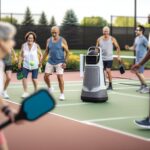
For serious pickleball players aiming to sharpen their skills efficiently, the Lobster Pickleball Machine offers a premium training solution that replicates real-game ball feeds with precision and consistency. Designed to help players of all levels-from motivated beginners to seasoned competitors-this machine delivers targeted shots that improve reaction time, accuracy, and strategic play without needing a partner.Many players struggle with solo practice that lacks variety and challenge; the Lobster machine addresses this by providing adjustable settings for speed,spin,and placement,allowing you to customize each session to meet your training goals. With robust features like a large hopper for extended drills and easy portability, it balances high-end performance with practical court use. Whether you’re working on dinks, volleys, or drives, understanding how this machine fits your budget and skill level makes your practice time more productive and satisfying. If you want trusted, hands-on insights into whether investing in a Lobster Pickleball Machine is right for your game-and how it stacks up against other options-keep reading to explore how this advanced tool could be your next best practice partner.
How the Lobster Pickleball Machine Enhances Training

Practice quality shots consistently without the unpredictability of a human partner, and you’ll see your skills sharpen faster than with typical drills. The Lobster Pickleball Machine creates a controlled, repeatable environment where players can focus on fine-tuning footwork, stroke mechanics, and reaction times. Unlike rallying with a partner, the machine offers precise ball placement and spin variations, allowing users to isolate specific skills and address weaknesses methodically. This targeted repetition is invaluable for building muscle memory and developing the confidence needed for competitive play.
Precision and Customization for Focused Skill Growth
The lobster machine’s ability to deliver balls with varying speeds, spins, and trajectories simulates real match conditions more effectively than many alternatives. Players can program drills that mimic opponent tendencies-whether that’s consistent backspin lobs or aggressive topspin shots-helping them prepare mentally and physically for match scenarios. This level of customization ensures that practice sessions remain challenging and engaging, steering clear of monotonous hitting. Over time, the machine’s consistency reduces unnecessary frustration and allows players to see measurable improvements.
Efficient Use of Training Time with Solo Practice
One of the greatest training enemies for many players is unreliable practice partners or limited court availability. The Lobster enables solo players to maximize court time-there’s no waiting around or mismatched skill levels to slow progress. In a 30-minute session, a player can execute hundreds of quality shots with a wide variety of placements and spins, replicating a singles or doubles match environment. This makes the Lobster a smart investment for serious players looking to improve steadily, especially those balancing busy schedules.
Using Real-World Examples to Maximize Benefits
Consider a player struggling with rapid volleys at the net. By setting the machine to deliver short, fast shots with controlled spin, the player can practice decisive returns repeatedly, building not only precision but also confidence under pressure.Similarly, defenders can practice returning deep, high-lob serves at varied speeds, honing positioning and endurance. These real-world training scenarios are key to unlocking the full potential of the machine for all skill levels, from eager beginners to seasoned competitors.
- Consistent feedback loop: The machine’s steady pace encourages self-assessment and adjustment.
- Match simulations: Mimic different opponents’ styles through drill customization.
- Injury-kind training: Controlled ball feed reduces risk inherent in unpredictable partner drills.
- Time-efficient practice: more quality shots per session, fewer distractions.
Key Features and Performance Benefits of the Lobster Machine
The Lobster Pickleball machine stands out as an indispensable tool for pickleball enthusiasts seeking consistent, targeted practice that adapts as their skills progress.It’s precision-engineered design delivers balls with customizable speeds, spins, and trajectories, replicating the variety and unpredictability of real opponents without compromising control. this capability means players from beginners to tournament-ready competitors can hone specific shots, from quick volleys to tricky drop shots, with a level of repetition and consistency unmatched by human partners.
One of the machine’s most lauded features is the dual-feed system,which allows balls to be projected to two different court locations alternately. This simulates realistic rally patterns and keeps training dynamic, forcing players to improve footwork and reaction time as if they were facing an actual opponent. The machine’s mobility, with sturdy 8-inch wheels and a 35-pound chassis, makes relocating it on court or between venues easy-even for solo players who want to switch practice spots quickly without hassle.
- Customizable Spin and Speed: Fine-tune drills with topspin, backspin, or flat shots at adjustable velocities to match your training focus.
- Two-Point Feeding System: Alternates ball delivery between two distinct spots on the court, building realistic movement patterns.
- Portability and Stability: Weighing around 35 lbs with durable wheels, it is both easy to transport and stable during use.
- Large Ball Capacity: The inverted hopper holds plenty of balls, minimizing interruptions during intensive sessions.
Performance Benefits That Translate to Game Betterment
Consistent ball placement and rhythm are paramount for skill acquisition, and the Lobster excels here by eliminating unpredictable feeds and erratic delivery common in less refined machines. This predictability forms a feedback loop where players can self-assess shot quality and make immediate adjustments. With practice, this refines muscle memory, enhances shot timing, and increases confidence during match play.
The machine also supports a wide range of performance levels. Beginners benefit from controlled, slower shots emphasizing form and court positioning, while advanced players can ramp up the speed and complexity, practicing aggressive shots and volley exchanges under pressure. because it simulates diverse opponent styles via drill customization, players develop all-around readiness rather than isolated skills. This versatility justifies its premium price point by serving as an investment in long-term improvement.
Balancing Budget with Features
While the Lobster Pickleball Machine is a higher-end option starting around the mid-thousands in price, its combination of durability, wide feature set, and realistic shot simulation distinguishes it from entry-level ball machines. For serious players or coaches who prioritize reliable,repeatable practice sessions-especially those training alone-the return on investment is substantial. This contrasts with cheaper models that may lack spin control or have limited shot placement, potentially slowing progress and increasing frustration.
| Feature | Lobster Pickleball Machine | Entry-Level Machines |
|---|---|---|
| Spin Control | Topspin, backspin, flat shots | Often limited or not adjustable |
| Shot Placement | Dual-feed, programmable spots | Single or random ball feed |
| Portability | 8-inch wheels, 35 lbs | Heavier or less mobile designs |
| Ball Capacity | Large inverted hopper | Smaller capacity, more refill stops |
| Price Range | Premium ($2000+) | Budget-friendly ($500-$1500) |
Ultimately, the Lobster offers a premium training experience combining precision engineering with player-centric features-making high-quality, efficient practice achievable whether preparing for local matches or competitive tournaments. Its performance benefits go beyond just shot repetition; it builds strategic awareness, improves anticipation, and accelerates skill mastery in a way few other machines currently do.[[3]]
Setting Up Your Lobster Machine for Effective Practice
Setting up your Lobster Pickleball Machine correctly from the start is crucial to maximizing the value of your practice sessions. Whether you’re a beginner learning ball control or an advanced player refining your footwork and shot selection, a thoughtful setup creates the foundation for efficient, purposeful training. the machine’s flexibility-with adjustable speed,spin,and dual-feed targeting-means your readiness directly shapes how realistic and challenging your drills become.
First, position the machine strategically on the court to mirror typical opponent shot placements. For example, placing the Lobster near the baseline centre allows it to alternate shots between the forehand and backhand corners, encouraging lateral movement and quick recovery steps. Use the sturdy wheels to fine-tune its exact location based on your training goals, whether focused on volleys near the net or deep baseline rallies. Remember to set the machine on a flat,stable surface to maintain consistent ball trajectory and avoid unwanted bounce variations.
Next, customize the ball feed settings by selecting appropriate speed and spin to match your skill level and target shot patterns. beginners often benefit from slower balls with moderate topspin for easier tracking and stroke development, while advanced players can ramp speed up to simulate fast-paced match conditions or add backspin for tricky short drops. The dual-feed mechanism allows alternating shots between two programmable angles, so take advantage of this feature to create dynamic drills that improve anticipation and foot speed.
- Load the hopper fully: The large inverted hopper can hold up to 135 balls (depending on the model), letting you practice uninterrupted for longer periods.
- Test ball placement: Use a few trial shots to ensure the feeds land exactly where you want; small adjustments in machine angle or height can fine-tune accuracy.
- Plan drill sequences: pre-select drill types on the controller (e.g.,wide and narrow shots,spin variations) to keep sessions varied yet targeted.
- Safety check: Keep the machine’s power cord and surrounding space clear to avoid trip hazards during intense footwork drills.
Setting up with intention also means integrating rest intervals and purposeful shot repetition. As an example,replicate a realistic rally by alternating between medium-speed topspin shots and slower backspin drop shots over several cycles. This not only sharpens your shot execution but also builds the stamina and tactical awareness essential in match play. By adjusting feed speed and targeting specific court zones, you create a custom training environment that mirrors your goals-whether improving serve returns, mastering dink shots, or boosting reaction time.
Getting comfortable with the machine’s controls and experimenting with different settings early on pays dividends. Over time, you’ll develop drill routines customized precisely to your strengths and weaknesses. This targeted approach makes each practice session efficient and engaging, preventing plateau and keeping skill development on a steady upward curve.
Explore Lobster pickleball Machines for detailed product info and training tips to help you set up for success.
Ideal Skill Levels and Player Types for Lobster Use

Pickleball players across the skill spectrum can benefit from the versatility of a Lobster Pickleball Machine, provided they choose the model and settings suited to their current level and training goals. While the premium nature of Lobster machines often appeals most to serious players seeking consistency and methodical improvement, their range of features also supports beginners eager to build foundational skills in a controlled, repeatable environment. this balance makes Lobster machines a long-term investment in skill development rather than a one-size-fits-all tool.
At the beginner stage, the machine’s adjustable speed and spin settings allow players to become comfortable with ball tracking and stroke mechanics without the unpredictability of human feeds. Slower, moderate topspin balls help new players focus on swing path, timing, and positioning. In this phase, features like single-line feeds with steady pace give a confidence-building rhythm that is often missing from irregular rallies. The machine’s ability to hold a large number of balls saves time and keeps the momentum going, crucial for beginners building stroke muscle memory.
Intermediate players find value in the dual-feed and multi-line drill functions to simulate realistic game scenarios. By alternating shots between forehand and backhand sides with varied spin and speed, the Lobster machine improves court coverage, reaction time, and shot selection under controlled fatigue. These features help refine footwork and encourage strategic shot anticipation. For example, an intermediate player might program drills that mimic opponents’ aggressive baseline play or quick net approaches, environment-specific training that’s otherwise tough to replicate consistently without a reliable ball machine partner.
Advanced players and competitive athletes gain the most from lobster’s premium offerings-machines that deliver faster ball speeds (up to 65 mph), precise spin variations, and complex drill programming. These options sharpen reflexes and execution under match-like pressure. Particularly helpful for tournament-level preparation,the machine’s ability to reproduce challenging shots,including heavy topspin or backspin,allows for scenario-based drills like defending against drop shots or aggressive third shots. Its battery option and capacity for hundreds of balls support lengthy sessions without interruption, critical for endurance and technical persistence during peak training cycles.
- Beginners: Benefit from lower speed, simple drills, and consistent ball placement to build fundamentals.
- Intermediate players: Use multi-line drills with spin variations for enhanced shot control and positioning.
- Advanced and tournament players: Take advantage of high-speed feeds, complex drills, and extended practice time for competitive edge.
| Skill Level | Recommended Lobster Models | Key Features to Prioritize | Training Focus |
|---|---|---|---|
| Beginner | The Pickle | adjustable speed, single-feed, moderate topspin | stroke mechanics, ball tracking, consistency |
| Intermediate | The Pickle Two, The Pickle Champion | dual-feed, spin control, programmable drills | Court movement, shot variety, reaction time |
| Advanced/Pro | The Pickle Champion, Pickle Phenom® | High-speed balls, complex drill patterns, lengthy battery life | Match simulation, endurance, tactical execution |
By matching the machine’s features and complexity to your current skill level, you avoid common pitfalls such as frustration from settings that are to advanced or routines that fail to challenge. For newcomers, investing in a top-tier model may not be necessary instantly-starting with a more basic Lobster machine or exploring rental/demo options is a smart way to gauge your commitment and training style. Conversely,serious players who train multiple times per week appreciate the durability,customization,and realism that justify the higher investment.
Ultimately,the most effective use of a Lobster Pickleball Machine is tailored to where you are in your pickleball journey-not simply acquiring the latest or most expensive gear. Use your machine to replicate scenarios you struggle with on the court, progressively increasing difficulty as your skills improve, and watch your confidence and competitive game advance steadily. Whether you’re a passionate beginner or a seasoned competitor, Lobster machines offer a reliable, adaptable training partner to make every practice purposeful and productive.
Learn more about Lobster Pickleball Machines and choose the best fit for your game.
Comparing Lobster Models: Which One Fits Your budget?
Investing in a Lobster Pickleball Machine is a smart move for players committed to elevating their game, but knowing which model fits your budget without compromising your training needs is essential. The Lobster lineup offers a range of machines that balance price with features tailored to different skill levels and practice styles. Whether you’re just starting out or preparing for high-level competition, choosing the right model means aligning machine capabilities with your goals and financial comfort.
For beginners and casual players, The Pickle provides an accessible entry point. Priced around $1,139, it gives essential features like adjustable speed and moderate topspin, perfect for building solid stroke mechanics and timing without overwhelming complexity. Its single-feed system simplifies practice sessions and keeps shots consistent, which is crucial when developing muscle memory. This model’s affordability makes it ideal for someone testing the waters before committing to a more advanced machine or intensive training schedule.
Intermediate players looking for more versatility should consider The Pickle two or The Pickle Champion, with prices starting from about $1,599 to $2,199. These machines introduce dual-feed functions, programmable drills, and the ability to simulate two-line feeding-an excellent way to emulate real-match shot patterns and improve court coverage. The Pickle Champion, in particular, adds features like heavier topspin/backspin and ball speeds reaching up to 65 mph, making it a great mid-tier investment for players serious about honing their tactical and physical court readiness.
At the high end, the Pickle Phenom® represents a premium choice for competitive players requiring extensive customization, longer battery life, and a large ball capacity (up to 200 balls). While this model commands a premium price (around $3,899), its robust feature set supports intense drills and sustained practice sessions without interruption-ideal for those preparing for tournaments or seeking to refine every facet of their game with precise, repeatable feeds.
Budget Breakdown and Feature Focus
| Model | Price range | Key Features | Best For |
|---|---|---|---|
| The Pickle | ~$1,139 | Adjustable speed, single-feed, moderate topspin | Beginners, casual training, stroke consistency |
| The Pickle Two | $1,599 – $1,749 | Dual-feed, 2-line drills, programmable routines | Intermediate players, multi-skill drills |
| The Pickle Champion | $1,999 - $2,199 | High speed up to 65 mph, spin variations, 135-ball hopper | Advanced players, match simulation |
| Pickle Phenom® | From $3,899 | Large hopper (200 balls), longest battery life, complex drills | Competitive athletes, intensive training |
Practical Considerations when Choosing
- Assess Your Commitment: If you plan to train frequently and seriously, investing upfront in a mid-tier or advanced model could save you from upgrading prematurely.
- Space and Portability: Some models come with wheels and compact designs; portability might be vital if you train at different courts.
- Drill Customization Needs: Beginners may not need programmable drills yet, but intermediates and pros will value programmable shot sequences and spin control.
- Battery vs. Electric Power: Battery life affects session length and location flexibility-importent if you train outdoors or where power outlets are scarce.
choosing a Lobster Pickleball Machine that fits your budget is not just about price tags but matching performance features with your growth trajectory and routine. Starting with an accessible model like The Pickle can build foundational skills efficiently without excess features. As your game advances, models like The Pickle Champion or Pickle Phenom® become invaluable tools for replicating match conditions and pushing your limits. This thoughtful progression ensures every dollar spent enhances your court performance and makes practice sessions more productive.
for more details and to compare specifications firsthand, exploring the full Lobster machine lineup helps you pinpoint the best fit for your game and budget here[[2]].
Customizing Drills to Target Specific Pickleball Skills
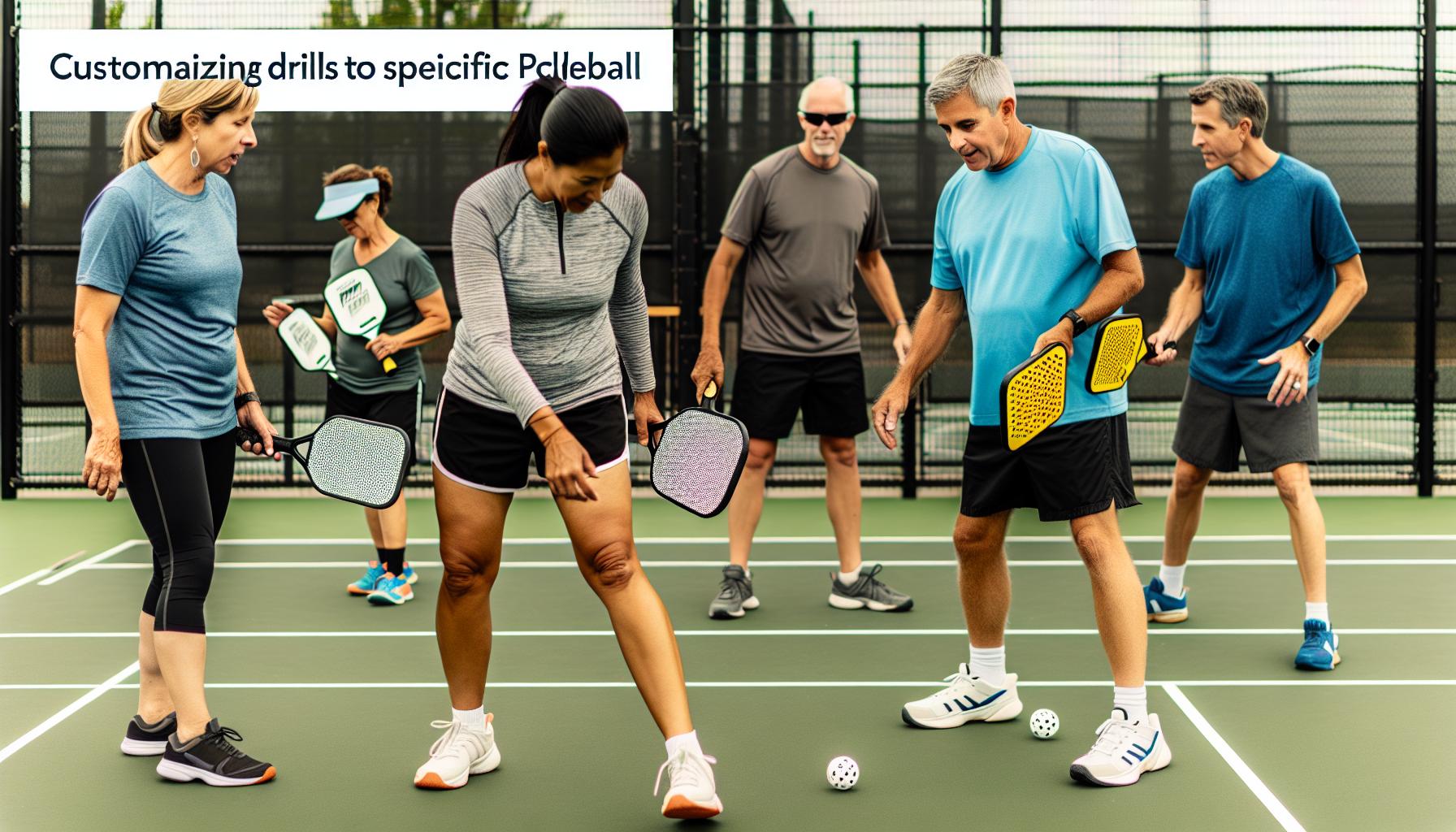
When practice feels too routine, drill customization transforms your Lobster pickleball machine from a simple ball feeder into a dynamic training partner tailored to your unique goals. One of the standout benefits of Lobster machines is their programmable feed patterns and spin options, allowing you to simulate real match conditions and focus on targeted skill development. Whether you want to sharpen your dinks, improve reaction to fast drives, or master drop shots with tricky spin, customizing drills empowers you to focus your practice where it counts most.
Advanced players will appreciate the dual-feed and multi-line drill capabilities available in mid- to high-tier models like The Pickle Two, The Pickle Champion, and Pickle Phenom®. For example,programming feeds alternately to the forehand and backhand sides can simulate unpredictable rally situations,enhancing court coverage and footwork.Incorporating topspin and backspin at varying speeds challenges timing and shot selection, building adaptability under pressure. Even beginners benefit from adjustable ball speed and consistent shot placement to solidify stroke mechanics before progressing to more complex shot patterns.
Strategies for Tailoring Your Drills
- Isolate Weaknesses: Use slow, consistent feeds to practice problem shots such as low volleys or backhand returns.
- Increase Intensity Gradually: Start with moderate speeds and spin, then increase speed or add deception once comfortable.
- simulate Match Scenarios: Program sequences that mimic common opponent shot patterns to develop anticipatory skills.
- Focus on Court Positioning: Alternate feeds to corners or middle to improve lateral movement and shot recovery.
For instance, if your third-shot drop is inconsistent, set your machine to deliver slow, low, soft balls with backspin to the non-volley zone, allowing focused practice on control and placement. Conversely, to train reflexes against aggressive returns, configure rapid-fire feeds with varying spin and speed to replicate fast-paced rallies. The flexibility to create these personalized drills means you can practice precisely what your game needs, rather than generic ball feeding.
considering Equipment and Budget
Not all Lobster models offer the same drill customization options. Entry-level units like The Pickle provide reliable speed and spin controls but lack advanced programmable drill functions. Intermediate and premium machines unlock full remote control and programmable sequences, justifying their higher cost for players serious about skill-specific practice. When choosing your Lobster machine, balance budget with your desire for drill control – programmable drills are invaluable when striving to elevate multiple aspects of your game simultaneously.
The power to tailor your drills transforms practice from repetitive to purposeful. Using the Lobster machine’s versatility thoughtfully will accelerate improvement across all pickleball fundamentals, turning your training sessions into focused, productive investments in your game’s future.
For more insight into specific Lobster models and their drill customization capacities, and to find one that perfectly suits your training style, visit the official Lobster Sports site [[2]]and trusted reviews [[1]][[3]].
Real-World Scenarios: training Like You Play Matches
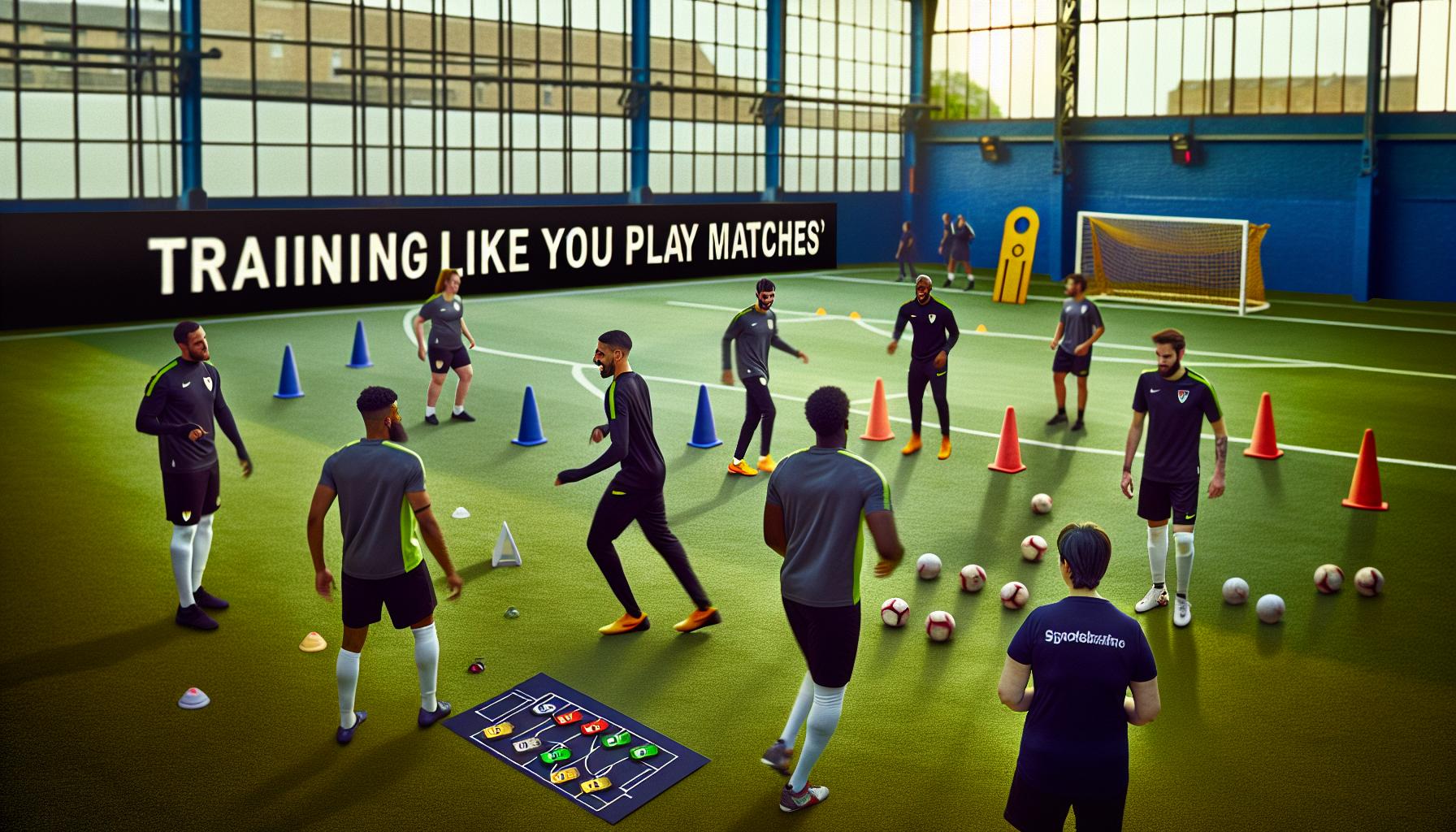
One of the most powerful ways to improve your pickleball game is by recreating authentic match conditions during training sessions. The Lobster Pickleball Machine excels at this by delivering a realistic variety of shots, speeds, and spins that closely mirror what you face on the court. Instead of hitting repetitive, predictable balls, you can program sequences that simulate typical opponent strategies-whether it’s a steady dink rally near the net or a rapid-fire drill with sharp drives and unpredictable placement. This approach bridges the gap between practice and competition, making your training more relevant and effective.
imagine preparing for a tournament where your opponents frequently mix aggressive serves with sudden drop shots. With Lobster’s advanced models, you can design drills that alternate between fast-paced, high-spin serves and soft, controlled balls landing deep in the kitchen.This trains your footwork, reaction time, and shot selection under pressure-key attributes for success. For example, practicing alternating feeds to your forehand and backhand mimics the unpredictability of a real rally, forcing you to stay engaged and sharp. It’s a dynamic way to build the mental and physical adaptability required in match play.
For beginners and intermediate players, programming match-like scenarios helps develop consistency and shot recognition. Slow, targeted feeds teach proper technique and positioning before gradually increasing the pace and complexity fosters confidence against varied shot types. Advanced players benefit from fine-tuning their tactical responses to spinning balls or developing faster reflexes by practicing multi-line drills that challenge court coverage and endurance. The flexibility to customize drills means training can evolve alongside your skill level.
- Simulate Pressure Situations: Use drills to mimic crucial points, like serving under pressure or returning rapid volleys.
- Practice Shot Anticipation: Program varying shot trajectories to develop early reading and reaction skills.
- Enhance Movement Patterns: Alternate ball placement across the court to improve lateral and forward-backward footwork.
- Replicate Partner Play: Set drills that mimic doubles strategies, including coordinated feeds targeting court zones.
Using the Lobster machine in this way makes your practice sessions feel less like drills and more like real competition. Ultimately, this prepares your mind and body to handle the pressures and variability of actual matches, while providing measurable improvements in timing, consistency, and tactical awareness. This game-centered training approach maximizes the return on your investment in premium equipment-making serious training accessible without needing a full court partner every time.
Maximizing Consistency and reaction Time with Lobster drills
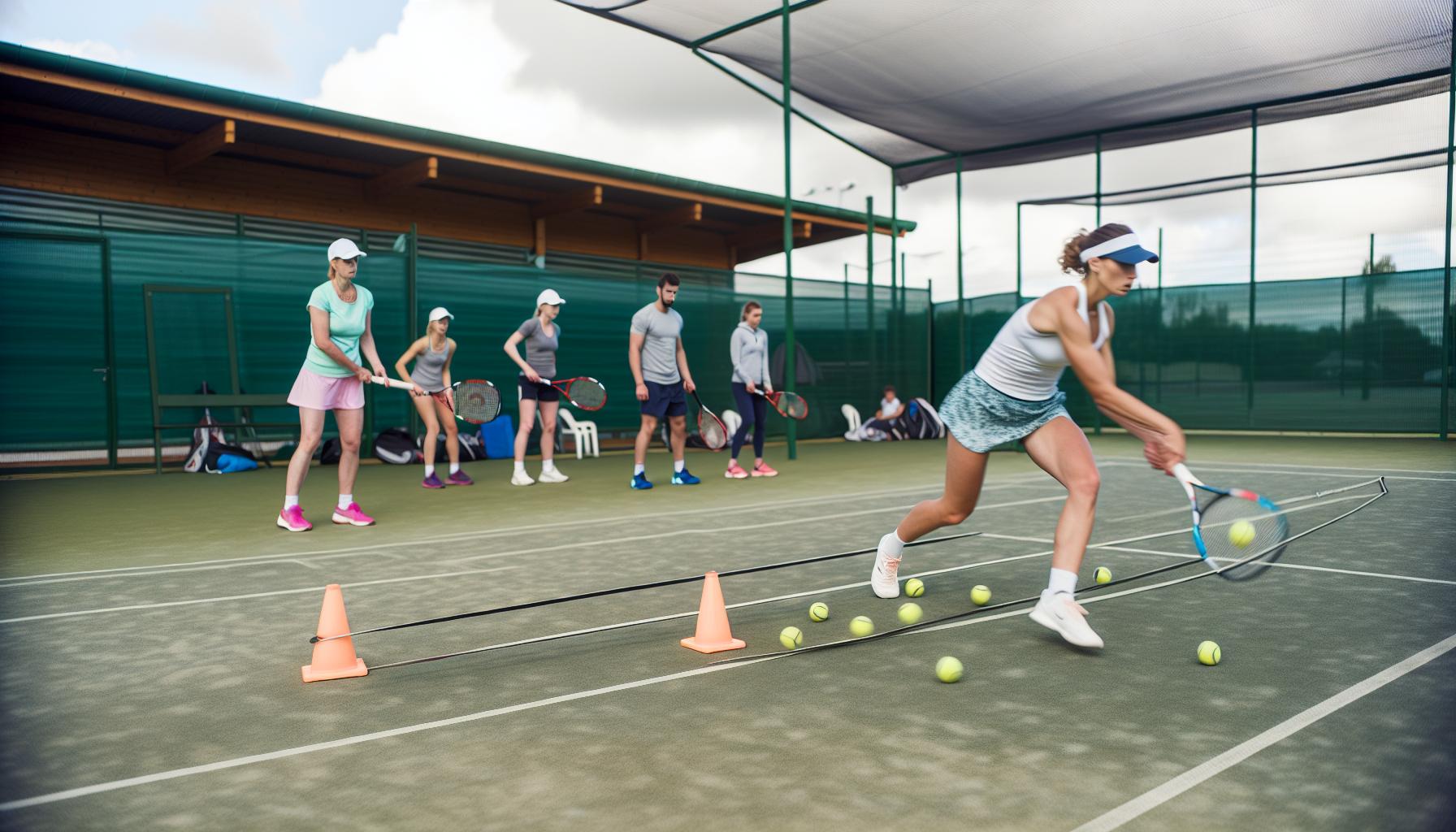
A balanced and reliable feed of balls at varying speeds and spins is a game-changer when striving to sharpen consistency and quicken reaction time on the pickleball court. Lobster’s machines stand out as they offer programmable drills that break the monotony of single-tone repetitions. this variability not only challenges your muscle memory but forces your brain to read and react to diverse shot patterns, closely mirroring actual match scenarios. Whether you’re solidifying your rally shots or sharpening rapid-fire volleys, the ability to customize feeds means every practice session pushes your limits without becoming tedious.
- Developing Consistency Through Progressive Difficulty: Start with slower, predictable shots to build flawless stroke mechanics and footwork. Gradually increase speed and add topspin or backspin to simulate real opponents. This progression conditions your timing and strike precision naturally.
- Enhancing Reaction Time with Multi-Line Drills: Lobster machines that support dual feeding lines allow balls to be delivered alternately to your forehand and backhand, improving lateral movement and quick direction shifts.Such drills replicate unpredictable game rhythms and help condition automatic responses.
- Integrating Match-Like Pressure into Practice: Simulating critical points-like fast serve returns or pressure volleys-using Lobster’s programmable sequences enhances mental sharpness. Over time, this primes your nervous system to stay calm and reactive during clutch moments.
Practical Tips to Maximize drills
- Mix shot types and speeds within a single drill rather than repeating identical balls; this prepares you for unpredictable rallies.
- Use timed drills to simulate fatigue conditions, training you to maintain precision even when tired.
- Incorporate footwork patterns such as short shuffles and lunges between feeds to enhance movement efficiency.
Think of your training like a well-crafted playlist rather than a single song on repeat. The Lobster Pickleball Machine acts as your personal coach, ensuring your brain and body work in harmony to process diverse shots rapidly and execute consistent returns. This targeted drill variety is especially useful for all skill levels: beginners build dependable fundamentals,intermediates gain tactical awareness,and advanced players maintain sharp reflexes to stay competitive.
| Drill Focus | Lobster Machine Feature | Benefit to Player |
|---|---|---|
| Slow feeds with spin control | Adjustable spin and speed settings | Builds solid technique and controlled strokes |
| Alternating dual-line feeds | Two-line feeding system | Improves rapid direction changes and anticipation |
| High-velocity ball delivery | speed range up to 65 mph | Enhances reaction time and endurance |
| Customizable shot sequences | Programmable drill modes | Simulates real match pressure and variability |
By incorporating these structured and realistic feeding patterns, players give themselves the edge needed to respond faster and more reliably during matches.The consistency gained in practice translates directly to more confident shot-making and clutch performance. Investing in a Lobster machine’s versatility, even if it’s a premium spend, unlocks training options unmatched by solo drills or partner-dependent practice, making your pickleball training both effective and engaging year-round.
Maintenance tips to Keep Your Lobster Machine Running Smoothly
Few things are as frustrating to serious players as a training session cut short by equipment failure. Keeping your Lobster machine in top shape is not just about longevity-it directly impacts the reliability and precision of your practice drills. With regular, simple care, even the pricier Lobster models reward you with years of consistent use, making the initial investment truly worthwhile.
Daily Upkeep for reliable Performance
Before and after each use,it’s smart to wipe down the machine’s exterior with a mild detergent and a soft cloth. This removes court dust, sweat, and residue that could seep into moving parts. Equally important is cleaning the rollers-which are the heart of your ball delivery. After every session, vacuum or gently brush away any jammed debris and dust from inside the machine. Neglecting this can lead to uneven ball throws or unexpected jams during practice. One quick habit: always turn the power off before cleaning to avoid any safety risks or mechanical mishaps.[1][3]
Periodic Maintenance to Avoid Downtime
Depending on how frequently enough you train, schedule a more thorough cleaning at least once a month. Open accessible panels to check for ball fragments, dirt buildup, and wear on rollers. Some Lobster machines come with easy-to-remove parts that simplify this task. Inspect the feeding belts and rollers for cracks or hardening; replacing these early prevents sudden breakdowns that interrupt your progress. Also, keep an eye on electrical cables for wear or loose connections. A well-maintained machine responds more precisely, maintaining the speed and spin accuracy you rely on for realistic drills.
Storage and Handling Tips
If your Lobster machine isn’t going to be used for an extended period, store it indoors in a dry, temperature-controlled space. Humidity and extreme temperatures can accelerate component deterioration. Use the original case or cover to protect it from dust and accidental bumps. Transporting the machine carefully also avoids misaligning the feeding mechanism, which can lead to inconsistency in ball delivery when you return to practice.
| Task | Frequency | Tools Needed | Benefit |
|---|---|---|---|
| Exterior wipe-down with mild detergent | After every use | Soft cloth, mild detergent | Prevents dirt buildup, keeps controls visible and working smoothly |
| Vacuum or brush inside to clear debris | After every use | Vacuum with small attachment, soft brush | Ensures smooth ball feeding and reduces jams |
| Roller and belt inspection for wear or damage | Monthly | Visual check, spare rollers (as needed) | Prevents sudden failures during training |
| Check power cables/connectors | Monthly | Visual inspection | Maintains consistent electrical performance |
| Store in dry, covered space | When not in use long-term | Machine cover or case | prolongs machine life |
Routine maintenance can feel like extra work, but this simple discipline pays dividends by ensuring that every stroke you practice is supported by dependable ball delivery. When your Lobster machine performs flawlessly, you’re free to focus wholly on refining your technique and strategy rather than troubleshooting equipment issues. Consider maintenance an essential drill of its own-one that keeps your training uninterrupted and your game advancing year-round.
Integrating Lobster Training into Your Weekly Practice Routine
Consistency is key when it comes to improving any sport, and pickleball is no exception. Integrating the lobster pickleball machine into your weekly routine not only adds structure but also ensures that each practice session has a clear focus-whether that’s improving your serve return,volley quickness,or reaction time. Unlike solo hitting against a wall or an inconsistent partner, the Lobster machine delivers precise, repeatable shots tailored to your skill level, helping you build muscle memory and confidence on the court.
Designing Your weekly Drills for Maximum Impact
To make the most of your Lobster sessions, start by setting specific goals for the week. Such as, dedicate one or two days to mastering dinks and soft shots by programming the machine for slow, low balls with varying spins.Another day can focus on fast-paced groundstrokes or smashes with higher speeds and topspin settings.This kind of targeted training mimics real match scenarios and breaks practice into manageable chunks without overwhelming you.
- Monday & Wednesday: Soft shots and volleys-set the machine for slower shot speeds with topspin/backspin variations.
- Friday: Reaction drills-program random feeds to improve footwork and quick decision-making.
- Weekend: Simulate match conditions with consistent shot placement and varied spin to combine technique and endurance.
Balancing Machine Time with Live Play
While the Lobster machine delivers unparalleled consistency, integrating live match play during the week remains essential. Use your Lobster sessions to hone individual skills and then head out with a partner or group to apply those skills dynamically. To avoid burnout or overuse injuries, consider alternating Lobster practice days with light on-court social games or strategy-focused sessions.The machine is a training tool, not a substitute, so blending both ensures you stay sharp and mentally engaged.
Adjusting for Skill Level and Time Constraints
Beginners might start with shorter,focused sessions-15 to 20 minutes per drill-gradually increasing intensity as comfort grows. Advanced players benefit from longer, multi-drill routines with fine-tuned settings reflecting competitive match speeds and spins. Busy players can create high-efficiency workouts by choosing drills that address their biggest weaknesses.The lobster’s programmability allows these adjustments, making it versatile enough to serve a weekend warrior and a tournament hopeful alike.
| Practice Focus | Suggested Lobster Settings | Duration | Skill Level |
|---|---|---|---|
| Soft Dinks & drops | Low speed, heavy backspin | 15-20 mins | Beginner to Intermediate |
| Groundstrokes & Passing Shots | Moderate to high speed, topspin | 30 mins | Intermediate to Advanced |
| Reaction & Footwork Drills | Random shot placement, variable speed | 20-30 mins | All levels |
| Match Simulation | Consistent speed/spin, varied placement | 45 mins | Advanced |
Consistent integration of Lobster training provides players with a reliable, customizable practice partner anytime the court is free. This predictability removes “down time” between shots and creates opportunities for focused repetition-something recreational players rarely experience on their own. Over weeks and months, these cumulative sessions pay off in quicker reflexes, sharper footwork, and better stroke mechanics. Whether you’re preparing for a league or simply aiming to elevate your weekend game, the Lobster machine becomes an indispensable asset that keeps your progress on track-even when life gets busy.
Common Trade-Offs: Premium Investment vs. Alternative Training Gear
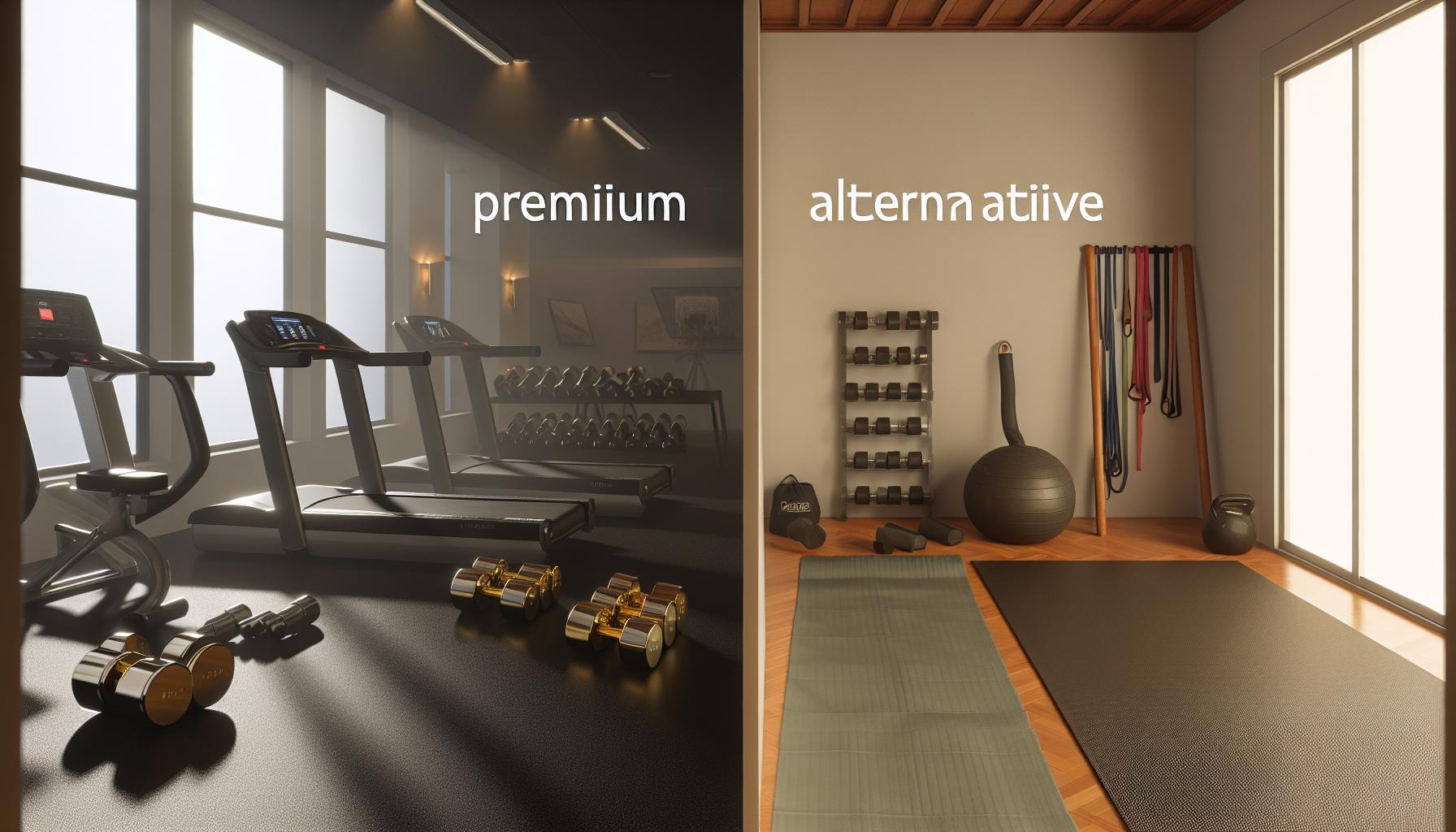
Investing in a premium pickleball training machine like the Lobster offers undeniable advantages, but it comes with trade-offs that every player should weigh carefully. High-quality machines provide a level of consistency, programmability, and shot variety that beginner-friendly alternatives or basic rebounders simply can’t match. However, that performance and reliability come at a steep initial cost that might be outside the budget range for many recreational players.
When considering your options, it’s useful to ask: how committed am I to improving systematically? For serious players focused on tournament play or advanced skill development, the lobster’s ability to deliver precise topspin, backspin, variable speeds (20-65 mph), and programmable drills replicates real match conditions in ways cheaper gear cannot. Contrast this with lower-cost options like manual rebound nets or simple ball feeders, which frequently enough lack shot diversity and suffer from inconsistent ball delivery. These alternatives might be ideal for beginners or casual players who want more affordable, low-maintenance training, but they usually won’t push your skills to the next level.
Balancing Features, Budget, and Practice Goals
It helps to frame your choice around skill level and training frequency:
- Beginners and casual players may find success with lower-cost alternatives that emphasize fundamental stroke repetition without the complexity or cost of a high-end machine.
- Intermediate to advanced players benefit from features like programmable drills, spin control, and shot randomness found in models such as the Lobster Champion, which hold up to 200 balls and offer fine-tuned settings.
- Competitive players with tight schedules appreciate that investing upfront in durable, portable, and versatile machines reduces wasted time and maximizes every practice session’s effectiveness.
Comparing Cost vs. Value
While the purchase price is often the most immediate concern, ongoing value should include considerations like troubleshooting support, machine longevity, battery life, and adaptability to your evolving game. The Lobster machines also tend to have better build quality and warranties-important for players who expect frequent and serious use.
| Feature | Premium Pickleball machine (Lobster) | Alternative Training Gear (Rebound Nets, Ball Feeders) |
|---|---|---|
| Shot Variety & Spin | Wide range of spins and shot types | Limited or no spin control |
| Consistency & Repeatability | High precision, programmable drills | Less consistent shot delivery |
| Initial Cost | $1,100 – $3,900+ | Under $200 – $500 |
| Maintenance & Durability | Robust construction, requires occasional upkeep | Usually minimal maintenance, but prone to wear |
| Portability | Varies by model; some with wheels for easy transport | Generally lightweight and easy to move |
Practical advice for Making Your Decision
If your primary goal is casual play or social improvement, opting for inexpensive gear that encourages consistent court time might be sufficient. But if you find yourself training multiple times weekly, aiming to sharpen specific shots with tailored feedback, or needing a reliable solo partner to simulate competitive conditions, the premium investment pays off over time.
Remember, it’s not just about the machine itself but how you integrate it into your practice routine. A high-end ball machine used sporadically won’t replace disciplined training, just as a basic rebound net won’t fulfill the needs of a player pushing toward tournament-level skills. Ultimately, awareness of your goals, budget, and willingness to maintain equipment will help you decide whether the lobster pickleball machine or alternative tools fit your pickleball journey best.
FAQ
Q: How long dose the battery last on a Lobster Pickleball Machine during training sessions?
A: The battery in a Lobster Pickleball Machine typically lasts about 3-4 hours on a full charge, depending on usage intensity. For uninterrupted training, keep a charger handy, as the premium charger cannot fully charge the battery while the machine is in use. Regular charging helps maintain peak performance[[2]](https://quantumleisure.com.au/wp-content/uploads/2023/11/thepickle.pdf).
Q: What maintenance steps are essential to extend the lifespan of a Lobster Pickleball Machine?
A: To keep your Lobster Pickleball Machine running smoothly, avoid putting wet balls into the machine, clean server wheels regularly, and store the unit in a dry place. Routine battery care and following the owner’s manual guidelines prevent common issues and extend equipment life[[1]](https://pickleballcentral.com/content/lobster-pickle-champion-owners-manual.pdf?srsltid=AfmBOoquHEPUK8AM5iHflr7q3_pQrLGJlK0jUeg5uFs1MEQX0ZzJHb1g).
Q: Can the Lobster Pickleball Machine simulate different playing styles and shot types?
A: Yes, Lobster machines offer adjustable settings for speed, spin, and trajectory to mimic various shot types like dinks, drives, and lobs. Customizable drills allow serious players to train for specific match scenarios and skill development, enhancing real-game readiness[[main article section: Customizing Drills to Target Specific Pickleball Skills]].
Q: What warranty coverage does Lobster Sports provide for their pickleball machines?
A: Lobster Sports offers a standard two-year warranty covering defects in materials and workmanship, except for batteries and server wheels, which have a six-month warranty.Extended warranty packages are also available for up to three years, ensuring investment protection for serious players[[2]](https://quantumleisure.com.au/wp-content/uploads/2023/11/thepickle.pdf).
Q: How portable is the Lobster Pickleball Machine for players who travel frequently?
A: The Lobster Pickleball Machine is designed with mobility in mind, featuring a durable carry case and manageable weight. Users can easily transport and set up the machine for practice sessions anywhere, making it a convenient training tool for traveling players[[3]](https://lobstersportsaustralia.com.au/frequently-asked-questions/?srsltid=AfmBOorxvOoxN6y7DkCkn_S8IWyD2zuuBd76i4cDzSaBRqVAn8C3V8Ho).
Q: What are the advantages of using a Lobster Pickleball Machine over human partners for solo training?
A: Lobster machines provide consistent ball delivery, adjustable speeds, and varied shot types, enabling focused repetition without fatigue or variability from a human partner. This makes them ideal for improving specific skills and reaction times, especially when solo practice is necessary[[main article section: How the lobster Pickleball Machine Enhances Training]].
Q: Are replacement parts for the Lobster Pickleball Machine easy to obtain and install?
A: Yes,replacement parts like server wheels and batteries are available through Lobster Sports authorized dealers. These components are user-friendly to replace, ensuring minimal downtime for serious players maintaining their training routine[[2]](https://quantumleisure.com.au/wp-content/uploads/2023/11/thepickle.pdf).
Q: How does practicing with a Lobster Pickleball Machine impact competitive play performance?
A: training with the Lobster Machine improves shot consistency, reaction speed, and strategic shot anticipation.This targeted practice translates directly to better match performance, as players can simulate realistic game scenarios and enhance muscle memory in a controlled setting[[main article section: Real-World Scenarios: Training like You Play Matches]].
—
For detailed setup advice, see the [Setting Up Your Lobster Machine](#) section in the main article to maximize your training efficiency. Explore model comparisons and budget-friendly options to find the perfect Lobster that fits your training goals.
In Summary
Ready to elevate your pickleball game with the Lobster Pickleball Machine? Whether you’re a serious competitor or an excited beginner, this premium training tool delivers customizable drills, realistic ball feeds, and consistent performance designed to sharpen your skills efficiently. Don’t miss out on unlocking your full potential-explore our detailed gear reviews and step-by-step technique guides to complement your practice sessions and make informed equipment choices.
Take the next step now by signing up for our newsletter and accessing exclusive tips on mastering advanced shots and strategic play. Curious about other training aids? Check out our in-depth comparison of top pickleball ball machines and the latest reset drills for a complete training arsenal. Join the community of players who trust expert insights to boost their game-leave a comment sharing your experience, and keep coming back for fresh strategies that keep your skills growing and your passion thriving.Your best pickleball performance starts here.
Get our latest guides, news, and insights highlighted in your Google Search & AI Overviews.