Picking up consistent, challenging practice shots is one of the fastest ways to improve your pickleball game, weather you’re a beginner looking to build essential skills or an advanced player refining strategy. The Lobster Pickleball Machine offers a versatile and portable solution, delivering balls up to 60 mph with customizable spins and shot types to simulate real match conditions. But is it the right fit for your skill level, budget, and training goals? In this complete buyer’s analysis, we break down the Lobster’s key features, performance, and practical benefits-helping you decide if this investment will elevate your game. From ball capacity and battery life to ease of use and portability, we cover what matters most for players aiming to practice smarter, not harder. If you’re ready to take control of your training routine and step confidently onto the court, keep reading to learn how the Lobster stacks up against other machines and whether it suits your unique playing style.
Lobster Pickleball Machine Key Features and Benefits
Few practice tools deliver consistent, dynamic pickleball drills quite like the Lobster Pickleball Machine. For players eager to sharpen specific shots or build endurance, this machine offers a blend of versatility and reliability rarely matched in automated ball feeders. Its ability to simulate real-game conditions-with varied ball placements, spins, and speeds-makes it a smart investment for players from beginners to advanced competitors aiming to elevate their play.
Key Features That Make a difference
The Lobster machine stands out primarily because of its large ball capacity and extended battery life.With a hopper that holds up to 135 pickleballs,you can practice uninterrupted for 6 to 8 hours on a single charge,allowing long,focused sessions without constant reloading or plugging in. Its remote control feature adds convenience, enabling quick changes to feed speed and placement without breaking rhythm. This flexibility is key for drills targeting diverse shots like dinks,volleys,or lobs,replicating the unpredictability of live opponents.
- Adjustable shot placement: The machine can project balls to multiple court areas, helping you practice lateral movement and court coverage effectively.
- Variable speed and spin settings: Fine-tune ball speed and apply topspin or backspin to simulate real game variations and improve your shot reaction and control.
- Compact and portable design: Despite its robust features,the Lobster model remains transportable and easy to set up,making it suitable for indoor and outdoor play.
- Remote operation: Change settings on the fly with a user-friendly remote,allowing solo players to keep drills seamless and productive.
Why these features Matter
For new players, the ability to control pace and placement means learning at your own speed without feeling overwhelmed by fast, erratic feeds.Intermediate and advanced players benefit from the precise spin control and random shot programming, which simulate match intensity and force quick adaption. Moreover, the extended battery life supports prolonged practice, an essential factor for serious players building muscle memory and endurance.
Real-world examples show that players who incorporate the Lobster machine into training routines see noticeable improvements in consistency and confidence. For instance, practicing the soft dink-often a tricky finesse shot-becomes easier with the Lobster feeding gentle, low shots repeatedly, helping refine touch and paddle control. Similarly, those working on aggressive drives will appreciate the speed variability helping nail timing.
the Lobster Pickleball Machine balances advanced features with user-friendly design, making it a beneficial tool whether you’re perfecting fundamentals or pushing competitive limits.Its thoughtful engineering turns solo practice into a well-rounded, game-like experiance that accelerates enhancement without the need for constant partners or coaches.
Who Should Buy the Lobster Pickleball Machine? Skill Levels and Play Styles
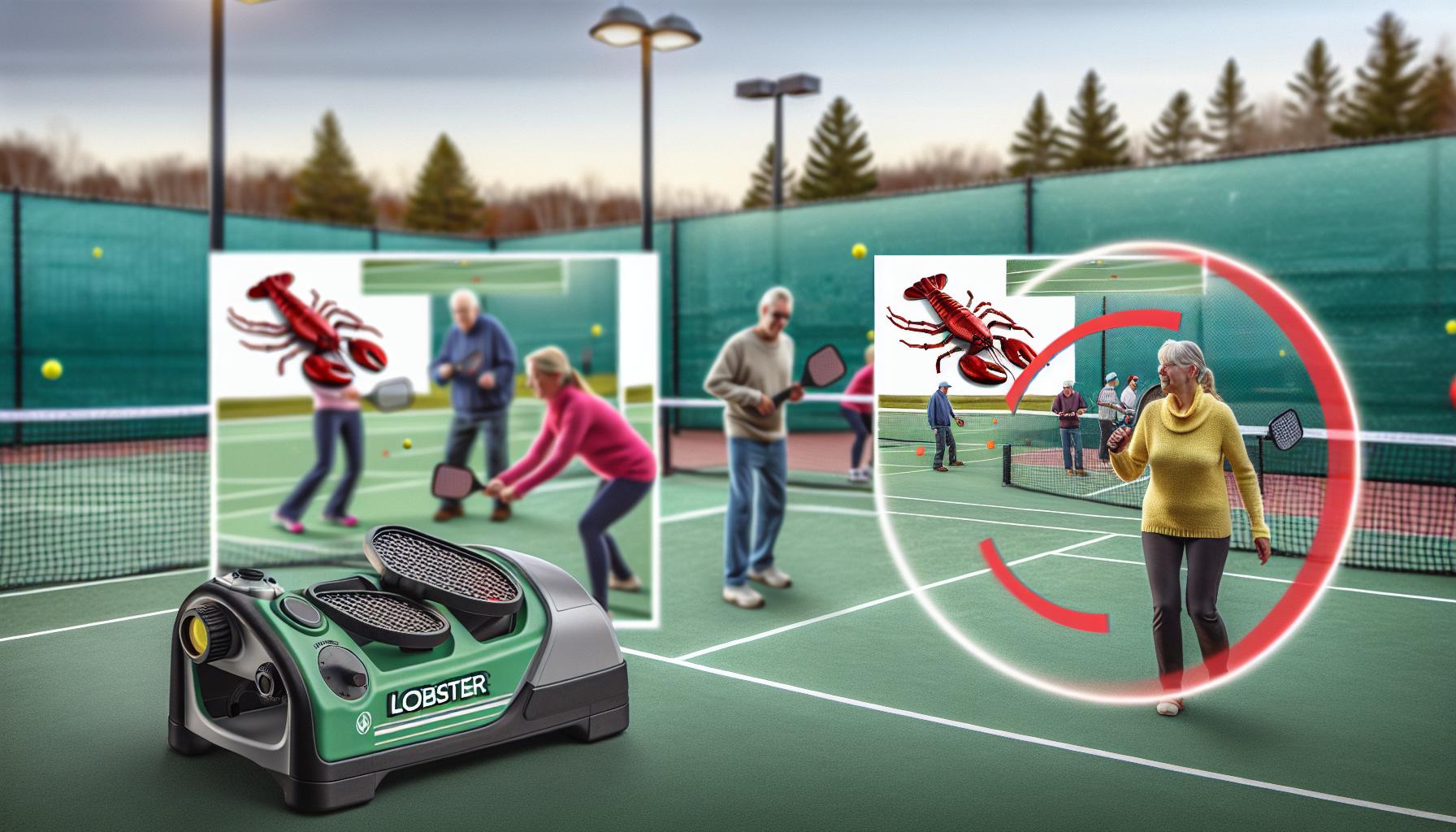
Pickleball players at all stages of their advancement can find value in the Lobster Pickleball Machine, but understanding who benefits most helps you make an informed decision. Whether you’re taking your first swings or pushing toward tournament-level play,this machine adapts to your needs with its versatile features and customizable settings.
Beginners will appreciate the controlled, consistent feed patterns that encourage skill-building without overwhelming pace or erratic ball delivery. The machine’s adjustable speed and placement let newcomers focus on mastering fundamentals like volleys, dinks, and returns at a agreeable rhythm. For someone just learning court positioning and stroke mechanics, practicing with predictable yet varied shots builds confidence and accelerates progress by providing immediate, repetitive feedback.
Intermediate and advanced players find the Lobster especially powerful for honing specific skills under simulated match conditions. The ability to add topspin or backspin and adjust speeds up to 60 mph mirrors realistic play challenges. This means hardcore competitors can train shot accuracy,reaction timing,and endurance without a partner. For example, a player working on quick lateral movement can program random oscillations to practice covering different court zones, enhancing footwork and anticipation. Likewise, those focusing on precision placement benefit from customizable drills targeting weak spots or practicing aggressive drives.
Matching Play Styles and Goals
- Casual Recreational Players: Excellent for solo practice sessions,offering fun and progression without needing a hitting partner.
- Competitive Club Players: Provides advanced drill options that simulate unpredictable opponent shots to sharpen tactical awareness.
- Coaches and Trainers: A reliable tool to customize drills for players’ individual skill levels and physical conditioning.
- Players Focused on Endurance: The extended battery life supports marathon sessions essential for conditioning muscles and developing consistency.
Budget considerations may impact choice as well. While the Lobster command a premium price compared to basic ball throwers, its durability, expansive feature set, and adaptability justify the investment for players serious about improvement.If you’re weighing cost against utility, ask yourself whether you need long-term reliability and versatile programming or simply a simple feeder to hit balls occasionally.
Ultimately,the Lobster Pickleball Machine fits seamlessly into diverse practice routines,from beginners solidifying their foundation to advanced players refining match-winning strategies. It empowers players to practice smarter, turning every solo session into a focused, game-like experience that’s hard to replicate otherwise.
Detailed Performance Review: Accuracy, Speed, and Spin Options
The Lobster Pickleball Machine excels at delivering a remarkably accurate and versatile ball feed, which is central to effective practice. Its dual-line projection system allows players to simulate both consistent rally drills and unpredictable shot placements,replicating real-game conditions. This accuracy in placement helps players develop sharp court positioning and anticipate opponent shots more efficiently. For beginners, this means receiving predictable serves that build fundamental strokes without frustration, while advanced users benefit from varied shot patterns that challenge reflexes and tactical decisions.
Speed adjustment is another standout feature, with the machine capable of launching balls from a gentle 15 mph up to a robust 60 mph. This wide range offers meaningful practice progression – beginners can start slow to internalize form and timing, and gradually increase pace as skills improve. Competitive players can push near-match speeds to simulate fast exchanges, helping improve reaction times and endurance. The smooth control over ball velocity also supports practicing different shot types,like soft dinks or powerful drives,without switching equipment.
Spin options add a valuable layer of realism to practice sessions. Lobster’s ability to impart both topspin and backspin challenges players to adjust racket angles and footwork dynamically, building versatile responses to diverse ball behavior. Such as, topspin shots bounce higher and faster, perfect for working on aggressive baseline returns, while backspin balls drop quickly, ideal for refining drop shots and net play. This spin control can be combined with speed and oscillation settings to create drills that hone specific skills such as slice returns or drop shot accuracy.
| Performance aspect | Key Features | Practice Benefits |
|---|---|---|
| Accuracy | dual-line drills with programmable shot placement | Improves court positioning and shot anticipation |
| Speed | Adjustable from 15 to 60 mph | Supports skill progression from beginners to advanced |
| Spin | Topspin and backspin options | Enhances shot variety and real-match simulation |
For players seeking to replicate match intensity, combining oscillation with speed and spin adjustments simulates unpredictable ball trajectories.Coaching scenarios often utilize random oscillations paired with fast speeds and spins to prepare athletes for quick lateral movements and adaptive shot-making. Beginners can toggle these settings off for steady feeds, focusing on stroke mechanics without distraction. This adaptability makes the Lobster machine a uniquely effective tool-whether you’re nailing down the basics or sharpening your edge for competition.
the machine’s precision in shot delivery,broad speed spectrum,and realistic spin capabilities work together to create a comprehensive training environment. These features empower players to structure effective, skill-targeted practice sessions with or without a partner. Keep in mind that while the premium price reflects these capabilities, the investment pays off in consistent, high-quality reps that promote faster, more measurable improvement on court.
Comparing Lobster to Other Pickleball Machines: Pros and Cons
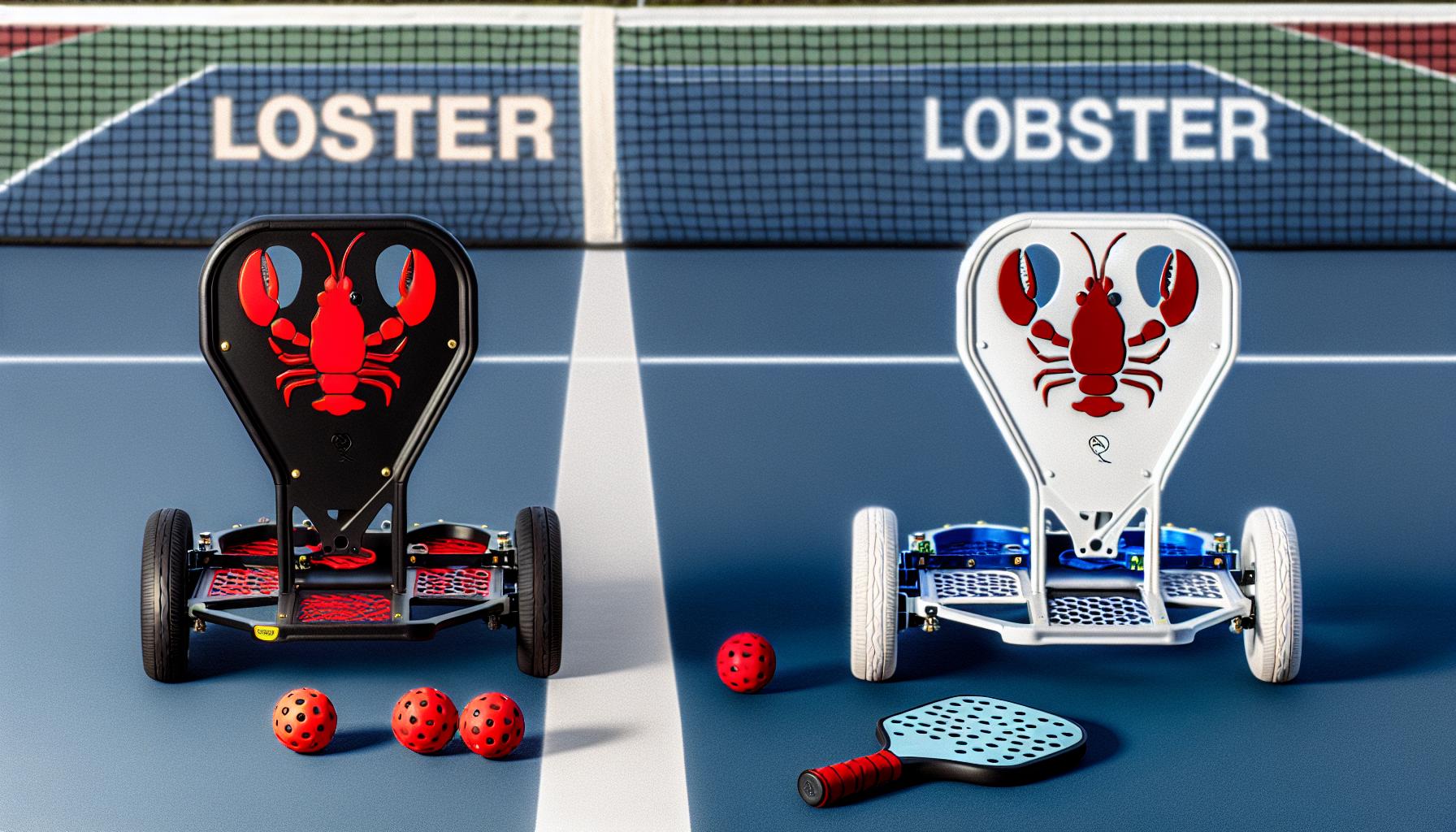
A standout fact about the Lobster Pickleball Machine is its remarkable blend of power and portability-a combination not often found together in this category.Its ability to launch balls at speeds up to 60 mph with both topspin and backspin places it at the high-performance end, while weighing only 35 pounds keeps it user-friendly for players who need a portable option for indoor and outdoor play[[[[[1](https://www.lobstersports.com/products/the-pickle-by-lobster)]. Comparing Lobster to other models highlights key trade-offs around portability, feature depth, and price-areas critical when selecting a machine that fits your practice habits, budget, and skill progression.
Performance and Feature Comparison
Lobster machines excel at delivering realistic shot varieties, featuring heavy spin options, programmable oscillation, and a broad speed range from beginner-friendly slow feeds to tournament-match pace. In contrast, some competitors, like the Tutor machines, often focus on simplicity and slightly smaller footprints but may lack the higher speed ceiling or advanced spin capabilities. Lobster’s large 125-ball hopper supports lengthy practice sessions without frequent reloads, a convenience that some smaller units can’t match. Though, this advantage requires extra storage space and makes the machine bulkier overall[[2](https://pickleballcentral.com/blog/a-pickleball-machine-comparison-lobster-vs-tutor?srsltid=AfmBOoqyWUqa3R-rZWiXhCJ8Jst7U2RgPOt4LYmSA-3fuuhsO_PRZ4NF)].
Portability and User Convenience
Weighing about 35 pounds with large 8-inch wheels, the Lobster strikes a good balance-easier to move than many heavier machines but slightly more cumbersome than more compact units. This design facilitates easy transport over varied surfaces and curb edges, making it practical for players who travel to courts. However, if you prioritize a highly compact unit for cramped storage spaces or limited transport options, a more condensed alternative like the Tutor or other compact models might be more appealing despite offering fewer features[[3](https://pickleballcentral.com/blog/a-pickleball-machine-comparison-tutor-plus-vs-tutor-vs-lobster/?srsltid=AfmBOorT8tWFU2FtfBXBowp-wNQXqtX_HbZ2ypK3zDJQUuUay7DXkvfk)].
Pricing and Value Considerations
Lobster machines generally command a premium price reflecting their advanced capabilities and build quality. while this may be a hurdle for casual or beginner players on tighter budgets, the performance benefits often translate into faster skill improvement, especially for serious enthusiasts and competitors. For players focused on skill development, the investment yields dividends through customizable drills and extended battery life-up to 4 hours per charge-which reduces downtime during training sessions. Budget-conscious players might find good value in Tutor or other entry-level machines but may have to sacrifice advanced spin control and maximum speed diversity.
| Feature | Lobster | Tutor | Other Key Models |
|---|---|---|---|
| Weight & portability | ~35 lbs, large wheels, easy transport | Lighter, more compact, less bulky hopper | Varies; generally less portable or heavier |
| Ball Capacity | 125 balls | Smaller hopper size | Varies |
| Speed Range | 15 – 60 mph | Up to ~50 mph | Usually less than lobster max speed |
| Spin Capability | Topspin & backspin | Limited or no spin options | Vary widely |
| Price | Premium | Mid-range to budget | Wide range |
Ultimately, the choice between Lobster and other pickleball machines hinges on your priorities: advanced features and longer sessions for dedicated players versus compactness and cost-effectiveness for general practice. Lobster’s combination of realistic shot replication, ease of mobility, and long battery life make it a worthy contender for players intent on serious improvement. Meanwhile, newer players or hobbyists can weigh whether a simpler machine suits their current needs without overwhelming complexity or cost. The decision should reflect your personal goals, available space, and how much you value the nuanced shot-making practice Lobster uniquely provides.
Setting Up and Operating Your Lobster Pickleball Machine
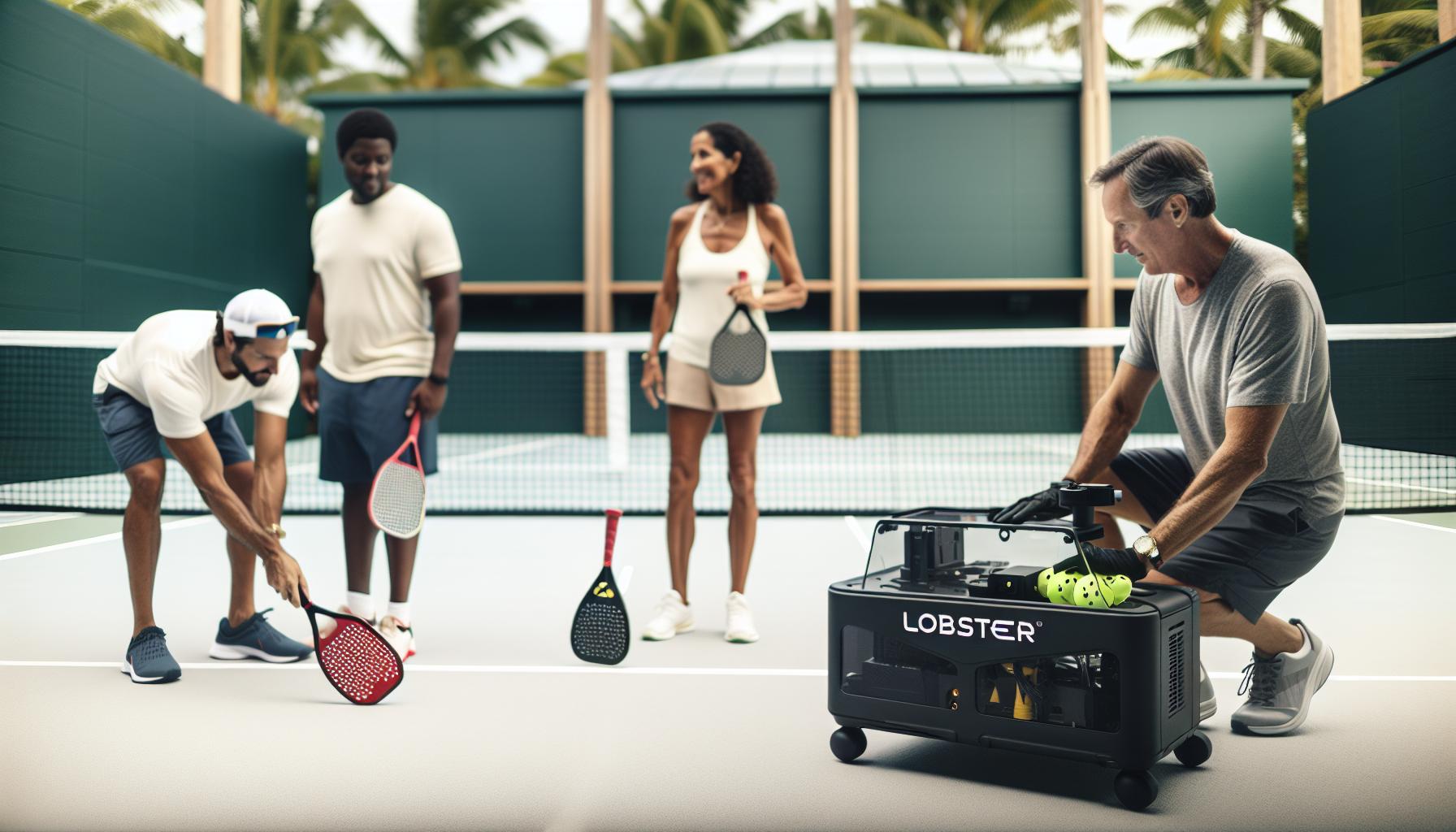
A well-set Lobster pickleball machine can transform your solo practice into a dynamic, match-like experience right on your home court. Despite its premium features,getting started is straightforward,making it accessible for players from beginners looking to build consistency to advanced competitors sharpening specific shots. Knowing the right setup steps and operating tips will help you maximize every training session while minimizing frustration.
Initial Setup and Placement
Before plugging in or powering up, place the machine on a flat, stable surface near the baseline or wherever you intend to practice. Lobster machines weigh about 35 pounds with large wheels, so maneuvering it on and off courts or in your garage is manageable but plan accordingly. ensure ample clearance in front of the machine (about 15-20 feet) to allow for ball trajectory and give yourself room to move freely during drills. If you’re indoors, check that the space accommodates the cabinet’s size and ball feed clearance.
- Battery or power source: Decide whether you’ll use the rechargeable battery or plug into an electrical outlet. The battery offers about 4 hours of continuous play, perfect for court-side portability without cord hassles.
- Load the hopper carefully: The Lobster accommodates up to 125 balls. Use quality, machine-approved pickleballs to prevent jamming and extend motor life.
Operating Controls and Drill Selection
Starting the machine involves simple, logical controls designed with user-friendly interfaces-on some models, a digital panel or remote allows you to customize drills. You can adjust ball speed, feed rate, spin (topspin or backspin), and oscillation patterns. This range lets you simulate diverse opponents or practice targeting weak spots in your game.
- Begin with default settings if you’re new, then gradually tweak speed and spin as confidence grows.
- Use oscillation patterns to replicate realistic shot variety, forcing you to practice footwork and reaction time. Such as, “double line” oscillation alternates between two court zones for lateral movement drills.
- Some models offer programmable drills or preset routines that mimic common game scenarios-for example, working on third-shot drops or fast-paced volleys.
Tip: always start with a slower feed and less aggressive spin during warm-ups, scaling up difficulty as your strokes sharpen.
Practical Use During Practice Sessions
Incorporate your Lobster machine into regular practice by setting focused goals each session-whether it’s improving forehand consistency or practicing return of serve. Here’s how you might structure a session:
- Warm-up: Low-speed, consistent feeds without spin to develop muscle memory.
- Drill specific shots: Tailor spin and placement to replicate slices,dinks,or drives by adjusting controls.
- Footwork focus: Use oscillation to train moving quickly between court positions, simulating match conditions.
- Cool down: Slow feeds and relaxed strokes to prevent injury.
In real-world scenarios, a competitive player might set the machine to alternate between backspin serves and fast topspin returns, replicating the unpredictable pace and spin of high-level opponents. Locating the machine at different points along the baseline also changes feed angles, offering more variety and challenge.
| Setup Step | Recommended Action | Practical Tip |
|---|---|---|
| Positioning | Place machine on flat surface 15-20 ft from net | Allow freedom for movement; avoid obstructions |
| Power | Choose battery or plug-in option | Battery ideal for outdoor; plug-in for longer sessions |
| Loading Balls | Fill hopper with approved pickleballs (up to 125) | Check for damaged balls to prevent jams |
| Control Settings | Set speed,spin,oscillation,and drill program | Start slow,increase difficulty as skills improve |
| Maintenance Checks | Inspect machine before/after use for debris or wear | Clean hopper and control panel regularly |
Remember,patience is key when mastering machine setup. Spend time experimenting with various settings to find what fits your practice goals best. Keep a log of favorite drills and settings for consistency across sessions. The Lobster machine’s advanced features provide a versatile platform for improvement, but consistent, purposeful practice is what truly elevates your game.
Maintenance Tips to Maximize Longevity and Reliability
Nothing shortens the lifespan of your pickleball machine faster than neglecting basic upkeep. Regular maintenance not only preserves your Lobster’s performance but also helps you avoid pricey repairs down the line. Whether you practice daily or just on weekends, a consistent care routine ensures your investment keeps delivering precise, match-like shots without interruption.
Cleaning is Key
Dirt,dust,and debris are the enemy of smooth operation,especially for the Lobster’s rollers and wheels. After each session, take a few minutes to wipe down the external surfaces and inspect the ball hopper for stray pickleball fragments or dust buildup. The rollers require particular attention as grime directly affects ball spin and feed accuracy.Use a soft cloth slightly dampened with water or a gentle cleaner-avoid harsh solvents.If your machine’s wheels pick up grass or court debris, clean them thoroughly to maintain smooth mobility and prevent wear[[[[[1]](https://www.youtube.com/watch?v=5p5zOFcRMSw).
routine Mechanical Checks
Before and after use, visually scan key components for any signs of wear, loose screws, or damage. The control panel and remote should be free of residue to ensure reliability. Pay special attention to ball feed mechanisms: a jammed or misaligned ball feeder can cause motor strain. A good habit is to run a quick empty test cycle occasionally to listen for irregular sounds or sluggish operation. This proactive step catches small issues before thay escalate.
Battery Care and Power Considerations
If you own a battery-powered Lobster model, proper charging habits extend battery efficiency. Avoid letting the battery drain fully before recharging, and store the machine in a cool, dry environment when not in use. For plug-in users,regularly check the power cord for frays or kinks. Using an appropriate surge protector can shield your device from power spikes-a simple investment that safeguards internal electronics.
Simple Tips for Longevity
- Use machine-approved pickleballs: Low-quality or damaged balls increase jams and motor stress.
- Store indoors when possible: Moisture and extreme temperatures degrade electronic parts.
- Keep a maintenance log: Track cleaning, battery cycles, and any repairs to identify patterns and timing for more comprehensive servicing.
- Follow manufacturer instructions: Your Lobster model may have specific requirements-refer to your manual regularly.
| Maintenance Task | Frequency | why It Matters |
|---|---|---|
| Clean rollers and wheels | After every use | Prevents buildup that reduces ball control and machine mobility |
| Inspect ball feeder and hopper | before every session | Ensures smooth feed, avoiding jams and motor strain |
| Charge battery correctly | After each session | Maximizes battery life and consistency of power delivery |
| Check and tighten screws | Monthly | Prevents loosening from vibration, extending machine stability |
| Store machine inside | After use / Long-term storage | Protects electronics from moisture and temperature damage |
Consistent care extends your Lobster’s readiness and accuracy without breaking your budget on repairs. Think of maintenance as a small time investment that racks up dividends on the court.Players at all levels benefit from a well-tuned machine, whether you’re serving up beginner drills or perfecting your topspin returns. With these tips, your Lobster will become a trusted partner in your pickleball journey for years to come[[2]](https://www.facebook.com/lobstersports/videos/maintenance-is-crucial-for-extending-the-life-of-your-machine-dont-forget-to-r/746390256615543/)[[3]](https://www.youtube.com/watch?v=RUF-Y4md-ds).
best Lobster Machine Models for Different Budgets
Investing in a Lobster pickleball machine can transform your practice sessions, but with several models available, it’s critically important to find the right fit for your budget and skill level. Whether you’re a weekend warrior or an aspiring tournament player, Lobster offers options that balance features, portability, and cost to suit your individual needs.Knowing where to spend and where to save can make your purchase smarter and your training more effective.
At the entry-level, the Internal Battery Model provides excellent value for beginners or recreational players. It’s lightweight, easy to transport, and runs long enough on a single charge for most casual sessions. This model delivers solid basic functions like 2-line oscillation, which helps replicate real game situations by varying shot placement. While it lacks some of the premium customization features, it’s perfect for those wanting to build fundamentals without breaking the bank.
Moving up, the External Battery Model presents a great blend of extended playtime and flexibility. Ideal for more frequent players or small group practices, it allows you to swap batteries quickly, keeping your drills consistent without interruption. The improved endurance paired with electronic elevation controls offers more shot variety, supporting players focused on refining their technique and shot selection.
For serious players who crave full control and versatility, the Electric Model shines. Plugging directly into an outlet removes battery anxiety altogether and delivers uninterrupted power for intense, long sessions. It boasts a more robust oscillation system and finer speed and spin adjustments, making it a smart choice for coaches or competitors who demand precision and advanced drill options. The option to combine internal battery with electric power offers the best of both worlds-cordless convenience and stable,continuous use.
| Model | Best for | Key Features | Approximate Price Range |
|---|---|---|---|
| Internal Battery Model | Beginners & Casual Players | Portable, 2-line oscillation, basic elevation | $1,200 – $1,500 |
| External Battery Model | Intermediate Players & Small Groups | battery swapping, extended session time, electronic elevation | $1,500 – $1,800 |
| Electric Model | Advanced Players & Coaches | Plug-in power, advanced oscillation, more spin/speed control | $1,700 – $2,000+ |
| Internal Battery & Electric Combo | Serious Competitors & Frequent users | Dual power options, full feature set, maximum versatility | $2,000 – $2,300 |
Choosing According to Your practice Style
If you primarily train solo, portability and battery life may be your top priorities. In that case, the Internal or External Battery models fit nicely, letting you set up quickly on any court. But if your sessions are longer or involve coaching multiple players, the Electric or Combo models justify their higher cost with enhanced consistency and advanced drill programs.
Remember, the best Lobster machine is the one you’ll use regularly and maintain properly. Careful upkeep preserves even entry-level units, while investing in premium models pays dividends by removing limits on training tempo and shot sophistication. Whichever option you pick, these machines bring high-quality, match-realistic ball feeding to all levels at practical price points[2].
Real Player Experiences and Tested Practice Drills

Many players find that integrating a Lobster pickleball machine into their practice routine can rapidly accelerate skill development, thanks to consistent ball delivery that replicates real-match scenarios. What’s impressive from firsthand accounts is how the adjustable oscillation, speed, and spin options allow users-whether beginners or advanced competitors-to tailor drills to their exact needs. These machines aren’t just tools but reliable practice partners that push players to focus on footwork, shot placement, and reaction time under controlled conditions.
From casual weekend warriors to serious tournament players, real users report notable improvements after dedicated sessions with Lobster machines.Beginners love starting with simple line drills that build accuracy and consistency. One popular routine involves setting the machine to feed alternating shots down two lines, mimicking rally patterns that encourage players to move laterally and maintain rhythm. Experienced players often praise the variability in speed and spin to sharpen their ability to handle more challenging shots, including slices, topspins, and deeper drives.Coaches especially value the electric-powered models for their capacity to sustain longer drills without interruption, facilitating focused technique correction.
Practice Drills Backed by Player Feedback
- Two-Line oscillation Drill: Setting the machine to alternate between left and right courts helps improve responsiveness and lateral court coverage. It’s excellent for beginners and intermediate players aiming to develop balance and shot anticipation.
- Random Oscillation Mode: More advanced players benefit from Lobster’s random oscillation, which simulates unpredictable shots. This drill enhances adaptability and decision-making under pressure, replicating the variability found in live games.
- Spin Variation Drills: Adjusting spin settings enables users to practice handling tricky balls that bounce differently. Mastering this aspect builds confidence returning serves or volleys with varying spin.
- Depth and Elevation Control: By practicing with balls consistently aimed at different court depths and heights, players can refine positioning and footwork, a crucial factor for effective court coverage.
Sharing experiences in online forums and pickleball groups, users often highlight how Lobster machines save time compared to rallying with a partner, enabling focused reps on specific strokes or weak points. A player prepping for regional competition noted that incorporating the machine’s preset “player-style” drills helped them simulate match intensity without the fatigue or inconsistency of human feeds.
Realistic Scenario Training for Greater Gains
Using the machine to recreate scenarios such as baseline rallies, dink exchanges, and fast volley drills supports comprehensive skill building. For example, one tested drill involves alternating between high arcing shots and sharp, fast feeds to practice both overhead smashes and quick reactions at the net. Another favorite among users is combining spin and speed changes to develop shot recognition and grip adjustments in real time.the balance of budget-friendly models with basic oscillation and premium machines featuring programmable drills means ther is a Lobster for every player’s level and pocket. Practical advice from seasoned users stresses starting with controllable settings and gradually increasing complexity to prevent frustration and encourage steady progress.
the takeaway? Consistent, varied practice with a Lobster ball machine transforms casual drill sessions into focused, game-relevant workouts. Players report enhanced confidence in rallies, sharper shot placement, and better endurance-all essential for competing at higher levels. Whether you’re just learning or looking to sharpen elite performance, the proven drills and versatility of Lobster machines deliver results that players respect and rely on.
advanced Techniques to Improve Your Game with Lobster

One of the most powerful ways to elevate your pickleball skills is by leveraging the precision and versatility of a Lobster pickleball machine. Beyond simply hitting repetitive shots, advanced players can harness customizable features like spin, speed, and oscillation settings to simulate match-like scenarios that challenge reflexes, shot selection, and mental sharpness. Integrating these variables in your drills builds both technical proficiency and game awareness,turning practice sessions into strategic workouts.
Start by mixing oscillation patterns with spin variations to develop quick adjustment skills. For instance, alternating between topspin balls sent to the deep court and slow, low-spin dinks near the net forces you to constantly reposition and change your paddle angle. This not only improves your footwork but also ingrains muscle memory for handling a range of shots under pressure. Experienced players frequently enough program random oscillations along with unpredictable spin to replicate opponents’ shot diversity, sharpening anticipation and reaction times.
Incorporate Tactical Patterns
- Simulated Opponent Play: Use preset “player-style” drills to mimic competitors’ tendencies-like consistent cross-court drives or aggressive net rushes. This trains you to recognize and counter specific shot types.
- Pressure Point Drills: Set the machine to deliver fast volleys or smashes at various heights to practice quick block returns and overhead smashes, crucial for controlling the net.
- Footwork-Intensive Sequences: Combine side-to-side oscillations with depth changes, forcing quick lateral movements paired with forward-backward adjustments to replicate real game footwork demands.
Fine-Tuning with Data and Feedback
Pair your Lobster machine sessions with video analysis or a willing practice partner for feedback on stroke mechanics and positioning. Tracking your consistency in returning balls with different spins or speeds reveals patterns where you might need to adjust grip or stance. Over time, raising the difficulty in manageable increments-whether by narrowing oscillation ranges or increasing ball feed speed-ensures continuous improvement without burnout.
| Technique | Machine Setting Focus | player Benefit |
|---|---|---|
| Random Oscillation + Spin Variation | Random oscillation, variable spin | Improved adaptability and shot reading |
| Two-Line Drill with Topspin | Oscillation on two lines, topspin | Enhanced court coverage, aggressive shot control |
| Depth Variation Drills | Adjust ball height and speed | Better positioning and anticipation |
Ultimately, your goal should be to replicate the unpredictable nature of live matches within controlled practice drills. The more you experiment with Lobster’s advanced features,the better you can simulate scenarios that exploit your weaknesses and develop your strengths. Whether refining shot placement, sharpening volleys, or practicing transition footwork, this machine becomes your tactical coach, offering endless drills tailored to your growth as a smart, versatile player.
Troubleshooting Common Issues and Customer Support Insights

Few things disrupt practice flow more than a pickleball machine that won’t cooperate. Fortunately, many common hiccups with Lobster pickleball machines are straightforward to diagnose and frequently enough easy to fix without specialized skills. From power issues to performance glitches, a calm, systematic approach can save you time and frustration, keeping your training on track.Knowing when to troubleshoot yourself and when to seek customer support is key to maximizing both your machine’s uptime and its longevity.
Typical Power and Charging Challenges
one of the most frequent complaints involves the machine not powering on or failing to hold a charge. First, confirm that your battery is fully charged and correctly installed. Lobster’s LED battery indicators on the control panel provide clear status cues – a solid green light typically means sufficient charge, while flashing or red lights signal charging or low battery [3]. In colder environments, lithium batteries may temporarily underperform-storing and charging them at moderate room temperatures helps maintain capacity.
Dealing with Ball Feed and Calibration Issues
Spinning, speed, and oscillation settings can sometimes become misaligned or inconsistent, leading to erratic ball delivery. If your Lobster machine displays a “calibrating” message or struggles to feed balls smoothly, start by clearing any ball jams in the feeder mechanism. Dirt, dust, or damaged balls are common causes of jams and feed failures. Regularly wiping down the ball feed wheels and ensuring you use the recommended ball types (typically indoor pickleball balls) reduces this risk.
If your machine’s oscillation or spin settings feel off, a factory reset can recalibrate the system to baseline performance. For precise calibration steps, refer to your model’s manual or online troubleshooting guides, which include step-by-step instructions tailored to your exact machine. For example, the Pickle Champion model documentation offers simple resets and troubleshooting protocols that resolve most minor glitches without technical assistance [3].
When to Reach Out: Customer Support Insights
While many issues can be solved through cleaning, battery care, or recalibration, some problems warrant expert assistance. Lobster Sports backs their machines with a two-year warranty on the product, and a six-month warranty on batteries and server wheels, reflecting confidence in build quality but also acknowledging wear items require replacementFrequently Asked QuestionsQ: How long does the battery last on a Lobster Pickleball Machine during typical use?
A: The battery life of a Lobster Pickleball Machine generally lasts about 3 to 4 hours of continuous play on a full charge. For extended sessions, it’s best to keep the charger handy or use an external battery pack. Refer to the Maintenance Tips section for optimizing battery longevity and charging habits.
Q: Can Lobster Pickleball Machines simulate different shot types for advanced training?
A: Yes, Lobster Pickleball Machines can replicate varied shot types including topspin, backspin, and flat shots. Adjusting settings allows you to practice defensive lobs or aggressive drives,helping sharpen skills for diverse play styles. Check out the Advanced Techniques section for maximizing shot variability.
Q: What are the best court conditions for optimal Lobster pickleball Machine performance?
A: For best performance, use the Lobster Pickleball Machine on a clean, flat pickleball court surface free of debris. Avoid wet balls or uneven ground as they can affect ball trajectory and machine durability. The setting Up and Operating section offers detailed setup tips to ensure optimal function.
Q: How portable are Lobster Pickleball Machines for travel and outdoor use?
A: Lobster Pickleball Machines are designed with portability in mind, featuring manageable weight and carrying handles. Though, some models vary, so consider size and battery life relative to your travel needs. Explore the best Models for Different Budgets section to pick the perfect travel-friendly option.
Q: Are Lobster Pickleball Machines compatible with third-party balls, or do they require specific balls?
A: Lobster Pickleball Machines are compatible with most standard pickleball balls and do not require any specific brand. This flexibility lets you choose balls based on preference or budget without impacting machine performance [1].
Q: How effective are Lobster Pickleball Machines in improving player reaction time and footwork?
A: Lobster machines boost reaction time and footwork by delivering randomized shots at varying speeds and placements. Regular practice with oscillation settings trains players to anticipate and move quickly,as detailed in the Real Player Experiences and Tested Practice Drills section.
Q: What should I do if my Lobster Pickleball Machine displays calibration or motor error messages?
A: Calibration or motor error messages often indicate mechanical blockage or sensor issues. First, reset the machine and check for obstructions. If errors persist, consult the Troubleshooting Common Issues section or contact Lobster support for step-by-step help [3].
Q: Where can I find accessories and replacement parts for my Lobster Pickleball Machine?
A: Official Lobster Sports outlets and authorized dealers provide accessories like remotes, batteries, and server wheels. For reliable parts and warranty service, visit the Lobster website or linked support pages, as explained in the maintenance Tips and Customer Support Insights sections.
For further tips on improving your game and equipment selection, explore our detailed sections on user experience and advanced play techniques. Your consistent practice with the right gear will make your pickleball journey both fun and progressive!
to Conclude
Choosing the right pickleball machine is a game-changer, whether you’re just starting out or sharpening your competitive edge. The Lobster Pickleball Machine stands out for its versatility, solid build, and customizable settings-perfect for all skill levels and budgets. If you’re ready to elevate your training and master consistency, this review helps clarify whether it’s the tool to fit your style and goals.
To keep improving, explore our detailed guides on pickleball techniques and equipment comparisons that complement your practice sessions. Don’t miss our tips on maximizing performance with smart training tools like the Lobster machine, designed to boost both precision and endurance. Ready to take the next step? Sign up for our newsletter to get expert advice, exclusive offers, and in-depth reviews delivered straight to your inbox.
Have questions or want to share your own experience? Drop a comment below-we love hearing from fellow players! Keep the momentum going by diving into our advanced strategy tutorials, and let’s keep growing your pickleball skills together with trusted, tested insights that put you on the path to success.
Get our latest guides, news, and insights highlighted in your Google Search & AI Overviews.