Mastering variable spin in pickleball can transform your game,giving you a critical edge whether you’re a beginner or a seasoned competitor. The Multi Twist Pickleball Machine offers customizable spin settings-from underspin to topspin-allowing players to practice realistic shot variations consistently. This training tool addresses a common challenge: replicating diverse ball spins during solo practice, crucial for sharpening reflexes and improving shot placement under pressure.
If you’re serious about elevating your skills, understanding how spin affects ball behavior is essential. The Multi Twist machine empowers you with precise control over spin and launch angle, bridging the gap between casual play and competitive readiness. While premium machines might come at a higher cost,their versatile features and ease of use justify the investment for dedicated players aiming to improve efficiently. Whether you’re working on returns, lobs, or tricky spins, this equipment brings pro-level drills courtside.
In the following sections,we’ll break down key features,share practical tips for integrating spin training into your routine,and help you make an informed choice that fits your budget and goals. Get ready to take your pickleball practice to the next level with targeted spin mastery.
Understanding Multi Twist Pickleball Machines and Their Benefits
A game-changing tool for pickleball enthusiasts at any level, multi twist pickleball machines bring variable spin capabilities to your practice sessions, adding a vital layer of realism and challenge that static ball feeders simply can’t match.these machines simulate the diverse spins and trajectories you encounter during live play, sharpening your reflexes and shot anticipation with each ball served. Whether you’re a beginner aiming to get comfortable with topspin and slice, or a seasoned player working on returning tricky spins, incorporating a multi twist machine extends your skillset far beyond basic hitting drills.
Unlike traditional ball machines that deliver only straight shots or a single spin type, multi twist models offer adjustable sidespin, topspin, and backspin settings. This adaptability allows players to mimic real match conditions where the ball’s spin affects bounce, speed, and placement. For instance, learning to read and respond to a slicing serve or a looping lob baked with heavy topspin can dramatically improve your return percentages and court positioning. The nuanced feedback loop between varied spins and your swing mechanics leads to faster muscle memory development and strategic awareness.
Budget-amiable options like the Pickleball Tutor Spin provide impressive spin variability with speeds adjustable from gentle tosses up to 60 mph, suitable for all age groups and skill levels. More premium units tend to add features like battery operation, programmable shot sequences, and finer spin calibration, supporting longer, more versatile training sessions.As you evaluate your options, consider how often you plan to practice, your physical space, and power requirements to strike a balance between cost and convenience. The return on investment shows in the consistent advancement of your touch and timing, turning practice strokes into competitive weapons.
- Realistic shot replication: Variable spins simulate opponents’ shots, preparing you for match unpredictability.
- Versatile training intensity: Adjustable spin and speed settings suit all skill levels, from beginners to elite players.
- Efficiency in solo practice: Replace the need for a partner with a machine capable of delivering diverse shot styles.
- Skill-specific drills: Target weak points by customizing spin types, like focusing on return-of-serve or dink shots.
Users frequently enough note that multi twist machines not only build technical skills but also enhance mental game awareness, helping them recognize spin cues faster and make smarter shot choices under tennis ball machine-paced conditions. Embracing this technology is an investment in smarter,more engaging practice routines that can elevate your pickleball game reliably over time.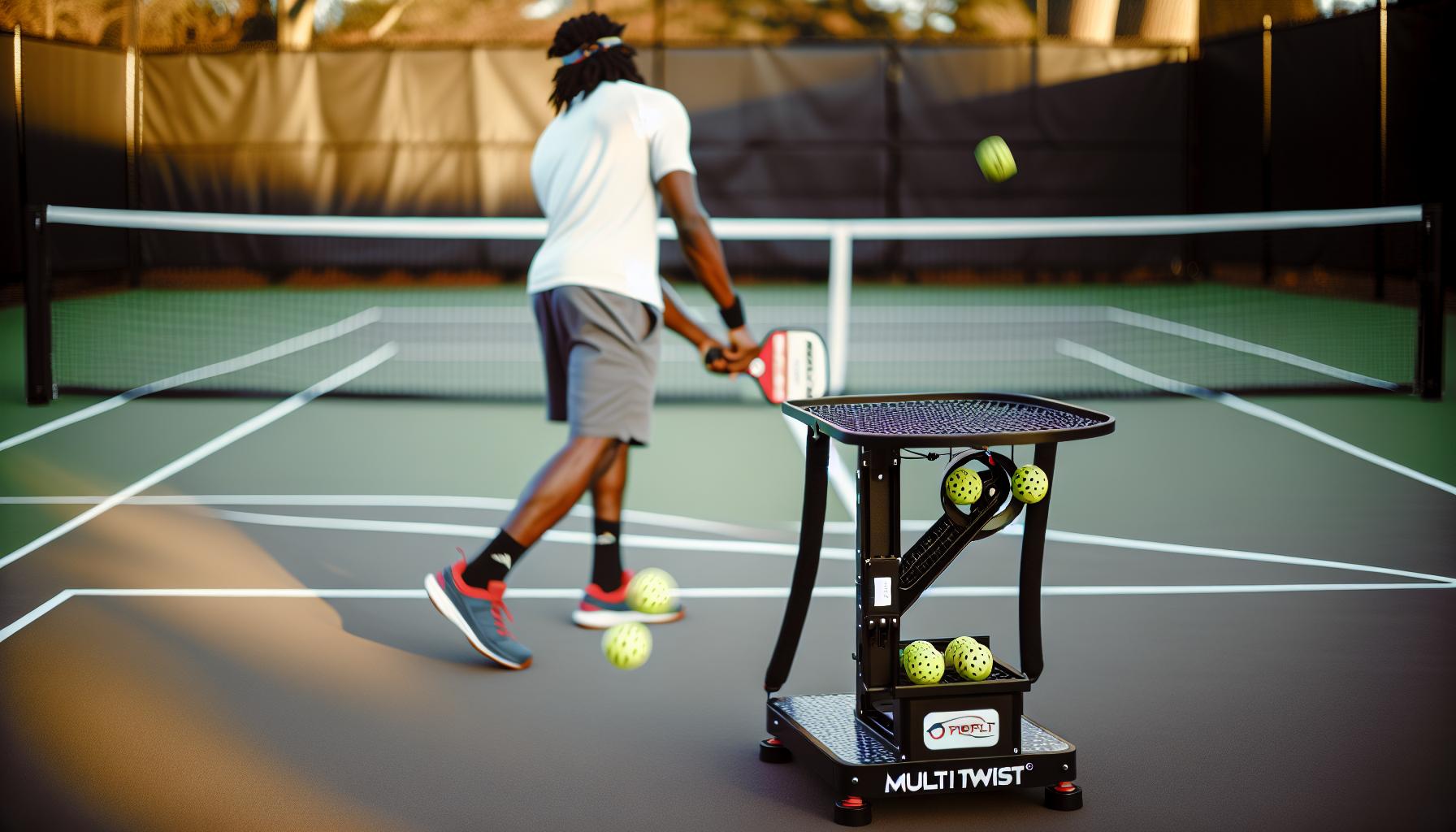
Key Features to Look for in Variable Spin Pickleball Machines
Variable spin pickleball machines open up a whole new realm of training realism, but selecting the right features can make a big difference in how effectively you develop your skills. The best machines combine versatility with usability, letting players of all skill levels dial in spin types and speeds that truly simulate live play scenarios. whether you’re chasing consistency or pushing your edge with advanced shot variations, understanding these key features will help you find a machine that turns practice time into tangible game improvements.
- Spin Variety and Control: look for machines offering adjustable topspin, backspin, and sidespin settings independently. The ability to customize spin intensity and direction-rather than just toggling ”spin on/off”-lets you recreate realistic shot trajectories. Fine-tuned spin control is essential for practicing slices or heavy topspin lobs realistically.
- Speed Range and consistency: A wide speed range-from slow tosses for beginners to faster shots approaching 60 mph-ensures the machine grows with your skill level. Consistent ball output with minimal variance makes it easier to focus on technique without constant readjustment. Premium models often offer programmable speed sequences, adding variety during training.
- Shot Placement and Oscillation: Machines that allow variable shot placements (wide, deep, short) combined with spin make drills more match-like. Look for oscillation features that simulate unpredictable shot locations but don’t overly randomize patterns, balancing challenge and focus during practice.
- Power Source and Portability: If you’re hitting outdoors or don’t have easy access to power outlets, battery-operated or rechargeable models offer greater versatility. However, keep in mind that battery-powered units might have slightly shorter run times or require longer charges. weigh portability against runtime based on your typical practice settings.
- Programmability and User Interface: For players invested in varied drills, programmable shot patterns and spin combinations let you mimic specific opponent styles or tournament scenarios. Intuitive control panels or remote controls reduce setup time-especially vital when maintaining drill flow or working solo.
- Durability and Build Quality: Machines built with robust materials and good weather resistance stand up better over years of use. Look for models that come with manufacturer support and clear maintenance guidance, as this protects your investment and ensures reliability during training.
Balancing Features with Budget
Entry-level machines frequently enough cover the essentials-variable spins and fair speed ranges-sufficient for most recreational players and beginners. Such as, a model like the Pickleball Tutor Spin provides solid spin variability up to moderate speeds, making it a practical starter. However, if you’re a serious competitor or coach looking for the most immersive and nuanced training options, premium units deliver finer spin calibration, programmable drills, and convenient portability but at a higher price point.
| Feature | Budget Models | Premium Models |
|---|---|---|
| Spin Types | Basic topspin & backspin, limited sidespin | Full adjustable topspin, backspin, & sidespin with fine control |
| Speed Range | Up to ~60 mph, consistent enough for entry-level | Extended speed control, programmable shot sequences |
| Shot Placement | Fixed or limited oscillation | Advanced oscillation with programmable target zones |
| Power Source | AC powered, limited portability | Battery/rechargeable options for outdoors use |
| User Interface | Basic controls, manual adjustments | Remote control, digital programming |
| Build Quality | Functional but lighter materials | Sturdy, weather-resistant designs, better warranty |
Investing in the right variable spin machine means aligning its capabilities with how intensely you train and the specific skills you want to sharpen. The nuanced ability to work on spins not only replicates competitive shots but also fosters smarter shot anticipation and adaptive footwork under pressure. When shopping, focus on machines that put you in control-because the ultimate goal is mastering spin variations, not just watching them happen.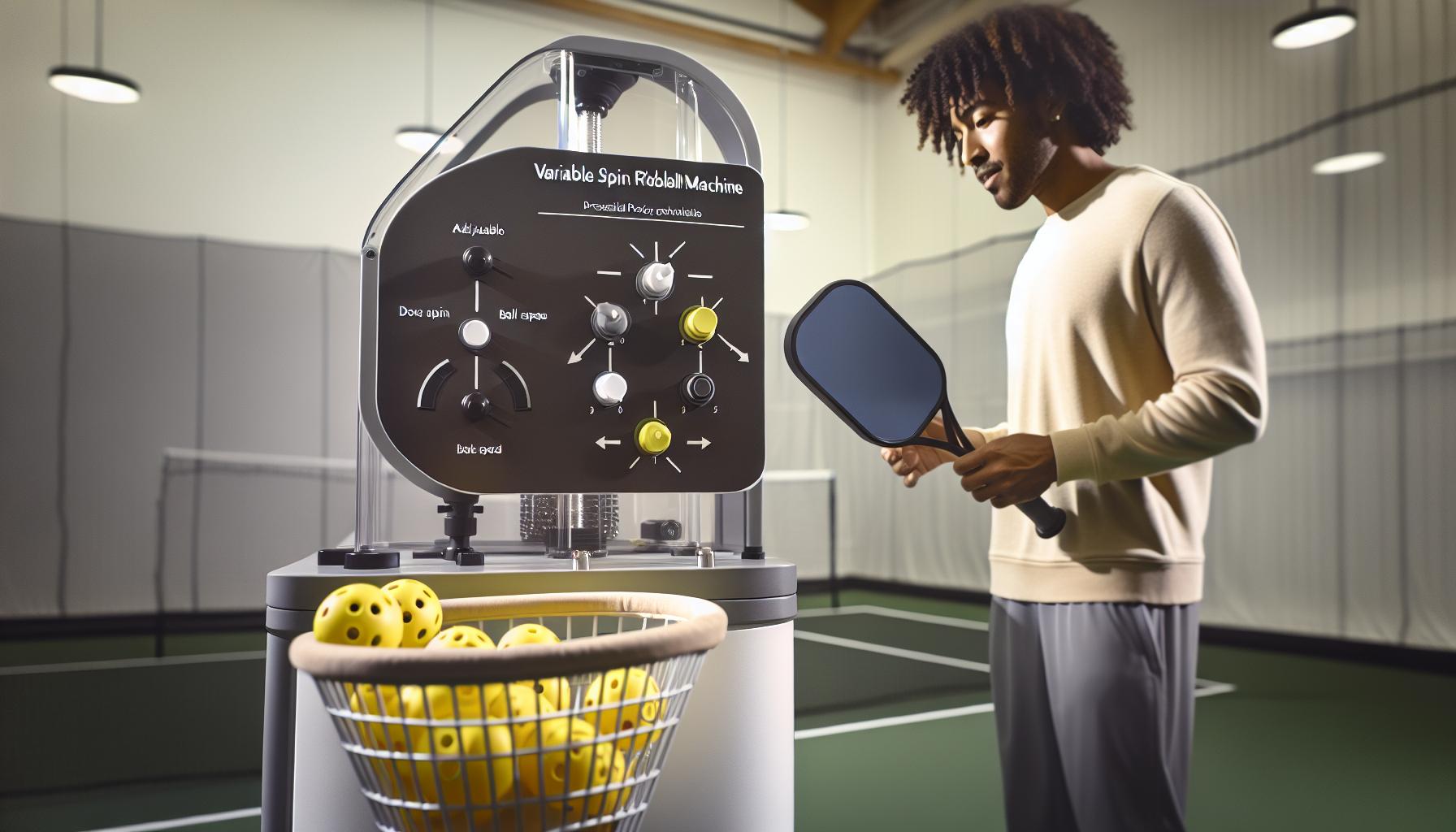
How Variable spin Enhances Your Pickleball Training
Variable spin pickleball machines dramatically elevate training by simulating the nuanced ball behavior players face in real matches.Instead of repetitive, predictable feeds, you encounter shots with authentic topspin, backspin, and sidespin dynamics that require quick footwork and precise paddle adjustments. This variety forces you to sharpen both your physical reactions and strategic thinking.Practicing with a machine that can reliably reproduce these spin types helps build muscle memory for handling tricky slices, unexpected ball bounces, and angle changes that often decide points.
Fine control over spin settings makes practice more constructive and tailored. Beginners typically benefit from slower balls with moderate spin to master timing and stroke mechanics, while intermediate to advanced players thrive when challenged with higher spin rates and complex shot placements. For example, dialing in heavy backspin simulates delicate drop shots, encouraging soft hands and touch finesse, whereas topspin drills condition your ability to rally aggressively with depth and speed. Incorporating sidespin introduces lateral deviations that mimic real opponents’ deceptive shots, requiring you to anticipate ball trajectory shifts and adjust positioning accordingly.
- Develop Realistic Shot Anticipation: Variable spin challenges you to read ball flight and speed accurately, an essential skill for competitive play.
- Improve Stroke Versatility: Working thru diverse spins strengthens your ability to execute slices, drives, and lobs confidently.
- Boost Mental Focus: Adjusting to changes in spin during drills enhances concentration and decision-making under pressure.
Training Smarter with Spin Variation
Moreover, many premium multi twist machines offer programmable drills that mimic specific opponents’ shot patterns or match scenarios. This valuable feature shifts training beyond repetition to strategic planning, allowing you to tailor sessions for skills like returning heavy topspin serves or defending against low, fast slices. When you control both spin and shot location, practice becomes immersive-not just hitting balls but rehearsing match-winning responses and building endurance against challenging spins.
It’s certainly worth noting that while top-tier machines provide more precise and varied spin control,budget-friendly options still deliver meaningful benefits. For example, a reliable mid-range machine with adjustable topspin and backspin can lay a solid foundation for handling different ball trajectories effectively. The key is choosing a machine whose spin capabilities align with your current skill and growth goals. Over time, incrementally increasing spin complexity will lead to pronounced improvements in your all-around game readiness.
Examples from Real Practice Sessions
Consider a player working on returning a heavy topspin lob from a multi twist machine. This drill requires timing and positioning adjustments unheard of with flat shots. Or a coach programming a sequence of side-spin drop shots followed by fast backspin shots to train quick directional shifts.These well-targeted drills hone technique, foot speed, and anticipation simultaneously-hallmarks of competitive advantage.
Integrating variable spin training fosters consistent improvement by simulating the unpredictable nature of live play. It conditions you not only physically but mentally, making each practice session purposeful and directly relevant to match conditions. Embracing this technology equips players at all levels with tools to become versatile, confident, and tactically savvy on the court.
—
For more on how spin physics relate to ball behavior and shot outcomes, dive into detailed explanations at resources like tennis Warehouse’s physics guide or advanced spin rate studies at Just paddles [[2](https://twu.tennis-warehouse.com/learning_center/pickleball/pickleballspin.php)] [[3](https://www.justpaddles.com/blog/post/pickleball-paddle-spin-rate/?srsltid=AfmBOorscHFy7noPhFZXIvMB8Va_zNn7JQKg1gpW_cqI3aBm3KfCVC0Z)].
Step-by-Step Setup and Operation Guide
Setting up a multi twist pickleball machine might seem daunting at first, but once you understand the basics, it becomes a straightforward process that unlocks advanced training opportunities. Whether you’re a beginner aiming for consistent feeds or an advanced player chasing precise spin control, following a clear setup routine ensures you get the most from your machine every session.Start by placing the machine on a stable surface near the center of your preferred practice area. This positioning maximizes the machine’s range and allows for natural shot angles.Next, the power source is crucial-premium models often feature rechargeable batteries or direct plug-in options, while budget units might rely solely on mains power. Confirm your machine is fully charged or plugged in before starting to avoid interruptions. Once powered, load the pickleballs into the hopper carefully; avoid overfilling to prevent jams. Many machines accommodate standard pickleballs,but always double-check ball compatibility to maintain smooth feeding.
Programming spin and shot parameters is where the magic happens. Most multi twist machines come with an intuitive control panel, sometimes accompanied by remote or app access for wireless adjustments. Begin with default or beginner-friendly settings-moderate speed and gentle topspin-to build timing and confidence. As you grow comfortable,gradually introduce backspin,sidespin,and variable shot placements to mimic real-game unpredictability. Remember to test each adjustment by hitting a few feeds and observing ball behavior; fine-tuning might be necessary to get the exact spin effect you want.
- Secure the angle and height: Adjust the shooting arm or wheels to target specific court zones-lower angles for drives, elevated for lobs or drop shots.
- set spin direction and intensity: Dial in topspin, backspin, or sidespin through dedicated controls, noting how changes affect bounce and trajectory.
- Choose drill mode: Use programmable sequences if available, or manual mode for repetitive shots.
A common real-world scenario: a player working to improve returns against tricky slice serves might set the machine to alternate between heavy sidespin and low-speed backspin balls, practicing footwork and paddle adjustments in a rhythm that imitates a live opponent’s style. starting simple and progressively increasing complexity helps avoid overwhelm and builds effective muscle memory.
| Setup Step | Beginner Tips | Advanced Adjustments |
|---|---|---|
| Placement | Center at mid-court,stable base | Experiment with offsets for angle drills |
| Power | Ensure steady outlet power or full charge | Use portable batteries for flexible sessions |
| Ball Loading | Use standard pickleballs,avoid overfilling | Test with premium balls for spin consistency |
| Spin Settings | Start with gentle topspin | Mix sidespin and rapid variation drills |
| Shot Selection | Manual,repetitive feeds | Programmed,multi-shot sequences |
Keep a maintenance mindset during setup,too. Regularly check wheels for debris and lubricate moving parts if recommended by the manufacturer. Doing a quick safety check on electrical connections and cable integrity before each session prevents frustrating breakdowns. The goal is a smooth, reliable operation that lets your focus stay on reaction and technique, not machine fuss.
By mastering these setup and operation steps, your multi twist pickleball machine becomes a trusted practice partner, capable of delivering the nuanced spins and shot placements that turn drills into match-ready skills. The investment in learning your machine’s workflow pays off every time you step on the court, empowered and ready.
Comparing Multi Twist Machines: Budget vs.Premium Options
Choosing the right multi twist pickleball machine means balancing your budget with your training goals and desired features. While premium models boast high-tech spin control and versatile shot programming, budget-friendly options can still offer solid practice opportunities for beginners and intermediate players. Understanding these differences helps you make an informed choice that maximizes value without overspending.
Core Differences Between Budget and Premium Machines
Budget multi twist machines typically focus on delivering consistent feeds with basic spin variations like topspin and backspin. They often rely on mains power, have fewer programmable drills, and limited remote or app-based controls. This makes them ideal for players who want dependable ball delivery and simple training setups but don’t require extensive customization or portability.
Premium machines, conversely, are designed for players who crave advanced variability and convenience. These frequently enough feature:
- Rechargeable batteries for wireless use, allowing practice anywhere on the court without power cords
- Multi-directional shot options, enabling you to simulate complex match scenarios with lateral and depth adjustments
- Intuitive control panels with remote or app connectivity for on-the-fly spin, speed, and shot pattern changes
- Higher ball capacity and smoother ball feeding mechanisms
- Robust construction for durability during frequent and intensive use
How These Features Affect Training Quality
If you’re a newcomer, a budget-friendly machine can build foundational skills with repetitive drill patterns and moderate spin control. Such as, consistent topspin lobs help acclimate you to ball trajectory and timing without overwhelming complexity. This builds confidence and muscle memory, a smart place to start.
Competitive or advanced players benefit from premium machines’ finer spin gradation and mixed shot sequences, which mimic real opponents’ unpredictability. imagine alternating between hard slice serves and deep backspin returns-a premium machine’s customizable programs make these scenarios effortless, accelerating refined footwork and shot anticipation.
Real-World Considerations
Budget units often weigh more and require constant power hookup, limiting practice location flexibility. You might experience occasional jams if overfilled or with lower-quality balls,so frequent maintenance is critically important.
Premium devices, while more expensive upfront, frequently enough save time with quick setup, reliable ball feeding, and long battery life. For players training several times weekly or coaching groups, the investment pays off through efficiency and enhanced session variety.
| Feature | Budget Machines | Premium machines |
|---|---|---|
| Price | $$ | $$$$ |
| Power source | Mains power only | Rechargeable battery + plug-in |
| Spin Options | Basic topspin/backspin | Variable topspin, backspin, sidespin |
| Shot Customization | Manual or limited programs | Advanced programmable sequences and app control |
| Portability | Heavier, cord-dependent | Lightweight, wireless use |
| Durability | Moderate | High-end build quality |
Ultimately, your choice depends on your pickleball journey stage, how often and where you practice, and your desire to simulate match-like spin complexity. Starting with a dependable budget machine allows building core skills at a friendly price, with the option to upgrade as your spin mastery and training demands evolve. For dedicated players pursuing precision and variable spin training,premium machines become invaluable,offering the fluid control and versatility needed to elevate every practice session.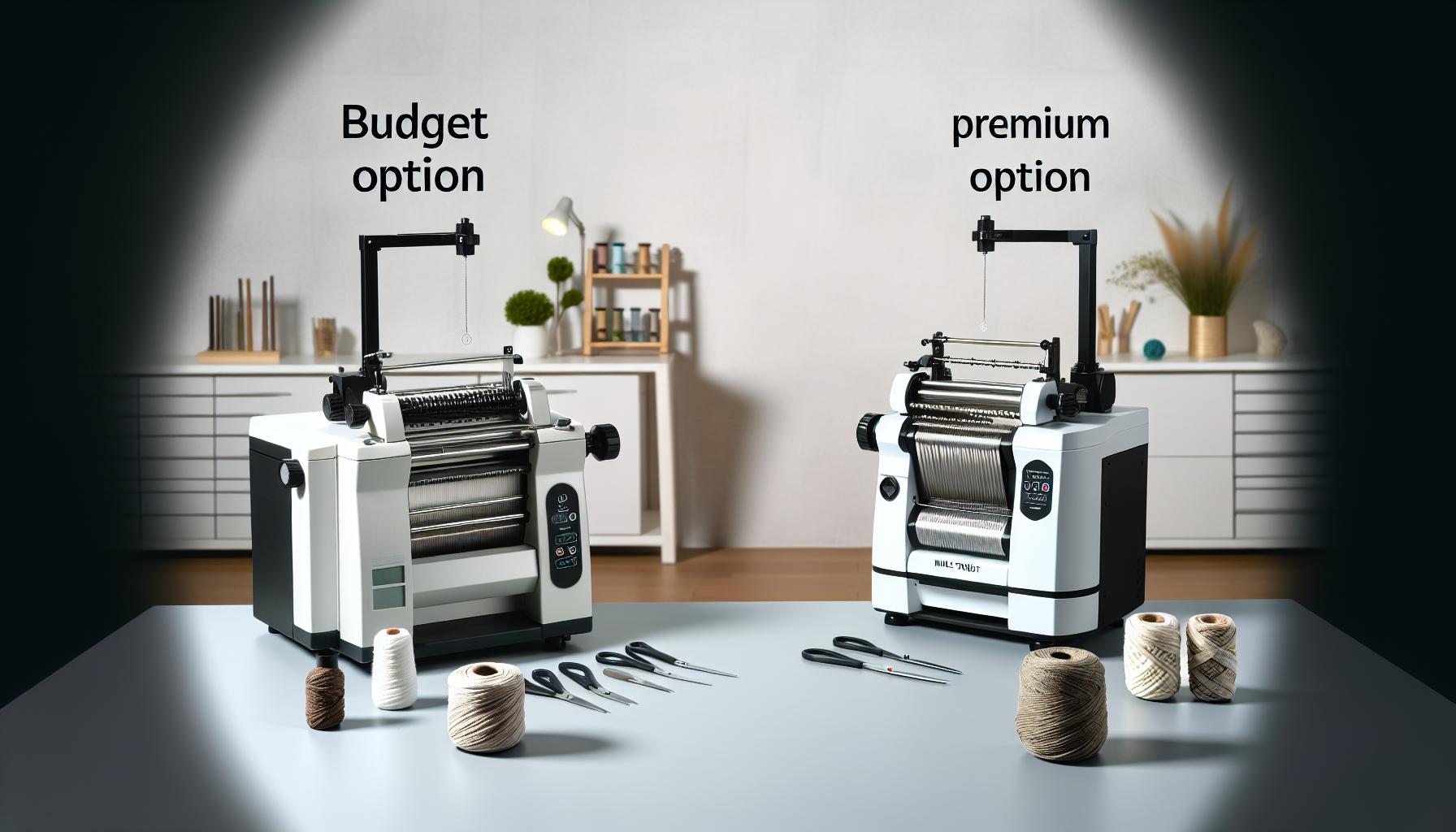
Drills and Techniques for Mastering Spin Variations
Mastering spin variations in pickleball dramatically improves your ability to control rallies and keep opponents guessing. Using a Multi Twist machine with variable spin capabilities lets you practice these crucial skills with precision and consistency, far beyond what random feeds can provide. Whether you’re a beginner learning the difference between topspin and backspin or an advanced player refining subtle slice and sidespin shots, structured drills harnessing your machine’s features make all the difference.
Spin Drills for Skill Building
Start with simple repetitive feeds focusing on a single spin type to internalize ball behavior. Such as:
- Topspin drill: Set your machine to produce moderate topspin lobs. Practice your offensive forehand drives and overhead smashes, observing how the ball arcs higher and kicks forward upon landing.
- Backspin drill: switch to consistent backspin deliveries. Concentrate on controlled dinks and drop shots,noting how the ball slows and “skids” on the court,forcing softer returns.
- Sidespin drill: Use sidespin (if your model supports it) to practice angled shots, improving your ability to hit sharp crosscourt returns or slice serves that curve unpredictably.
Rotating through these fundamentals in focused sessions builds a strong foundation before mixing spins in real-time scenarios.
Combining Spins in Dynamic Patterns
once comfortable with individual spins, progress to drills mixing random or programmed spin sequences. Premium machines with programmable apps shine here, simulating match-like unpredictability:
- Alternating spins: Alternate between topspin and backspin feeds to sharpen reaction speed and stroke adjustment.
- Spin variation rallies: Practice volleys or groundstrokes where each shot requires quick adaptation to a new spin type-mimicking opponent unpredictability.
- Directional spin shots: Combine spin changes with lateral feed adjustments to simulate wide angles and drop shots in one drill.
These drills reinforce footwork, anticipation, and shot selection, key at higher competition levels.
Technique Tips to Maximize Spin Control
Working with spin machines also provides valuable feedback to fine-tune your stroke mechanics:
- Adjust paddle angle: Use open paddle faces to lift topspin and slightly closed angles for backspin.
- Focus on wrist motion: Gentle wrist flicks add sidespin; stronger wrist snap correlates with sharper cut shots.
- Sync footwork and balance: staying balanced and ready positions yourself better for spin-modified bounces and timing adjustments.
Combine machine drills with video reviews of your technique to track progress effectively.
| Drill Type | purpose | Suitable for | machine Features Needed |
|---|---|---|---|
| Single spin Repetition | Build basic spin feel and control | Beginners, intermediates | Basic spin modes |
| Spin Alternation | Develop adaptability to mixed spins | Intermediate, advanced | Programmable spin switching |
| Directional Spin Combos | Simulate complex match conditions | Advanced | Multi-directional and spin control |
By progressing through these drills and focusing on precise adjustments, players of all levels can convert the variable spin potential of their Multi Twist machine into real on-court advantage. Consistent practice not only refines shot-making but builds confidence in handling whatever spin your opponent throws your way.Remember, balancing patience and challenge is key-start simple, experiment widely, and steadily raise your spin mastery as your skills develop.
Adjusting Spin Settings to Match Skill Levels
Adjusting spin settings to fit your skill level transforms practice from frustrating to fruitful. It’s easy to get overwhelmed by the full range of spin options on a Multi Twist pickleball machine, especially if you’re new or still mastering control. The key is starting with manageable challenges that build confidence before dialing up complexity. Beginners should focus on single-spin feeds with moderate rotation-this lets you really feel how topspin or backspin affects ball bounce and flight without the chaos of constant change. Meanwhile, advancing players benefit from mixing spins and introducing subtle sidespin variations to sharpen quick decision-making and stroke adaptability.
Budget versus premium models frequently enough differ in how finely you can calibrate spin intensity. While basic machines provide fixed or stepped spin levels good enough for basic drills, premium units typically offer smooth, programmable spin ramps and combinations. This matters when you’re ready to practice shots that mimic real-match scenarios, where spin is rarely uniform. For example,a mid-level player might start alternating topspin at 40-60% intensity with gentle backspin around 30%. Once these feel natural, raising intensity forces quicker adjustments, reflecting high-level play pressure.If your machine supports app control,use it to save and repeat spin patterns tailored to your training goals.
- beginners: Stick to simple topspin or backspin at low-to-moderate speeds. This builds foundational feel with less risk of mishits or misreads.
- Intermediate players: Gradually add sidespin and alternate spins to simulate realistic rally conditions and develop shot versatility.
- Advanced users: Push spin to maximum safe levels and integrate multi-directional feeds with variable spin breaks. Practice complex, unpredictable sequences like crosscourt slice serves and drop shots with backspin.
| Skill Level | Recommended Spin Settings | Training Focus | Machine Features Ideal |
|---|---|---|---|
| Beginner | Single spin type, low to medium intensity | Understanding ball behavior, control basics | Basic spin adjustments |
| Intermediate | Alternating spins, moderate intensity | Adaptability, stroke variation | Programmable spin switching |
| Advanced | Complex spin combos, high intensity, multi-directional feed | Match simulation, tactical execution | Full spin & direction programmability |
Remember, spin settings should complement your current shot repertoire and gradually push your limits-not overwhelm pace and timing. Adjust in small increments, practicing how changes alter bounce, pace, and trajectory. Take notes or video yourself to observe how spin influences your positioning and stroke adjustments. A wise approach is to mimic spins you expect from real opponents; this practical mindset turns machine time into meaningful skill gains. Ultimately,matching spin settings to your expertise level makes multi Twist machines a personalized,evolving coach-guiding you smoothly from foundational drills to advanced shot mastery.
Integrating Multi Twist Machines into Your Practice Routine
Few training tools match the versatility of a Multi twist pickleball machine when it comes to refining your spin technique and shot adaptability. Integrating one into your regular practice routine can transform solo drills into dynamic,match-like experiences that accelerate skill development,no matter your level. The key is to tailor each session’s focus with intention-whether it’s mastering a consistent topspin feed or challenging yourself with unpredictable spin variations that simulate live play.
for beginners and budget-conscious players, starting with fundamental spin settings paired with consistent ball feeds builds confidence and understanding of ball behavior. Allocate brief warm-up periods using simple topspin or backspin at low-to-moderate speed to develop feel and footwork without overwhelming your timing.From there, mix in directional variety in feeds to encourage movement and response adjustments. This foundational approach keeps practice engaging without requiring complex programming or app control features found in premium models.
Maximizing Practice Time with Programmable Spin Patterns
Intermediate and advanced players benefit considerably from the programmable features on premium Multi Twist machines. By designing custom spin sequences via app control or machine presets,you can mimic opponent shot styles-such as alternating between heavy topspin and subtle sidespin during extended rallies. Structuring drills this way helps improve real-time decision-making,stroke adjustment,and tactical shot selection. As a notable example, try a drill that cycles through a few topspin forehands followed by backspin drop shots to simulate pressure points during a match.Recording your feed patterns and revisiting them enables consistent progress tracking and focused repetition on challenging spins.
Practical Tips for Seamless Integration
- Schedule short, targeted sessions: Use 15-20 minute blocks focused exclusively on spin control before moving into multi-skill practice to maximize retention.
- Combine with on-court movement drills: Position the machine to throw varying spins from different angles, encouraging footwork and ready positioning as well as stroke adaptation.
- Use video feedback: Record your sessions to analyze how different spins affect your timing, stroke mechanics, and court positioning.
- Incrementally increase difficulty: Start with single spin types, progressing to mixed spins and complex sequences as confidence grows.
Ultimately, weaving a Multi Twist pickleball machine into your routine creates a feedback loop of skill refinement that’s hard to achieve with a human partner alone. Its ability to precisely deliver variable spin and ball trajectories provides a customizable, repeatable training environment. Whether working on consistent shot execution or sharpening your ability to read and react to spin variation, this training partner makes every practice session purposeful and progressively challenging.
| Practice Focus | Recommended Spin Settings | Machine Features Suggested | Ideal Player level |
|---|---|---|---|
| Foundational Control | Single spin type, low to medium speed | Basic spin adjustment, simple controls | Beginner |
| Transition Drills | Alternating spins, moderate intensity | Programmable spin switching, variable feed direction | Intermediate |
| Match Simulation | Complex spin combos, multi-directional feeds | Full spin programmability, app control | Advanced |

Troubleshooting Common Issues and Maintenance Tips
Precision and consistency define effective training with Multi Twist pickleball machines, but occasional technical hiccups can slow your rhythm. Understanding common issues and simple upkeep-whether you’re managing a basic model or a premium device-keeps your practice time productive and your equipment reliable. Even small maintenance habits dramatically extend your machine’s lifespan and safeguard your investment.
Common Operational Challenges and Quick Fixes
One frequent issue is inconsistent or stalled spin generation. This often results from dirt or debris caught in the spinning wheels or rubber tongues that apply the spin to balls.regularly clean these contact points with a dry cloth and inspect for any wear or misalignment. if the machine’s spin seems erratic or the ball feed jams, check for objects lodged inside, as well as for overly worn rubber parts-especially on models like the Sports Tutor or Lobster’s Multi Twist line, where the rubber tongue can get bent or off-center, causing jams or poor spin delivery [[3]](https://www.facebook.com/groups/1500384803612289/posts/3832716137045799/).
Another snag is the machine failing to power on or abruptly stopping mid-session. External battery packs or the internal power source could be at fault. Test the battery charge, ensure all connections are secure, and consult your user manual for specific error codes related to power issues; some machines show “feedback” or ”over-current” motor errors especially on elevation or spin motors, which signal mechanical resistance or electrical problems that require immediate attention [[1]](https://www.lobstersports.com/pages/pickleball-machines-troubleshooting).
Preventive maintenance-Small Steps for Big Gains
- Keep it clean: After each session, wipe down wheels, hoppers, and external surfaces. Avoid water-use compressed air or a soft brush to clear dust from motor vents.
- Check alignment: Ensure spin wheels and ball feeders maintain proper alignment. Misaligned parts degrade spin quality and accelerate wear.
- Lubricate moving parts: Refer to your manual to apply light machine oil or silicone spray sparingly to joints or mechanical sliders, but never on rubber contact wheels.
- Store properly: Keep your machine indoors in a dry, temperature-controlled environment. Exposure to humidity or extreme cold may damage sensitive electronics and rubber components.
Balancing Budget and Complexity in Troubleshooting
Entry-level machines usually have simpler mechanics, meaning troubleshooting can often involve basic cleaning and checking electrical connections.Though, premium machines with programmable settings and app controls may present more complex error reports-such as “feedback elevation or sweep errors”-which frequently enough indicate motor strain or sensor miscommunication [[1]](https://www.lobstersports.com/pages/pickleball-machines-troubleshooting). In such cases, manufacturer support or professional servicing might be necessary to avoid voiding warranties. Keeping a log of errors and operational quirks lets customer support assist you faster and more accurately.
| Issue | Likely Cause | Recommended Action | Skill Level |
|---|---|---|---|
| Spin inconsistency | Dirt buildup,rubber wear,misalignment | Clean wheels,realign parts,replace worn tongues | Beginner to advanced |
| Machine won’t start | Battery/power failure,loose cables | Charge battery,check connections,consult error codes | All |
| Error messages (e.g., overcurrent) | Motor resistance, debris, sensor fault | Inspect motors, clear obstructions, seek professional help if unresolved | Intermediate to advanced |
Thoughtful maintenance and prompt troubleshooting empower you to focus on elevating your spin and shot mastery without interruption. The right care routine, aligned with your machine’s complexity and your skill level, makes your Multi Twist pickleball machine a dependable ally in every training session.
Real-World Player Experiences and Performance Insights
Few training tools transform your pickleball skills quite like a Multi Twist machine tailored for variable spin practice. Many players, from weekend warriors to tournament contenders, report that mastering the spin options on these machines substantially elevates their ability to read and respond to real-game shots. The nuanced control over topspin, slice, and flat shots simulates unpredictable ball behavior better than standard ball feeds-something competitors cherish when sharpening their footwork and shot selection under pressure.
Players stepping up from entry-level models appreciate the simplicity but often find themselves upgrading to premium machines with digital controls and programmable drills as their skills advance. These premium options, while pricier, offer a level of precision and consistency that serious players say “feels like training with a pro.” Yet, even budget-friendly Multi Twist machines earn praise for their robust build and dependable spin delivery, making them excellent starting points for newcomers looking to diversify their shot repertoire without overwhelming complexity or cost.
Insights from Practice and Match Play
- Skill Adaptation: Several users highlight how varied spin settings directly improve in-match adaptability. Practicing against balls that mimic opponents’ spins-like heavy side or backspin-builds confidence in both offense and defense.
- Shot Anticipation: Training with variable spins fine-tunes anticipation and hand-eye coordination. Players notice fewer mishits and better placement during matches.
- physical Conditioning: As spin variations demand specific footwork adjustments, players also report enhanced agility and stamina after consistent machine-assisted training.
- Time Efficiency: Real-world users value how the machine allows focused drill sessions targeting weaknesses, without the need for a partner, making every practice minute productive.
Balancing Expectations with equipment Choices
Different machines have distinct pros and cons players mention often:
| Feature | Budget Models | Premium Models |
|---|---|---|
| Spin Control | Manual adjustment, less precision | Digital presets, finer variability |
| Ball Capacity | Lower (20-30 balls typical) | Higher (up to 60+ balls, multiple ball types) |
| Portability | Lightweight, battery-operated | Heavier, may need power outlet but some offer battery options |
| Durability | Good for casual use | Heavy-duty build for frequent training |
| Cost | Affordable ($300-$700) | premium pricing ($1000+) |
Tips from Experienced users
- Start simple: Focus first on controlling consistent spin before experimenting with rapid spin changes.
- Mix drills: Combine drills that vary spin, speed, and placement to simulate real-game situations effectively.
- Record yourself: Videoing practice helps identify weaknesses in stroke adjustments to spinning balls.
- Maintain routinely: Regular cleaning and rubber component checks preserve spin quality and machine reliability.
- Integrate with coaching: Use insights from coaches to customize spin settings that fit your playing style and goals.
Ultimately, the consensus from the pickleball community is clear: investing time with a Multi Twist ball machine paying close attention to spin dynamics adds a tangible edge to your game. Whether you choose a budget or premium model, embracing the machine as a versatile practice partner sharpens your reflexes, builds strategic shot execution, and makes challenging opponents feel a little more predictable.
Frequently asked questions
Q: How can Multi twist Pickleball Machines improve spin technique beyond basic training?
A: Multi Twist Pickleball Machines enhance spin technique by offering precise variable spin controls that simulate real-game ball behavior.This allows players to practice advanced spins such as topspin and slice, improving ball control and reaction time. For detailed drills, check the Drills and Techniques for Mastering Spin Variations section for practical training exercises.
Q: What maintenance practices extend the lifespan of a Multi Twist Pickleball Machine?
A: Regular cleaning of the ball feed area, checking for worn-out parts, and lubricating moving components are key to extending your Multi Twist Machine’s life. Always store the machine in a dry place to avoid moisture damage. For step-by-step tips, see the Troubleshooting Common Issues and Maintenance Tips section in the main article.
Q: How do Multi Twist Pickleball Machines adjust difficulty for beginner versus advanced players?
A: These machines allow users to adjust spin intensity and ball speed easily, making them suitable for all skill levels. Beginners can start with slower speeds and minimal spin, while advanced players can increase variability to challenge their reflexes. For detailed setup, refer to Adjusting Spin settings to Match Skill Levels in the article.
Q: Can Multi Twist Pickleball Machines simulate match-like variability in ball spins?
A: Yes, the Multi Twist machines feature programmable spin variations that replicate realistic match conditions by alternating spin types and speeds. This helps players adapt quickly during games. Explore Integrating Multi Twist Machines into Your Practice Routine for advanced usage tips that mimic real match scenarios.
Q: What are the best portable Multi Twist Pickleball Machines for outdoor training?
A: Look for machines with lightweight frames,rechargeable batteries,and durable weather-resistant materials for outdoor use. Portable models balance performance with convenience, ideal for park or club courts. Our Comparing Multi Twist Machines: Budget vs. premium Options section helps identify models suited for outdoor portability.
Q: How do variable spin settings affect ball flight and player reaction time?
A: Variable spin alters ball trajectory, bounce height, and speed, challenging a player’s timing and footwork. Training with multi-spin settings improves anticipation and stroke adaptability. Learn more by reviewing How Variable Spin Enhances Your Pickleball Training to experience the impacts firsthand.
Q: What troubleshooting steps help when the Multi Twist pickleball Machine’s spin mechanism malfunctions?
A: If the spin mechanism stops working,check for jammed balls,ensure power supply stability,and verify spin control settings. Reset the machine and inspect moving parts for wear. Refer to Troubleshooting Common Issues and Maintenance Tips for detailed guidance to fix common problems efficiently.
Q: How does mastering variable spin with a Multi Twist machine translate to improved in-game performance?
A: Training with variable spin machines builds better stroke precision, spin control, and defensive play, offering a competitive edge during matches. Players gain confidence handling unpredictable shots. For real-world effectiveness, see Real-World Player Experiences and Performance Insights in the article and apply these insights to your practice.
Explore these FAQs to deepen your understanding and maximize your training with the Multi Twist pickleball machine. For more in-depth strategies, visit the linked sections in the main article and elevate your pickleball skills today!
Future Outlook
Mastering variable spin with the Multi Twist Pickleball Machine elevates your training by offering precise control over shot dynamics-ideal for players across all skill levels seeking consistent improvement without breaking the bank.Whether you’re refining beginner fundamentals or advancing your competitive edge, this machine’s customizable features make focused practice achievable and efficient. Don’t wait to transform your gameplay; integrating this innovative training tool now will accelerate your progress on the court.
Ready to deepen your skills? Explore our detailed guides on pickleball equipment comparisons and advanced shot techniques to complement your training routine. For those curious about optimizing match strategies or enhancing paddle selection,our in-depth resources are just a click away. Sign up for our newsletter to receive expert tips, gear reviews, and exclusive offers tailored to passionate pickleball players like you.
Have questions or insights on variable spin training? Share your thoughts below or join the conversation to connect with fellow enthusiasts. Your next-level pickleball journey starts here-equip yourself smartly, train deliberately, and watch your game flourish with every session.
Get our latest guides, news, and insights highlighted in your Google Search & AI Overviews.