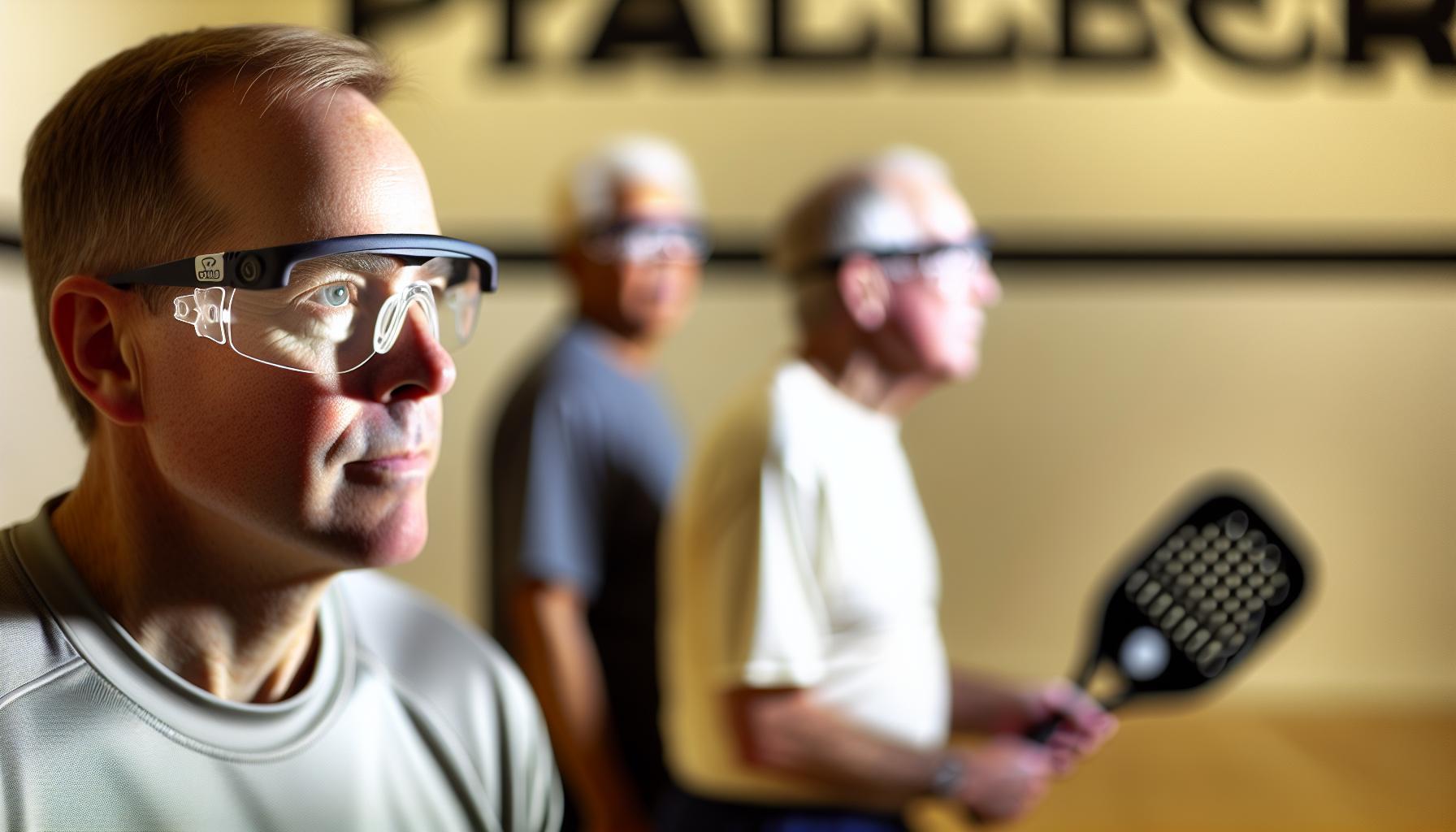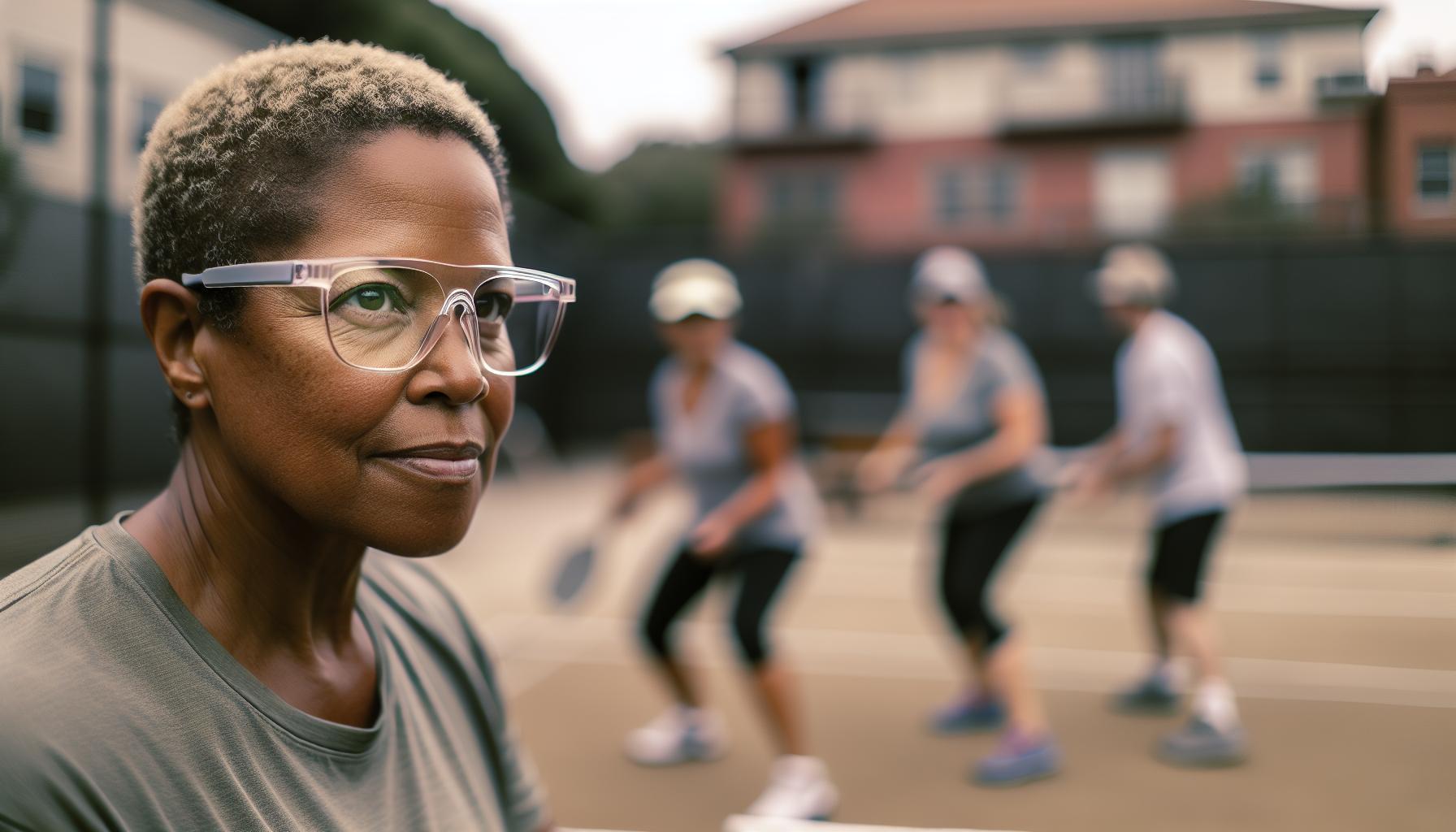
Finding the right pickleball glasses can be a game-changer for players with smaller faces, combining comfort, clear vision, and protection without slipping or distraction. Whether you’re a beginner or seasoned competitor, selecting eyewear that fits well impacts your focus and performance during fast-paced rallies. This guide highlights top options designed specifically for smaller face shapes, balancing quality, price, and functionality so you can confidently choose gear that keeps your eyes safe and your game sharp. Stick around to discover practical tips and trusted models that suit your needs-because the right fit matters as much as the paddle in elevating your play.
Why Face Size Matters for Pickleball Glasses
Pickleball is a sport that demands sharp vision and speedy reflexes, making protective eyewear a must-have for many players. However, the size and shape of your face play a crucial role in how well your pickleball glasses perform. Wearing glasses that don’t match your face size-especially if you have a smaller or narrower face-can lead to discomfort, reduced stability during swift movements, and compromised visual coverage, all of which can impact your gameplay.
Smaller faces require glasses that fit snugly without sliding or pinching. Oversized frames may seem stylish but can overwhelm delicate facial features, creating pressure points on the temples or nose, and causing distractions during long matches. Conversely, well-fitted glasses designed for small faces provide a balanced feel, ensuring lenses sit correctly to protect against stray balls and harsh sunlight without obstructing your peripheral vision. Such as, players with petite frames often report that glasses made specifically for narrow fits stay securely put through fast-paced volleys and lateral movements, whereas generic or large frames slide down or warp, forcing constant adjustments.
In practical terms, focusing on face size helps you select frames that optimize both safety and comfort. When a frame complements your smaller facial dimensions, it also supports proper lens alignment, which improves depth perception and visual clarity-essential for reading spin on the ball or judging short dinks. From a coach’s perspective, I’ve seen players improve focus and reduce eye strain simply by switching to glasses tailored for their face size. This seemingly small adjustment can elevate your confidence on the court,especially during extended practice or tournament play.
- Comfort: Properly sized frames prevent pressure sores and slipping during sudden moves.
- Performance: Correct fit enhances peripheral vision and lens positioning.
- Durability: Frames that fit well are less likely to break from continuous stress.
Ultimately, the right fit isn’t just about looks-it’s about how the glasses work with your natural face shape to support your best play. Whether you’re a weekend warrior or climbing the competitive ranks, understanding your face size is the first step to picking glasses that keep you agreeable, protected, and fully engaged in every point.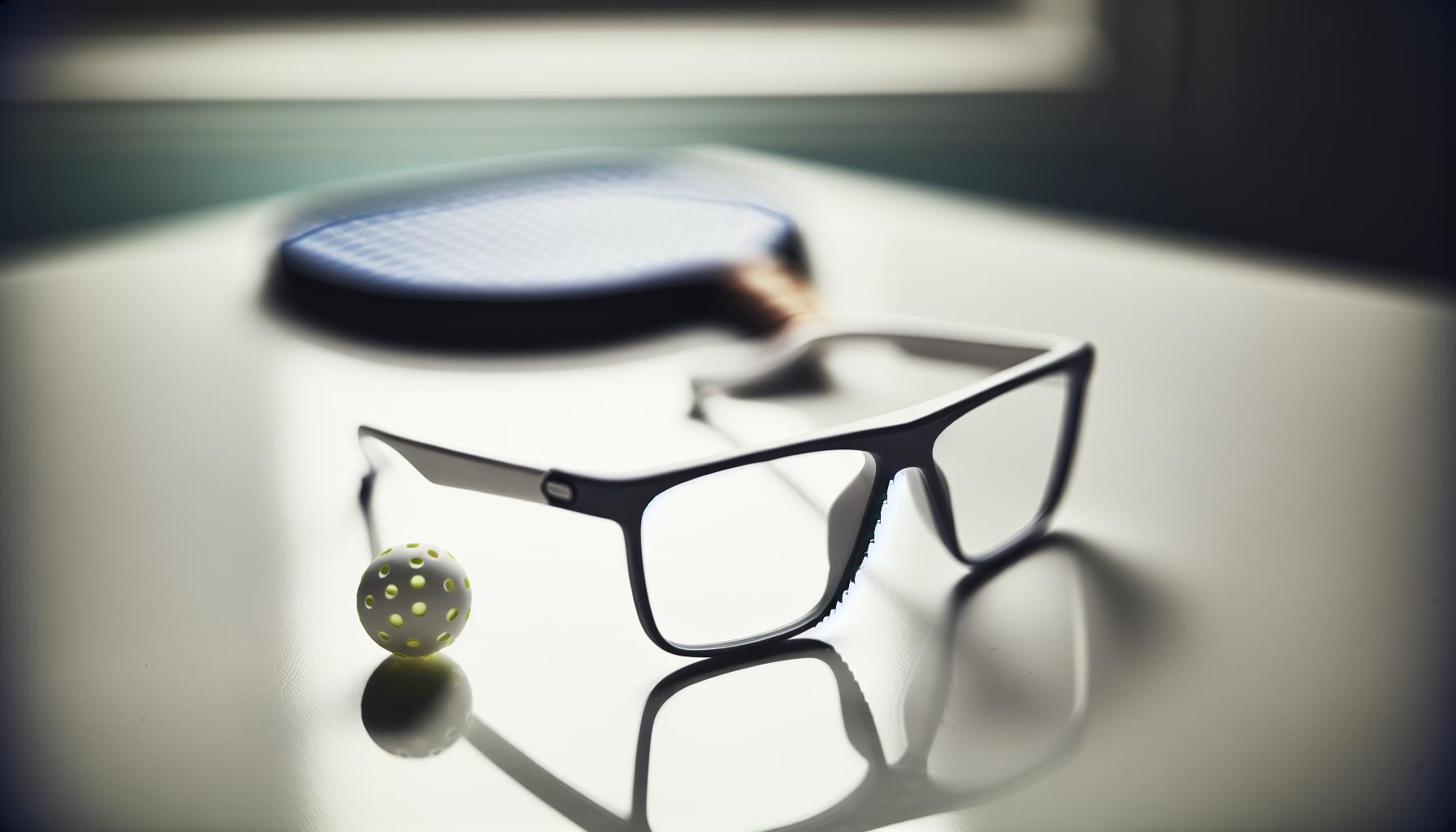
Key features of Pickleball Glasses for Small Faces
Finding pickleball glasses that truly fit smaller faces isn’t just a matter of style-it significantly impacts your comfort, vision, and stability on the court. Glasses designed for petite or narrow faces typically feature carefully calibrated dimensions that prevent slipping and pressure points while maintaining optimal lens positioning. This tailored fit ensures the lenses cover your eyes properly without obstructing peripheral vision, which can make a critical difference when tracking fast volleys or weaving through quick lateral movements.
One standout characteristic is the reduced frame width and more refined temple arms. Frames too wide for your face often slide down during play or cause discomfort behind the ears and on the nose bridge. Smaller-fit glasses usually come with adjustable nose pads or custom-fit silicone grips that help maintain a secure hold without pinching. Materials also matter: lightweight yet durable frames made from flexible nylon or TR90 composites offer both resilience and all-day comfort-crucial when you’re grinding through back-to-back matches or practice sessions.
key Design Elements Supporting performance and Comfort
- Compact Frame dimensions: Width and height are scaled down to suit smaller faces, preventing gaps that expose eyes to errant balls or sun glare.
- Ergonomic Nose Pads and Temple Tips: Adjustable or molded pads improve grip, reduce slippage, and minimize pressure points even during rapid head movements.
- Lens Placement and Shape: Curved lenses designed for narrow frames maximize the visual field without distortion, aiding depth perception critically important for reading serves and spins.
- Lightweight Construction: Materials like polycarbonate or TR90 keep overall weight low, eliminating fatigue in extended play and reducing chances of slippage caused by sweat.
- Impact Resistance: Certified protective lenses (e.g., ANSI Z87.1) shield against high-speed ball impacts,vital for all levels of competitive pickleball.
Players with smaller faces often find that glasses designed with these features stay put effortlessly during fast exchanges, minimizing the need to adjust mid-point. For example,I’ve coached both beginners and advanced players who struggled with ill-fitting standard frames – once they switched to lenses tailored for small faces,not only did comfort improve,but their confidence in court awareness noticeably rose. Smaller-frame glasses also pair well with headbands or sweatbands to keep moisture at bay without grim discomfort.
Making your purchase decision means balancing budget with these features. Entry-level models may omit custom nose pads or have heavier frames, but they can still provide acceptable fit for casual play. Premium options invest heavily in ergonomics and ultralight materials, offering superior stability during competitive matches. Either way, understanding these key features helps narrow options and improves your chances of investing in eyewear that updates your game without distractions.
Top Pickleball Glasses Brands Offering Small Fits
Picking the right pickleball glasses often comes down to finding brands that truly understand the needs of players with smaller faces. It’s not just about aesthetics-it’s performance, comfort, and confidence when every volley counts. Some brands have stood out because they offer thoughtfully designed frames that scale down dimensions without compromising durability or optical clarity, making them favorites among both beginners and seasoned pickleballers.
Brands like Roka and Julbo are well-regarded for their commitment to fit and function. Roka, for example, features models with narrower bridge widths and temple designs specifically catering to slim faces, using lightweight TR90 frames that flex comfortably during rapid head movements. Julbo,popular among outdoor athletes,integrates adjustable nose pads and wraparound lens curvature,ensuring a secure fit while maintaining a wide,distortion-free field of vision-crucial for tracking fast,low shots. For players mindful of budget, Bollé offers smaller frame options with polycarbonate lenses that balance affordability and impact resistance, making them excellent entry-level choices without sacrificing safety.
What to Look for in Brand Offerings
- Adjustability: Brands providing adjustable nose pads and temple arms allow personalized fitting, especially important for smaller noses and narrower temples.
- Frame Width Accuracy: Smaller frame widths (typically under 130mm) paired with compact lens height reduce light leakage and prevent slipping during lateral moves.
- durability meets lightness: Materials like TR90 nylon or carbon-fiber reinforced plastics give lasting resilience and all-day comfort from midday practice to tournaments.
- Lens Quality: Look for brands including anti-fog, UV protection, and polarized options to optimize visibility in luminous outdoor courts.
| Brand | Key Features | Recommended For | Price Range |
|---|---|---|---|
| Roka | Narrow frames, TR90 material, adjustable nose pads | Competitive players, all-day use | $$$ |
| Julbo | Wraparound lenses, adjustable grip, polarized options | Outdoor players, advanced fit needs | $$$ |
| Bollé | Compact fit, polycarbonate lenses, affordable | Beginner to casual players | $-$$ |
| Oakley | Variety of sizes, impact-resistant lenses | versatile wear, sporty design lovers | $$$ |
For those new to the sport or mindful of budgets, starting with Bollé’s smaller frames can be a practical choice that doesn’t feel like a compromise on protection or comfort. Conversely, players prioritizing ultralight ergonomics and high-performance lens technology might lean toward Roka or Julbo.
ultimately,testing different brands-even just trying them on at a local sports store-can definitely help you gauge what fits your unique face structure best. Remember,a well-fitted pair not only enhances your vision and court awareness but also reduces distractions caused by slipping or discomfort during intense rallies. With the right brand and fit, your glasses become an extension of your game-not a barrier.
How to Measure Your Face for Glasses Fit
Finding pickleball glasses that truly fit starts with understanding your unique facial dimensions-especially when your face is on the smaller side. Wearing glasses that are too wide or bulky doesn’t just look off; it can interfere with your vision, cause slipping during quick lateral movements, and ultimately distract you during fast-paced rallies. Taking accurate measurements helps you narrow down choices that offer comfort,stability,and optimal peripheral sight,so your glasses become an asset on the court rather than a hindrance.
begin by measuring the frame width, which corresponds roughly to your face’s horizontal breadth, from temple to temple. Use a soft measuring tape or ruler, holding it across the widest part of your face, typically just above the cheekbones and below the eyes. For small faces, frames ideally range under 130mm in width. Anything wider risks excess play and light leakage at the edges, which can be distracting in bright outdoor settings.
Next, the bridge width is crucial. This is the distance between the lenses resting on your nose. A narrow bridge (around 14-18mm) suits smaller or narrower nose bridges, preventing uncomfortable pinching or glasses sliding down as you chase low shots. Measuring the width of your nose at the point where glasses sit-with a tape or by feeling with your fingertips-gives a clear guide on what to look for. Certain brands like Roka and Julbo excel here by offering adjustable nose pads and flexible temples tailored for narrow bridges, which simple metrics alone can’t fully capture but knowing your baseline helps.
Additional Measurements to Consider
- Lens Height: For small faces, lenses that are too tall will look oversized and may obstruct downward vision when aiming for delicate drop shots. Aim for compact lens sizes (under 40mm height) to maintain clear, unobstructed views.
- Temple Length: This ensures the arms of the glasses wrap snugly without slipping behind your ears.Smaller faces often suit temple lengths between 125-135mm, though adjustable arms offer added security.
- Pupil Distance (PD): Knowing your PD-the distance between your pupils-can definitely help when ordering prescription or custom lenses to align optics perfectly, reducing strain during long matches.
| Measurement | Recommended Range for Small Faces | Why It Matters |
|---|---|---|
| Frame Width | 120-130 mm | Prevents slippage and light leaks during lateral movement |
| Bridge Width | 14-18 mm | ensures comfort on narrow nose bridges, stabilizes fit |
| Lens Height | 35-40 mm | Avoids obstructing downward vision and oversized look |
| Temple Length | 125-135 mm | Secures grip behind ears without pressure |
Practically speaking, if you can, take your measurements using a mirror and good lighting, or enlist a friend-just like adjusting your paddle grip, getting this right takes a blend of precision and feel. When trying on glasses, don’t just check fit statically; mimic fast side-to-side motion or look down and up to confirm stability.
Small nuances in fit can significantly impact both your comfort and court performance. If you’re between sizes, brands with adjustable features or flexible materials (such as TR90 nylon) provide a forgiving fit for fast gameplay, where every millisecond counts. Remember, the goal is to have your glasses feel like a natural extension of your face so you can zero in on the next volley with confidence.
By taking time to measure carefully and know what to look for, you empower yourself to find pickleball glasses that enhance endurance, vision clarity, and overall enjoyment-no matter your face size or level of play.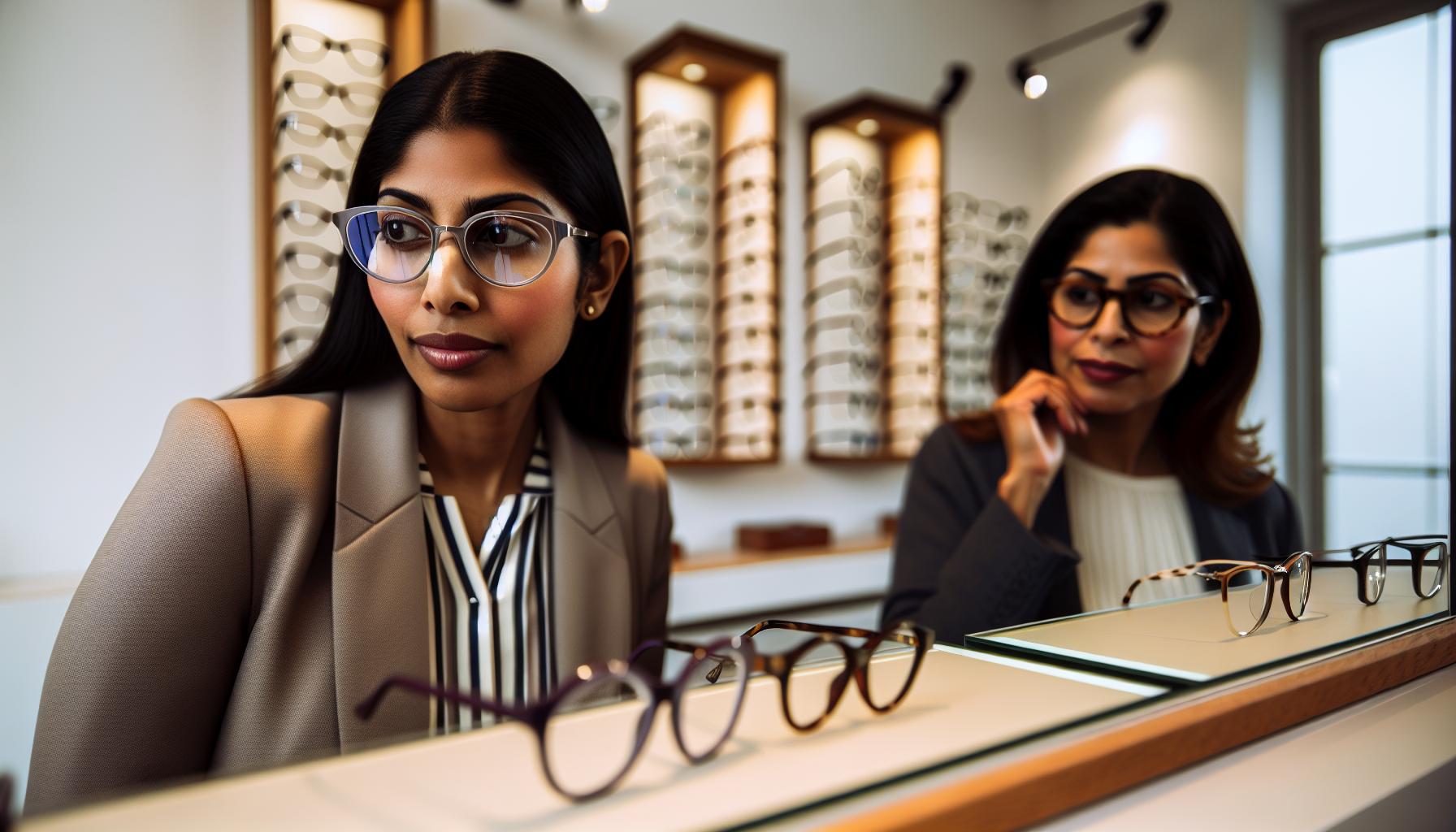
Comparing Frame Styles for Narrow and Small Faces
Finding the right frame style for smaller and narrower faces isn’t just about aesthetics-it’s a game-changer for comfort and performance during those rapid pickleball rallies. Small faces can easily be overwhelmed by bulky or wide frames, which interfere with peripheral vision and lead to frequent adjustments mid-play. When selecting your ideal frame, think about how the shape and structure support natural head movements and fast side-to-side tracking without slipping or obstructing your view.Frames designed for narrow facial features frequently enough fall into a few key categories, each with distinct advantages. Rectangular frames tend to provide a sleek,streamlined fit that hugs smaller face contours without adding unnecessary bulk. Their clean lines work well for players who want a subtle but secure look. Simultaneously occurring, wraparound styles offer enhanced protection and stay firmly in place during sudden lunges or quick pivots-ideal if you value extensive coverage but want to avoid oversized lens heights that block sight lines. On the other hand, round or oval frames can soften angular faces and often deliver a lightweight feel, though they generally require careful sizing to avoid a “too large” appearance.Besides shape,consider the material and build. Flexible materials like TR90 nylon not only reduce frame weight but also offer slight give-helping them conform gently to narrower temples and nose bridges without pinching. Adjustable nose pads and temple tips are especially valuable for narrow faces, allowing personalized tweaks to keep your glasses from sliding down as you sprint to dink or volley. Brands that incorporate these features often outshine competitors in the comfort department, notably for long practice sessions or tournaments.
| Frame Style | best For | Pros | Cons |
|---|---|---|---|
| Rectangular | Small, narrow faces seeking minimal bulk | Streamlined fit, unobstructed sight lines, classic look | May feel plain if you prefer bold styles |
| Wraparound | Active players needing stability and protection | Excellent coverage, stays put during movement | Can be too large if lens height isn’t carefully chosen |
| Oval/Round | Softening angular facial features, lightweight comfort | Lightweight, stylish, blends well with small faces | Risk of oversized appearance without narrow sizing |
When putting frames to the test, mimic your game tempo by moving your head side to side and looking down to track the ball-this reveals how securely they stay in place and whether the lens height obstructs vision at key angles. A secure but gentle grip behind the ears prevents fatigue, especially if you play extended sets or outdoors on sunny days where adjusting your glasses repeatedly can disrupt focus.
For players balancing budget and performance, rectangular and oval frames made from flexible materials often deliver dependable comfort at moderate prices. However, investing in premium wraparound options with adjustable components can make a noticeable difference in stability for competitive players seeking every edge in quickreaction times and visual clarity.Regardless of style, prioritizing secure fit and unobstructed vision will up your pickleball game by reducing distractions and boosting confidence with every swing.
Lens Technologies That Boost Pickleball Performance
Picking the right lenses can elevate your pickleball game just as much as the frame fit, especially when you have a smaller face and are looking for glasses that blend function with form. The best lens technologies don’t just correct vision – they enhance contrast, reduce glare, and protect your eyes from harmful UV rays, all crucial when tracking a fast-moving pickleball on varied outdoor and indoor surfaces.
Polarized lenses are a top choice for players who spend lots of time outdoors. They cut glare from shiny surfaces like courts, water, or even glossy gym floors, making ball visibility much sharper. For smaller faces, selecting a polarized lens with a slimmer profile means you keep the benefits without adding extra bulk or weight that could interfere with a snug fit.
Photochromic lenses for lighting adaptability
These lenses dynamically darken in bright sunlight and clear up indoors or on cloudy days. This is fantastic for players who switch between indoor courts and outdoor play without having to change glasses. Smaller-eyed players should look for photochromic lenses designed with a lightweight base curve that doesn’t distort peripheral vision, which is key when you’re darting side to side rapidly.
Impact-resistant and anti-scratch coatings
Pickleball rallies often get fast and physical. Opt for polycarbonate lenses or other impact-resistant materials that balance safety and clarity without adding heaviness. Anti-scratch coatings extend the life of your glasses, especially important when sliding off and on between points. For those with smaller face frames, luckily many manufacturers combine these technologies into lenses cut specifically for compact shapes, ensuring no compromise on protection or optical quality.
| Lens Technology | Benefits | Best For | Considerations for Small Faces |
|---|---|---|---|
| Polarized | Reduces glare,improves contrast | Outdoor players on sunny courts | Slim designs preferred to avoid bulk |
| Photochromic | Adapts to changing light,versatile | Mixed indoor/outdoor players | Choose low-distortion lenses for wide peripheral view |
| Polycarbonate Impact-Resistant | Enhanced durability and safety | All levels,especially competitive | lightweight options help maintain fit and comfort |
| anti-Scratch & Coatings | Prolonged lens life,clear vision | Players seeking durability | Most brands offer coatings on small-size lenses |
For those balancing budget and performance,many mid-range glasses now offer a solid combination of polarized or photochromic lenses with impact resistance – a sweet spot for recreational to intermediate players. Simultaneously occurring, premium options frequently enough layer multiple technologies to optimize color contrast and UV protection, perfect for those competing at higher levels and demanding the best gear without sacrificing comfort or fit.In real game scenarios, a subtle tint tailored to your typical court habitat can make anticipating opponents’ shots easier. For example, slight amber or rose tints enhance contrast on green or blue pickleball courts and reduce eye strain during long matches. When paired with a frame that fits smaller faces snugly, this lens technology can sharpen your visual acuity, leading to quicker reaction times and steadier gameplay.
ultimately, combining the right lens technology with a frame tailored to your small face ensures your glasses won’t just be an accessory but a performance asset you rely on every time you step onto the court.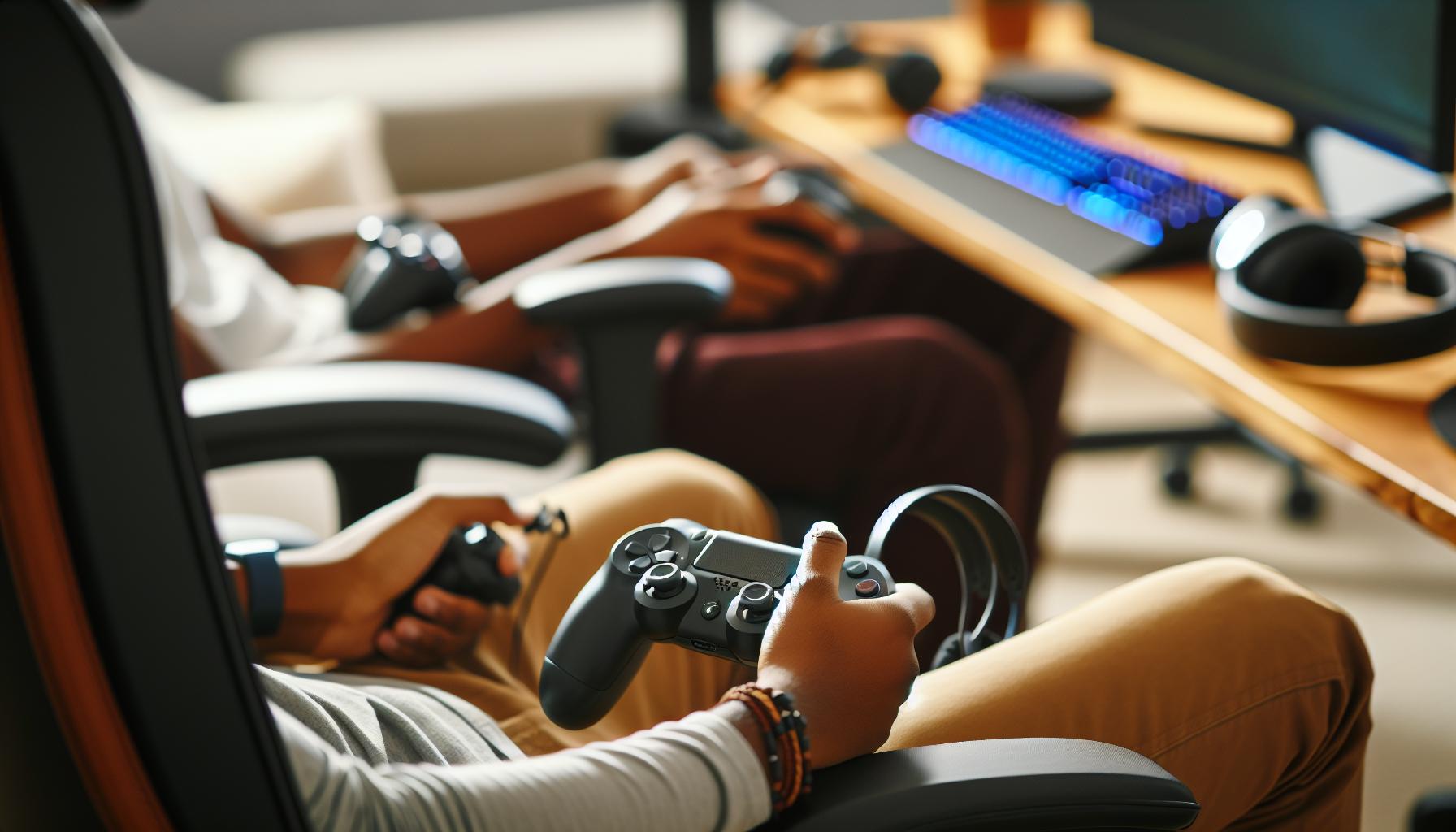
Comfort and Fit Tips for Extended Play
Few things disrupt a great pickleball rally faster than uncomfortable eyewear. When you have a smaller face, the wrong glasses can slide, pinch, or create pressure points, distracting you from fast volleys and sharp angles. Finding glasses that hug your features securely while offering breathability and lightness is essential for enjoying extended sessions without fatigue or irritation.
- Opt for lightweight frames: Materials like TR90 nylon, titanium, or flexible acetates strike a balance between durability and featherlight comfort-critical for keeping glasses stable without weighing you down during quick lateral movements.
- Adjustable nose pads and temple arms: These allow customization to your unique facial contours, preventing slippage or pinching especially around the bridge and behind the ears. Look for soft silicone pads rather than hard plastics, as they cushion sensitive areas and reduce red marks.
- Secure fit with wraparound designs: Slightly curved frames that follow your face shape help keep glasses in place during fast stops or lunges common in pickleball. But be mindful of frame bulk-heavier wraparounds may strain smaller heads over time.
- Ventilation matters: Play can get intense and sweaty, so glasses with small vents or open temple arms improve airflow to reduce fogging and keep you cool on long matches.
Balancing comfort and performance for all skill levels
Whether you’re a weekend warrior or competing in tournaments, fit influences focus and stamina. Beginners often prefer affordable frames that offer basic adjustability and comfort, while seasoned players may invest in premium designs with ultra-light finishes and advanced ergonomic molding that contours precisely to petite faces.
here’s a quick comparison of key comfort features tailored for small face glasses:
| Comfort Feature | Benefits | best For | Considerations |
|---|---|---|---|
| Adjustable Nose Pads | Custom bridge fit, reduces slipping | All levels | prefer soft silicone; avoid hard plastics |
| Flexible Temple Arms | conforms behind ears, secure hold | Active players | Shouldn’t pinch or cause soreness |
| Lightweight Frame Materials | Less pressure, all-day wear | Extended play, warm weather | Durability varies by material |
| Wraparound Frame Shape | Enhanced stability & side protection | Competitive & fast lateral movement | Avoid overly bulky designs |
| Ventilation/Open Temple Design | Reduces sweat, fogging | Indoor/outdoor long sessions | May limit full UV protection on sides |
Practical fit tweaks you can make on-court
Even the best small face glasses may need occasional fine-tuning to match your swing and head motion.Carry a small eyewear screwdriver or elastic strap-adjust temple tension or add straps to secure frames during aggressive dashes. When switching from indoors to sunlit courts, swapping out lens inserts or clip-ons for anti-glare options can improve visibility without changing your whole frame.Above all, listen to your comfort cues during play.If you notice redness, pinching, or frequent sliding, it’s time to reassess fit or pads. Comfortable glasses become an extension of your game, letting you keep eyes locked on the pickleball, the opponent’s moves, and your next winning shot.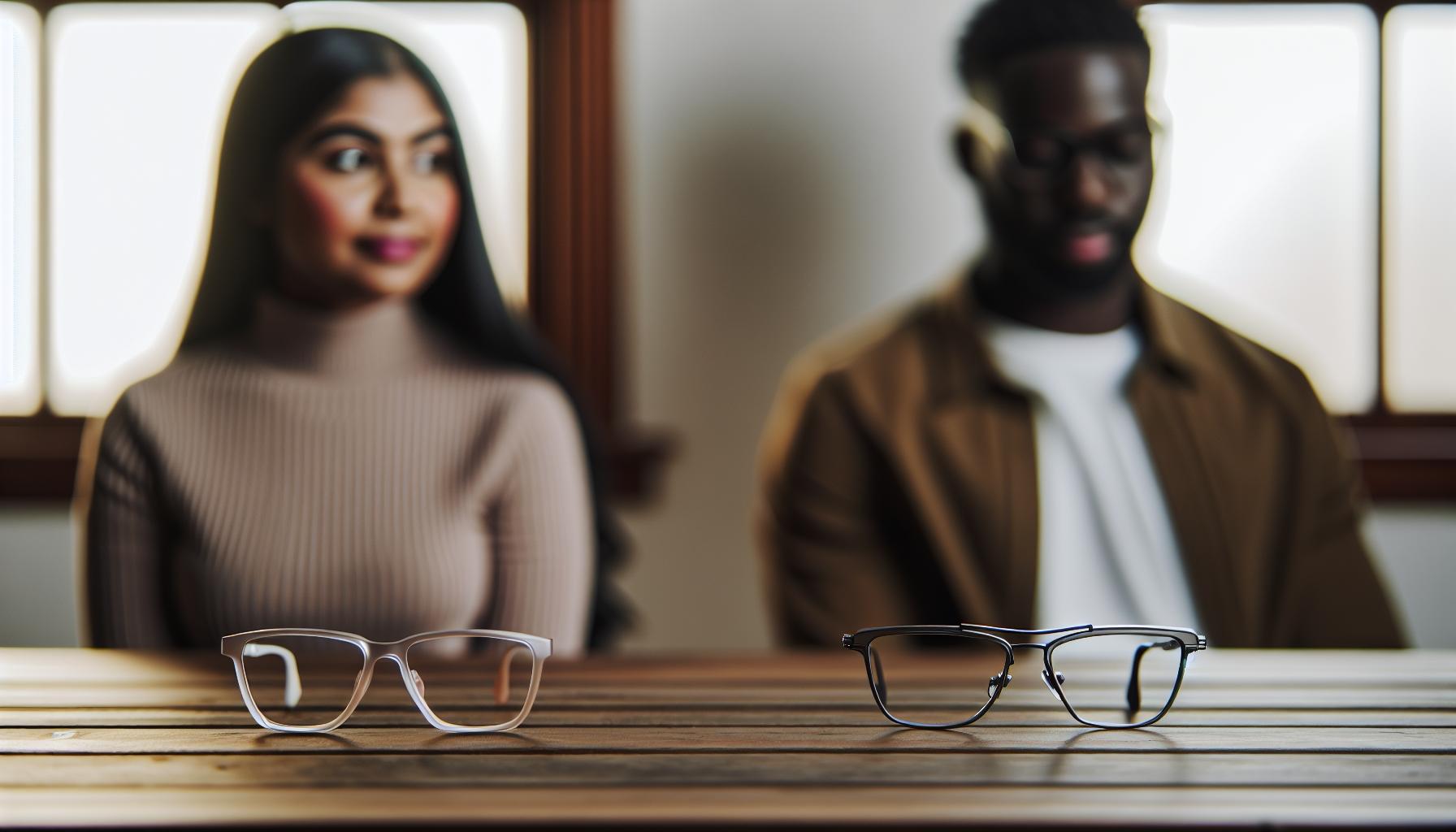
Affordable vs. Premium Glasses for Small Faces
Finding the right pair of pickleball glasses for small faces often comes down to balancing performance features with budget constraints. Affordable options have improved significantly in quality, offering lightweight frames and basic adjustable features that can satisfy casual players or beginners who want comfort without a steep investment. However,these glasses might lack some of the advanced fit customization and premium materials that seasoned players crave,such as ultra-lightweight titanium or ergonomically contoured frames designed specifically for petite facial structures.
Premium glasses for small faces generally boast superior craftsmanship: finer adjustability with soft silicone nose pads, flexible temple arms tailored to reduce pressure points, and innovative ventilation systems that keep lenses clear during intense rallies. These features aren’t just luxury touches-they can impact your focus and endurance during long matches. For instance, a wraparound frame made from a high-quality TR90 nylon blend can provide both durability and a snug fit without adding bulk, essential when quick reflexes and lateral movement are key.
- Affordability: Great entry-level options feature reliable materials and straightforward adjustments, frequently enough found in well-known sports eyewear brands at accessible price points.
- Performance: Premium picks excel at long-term comfort, offer lens coatings like anti-fog or polarization, and are usually lighter and more durable, which matter for frequent or tournament play.
- Fit Precision: High-end models often come with more extensive size options and customizable features ensuring glasses stay put without discomfort on narrow or smaller faces.
| Feature | Affordable Glasses | Premium Glasses |
|---|---|---|
| Frame Material | Durable plastics (e.g., acetate) | Advanced polymers, titanium, TR90 nylon |
| Adjustability | Basic nose pads, limited temple adaptability | Soft silicone pads, flexible, custom-molded arms |
| Weight | Slightly heavier, adequate for casual play | Exceptionally lightweight, designed for extended wear |
| Lens Options | Standard UV protection | Polarized, scratch-resistant, anti-fog coatings |
| Price Range | Typically under $100 | $150 and up |
Ultimately, the choice depends on your playing frequency, budget, and sensitivity to comfort. Weekend players may find many affordable models perfectly sufficient, while competitive athletes or those with very small faces might benefit from investing in premium eyewear that molds seamlessly to their features. Remember, the right glasses feel almost invisible during play-reducing distractions and letting you focus purely on the next shot. Consider starting with a mid-range option if you’re unsure, and upgrade as your needs evolve and your game intensifies.
adjusting Glasses for Secure and Stable Wear
One of the most overlooked yet crucial aspects of performance eyewear for pickleball players with small faces is ensuring the glasses stay securely in place during dynamic movement. Pickleball requires quick lateral shifts, rapid head turns, and sudden stops, all of which can easily dislodge poorly fitting glasses. The right adjustments go beyond simple comfort-they directly enhance focus and confidence by minimizing distractions caused by slipping or constant repositioning.
When fitting glasses to smaller faces, start by fine-tuning the nose pads if your frame includes them. Soft silicone pads can be molded gently by hand or with the help of an optician to contour precisely to your nasal bridge. this customized fit creates a firm grip without causing pressure points or irritation. Such as, players with a narrow nose bridge often find that adjusting the angle inward by just a few degrees reduces forward slippage during fast pivots.
Temple arms are another key area for secure fit. Unlike rigid plastic arms that might pinch or slide, flexible temple arms made from TR90 nylon or titanium can be bent slightly to hug your head’s natural shape. A slight inward bend works wonders to prevent arm movement or falling during active play. Adjustments should be incremental to avoid discomfort behind the ears-think snug, not tight.If your glasses don’t offer this flexibility, consider temple tips with non-slip rubber coatings, which add extra friction without bulk.
- Use adjustable nose pads for a tailored fit and enhanced grip.
- Carefully bend flexible temple arms inward to match head width.
- Look for rubberized or textured temple tips to prevent slipping.
- Regularly check and tighten screws if your frame allows it to maintain stability.
Some players also opt to add lightweight strap attachments that loop behind the head for extra security, especially during tournament-level play or windy outdoor conditions. These straps can be removed for casual sessions, adding versatility without compromising style. Remember,finding the right balance between firmness and comfort is key-overly tight glasses can cause headaches and skin marks,resulting in fatigue and loss of concentration.
In practical terms, don’t hesitate to test adjustments on and off the court. Spend time moving your head quickly as if you’re reaching for a volley or sprinting to the non-volley zone. Glasses that shift noticeably during these motions should be tweaked before a serious game. Many seasoned players recommend having a small repair kit on hand with a mini screwdriver and nose pad cushions so you can make quick on-the-spot tweaks.This proactive approach keeps your eyewear performing as well as your game.
Real Player Reviews: Best Glasses for Small Faces
Finding the right pair of pickleball glasses that suit small faces can be a game-changer for performance and comfort on the court. Many players with narrower faces often share similar challenges: glasses that slide down during intense rallies, frames that feel bulky, or lenses that obstruct peripheral vision. From conversations with club members and several online pickleball forums, the most praised options tend to strike a balance between lightweight materials, adjustable fit, and lens clarity tailored for outdoor or indoor play.
Players new to the sport often start with affordable yet well-reviewed models such as the Tifosi Jet Small or Oakley Flak XS. These frames receive consistent praise from beginners for being light and offering flexible nose pads that accommodate a narrower nose bridge without pinching. More advanced players,especially those competing regularly,often report investing in premium brands like Rudy Project or Smith Optics,which offer custom fittings and advanced lens technologies such as polarized and photochromic coatings-features that many find valuable for both sun protection and enhanced court visibility.
Key Takeaways from Real Player Feedback
- Fit Is King: Many players emphasize how adjustable nose pads and flexible temple arms directly prevent slippage during fast reactions. One club member noted, “The difference between a glass that stays put and one that doesn’t is night and day in tight games.”
- Lens Quality Matters: Polarized lenses are a favorite among outdoor players, reducing glare without compromising color perception.Indoor players often prefer clear or lightly tinted lenses for better contrast.
- Trade-Offs Between Budget and Features: While premium glasses can offer better durability and lens technology, they’re not necessarily the best for everyone. Beginners on a budget still find great value in mid-range options that allow gradual upgrades.
- Style and Coverage: Glasses with slightly wraparound frames tend to provide better protection against stray balls and sunlight, but be mindful that some bulkier designs may not suit narrow faces well.
| Brand/Model | Best For | Fit Features | typical Price Range | Player Level |
|---|---|---|---|---|
| Tifosi jet Small | Beginners, small faces | Adjustable nose pads, lightweight | $50 – $70 | Beginner to Intermediate |
| Oakley Flak XS | Active players, narrow faces | Custom fit options, flexible arms | $130 – $160 | Intermediate to Advanced |
| Rudy project rydon | Competitive play, all-day wear | Multiple nose pads, interchangeable lenses | $150 – $200 | Advanced |
| Smith Parallel Max | Outdoor, glare reduction | Polarized lenses, lightweight frame | $140 – $180 | Intermediate to Advanced |
An experienced player shared how switching from a generic fit to a pair with customizable nose pads reduced constant adjustments during matches, significantly boosting their concentration and confidence. Another highlighted the benefits of semi-rimless frames for unobstructed vision during quick volleys. These real-world insights underline the importance of trying different styles first-either through local retailers or online vendors with flexible return policies.
By listening to fellow players’ experiences, it’s clear that the investment in well-fitting pickleball glasses pays dividends beyond just comfort. Proper fit translates into better protection, less distraction, and ultimately, improved performance. If you’re uncertain where to start,focus first on lightweight frames with adjustable components,then consider lens options based on your primary playing environment. This approach ensures your eyewear supports your game rather than holding it back.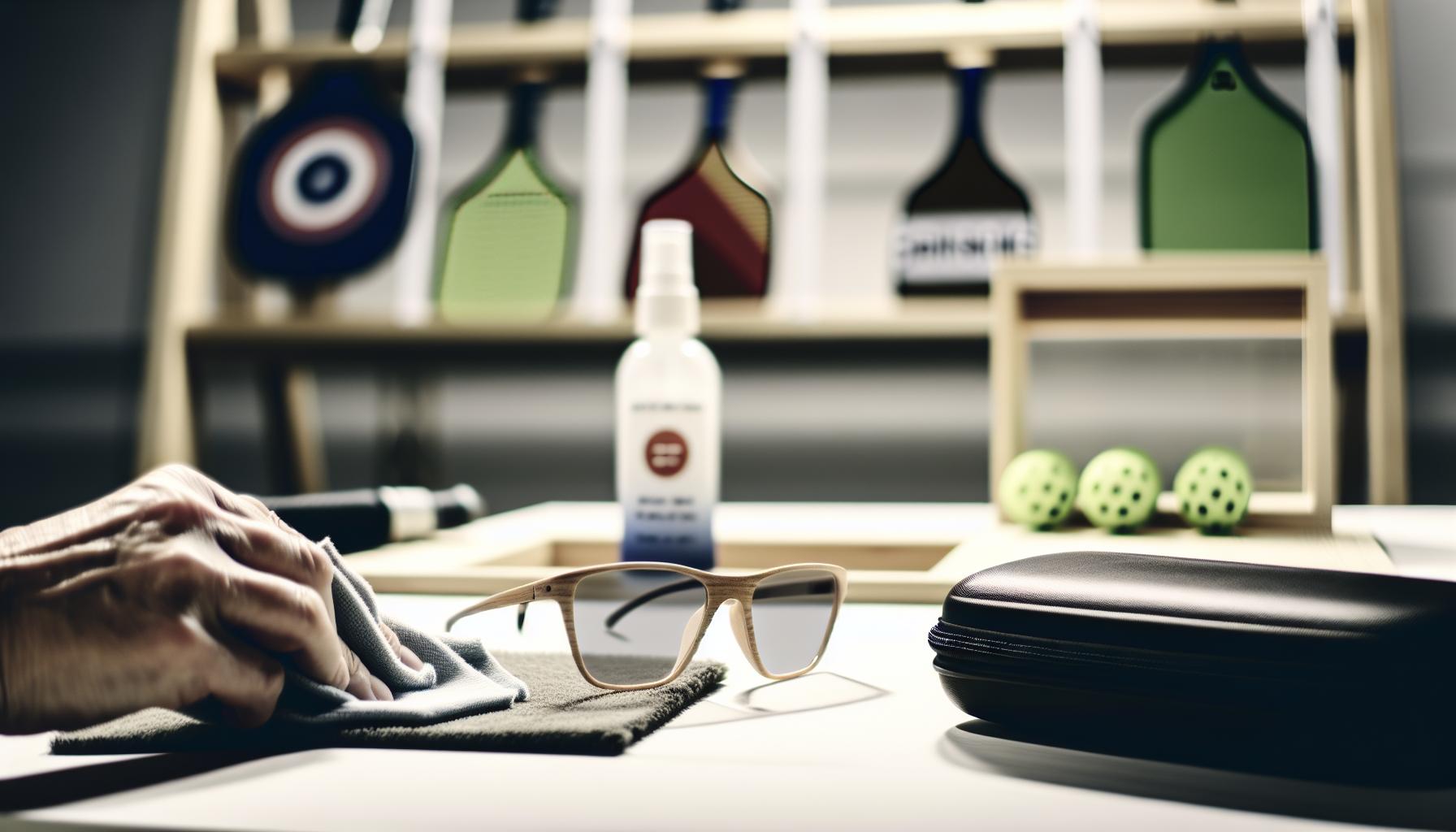
Care and Maintenance of Pickleball Glasses
Keeping your pickleball glasses in top shape is more than a matter of aesthetics-it directly impacts your performance and eye safety on the court. Whether you’ve invested in an affordable lightweight pair like the Tifosi Jet Small or a premium, feature-rich set like Rudy Project’s Rydon, routine care ensures the fit and clarity you rely on remain consistent through every fast-paced rally.
Essential Cleaning Practices
Sweat, dust, and outdoor elements can quickly build up on lenses, impairing vision and causing discomfort. Use a microfiber cloth for daily wipe-downs, avoiding paper towels or clothing that can scratch the delicate coatings on polarized or photochromic lenses. For more thorough cleaning, a gentle lens solution or a mix of mild soap and water works best. Make sure to rinse and dry thoroughly to prevent streaks and residue buildup.avoid harsh chemicals like ammonia or bleach which may degrade lens coatings or frame materials. For players with prescription lenses or special coatings, follow manufacturer recommendations closely. Keeping lenses crystal-clear helps maintain the visual edge crucial in split-second plays.
Maintaining Fit and Frame Integrity
Small-face frames frequently enough rely on adjustable nose pads and flexible temple arms to stay secure during jumps, pivots, and lunges. Regularly check these components for looseness or damage. Over time, nose pads may harden or detach, while temple arms can lose their springiness, leading to slippage. A quick adjustment or replacement, either DIY or through a local optical shop, can save you from distracting readjustments mid-game.
For plastic or composite frames, avoid exposing your glasses to extreme heat, such as leaving them in a hot car. High temperatures can warp or weaken frames, especially those designed for a narrow fit that already have minimal material. Store your glasses in a sturdy, padded case when not in use to protect from accidental drops or pressure.
Practical Tips for Extended Use
Players often wear their glasses for hours during practice or tournaments, making comfort critical. Periodically clean the sweat guards or rubberized temple tips where oils accumulate to maintain grip and comfort. Consider swapping silicone nose pads every 6-12 months depending on wear and sweat levels.
If you’re switching lens types seasonally-from polarized outdoor lenses to clear indoor ones-handle lens swaps carefully to avoid damaging the mounts or coatings. When transitioning between games or environments, keep a soft cloth and carry case handy for quick lens changes and protection.
- clean lenses regularly with microfiber cloths and lens-safe solutions.
- Inspect adjustable parts often for secure fit and replace worn components promptly.
- Protect frames from heat and pressure by storing in protective cases.
- Rotate lenses carefully when swapping for different lighting conditions.
Thoughtful care extends the life of your glasses and guarantees the stable, comfortable fit critical for players with smaller faces. Treat your glasses as a key piece of your pickleball gear-not just a fashion accessory-and your vision and performance will thank you match after match.
Where to Buy the Perfect Pickleball glasses for Small Faces
Finding the ideal pickleball glasses for smaller faces can make a world of difference in both comfort and on-court performance. Unlike standard eyewear, not all sports glasses accommodate narrow or petite facial structures well. Fortunately, specialized options are increasingly available, and knowing where to look can save you from the frustration of ill-fitting frames that slip or block your vision when you need clarity most.
Shopping from trusted online retailers and sporting goods stores that carry a curated selection of small-fit pickleball glasses is your best bet. Websites like the official brand stores for Tifosi, Rudy Project, and Smith Optics often categorize their frames by face size, letting you filter options designed specifically for narrow faces. This targeted approach reduces guesswork, allowing you to focus on key features like lens technology, weight, and durability. Additionally, large multi-sport vendors such as REI or Dick’s Sporting Goods frequently stock popular models with small sizes, enabling in-store try-ons for immediate fit evaluation.
Specialized Online Marketplaces and Custom Options
If you want eyewear tailored precisely to your dimensions, smaller niche retailers or custom prescription websites may be ideal. Vendors like Warby Parker and GlassesUSA provide measured fittings and virtual try-ons to help you confirm the frame size before buying. For prescription needs, some online sellers offer custom lens inserts fitted into small sport frames, blending small size with optical precision. These services can also accommodate features like anti-fog coatings and polarized lenses, improving your visual edge in fast exchanges.
Evaluating Budget vs. Premium Choices
When exploring your purchase channels, keep in mind that price often correlates with performance enhancements-premium models include advanced lens coatings, impact resistance, and ultra-lightweight frames designed for stability. However, solid budget glasses like the Tifosi Jet small perform admirably for recreational players and newbies, proving that good fit and function don’t always require premium spending. Many online sellers offer reviews and size guides, which are immensely helpful for matching the right product to your face shape and playing style.
- check return policies: Choosing vendors with flexible returns ensures you can exchange sizes without hassle.
- Look for in-depth product descriptions: Pay attention to frame dimensions and lens coverage to avoid surprises.
- Seek out user feedback: Real player reviews frequently highlight how frames fit on small faces specifically.
Taking the time to assess these buying avenues equips you with winning glasses that stay put through pivots and volleys, keep your vision sharp, and blend seamlessly with your pickleball lifestyle. Whether you prioritize convenience, customization, or cost, the right purchase source empowers you to elevate comfort and confidence on the court.
Frequently Asked Questions
Q: How can I tell if pickleball glasses for small faces will prevent fogging during intense play?
A: Pickleball glasses designed for small faces often include anti-fog coatings and ventilation features to reduce fogging during high-intensity play. Look for models with vented frames and hydrophobic lenses to maintain clear vision.For detailed lens technology tips,see the Lens Technologies That Boost Pickleball Performance section in the article.Q: What materials are best for lightweight pickleball glasses that fit small faces?
A: Lightweight frames for small faces typically use TR-90 nylon or flexible thermoplastic materials, providing durability without bulk. These materials improve comfort during long sessions and reduce pressure.You can compare these options in the Top Pickleball Glasses Brands Offering Small Fits part of the article for the best picks.
Q: Why is nose bridge design important for pickleball glasses on small faces?
A: The nose bridge impacts fit, comfort, and stability of pickleball glasses on small faces. Adjustable or narrower nose bridges help prevent slipping and pressure points. Choosing one suited to your facial structure ensures secure wear during fast movements, as discussed in Adjusting Glasses for Secure and stable Wear.
Q: When should I choose polarized lenses for my small face pickleball glasses?
A: Polarized lenses are ideal for outdoor pickleball games because they reduce glare and enhance contrast, improving visual clarity and reaction speed. For players with small faces, select frames compatible with your facial measurements to avoid compromises in lens size. More guidance is in Lens Technologies That Boost Pickleball Performance.
Q: How do wraparound frames benefit small face pickleball players?
A: Wraparound frames offer better peripheral protection and a snug fit, which is crucial for small face players to avoid gaps where dust or sunlight can enter. They also stabilize the glasses during quick head movements, enhancing focus and safety on court. check Comparing Frame Styles for Narrow and Small Faces for alternatives.
Q: What are quick fixes if my pickleball glasses for small faces feel too loose mid-game?
A: If your glasses feel loose, you can use adjustable temple tips, silicone nose pads, or strap accessories to secure fit quickly without interrupting play. These minor tweaks improve comfort and prevent distractions,explained further in Adjusting Glasses for Secure and Stable Wear.
Q: Where can I find small-sized pickleball glasses that combine affordability with performance?
A: Affordable small-sized pickleball glasses are available from budget-friendly brands offering durable frames and standard lens tech. Prioritize brands detailed in the Affordable vs. Premium Glasses for Small Faces section, which balance price and features for beginners and intermediate players.
Q: How do tinted lenses in small fit pickleball glasses affect gameplay in different lighting?
A: Tinted lenses help reduce brightness and improve contrast in varying light conditions. For small faces, pick tints that complement your playtime environment-gray for brightness control, amber for low light. Explore specific tint benefits in Lens Technologies that Boost Pickleball Performance for tailored advice.
For more detailed tips on fit and frame choices, explore the full guide sections on How to Measure Your Face for Glasses Fit and Comfort and Fit Tips for extended Play. Mastering your gear ensures you stay confident on the court while enjoying every game!
Insights and Conclusions
Finding the perfect pickleball glasses for small faces doesn’t have to be a challenge. Prioritizing fit, comfort, and performance ensures you stay focused on the game without distractions, whether you’re a beginner or advancing your skills. Explore our detailed gear reviews and comparison tables to match your budget and style, and don’t forget to check our guide on the best pickleball paddles to complement your eyewear choice.
Ready to elevate your gameplay with the right protective gear? dive deeper into our resources on pickleball techniques and rules to sharpen your skills on court. Sign up for our newsletter to stay updated on the latest gear releases and expert tips tailored for players with smaller frames. Have questions or want to share your experience? Comment below-we’re here to help you make gear decisions that feel right for you and keep you playing confidently.
Get our latest guides, news, and insights highlighted in your Google Search & AI Overviews.