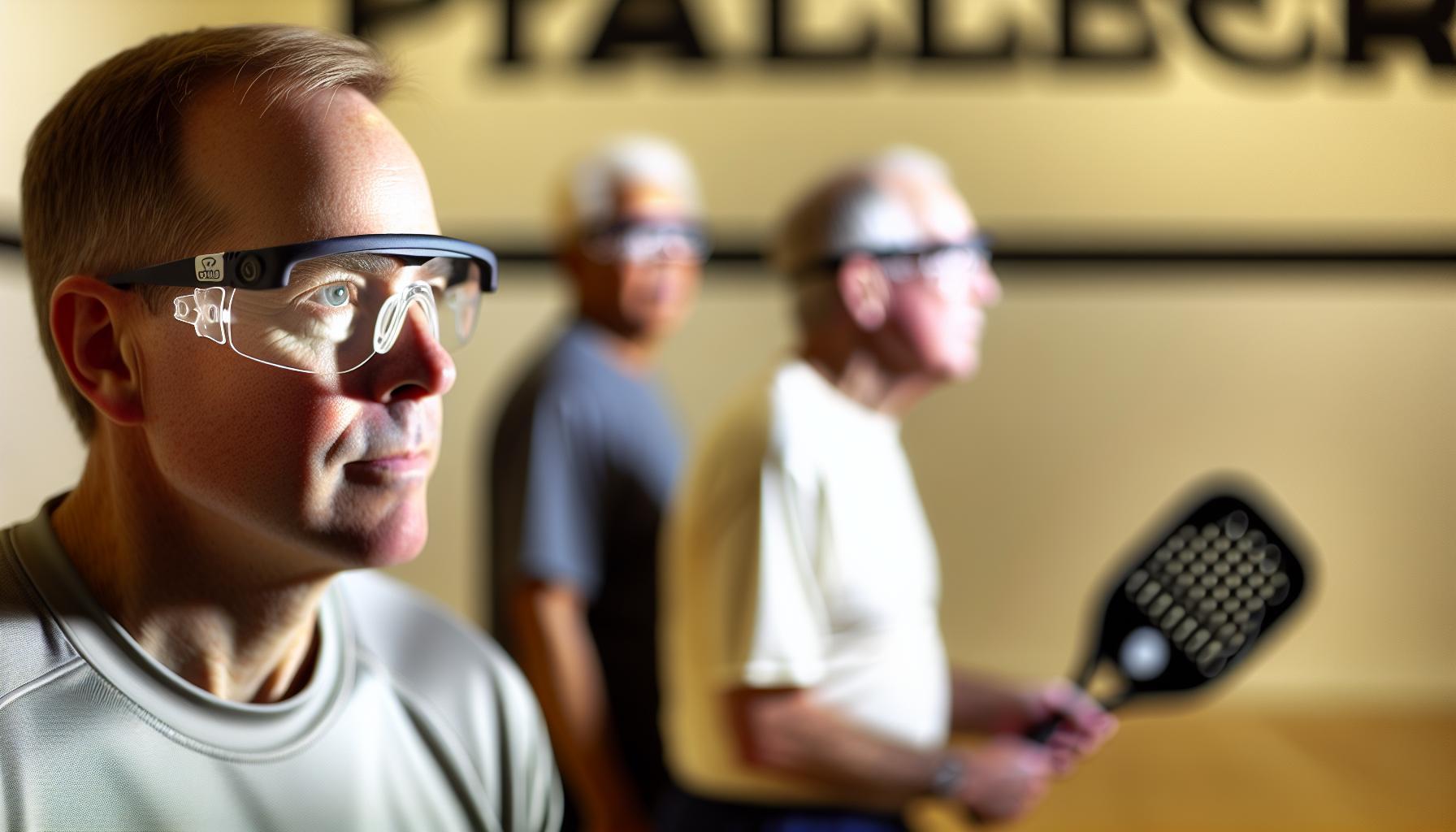
Did you know that eye injuries are a real but often overlooked risk in pickleball? Whether you’re a casual player or competing in fast-paced matches,protecting your eyes with ANSI-rated safety glasses is essential to stay safe without sacrificing comfort or visibility. These glasses meet strict impact standards, shielding you from stray balls and accidental paddle contact-a smart investment for any skill level. Balancing budget, durability, and performance might seem tricky, but the right pair enhances your confidence on the court and helps you focus on improving your game. In this guide, we’ll break down the best safety glasses options, comparing features and prices to help you find gear that fits your needs and playing style. From beginners worried about their first match to seasoned players seeking reliable protection, this article offers practical insights so you can make informed choices and enjoy pickleball safely and fully. Let’s dive into how ANSI-rated eyewear can be your new secret weapon on the court.
Understanding ANSI-Rated Safety Standards for Pickleball Glasses
Eye injuries on the pickleball court are more common than many players realize, especially as the pace and competitiveness increase. That’s why choosing glasses that meet recognized safety standards is a game-changer-not just in protection but in confidence during play.When you see glasses labeled as ANSI-rated, this means they have passed rigorous testing set by the American National Standards Institute (ANSI), ensuring they can withstand impact forces likely encountered during sports like pickleball.
ANSI standards focus on durability and impact resistance. For pickleball, the key rating you want to look for is ANSI Z87.1, which certifies that the lenses and frames can stop flying objects like a fast-moving paddle or ball without shattering or compromising your eyes. Unlike regular sunglasses or casual eyewear, ANSI-certified safety glasses must meet strict criteria for lens thickness, frame strength, and the ability to absorb energy from impacts.This makes a significant practical difference in real-world scenarios where a sudden volley or misdirected ball could lead to serious eye injuries.
What Does ANSI Z87.1 Mean for Pickleball Players?
- Impact Protection: glasses must resist high-velocity and high-mass impacts, simulating strikes from pickleball balls or accidental paddle knocks.
- Durability: Frames and lenses must be robust enough to remain intact and functional during aggressive play.
- Optical Clarity: Certified glasses maintain clear vision without distortion, which is essential for tracking the fast-moving ball.
Choosing ANSI-rated glasses isn’t just for competitive players either. Even casual and beginner players benefit from this added layer of safety. For example, one of my coaching clients, a weekend player, avoided a serious eye injury simply because she was wearing ANSI-certified glasses when an unexpected shot ricocheted toward her face. The difference between a painful trip to the emergency room and walking off the court safely was literally wearing the right gear.
Balancing Protection With Cost and Comfort
not all ANSI-rated glasses are expensive or bulky. Entry-level options often meet the minimum ANSI impact standards while offering good comfort and durability for beginners or those on a budget. Premium models add features like anti-fog coatings, UV protection, and wrap-around designs that enhance peripheral vision-perfect for more advanced players seeking every edge. Investing in ANSI-rated protection means treating your eyes as seriously as your paddle. After all, vision is key to improving your game over time.
By prioritizing ANSI certification,you ensure your pickleball glasses have been tested and proven to meet national safety benchmarks,making your on-court time safer and more enjoyable-no matter your skill level or budget. For deeper insights into ANSI’s role and standards, ANSI.org is a reliable resource to explore the details behind the ratings and what they guarantee for your safety equipment [[1]](https://www.ansi.org/about/roles).
Key Features to Look for in Pickleball Safety Glasses
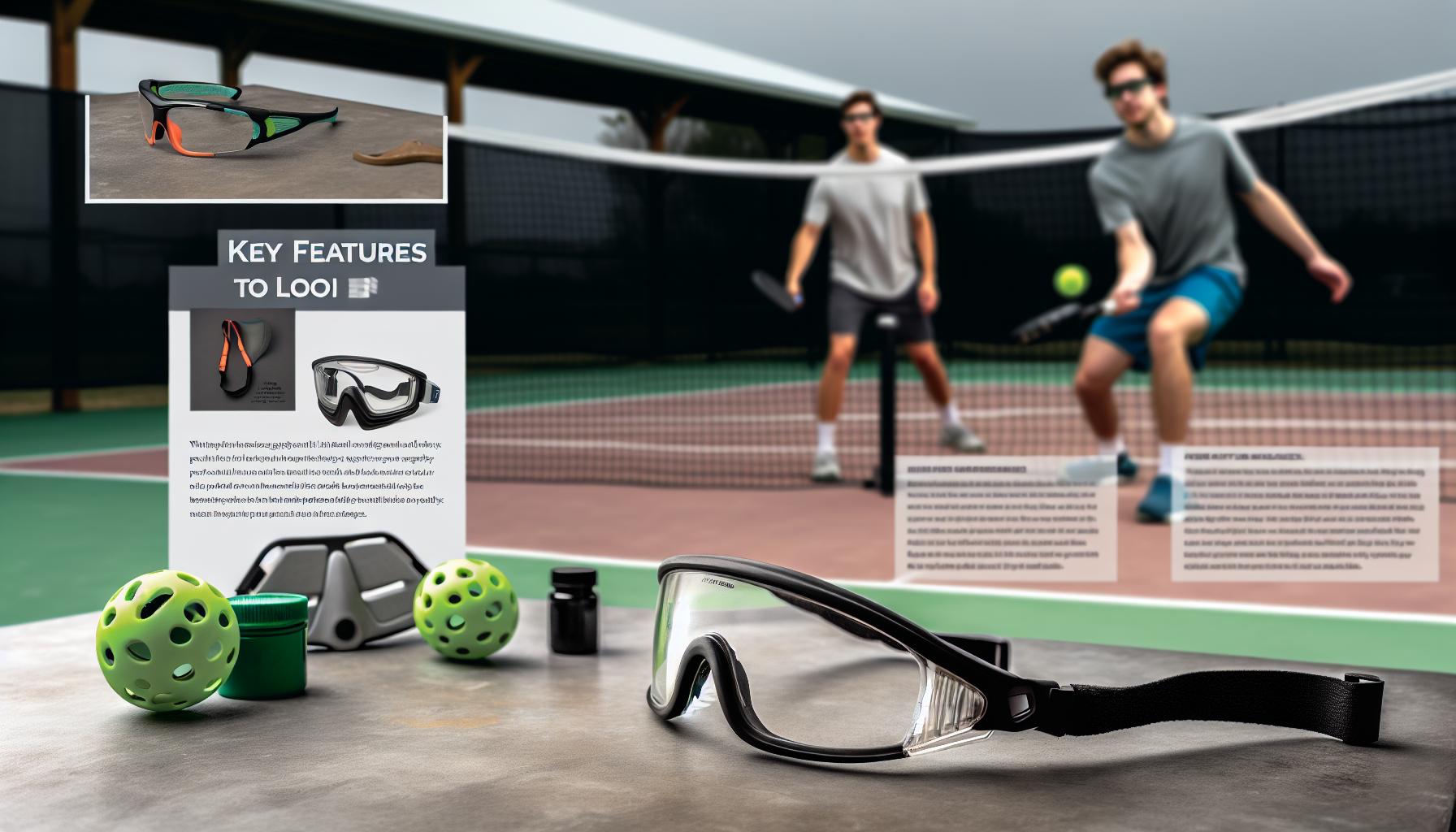
Choosing the right pickleball safety glasses is critical not just for protection but also for performance. When you’re sprinting, diving, or positioning yourself to return a fast serve, your glasses should feel like a natural extension-not an obstacle. Beyond the essential ANSI Z87.1 certification that guarantees impact resistance, several nuanced features influence how well glasses protect your eyes while enhancing your gameplay.
First, consider frame design and material. Lightweight, flexible frames made from polycarbonate or TR-90 reduce pressure points and prevent slippage during quick lateral movements. Wrap-around styles provide extra coverage, blocking peripheral hazards like unexpected paddle flicks or errant balls. Though, if you wear prescription lenses or find full wrap frames uncomfortable, semi-rimless styles with adjustable nose pads can balance protection and comfort. For example,a player with a narrow face found semi-rimless frames less prone to fogging and easier to wear over longer matches.
Critical Lens Features
- Optical Clarity: Pickleball demands split-second vision. Choose lenses with minimal distortion and high optical ratings-this helps track fast-moving balls and anticipate opponents’ shots.
- Anti-Fog and Anti-Scratch Coatings: Nothing disrupts focus like foggy lenses or surface scratches. For beginner players or those prone to sweating, investing in glasses with these coatings pays off immediately.
- UV protection: Outdoor courts expose players to possibly harmful sunlight. Many ANSI-rated safety glasses include 100% UV filtering lenses, a must-have for midday or sunny afternoon games.
- Tint and Color Options: clear lenses work in low-light or indoor courts, but slight tints like amber or gray can enhance contrast and reduce glare on bright days-improving ball visibility.
When balancing budget with features, don’t overlook comfort elements such as adjustable temples, rubberized grips, and ventilation channels. These keep glasses securely in place and reduce overheating during extended play. For instance,a competitive player shared how glasses with rubberized nose bridges prevented slippage during intense rallies,making a noticeable difference in focus and peace of mind.
| Feature | Why It Matters | Recommended For |
|---|---|---|
| ANSI Z87.1 Certification | Reliable impact protection against pickleball balls and paddle hits | All players, especially competitive and regular players |
| Wrap-Around Frames | Increased peripheral protection and stability | Players seeking maximum safety and coverage |
| anti-Fog Coating | Prevents lens fogging in humid or sweaty conditions | Beginners, indoor players, and hot climates |
| UV Protection | Blocks harmful ultraviolet rays during outdoor play | Outdoor players and sunny surroundings users |
| Adjustable Fit Features | Enhances comfort and prevents slippage | Players wearing glasses for extended sessions |
Remember, the best safety glasses strike the right balance between protection, comfort, and visual performance according to your specific court conditions and playing style. Prioritize lenses and frames that feel secure without constricting, and don’t hesitate to try different models during practice before settling on one for match day. The right glasses don’t just protect your eyes-they empower your entire game.
Top-Rated ANSI Safety Glasses for All Skill Levels
Choosing safety glasses that meet ANSI Z87.1 standards ensures you’re wearing protection tested to withstand the unexpected-a fast-moving pickleball striking your face or an accidental paddle flick. What’s impressive is how versatile top ANSI-rated glasses have become, catering to everyone from weekend beginners to seasoned tournament players. The key is finding glasses that align with your skill level, playing environment, and budget, without compromising on safety or comfort.
For beginners stepping onto the court, models that prioritize anti-fog coatings and lightweight frames make a huge difference. New players often struggle with fogging lenses during rallies and sweaty conditions, which disrupt focus. glasses designed specifically for this group usually balance a moderate price point with essential features like UV protection and adjustable temples to keep them steady during quick moves. For example, several entry-level options come with clear polycarbonate lenses, providing uncolored, distortion-free vision that’s perfect for indoor courts or low-light settings.
More advanced or competitive players frequently enough demand additional features-wrap-around frames for full peripheral protection, tougher scratch-resistant coatings, and enhanced lens tints like amber or gray to sharpen ball contrast under bright sun.These premium models may push past the basic ANSI certification with added comfort features such as padded nose bridges, ventilation channels, and customizable temple length. One longtime player shared how upgrading to a semi-rimless wrap-around design drastically improved his confidence during fast net exchanges,helping him avoid distraction and maintain aggressive court positioning.
| Skill Level | Key Features | Typical Price Range | Best Use Case |
|---|---|---|---|
| Beginner / Casual | Anti-fog coating, adjustable fit, clear lenses, lightweight frames | $20-$50 | Indoor or shaded play, occasional outdoor |
| Intermediate | UV protection, wrap-around style, scratch-resistant, slight lens tint | $50-$100 | Regular outdoor play, summer months |
| Advanced / Competitive | Premium coatings, enhanced tints, full wrap frames, ventilation, customizable fit | $100-$200+ | All-weather play, tournaments, high-intensity matches |
No matter your level, the perfect pair provides a balance of protection, optical clarity, and comfort. Trying multiple pairs during practice is invaluable-what stays put and feels natural while diving for a volley or sprinting back can differ greatly across styles and brands. Remember, these glasses are an investment not just in your eye safety but in your ability to focus, react, and play your best. embrace the role of your safety glasses as your silent partner on the court, helping you keep your eyes on the ball-and your game on point.
Comparing Budget vs. Premium Safety Glasses
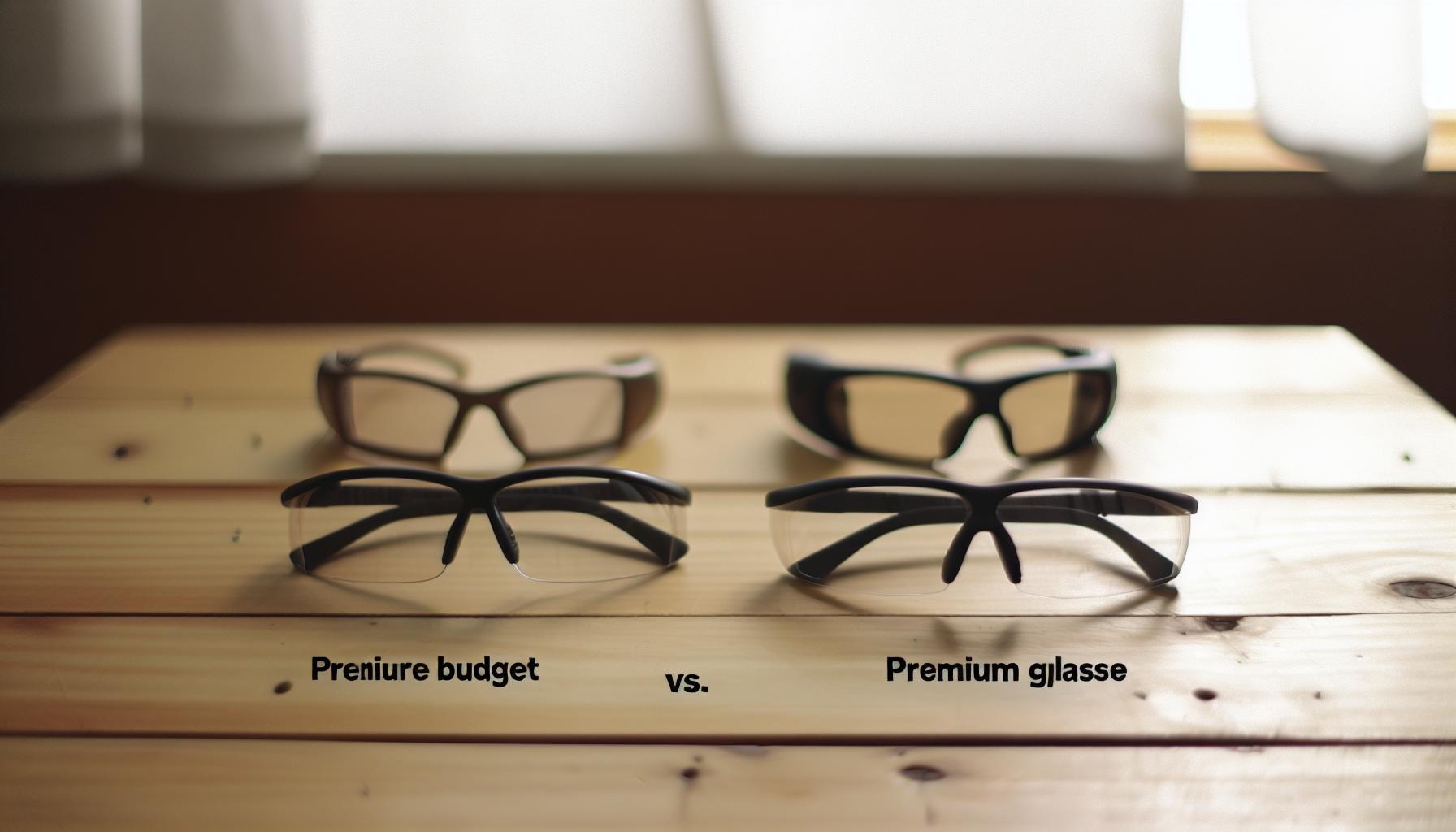
Picking between budget and premium safety glasses frequently enough boils down to striking the right balance between protection,comfort,and long-term value.While both can meet the essential ANSI Z87.1 impact standards, the differences become apparent when you consider durability, advanced lens technologies, and fit customization-critical factors that influence on-court performance and safety during intense pickleball play.
Budget-friendly glasses, typically priced between $20 and $50, prioritize fundamental protection and basic usability. These models usually feature lightweight frames and clear polycarbonate lenses with anti-fog coatings, making them great for beginners or casual players who are still getting comfortable with the game. Though, trade-offs include less robust scratch resistance, minimal lens tint options, and simpler frame designs that may lack wrap-around protection or ventilation. Players might find these glasses less stable during quick lateral movements or less comfortable during longer sessions, especially when sweating is involved.
In contrast, premium safety glasses-ranging from $100 upward-offer a suite of enhancements designed to meet the demands of competitive and high-intensity players.These often include full wrap-around frames that shield peripheral vision, advanced scratch-resistant and anti-reflective coatings, and specialized lens tints like amber or gray that enhance ball visibility in bright outdoor conditions. Additional comfort features, such as adjustable temple lengths, padded nose bridges, and built-in ventilation channels, reduce fogging and irritation during extended matches. Users frequently report that these glasses stay firmly in place during fast, agile plays and provide superior optical clarity, contributing to quicker reactions and fewer distractions.
Key Differences at a Glance
| Aspect | budget Safety Glasses | Premium safety Glasses |
|---|---|---|
| Price Range | $20 – $50 | $100 - $200+ |
| Lens Coatings | Basic anti-fog,minimal scratch resistance | Advanced anti-fog,scratch-resistant,anti-reflective,UV protection |
| Frame Design | Simple,lightweight,limited wrap-around | Full wrap-around,customizable fit,ventilation features |
| Lens Options | Mostly clear,few tint options | Amber,gray,polarized,photochromic lenses available |
| Comfort | Basic padding or none,fixed temple length | Adjustable temples,padded nose pads,ventilation |
| Durability | Moderate,may scratch or wear faster | high,built to endure frequent use and rough conditions |
For players just starting out or those who play casually indoors or in shaded environments,budget glasses represent an excellent introduction with decent protection and comfort. As skill level and play intensity escalate, upgrading to premium models pays dividends-especially when matches become faster, and visual clarity and peripheral protection can mean the difference between a successful volley and a painful mishap. Think of premium safety glasses as a performance upgrade: they don’t just meet the ANSI standard; they elevate your confidence and safety during every rally.
Remember, choosing the right pair doesn’t always mean splurging immediately.Testing how glasses feel during actual play-whether running baseline, volleying at the net, or sprinting back for returns-will often reveal whether extra investment justifies itself for your style and level. For serious players, those subtle comfort features and enhanced lens technologies frequently enough prove invaluable over time.
How to Choose the Right Fit and Comfort for Extended Play

Finding safety glasses that stay comfortable and secure during intense pickleball rallies can dramatically improve your game-and protect your eyes when reflexes are put to the test. Even the best ANSI-rated glasses won’t help if they pinch your nose, slip off mid-play, or fog up when the sweat kicks in. Comfort and fit are just as vital as impact resistance for extended sessions on the court.
Focus first on frame fit and adjustability. Look for glasses that offer flexible temple arms or adjustable nose pads. This adaptability ensures the glasses conform snugly without unwanted pressure points. If frames are too tight, they can cause headaches after an hour or two; too loose, and they might bounce off during lateral movements or dive for a drop shot. Such as, players with narrower faces often benefit from frames with temple length adjustments or spring hinges that prevent pinching while holding the glasses firmly in place.
Another key comfort factor is weight and ventilation. Lightweight polycarbonate frames combined with strategically placed ventilation channels reduce heat buildup-a major cause of fogging and skin irritation.When your match is heating up, glasses that breathe keep your vision clear and your focus sharp. Some premium models incorporate padded nose bridges made from silicone or gel for added comfort during extended play, which can make a noticeable difference after 2+ hours on court.
customization Tips for Optimal Fit
- Try before you buy: Use mirror tests or ask a friend to mimic rapid pickleball movements to check how glasses stay put.
- consider face shape: Round,oval,or angular faces all wear glasses differently-seek styles that complement your unique contours.
- Don’t overlook temple adjusters: Adjustable or spring-loaded temples improve stability, especially during quick pivots.
- Padding matters: Silicone nose pads and temple tips reduce slipping caused by sweat without increasing pressure.
For newcomers or casual players, fewer fit features might be acceptable for shorter bouts. But serious and competitive players should prioritize comfort-enhancing designs that maintain stability during fast serves, volleys, and sudden crouches-because when your glasses fit correctly, you spend less time adjusting and more time winning points. Remember, the right fit also prevents distractions, letting you track that fast-moving pickleball precisely when it counts.
| Fit & Comfort Feature | Why It Matters | Recommended for |
|---|---|---|
| Adjustable Nose Pads | Customizes pressure & prevents slipping | Players with sensitive noses or long sessions |
| Spring Hinges on Temples | Improves stability & accommodates wider faces | Players with broad face shapes or aggressive movement |
| Ventilation Channels | Prevents fogging & heat buildup | All skill levels, especially outdoor/high-intensity |
| Lightweight Frames | Reduces fatigue over long matches | All players, crucial for extended play |
Investing time in finding glasses that balance snugness without pressure and integrate comfort features pays off in prolonged wearability and unbroken focus. before committing, wear your pick under different play scenarios-baseline rallies, net dashes, or post-sweep recovery-to discover if the fit supports your style and stamina. Good fit is the foundation upon which the ANSI-rated protection stands, making your glasses a true on-court ally rather than just equipment.
Lens Types and Coatings: Enhancing Vision and Protection
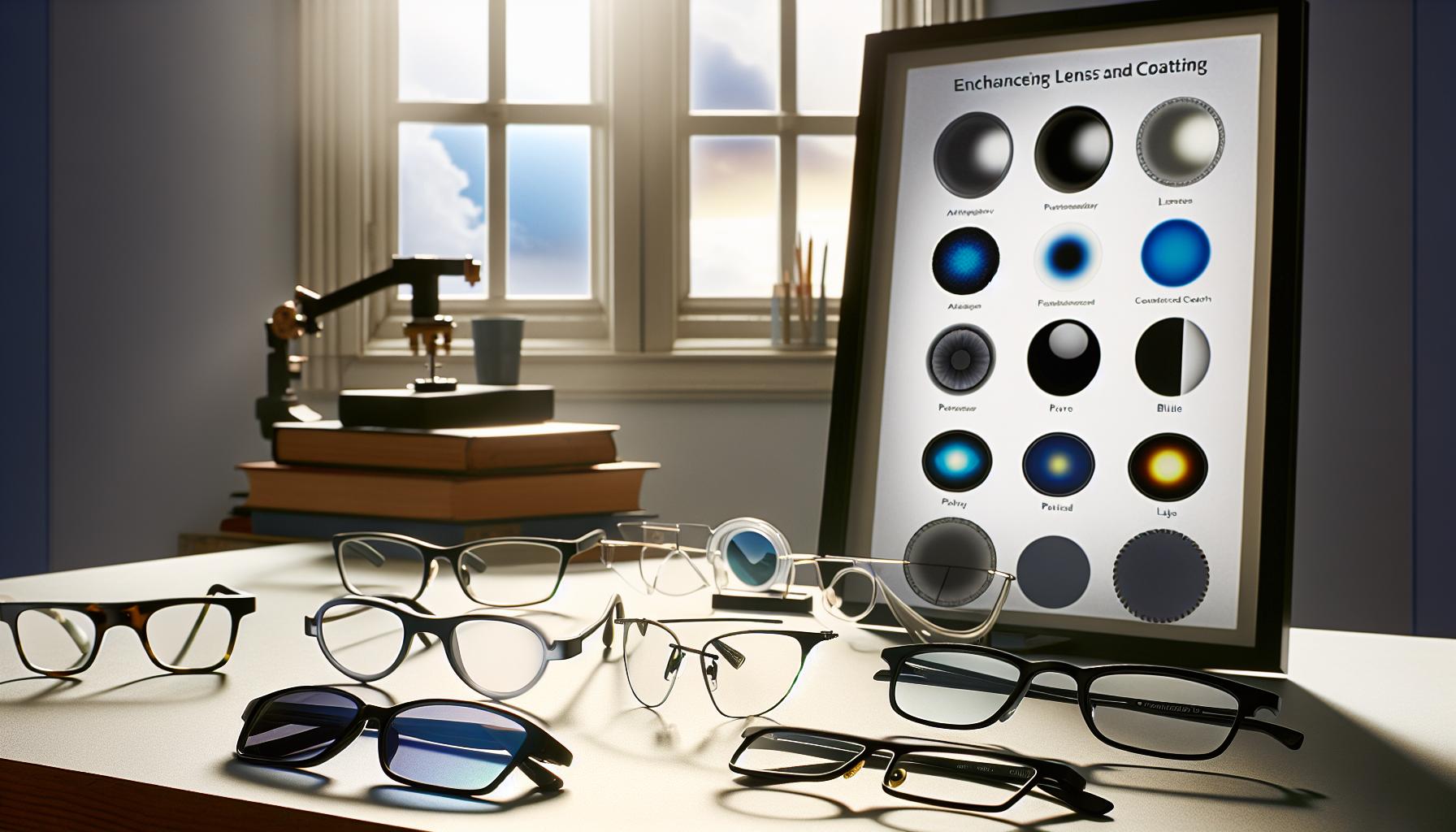
Picking the right lenses and coatings for your pickleball safety glasses is as critical as choosing the proper frame fit. the lenses not only protect your eyes from high-speed impact but play a huge role in optimizing your vision under different lighting and court conditions. Different lens types can dramatically affect your ability to track that fast-moving ball, read opponents’ cues, and maintain sharp focus throughout rallies.
Most ANSI-rated safety glasses feature polycarbonate lenses, prized for their excellent impact resistance and lightweight feel. Beyond basic clear lenses, tinted options help reduce glare when playing outdoors in bright sunlight, while polarized lenses cut down on reflective glare from court surfaces-an advantage when you’re locked in long baseline exchanges.For indoor players, anti-reflective coatings can minimize distracting glare from overhead lighting, improving contrast and reducing eye strain during evening matches.
Understanding Lens Coatings and Their Benefits
- Anti-Fog Coatings: Nothing ruins a fast-paced rally like fogged-up lenses. Look for hydrophilic coatings that absorb moisture or hydrophobic coatings that repel sweat and water droplets-especially helpful for players who sweat heavily or play in humid environments.
- Scratch-Resistant Coatings: Pickleball gear takes a beating; bangs, drops, and court dust are all common. Scratch-resistant coatings protect your lenses from damage that can obscure vision and demand costly replacements.
- UV Protection: Even if you play indoors, UV protection isn’t a bad idea-spectacles with 99-100% UVA and UVB blocking shield your eyes, reducing long-term damage and fatigue from extended exposure.
Matching Lens Tints to Play Environments
Picking the right tint depends heavily on where you play. For bright, sunny outdoor courts, lenses with yellow, amber, or rose tints enhance contrast and depth perception, making it easier to spot the perforated pickleball against varied backgrounds. These lenses sharpen shadows and help the ball “pop” visually during rapid play. Meanwhile, gray or smoke tints are great for minimizing overall brightness without distorting colors-ideal for midday outdoor matches.
Indoor players or those who play in shaded courts may prefer clear or lightly tinted lenses paired with anti-glare coatings to maintain true color vision and avoid dimming the environment. This ensures quick reaction times and reduces the chance of misjudging ball speed and trajectory.
| Lens Type/Coating | Main Benefit | Best For |
|---|---|---|
| Clear Polycarbonate | Maximum visibility & impact resistance | Indoor play or low-light conditions |
| Polarized | Reduces glare & improves outdoor visibility | Outdoor courts with reflective surfaces |
| Anti-Fog Coating | Prevents lens fogging during sweat & humidity | High-intensity play & humid environments |
| Amber/Yellow Tint | Enhances contrast & depth perception | Outdoor play in variable light |
| Scratch-Resistant Coating | Prolongs lens life & clarity | All players, especially competitive & frequent users |
Choosing lenses and coatings is also a balance between budget and performance. Entry-level glasses often come with standard clear lenses and minimal coatings to keep costs low, which might be suitable for casual players. Competitive players or those investing in premium gear benefit from multi-coated lenses that combine anti-fog, scratch resistance, and polarization for flawless clarity and protection during intense matches.
Ultimately, selecting the right lens configuration for your pickleball safety glasses supports sharper vision, faster reflexes, and lasting eye comfort. Try various lens tints and coatings in real game scenarios when possible, and prioritize options that reduce glare and fog without compromising color accuracy or overall durability. Your eyes are your best asset on the court-protecting them with thoughtfully chosen lenses pays off in improved performance and longer play seasons.
Real-world Performance: Safety Glasses Tested on the Court
Few things test safety glasses like an actual game on the pickleball court. In real-world play, protection is non-negotiable, but so is performance. Glasses that pass ANSI standards in the lab sometimes fall short under the dynamic conditions of fast volleys, sudden movements, and variable lighting.through hands-on testing, several factors stand out as critical in determining whether a pair truly holds up and supports competitive play.
A primary measure is impact resistance paired with field of vision. Good pickleball safety glasses provide broad peripheral visibility without distortion, allowing players to track that quick-moving perforated ball and opponents’ body cues.Frames that are too bulky or lenses with glare can delay reaction times and cause distraction. In trial sessions, polycarbonate lenses with anti-reflective coatings and lightweight frames consistently offered an ideal balance. Players noted these features helped maintain sharp focus especially during long baseline rallies where quick judgments count.
Performance Factors to Watch
- Fit Stability: Glasses must stay firmly in place through lateral slides and bends without causing pressure points. Adjustable nose pads and temple grips earn high marks in testing for prolonged comfort.
- Lens Clarity and anti-Fog: Even top-tier lenses fail if fogging sets in during intense play. Hydrophobic and anti-fog coatings made a visible difference in humid or sweaty conditions, preventing vision loss at crucial moments.
- Glare Reduction: Polarized lenses for outdoor courts drastically reduce reflected glare from smooth surfaces, enhancing ball contrast. Meanwhile, clear lenses with anti-glare coatings shine indoors.
Cost also reflects in durability and performance. Budget models frequently enough deliver fundamental ANSI-approved impact guards but may lack multi-coatings that prevent fogging or scratches. Mid- to premium-tier glasses frequently include these extras, translating to better long-term value by reducing lens degradation and playing interruptions. Players trading occasional recreational matches for weekly competition will appreciate the investment of ergonomic design and advanced coatings.
Insights From the Court
Real players report improved confidence when safety glasses feel “invisible” - lightweight, ventilated, and with lenses that don’t compromise color perception. Testing revealed that tinted lenses suited for specific environments (amber for outdoor contrast, clear for indoor speed) contribute materially to reaction time and shot accuracy. Conversely, one-size-fits-all glasses without customization frequently enough fall short as lighting conditions change.
In practice drills and match scenarios,glasses that emphasize comfort enable longer sessions without distractions. This translates into both safer play and better performance outcomes, especially for those refining footwork and shot placement. Coaches emphasize that players should experiment with lens types under actual court conditions to find the setup that best tunes their visual edge while ensuring full ANSI-rated protection.The bottom line: real-world testing flags the importance of trying several models, considering skill level and budget. Even basic ANSI safety glasses outperform no protection at all, but upgrading to glasses with advanced lens coatings and ergonomic design pays dividends in comfort and clarity when every millisecond counts on the court. Protecting your eyes and maintaining uncompromised vision is one of the best investments a pickleball player can make-for safety and sustained enjoyment of the sport.
Maintenance Tips to prolong Safety Glasses durability
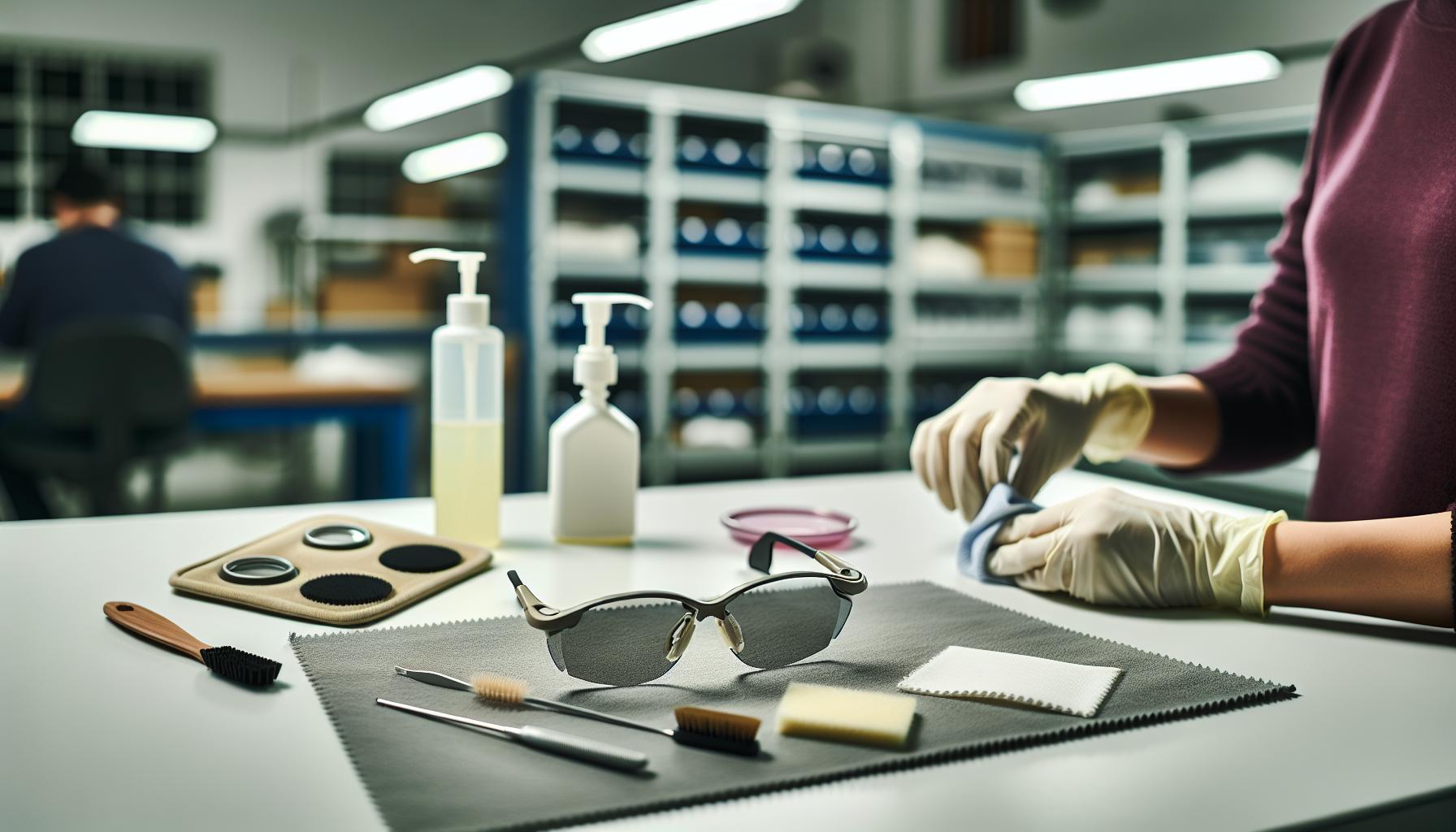
Few pieces of gear get as much daily wear and exposure to harsh conditions as your pickleball safety glasses.Proper care can dramatically extend their lifespan, ensuring that your investment continues to provide top-tier ANSI-rated protection and clear vision miles beyond the court. Neglecting maintenance not only risks scratches and fog build-up but also compromises impact resistance-key for avoiding eye injuries during fast-paced volleys.
Start by integrating a routine cleaning habit. Use a microfiber cloth and lens cleaner specifically formulated for polycarbonate lenses to avoid damaging anti-reflective or anti-fog coatings. Avoid paper towels or clothing, which can cause micro-scratches. Rinsing lenses gently with lukewarm water before wiping helps remove abrasive particles like dust or sand picked up outdoors. For players who sweat heavily, it’s smart to wipe down frames and nose pads regularly to prevent skin oils and salt from degrading grip materials.
Smart Storage and Handling
Proper storage is equally essential. Invest in a hard-shell case designed for glasses, which protects against crushing and accidental drops when off-court. Avoid tossing your glasses into bags or pockets without protection-this is a primary culprit for lens scratching and frame bending.When not in use during play breaks, consider a silicone strap or retainer to keep your glasses secure and within reach, minimizing handling and dropping risks during frantic rallies.
Periodic Checks for Longevity
Regularly inspect key wear points like nose pads, temples, and hinge screws. Loose hinges can result in poor fit and stability, which harms comfort and safety. Tighten screws gently with a small screwdriver or take your glasses to an optical shop for maintenance. For adjustable parts, confirm that the grip elements haven’t hardened or cracked, which reduces their holding power during swift movement. Replacement parts for premium models are usually affordable and easy to swap, a worthwhile step to maintain perfect fit and protection.
| Maintenance Action | Recommended Frequency | Purpose |
|---|---|---|
| Lens cleaning with microfiber cloth | After every use | Prevent scratches, remove sweat and dirt |
| Rinse lenses with lukewarm water before wiping | Weekly or as needed | Remove abrasive particles gently |
| inspect and tighten screws | Monthly | Maintain fit and frame stability |
| Replace worn nose pads or grips | As signs of wear appear | Ensure comfort and secure fit |
| Store in hard case when not in use | Always | Protect from physical damage |
By adopting these simple but vital maintenance habits, you maximize the protective value and clarity of your ANSI-rated safety glasses. This not only safeguards your eyes but means your gear won’t hold you back during long matches or intense drills. Whether you’re a weekend warrior or climbing competitive ranks, caring for your glasses is a win that pays off every time you step on the court.
Protecting Your Eyes: Common Pickleball Impact Risks Explained
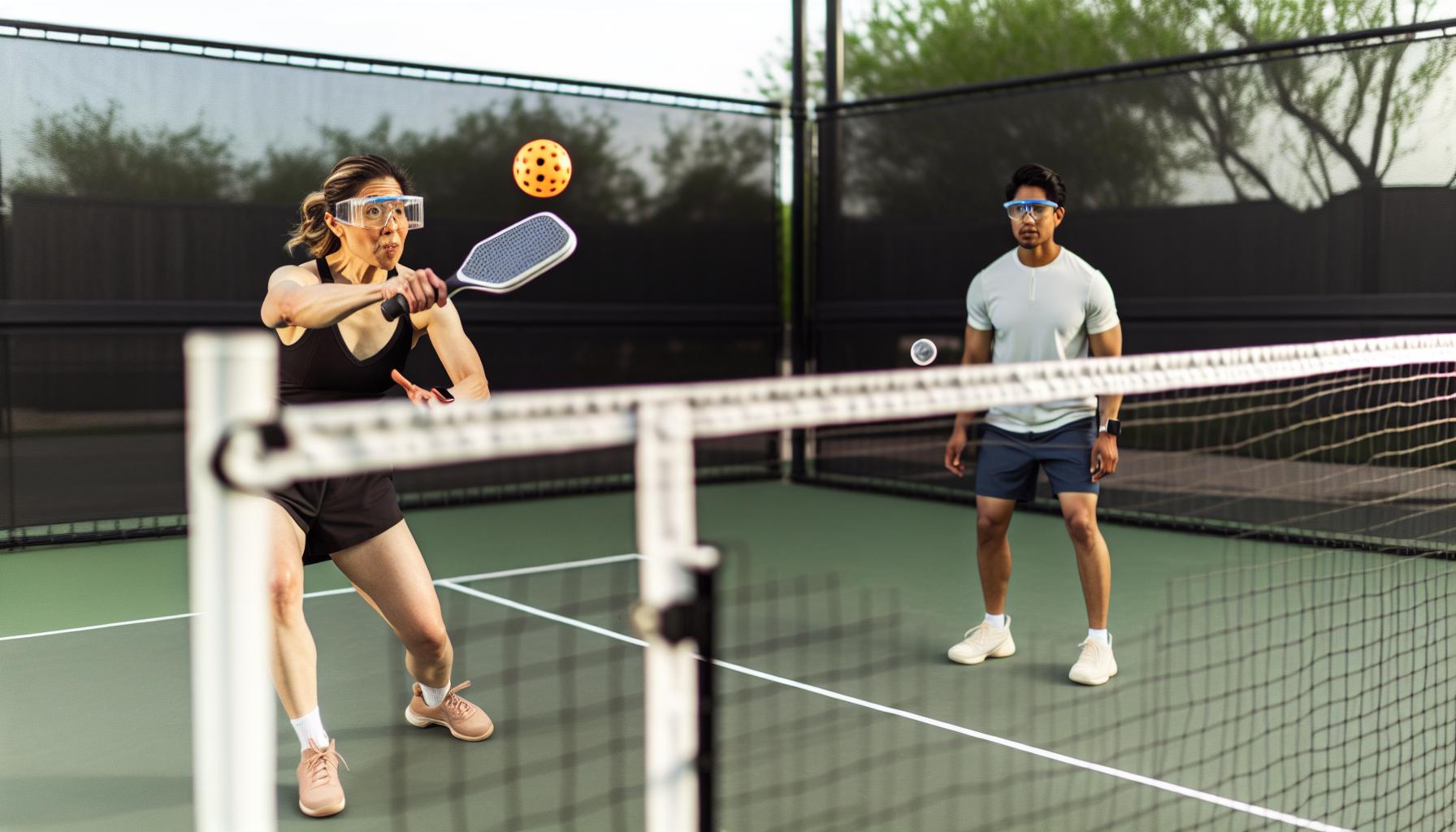
few players realize how fast a pickleball can travel-and how quickly it can turn from a fun rally to a potential eye hazard. Pickleball involves rapid exchanges close to the net, frequently enough at unpredictable angles, making eye injuries a real risk, even for seasoned athletes. the ball itself, made of hard plastic, can cause serious injury on impact, especially in fast-paced doubles matches where reaction time is minimal.
Understanding the types of common impacts helps you appreciate why ANSI-rated safety glasses are non-negotiable gear on the court. Most eye injuries stem from accidental paddle-to-eye contact, high-speed ball strikes, or even colliding with another player during a scramble. These risks escalate with higher skill levels, where players hit harder and move faster. Beginners often underestimate the danger because pickleball looks less aggressive than sports like tennis or racquetball, but the speed and close quarters present unique threats.
- Paddle Strikes: The close proximity during net play frequently results in accidental hits from paddles. A sudden deflection or volley won’t give your eyes enough time to blink away an impact.
- Ball Impacts: Pickleballs can reach speeds exceeding 30 miles per hour in competitive play. A strike from such a velocity can cause bruising, corneal abrasions, or worse.
- Player Collisions: Fast court movement sometimes leads to players bumping into one another or tripping-both can send inadvertent hits to the face.
Why ANSI-Rated Glasses Are Essential
Safety glasses rated to ANSI Z87.1 standards are specifically tested for impact resistance to withstand forces typical in sports environments. Unlike regular sunglasses or reading glasses, the polycarbonate lenses in ANSI-rated models can absorb and disperse the energy of flying objects and accidental contact. This resilience is critical when split-second saves prevent potential permanent injury.
Players must avoid the misconception that any eyewear offers adequate protection. For example, budget glasses might shatter or pop off during an impact, whereas high-quality ANSI safety glasses combine durability with stable fit, serving both injury prevention and comfort during long rallies.
Practical Tips to Minimize Risk
- Always wear safety glasses during play-never treat them as optional, even in casual games.
- Choose models with wrap-around frames or side shields to block errant glances and debris.
- Consider anti-fog and scratch-resistant coatings for clear vision that prevents accidents caused by impaired sight.
- Maintain your glasses regularly to ensure they fit snugly and the lenses remain defect-free.
In real-world terms, envision a doubles match where the ball zips past at chest height. Without protection, a split-second paddle swing can send the ball-and sometimes the paddle itself-directly toward your eyes. Wearing trusted, ANSI-certified glasses is like having a skilled co-pilot guarding your vision, allowing you to focus on strategy instead of safety concerns.
| Impact Risk | Description | Protection Feature |
|---|---|---|
| Paddle Contact | Close-quarters net plays causing paddle hits | Impact-resistant polycarbonate lenses and wrap-around frame |
| Ball Strike | Fast ball speeds causing blunt trauma | ANSI Z87.1 certification for high-velocity impact protection |
| Player Collision | Unintended player contact during fast movement | Secure fit and durable frame materials preventing dislodging |
By anticipating these common scenarios and choosing eyewear designed to meet the real demands of pickleball play, you safeguard one of your most valuable assets-your vision-while elevating your confidence on the court. Whether you’re a weekend player or training for competition, prioritizing proper eye protection bridges the gap between injury risk and the enjoyment of the game.
Frequently Overlooked Safety Glasses Features That Matter
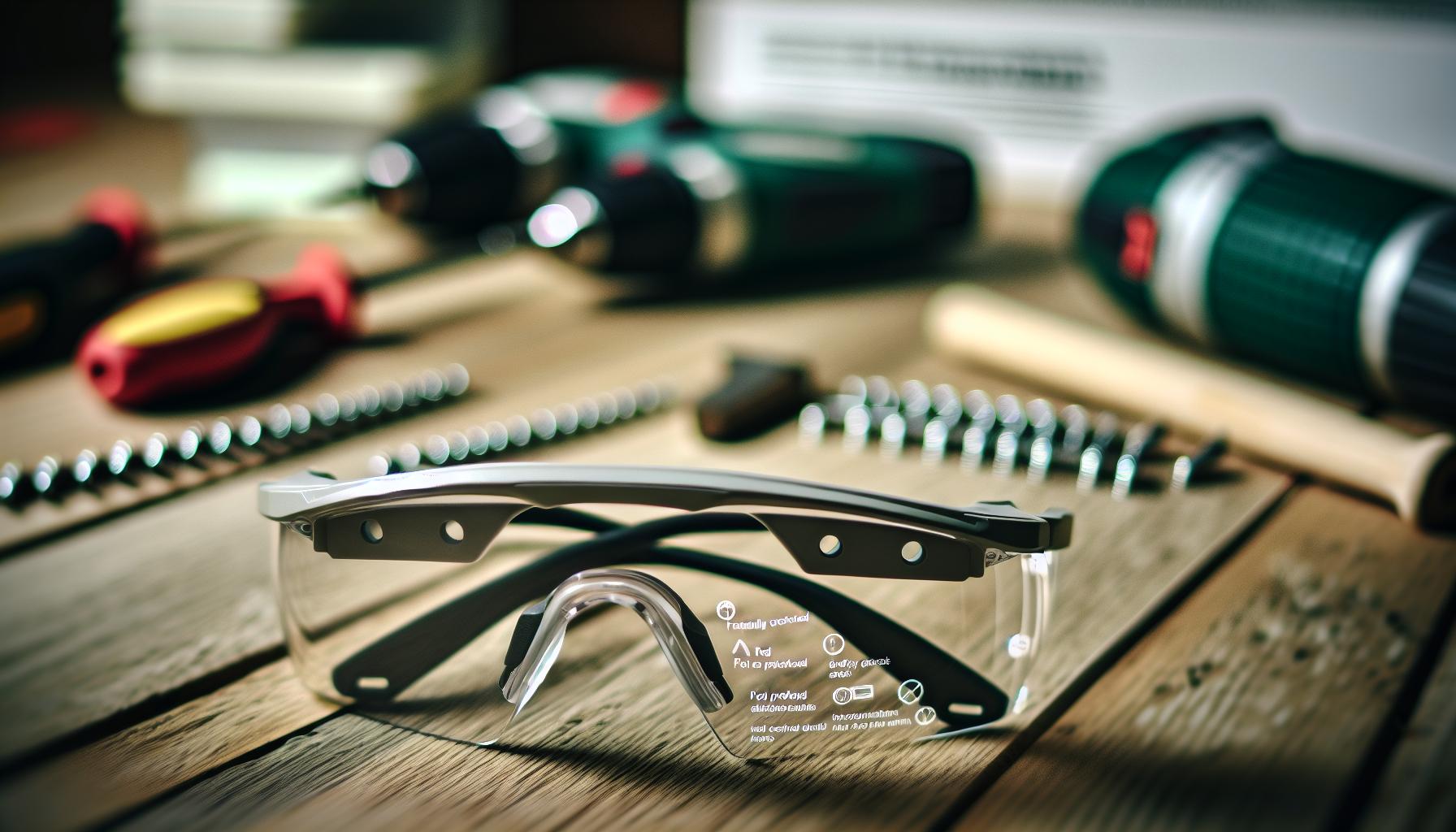
Few players realize that beyond the obvious protection features lie nuanced details in safety glasses that can make or break your on-court experience. These often-overlooked elements aren’t just style choices-they directly impact comfort, durability, and effectiveness during long pickleball sessions. Recognizing these subtle factors can definitely help you avoid frustration mid-game and keep your focus where it belongs: on the rally.
Adjustable Nose Pads and Temple Arms
Many assume that one-size-fits-all frames suffice, but adjustable nose pads and temple arms are game-changers in fit customization. These features prevent slippage caused by sweat, sudden movements, or fast dives near the net.As a notable example, an adjustable nose pad can reduce pressure points or stop glasses from sliding down during an intense volley. Premium models often offer this versatility, but some budget options surprisingly include at least partial adjustability-worth exploring if comfort is a priority without going all-in on top-end frames.
Ventilation and Anti-Fog Solutions
A clear view is non-negotiable on the court.While many players focus on scratch resistance, fogging frequently enough undermines visibility more. Look for models with built-in ventilation channels or anti-fog coatings that combat humidity and temperature changes during play.This is especially crucial for indoor pickleball or humid climates where lens fogging can lead to missed shots or misjudged ball trajectories. Pairing anti-fog lenses with hydrophobic coatings further repels moisture,extending on-court clarity.
Lightweight Frame Materials with Impact Memory
Durability matters, but weight directly influences player endurance and head fatigue. Lightweight polycarbonate frames are common, but some newer materials incorporate impact memory-meaning they flex on impact and return to shape-minimizing frame breakage and lens displacement.This flexibility is crucial during rapid net exchanges or accidental collisions. While these materials may nudge the price higher, the investment pays off for competitive players who face frequent high-intensity play.
Interchangeable Lenses for versatility
Not all pickleball courts and lighting conditions are created equal. Some safety glasses come with interchangeable lenses to quickly adapt to varying indoor, outdoor, bright, or low-light environments.This feature is often overshadowed but invaluable for players who train or compete across multiple venues throughout the year. Clear lenses for indoor or dusk play, tinted or polarized lenses for bright sun, and even yellow enhanced-contrast lenses for overcast days can improve reaction time and eye comfort.
| Feature | Benefit | Practical Example |
|---|---|---|
| Adjustable nose Pads & Temples | Improved fit, reduces slippage | Prevents glasses from sliding during lunges or fast pivots |
| Ventilation & Anti-fog | Maintains clarity, prevents fog build-up | Keeps lenses clear during humid indoor games |
| Lightweight, Flexible Materials | Enhanced comfort and durability | Frames bend slightly on collision, returning to shape |
| Interchangeable Lenses | Adaptation to lighting conditions | switching from clear to tinted lenses when moving outdoors |
Being aware of these less obvious characteristics empowers you to select safety glasses that suit your style of play, environment, and budget. It’s not just about meeting ANSI impact ratings-optimal fit and functional features can vastly improve your game-day focus, confidence, and eye protection reliability.For players serious about longevity both in gear and their pickleball journey, these details are well worth the extra consideration.
Balancing Style and Safety: Designs Players Love
Finding the perfect balance between style and safety is more than just an aesthetic choice for pickleball players-it’s about confidence on and off the court. Wearing ANSI-rated safety glasses that look good helps players feel comfortable and ready for every fast-paced rally, without compromising on crucial impact protection. Today’s market offers a surprising variety of designs that cater to different tastes and skill levels, so whether you’re a weekend warrior or a competitive player, you don’t have to sacrifice appearance for top-notch eye safety.
Design trends now frequently enough blend sleek athletic looks with durable materials that withstand high impact while remaining lightweight. Frames come in bold colors and matte finishes, allowing you to express your personality while staying within the safety standards essential for pickleball’s unpredictable bursts of movement. For example, polarized lenses not only enhance vision but also come in mirrored or tinted styles to reduce glare during outdoor play-doubling as a functional fashion statement. Even on a budget, many ANSI-compliant models have adopted smoother lines and softer contours that pair well with athletic apparel, making them less intrusive and more versatile for daily wear.
Style Meets Function: What to Prioritize
It’s important to remember that style should never trump key safety features. Players often wonder if trendy frames compromise ANSI impact ratings or lens quality.Thankfully, manufacturers increasingly focus on merging both. Polycarbonate lenses with anti-scratch and anti-fog coatings come standard in many visually appealing options today. Adjustable features such as nose pads and temple arms, while sometimes subtle design elements, contribute to a personalized fit without bulkiness or sacrificing the eyewear’s sleek profile.
Balancing Budget and Aesthetic Appeal
Budget-friendly glasses can surprise with modern styles, but premium models frequently offer more customization options for frame colors, finishes, and lens hues. The trade-off typically lies in materials and comfort-higher-end models use impact-memory frames that flex and rebound from collisions,offering long-term durability alongside style. Hear’s a quick comparison to help you decide:
| Aspect | Budget-Friendly | Premium |
|---|---|---|
| Frame Style & Color | Basic color choices, matte or glossy finish | Wide variety, including custom fits and designer collaborations |
| Lens Options | Standard clear or tinted | Polarized, mirrored, interchangeable lenses |
| Fit & Adjustability | Limited adjustments or fixed fit | Adjustable nose pads, temple arms, multiple sizes |
| Durability & Comfort | Good for casual play, may lose shape over time | Impact-memory frames; lightweight, extended wear comfort |
Choosing safety glasses that suit your personal style makes it easier to remember to wear them every game-and increases the likelihood you’ll keep them in play for years. Ultimately, when safety blends with style, it encourages consistent eye protection, enhancing both your performance and enjoyment on the court.
- Pro tip: Test glasses with your typical pickleball outfit and in natural light to see how frame colors and lens tints perform under real conditions.
- Remember: Safety ratings are non-negotiable-never sacrifice ANSI certification for style alone.
Integrating style with function in your pickleball safety glasses ensures you look sharp, stay protected, and feel confident for every serve and volley.
Upgrading Your Gear: When to Replace Your Safety Glasses
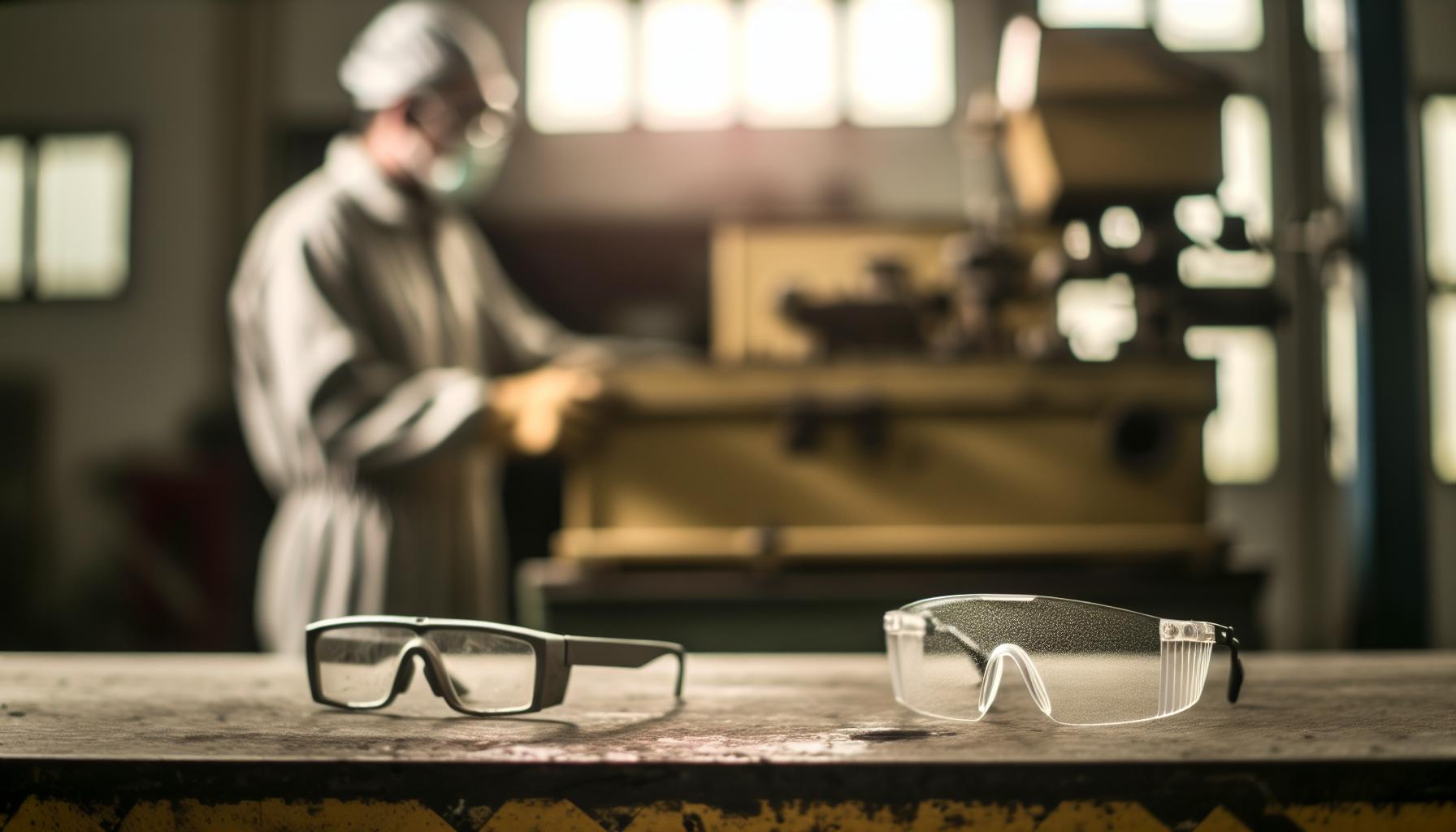
Eye safety gear is only effective as long as it maintains its structural integrity and clear vision. Even the toughest ANSI-rated pickleball safety glasses can become compromised over time due to everyday wear, accidental drops, or repeated impact stresses. Knowing exactly when to upgrade your protective eyewear is critical-waiting too long could put you at risk, while replacing too often may strain your budget unnecessarily.
A simple rule of thumb is to closely inspect your glasses after any significant impact. Cracks, chips, or deep scratches on lenses or frames aren’t just cosmetic issues-they can weaken the gear’s ability to absorb and deflect fast-moving pickleballs and court debris. these damages can cause lenses to shatter more easily under impact, negating the ANSI safety ratings that give you dependable protection.
Signs It’s Time to Switch Out Your Glasses
- Visible Frame Damage: Bent or snapped frame parts that affect fit and tightness reduce consistent protection and comfort.
- Scratched or Cloudy Lenses: Impair vision and depth perception essential for fast-paced play; also a sign lenses may lose protective coatings.
- Loose or Missing Components: Nose pads, temple tips, or screws that no longer hold in place compromise fit and increase chances of the glasses slipping mid-rally.
- Decreased Comfort: Warping or material degradation can cause pressure points or slipping, discouraging consistent wear.
Balancing Longevity with Budget
picking the right moment to upgrade naturally depends on your style of play, budget, and how actively you use the glasses. Casual players who use their glasses less frequently might stretch the lifespan beyond a year, while competitive players hitting the court daily should plan on replacement at least every 6-12 months.Premium glasses with impact-memory frames and interchangeable lenses often last longer, justifying their higher upfront cost through extended reliability and improved comfort.
| Factor | Budget Models | Premium Models |
|---|---|---|
| Typical Lifespan | 6-12 months with regular use | 12-24 months or more |
| Impact Resistance Over Time | May degrade with heavy impacts | Retains shape and resilience better |
| Maintaining Fit & Functionality | Less adjustable; wears out faster | Adjustable, easier to repair or replace parts |
Practical Tips for a Seamless Upgrade
If you find yourself hesitating to make the switch, consider the following:
- Track your usage: Jot down when you start using a new pair so you can monitor time on the court and evaluate condition after seasons.
- Test vision regularly: Cloudy or scratched lenses should be replaced swiftly, even if frames appear fine.
- Keep an eye on comfort: If your glasses become a nuisance to wear, the temptation to discard protection rises. upgrading restores your safety discipline.
- Consider emerging technologies: New lens coatings, frame designs, and ANSI-certified options hit the market every season. Don’t hesitate to switch if a new model promises better durability or vision enhancement.
Ultimately, investing in well-maintained, high-quality ANSI-rated safety glasses pays off by guarding your most valuable asset-your eyes-and ensuring you stay confident on every serve and volley. Staying alert to wear and damage is the hallmark of a smart player who treats protective gear as integral as a good paddle or court shoes.
Q&A
Q: How do ANSI-rated safety glasses improve pickleball player performance?
A: ANSI-rated safety glasses enhance player performance by providing clear, impact-resistant lenses that protect eyes without distortion. Their secure fit prevents slipping during quick movements, helping maintain focus and confidence on the court. For detailed lens and comfort tips, see our section on How to Choose the Right Fit and Comfort to boost your gameplay.
Q: What are the best lens colors for pickleball safety glasses to enhance contrast?
A: Amber and yellow lenses are ideal for pickleball as they increase contrast and improve depth perception in varied lighting. These lens colors help players track the fast-moving ball better. Explore our Lens Types and Coatings section for more on choosing lenses tailored to outdoor or indoor play.
Q: Why is a snug fit critical in pickleball safety glasses beyond basic eye protection?
A: A snug fit is vital to prevent glasses from sliding during lateral movements common in pickleball. This stability reduces distractions, maintaining full peripheral vision and protecting against unexpected ball impacts.Learn precise fit adjustment tips in the How to Choose the Right Fit and Comfort section.
Q: When should pickleball players upgrade their ANSI-rated safety glasses for maximum protection?
A: Players should replace safety glasses after visible damage, loose hinges, or worn coatings to ensure ongoing ANSI-rated protection. Upgrading regularly, roughly every 12-18 months for frequent players, maintains optimal impact resistance and clarity. see the Upgrading Your Gear section for detailed replacement cues.
Q: How do anti-fog coatings on ANSI-rated pickleball safety glasses benefit competitive players?
A: anti-fog coatings improve visibility by reducing lens fogging during intense rallies or humid conditions. This feature allows competitive players to maintain clear vision and quick reaction times. Our Lens Types and Coatings section highlights top anti-fog technologies to look for.
Q: What safety glass design features reduce glare for daytime pickleball play?
A: Polarized lenses and anti-reflective coatings are key design features that reduce glare from sunlight or court surfaces, enhancing eye comfort and focus during outdoor play. For styling and practical options, check the Balancing Style and Safety section to find glasses players love wearing.
Q: How do budget-friendly ANSI-rated safety glasses compare in durability to premium models?
A: Budget-friendly ANSI-rated glasses provide essential protection but may use lighter materials that can wear faster than premium options. Premium models often feature enhanced durability, better coatings, and warranty coverage. Review our comparing Budget vs. Premium Safety Glasses section for insights helping you balance cost and longevity.
Q: Where can I find replacement parts or repairs for damaged pickleball safety glasses?
A: Many brands offer warranties and customer service for replacement parts and repairs on ANSI-rated safety glasses. Choosing glasses from reputable manufacturers ensures access to lenses, frames, or strap replacements.See Maintenance Tips to Prolong Durability for advice on care and vendor support.
Explore these FAQs alongside the main article to deepen your knowledge on ANSI-rated pickleball safety glasses, helping you choose gear that matches your skill level and budget with confidence!
The Way Forward
Choosing the right ANSI-rated safety glasses is crucial for protecting your eyes during fast-paced pickleball games, no matter your skill level or budget.With durable, impact-resistant lenses designed to shield you from accidental ball or paddle strikes, these glasses offer peace of mind so you can focus on improving your performance and enjoying every match.Don’t wait until an injury happens-investing in quality protective eyewear today ensures both safety and clarity on the court.
Ready to explore your options? Check out our detailed guide on types of safety glasses for pickleball and discover prescription-friendly models at Ocusafe. For a closer look at durability and style, visit our full collection of pickleball safety glasses. Stay informed, gear up properly, and sign up for our newsletter for ongoing tips on equipment, technique, and strategies that help both beginners and advanced players excel. Have questions or favorite brands? Drop a comment below and join the conversation-your next-level pickleball experience starts with smart choices and safety first!
Get our latest guides, news, and insights highlighted in your Google Search & AI Overviews.