changing lenses in your Onix pickleball glasses can make a significant difference in your game-whether adapting to varying light conditions or swapping out scratched lenses to maintain clear vision. For players at any skill level, knowing how to quickly and safely replace lenses ensures you stay focused on the court without interruptions. This step-by-step guide breaks down the process in simple terms, helping you handle your eyewear confidently, avoid costly mistakes, and maximize the performance benefits from your glasses. Whether you’re investing in premium lens upgrades or balancing budget-friendly options, mastering this skill lets you tailor your gear to real playing conditions, so you can keep your eyes on the ball-literally. Let’s dive into practical, easy-to-follow tips that make lens changes straightforward, preserving your vision and enhancing your overall pickleball experience.
Choosing the Right Lenses for Onix Pickleball Glasses
Choosing the perfect lenses for your Onix pickleball glasses can make a world of difference on the court. Whether you’re a casual weekend player or a competitive athlete, selecting lenses that match your playing habitat and visual needs is crucial. Many players underestimate how lens color, tint, and coating affect glare reduction, contrast enhancement, and eye protection – all key factors that influence both comfort and performance during intense rallies.
Understanding Lens Colors and Their Benefits
Different lens colors serve specific purposes and excel under varying lighting conditions:
- Gray lenses: Neutral tint that reduces overall brightness without distorting colors. Ideal for bright, sunny days and outdoor courts.They provide true color perception and reduce eye strain.
- Amber/Yellow lenses: These enhance contrast and depth perception, notably useful on overcast days or indoor courts where lighting is less intense. Amber lenses sharpen ball visibility against a variety of backgrounds.
- Brown lenses: Similar to amber but with a slightly darker tint, excellent for moderately bright conditions while improving contrast and reducing glare.
- Clear lenses: Primarily for indoor play or low-light situations, offering protection without tint, they help safeguard your eyes from dust and debris without altering vision.
key Features to Consider Beyond color
When choosing lenses, balance several performance features aligned with your skill level and budget. Premium lenses often include additional coatings that add value:
| Feature | Benefit | Recommended For |
|---|---|---|
| Anti-Reflective Coating | Reduces glare from sunlight and court lights | Outdoor players & evening matches |
| Polarization | Eliminates horizontal glare for sharper vision | High-glare environments near reflective surfaces |
| UV Protection | Blocks harmful UV rays to protect eyes long-term | All outdoor players regardless of skill |
| Impact-Resistant Polycarbonate | Enhances durability and eye safety from flying balls | Highly recommended for all levels |
Choosing according to Your Playing style and Conditions
A recreational player who mostly plays indoors or during overcast days might favor clear or amber lenses for optimal visibility and comfort. Conversely, a serious competitor playing outdoor tournaments frequently will benefit from polarized, gray-tinted lenses with UV protection to minimize glare and eye fatigue over long periods. Budget-conscious players can prioritize essential features like polycarbonate lenses while gradually upgrading coatings as experience and needs evolve.
Strong lens choice isn’t just about sun protection-it’s about enhancing your reaction time, tracking the fast-moving pickleball, and keeping your eyes fresh match after match. Thinking about your typical play conditions, skill growth goals, and how much lens versatility you prefer will guide you to make a confident, informed upgrade to your onix pickleball glasses.
Essential Tools Needed for lens Replacement
Swapping out lenses on your Onix pickleball glasses is surprisingly straightforward once you have the right tools on hand. Having a thoughtful set of essentials not only speeds up the process but also protects your lenses and frames from accidental damage. whether you’re handling a quick tint swap for different lighting or replacing scratched lenses, the right gear keeps your glasses performing their best.
At a minimum, you’ll want to gather a microfiber cleaning cloth, a lens removal tool or small, soft-edged pry tool, and possibly a small screwdriver if your model uses screws to secure the lenses. The microfiber cloth is indispensable-not just for cleaning but for cushioning the lens during removal and installation, preventing scratches from hard surfaces. A soft pry tool specifically designed for eyewear helps gently separate the lenses from frames without applying uneven pressure that could snap delicate parts.
For players upgrading to premium lenses or ones with specialized coatings, consider adding anti-static gloves or finger cots to your toolkit. These minimize fingerprints and smudges during handling, preserving optical clarity. If your Onix model relies on snap-in lenses, avoid using sharp tools like knives or metal screwdrivers, as these can warp or chip the frame. Instead, low-resistance silicone or plastic prying tools work best. Some players swear by using a small rubber suction cup to pop lenses loose with even force.
Additional Handy Items
- Lens cleaning solution: To keep replacement lenses spotless before and after installation.
- Soft, clean workspace: A padded mat or towel prevents scratching and keeps tiny fasteners from rolling away.
- Magnifying glass or bright light: Useful for inspecting fit and ensuring seals are snug after lens installation, especially for those new to the process.
| Tool | Purpose | Recommended Use |
|---|---|---|
| Microfiber Cloth | Cleaning and protecting lenses during handling | All users, mandatory |
| Soft-edge Lens Pry Tool | Safely remove lenses without frame damage | Essential for snap-in models |
| Precision Screwdriver Set | Removing and tightening screws on screw-secured frames | Advanced users or specific Onix models |
| Anti-Static Gloves/Finger Cots | minimize fingerprints and smudges | For premium or coated lenses |
| Lens Cleaning Solution | Final lens cleaning and maintaining clarity | All users recommended |
Equipping yourself properly helps avoid common frustrations, like scratched lenses or warped frames, that result from using inadequate tools.Plus, understanding your tools and handling methods cultivates more confidence to swap lenses efficiently-ideal for adapting to changing light or court conditions without missing a beat. Remember,a modest investment in the right toolkit pays off with extended gear life and consistently sharp vision on every match day.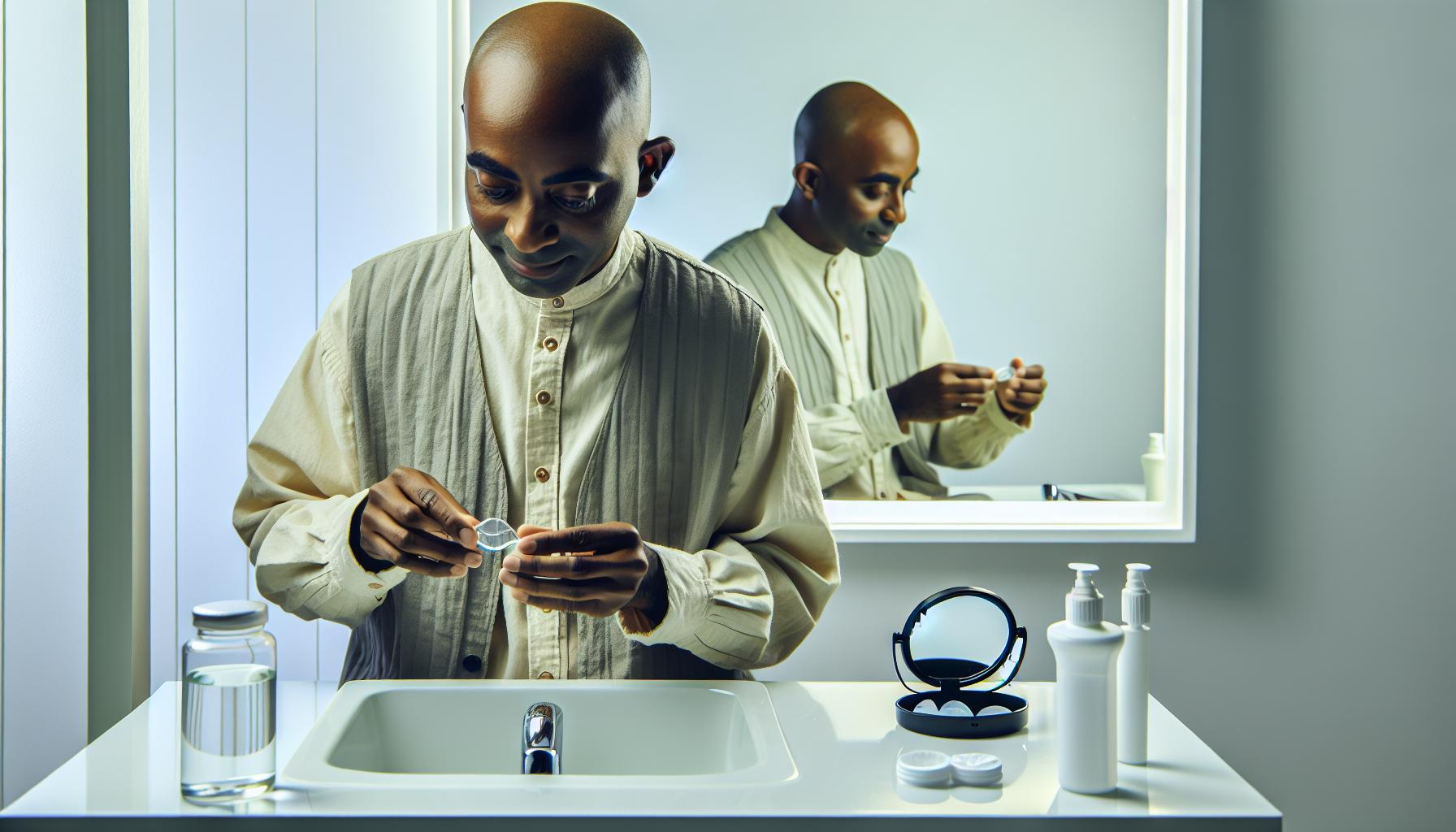
Step-by-Step Guide to Safely Remove Onix Lenses
Changing lenses on your Onix pickleball glasses doesn’t have to be intimidating. Many players find it surprisingly quick once you know the right moves. The key is to approach the process with patience and avoid rushing,which can lead to frame damage or scratched lenses. whether you’re swapping out lenses to match different lighting conditions, or replacing a scratched pair, handling your glasses with care ensures longevity and optimal performance on court.
Start by laying your glasses on a soft, clean surface like a microfiber cloth or padded mat to prevent accidental scratches. If your model uses screws, gently loosen them first using a precision screwdriver-don’t remove screws all the way out unless necessary. For snap-in lenses, focus on the edges where the lens meets the frame. Using a soft-edge lens pry tool or a clean fingernail, carefully lift the lens away from the frame in small increments. Avoid metal objects or anything sharp that might chip the frame or damage coatings.
Step-by-Step Lens Removal
- Prepare Your Workspace: Clear a flat space with good lighting and have all tools ready-microfiber cloth,pry tool,screwdriver (if applicable),and anti-static gloves if you have them.
- Inspect the Frame: Identify how your lenses are secured. Snap-in lenses often have small locking tabs; screws require careful loosening without stripping.
- Loosen Screws (If Present): Using the right-sized screwdriver, turn screws counterclockwise until they’re loose enough for lens removal but don’t fully unscrew unless the manufacturer instructs.
- Use a Pry Tool or Fingernail: gently insert the pry tool at a lens edge, applying very light upward pressure. Work your way around the lens rim bit by bit to gradually free the lens without bending the frame.
- Remove the Lens: Once loose, carefully lift the lens away from the frame.Support the lens with your other hand to prevent stress on the frame or lens edges.
Helpful Tips from the Court
Players frequently enough find that warming the frames slightly, such as holding them in your hands for a minute, makes the plastic more pliable and easier to manage. Be mindful tho-avoid extreme heat which can warp your glasses. If you encounter resistance, pause and reassess; forcing the lens can cause irreparable damage. For snap-in models, the lens sometimes “pops” free suddenly-brace yourself to catch it gently.
Remember, if your Onix glasses use coated or premium lenses, consider wearing anti-static gloves to prevent fingerprints and smudges during removal. Keeping lenses clean and protected is just as important as careful removal to maintain crystal-clear vision and extend lens life.
| Step | Action | Purpose |
|---|---|---|
| 1 | Prepare workspace and tools | Prevent scratches; full readiness |
| 2 | Identify securing method | Determine removal approach |
| 3 | Loosen screws if applicable | Allow lens release without damage |
| 4 | Pry lenses gently along edges | Free lenses without frame stress |
| 5 | Remove lens carefully | Preserve frame and lens integrity |
By following these steps thoughtfully, lens removal becomes a straightforward part of your pickleball gear routine. This small maintainance skill lets you quickly adapt to changing light or conditions without turning to costly replacements or risking damage. Consider it a handy skill that every serious pickleball player can master for better on-court performance.
How to Properly Install New Lenses in Your Glasses
Installing new lenses in your Onix pickleball glasses can feel like a delicate task,but with the right technique,it becomes a smooth and satisfying part of gear maintenance. The key is to treat both the lenses and frame with care while ensuring a secure fit that won’t loosen during play. A well-installed lens enhances your visual clarity and comfort on court,crucial for sharp reaction times and reduced eye strain.
first, always confirm the new lenses are the exact match for your frame model and type-premium coatings, tints, and lens shapes vary, so double-check before installation. Warm the frame slightly in your hands to make the plastic pliable, which helps prevent cracks or warping while snapping lenses into place. For screw-secured lenses, have your precision screwdriver ready, but don’t fully tighten the screws until the lens is properly seated and aligned.
Step-by-Step Lens Installation
- Align the Lens Carefully: Hold your replacement lens at the edges. Position it so the top or side edge fits neatly under the frame’s locking section or in place of the screws.
- Snap or Slide into Place: For snap-in types, gently apply pressure along the lens edges, moving gradually from one side to the other. You may feel a slight “click” when the lens locks securely. For screw models, seat the lens evenly before turning screws in gently.
- Check for Secure Fit: Inspect the fit from multiple angles.The lens should sit flush with the frame without gaps or wiggle. If using screws, tighten them just enough to hold firmly but avoid over-tightening, which can strip threads or crack the frame.
- test flex and Comfort: Hold the glasses as you would when playing. Gently flex the frames to ensure the lenses remain stable during movement. Comfort and stability go hand in hand to prevent distraction on court.
Avoid using excessive force-forcing a lens can cause permanent damage. If resistance is high, remove the lens and recheck alignment. Some players find that applying a minimal amount of lens-safe lubricant (consult manufacturer guidelines first) around frame edges can ease installation for stubborn fits.
| Tip | Benefit | Common Mistakes to Avoid |
|---|---|---|
| Warm frames before fitting lenses | Makes plastic more flexible and less brittle | Using heat sources like hairdryers (can warp frames) |
| Use finger pads or soft gloves | Prevents fingerprints and smudges on lenses | Handling lenses with bare hands in dusty/dirty areas |
| Align lenses gradually and evenly | Ensures secure fit, prevents frame stress | Forcing lens in from one edge only |
| Tighten screws gently | Maintains frame integrity and lens stability | Over-tightening that damages frame or screws |
Mastering the installation process lets you confidently swap lenses to suit changing daylight, court conditions, or wear and tear. This skill helps you extend the lifespan of your Onix glasses and ensures you always have optimal vision-whether playing a casual weekend match or competing at higher levels. Remember: patience and precision are your best allies during every lens change.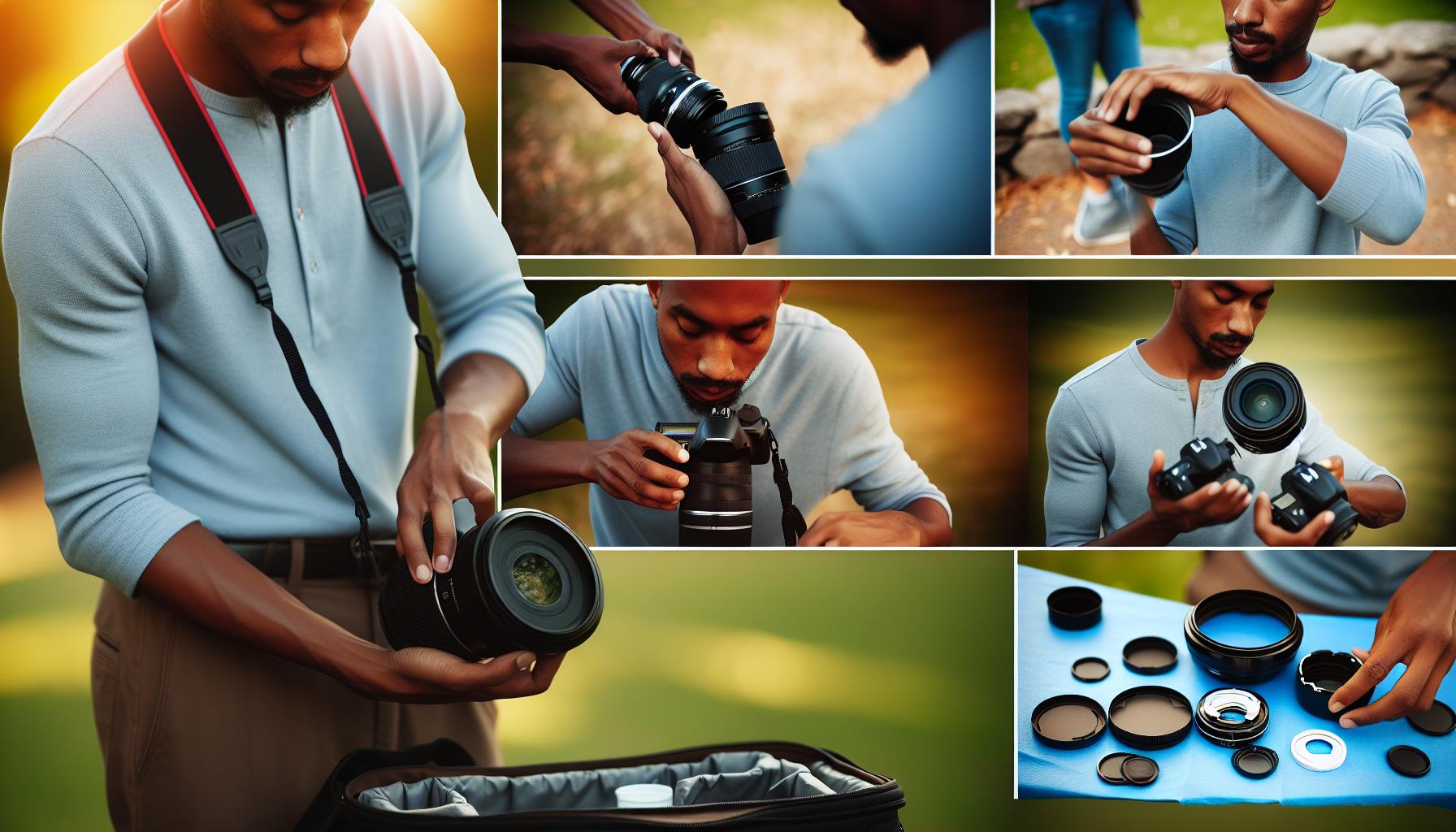
Tips to Avoid Common lens changing Mistakes
Changing lenses in your Onix pickleball glasses might seem straightforward, but even experienced players can stumble on avoidable pitfalls that compromise both the lenses and frame. A common but critical mistake is applying excessive force when removing or installing lenses. Frames, especially those made from flexible plastics, can snap or warp if stressed unevenly or hurriedly. Taking time to gently warm the frame by holding it in your hands before lens installation softens the material, reducing the risk of cracks or permanent deformation.
Another frequent issue is poor alignment during the lens swap. Rushing the process or pushing a lens in from just one side often leads to uneven seating,which causes gaps,loosening over time,or lens “wiggle” during play. Insist on gradual, even pressure along the lens edges, ensuring the locking tabs or screws engage properly. if your glasses use screws, avoid the temptation to overtighten; this not only stresses the frame but can also strip tiny threads or crack frame arms, making the glasses unsafe on court.
Practical Tips from the Court
- Handle lenses by the edges only: This practice prevents smudges and fingerprints that impair vision and complicate cleaning. Using soft gloves or finger pads can further protect premium lens coatings.
- Never force resistant lenses: Resistance usually means misalignment or the need for slight frame warming. Forcing a lens risks chipping or scratching, which can be costly to repair or replace.
- Keep a steady workspace: Change lenses in a clean,dust-free environment on a soft surface to avoid scratches or losing tiny screws.
- Double-check lens/frame compatibility: Though it sounds obvious, mixing lenses between similar frame models or years can cause fit issues due to subtle design updates.
| Common Lens Change Mistake | Why It Happens | How to Avoid It |
|---|---|---|
| Excessive force causes frame breakage | impatience or lack of warming frame | Warm frame gently,use even pressure |
| Misaligned lenses result in gaps or loose fit | Rushing or uneven insertion | Align edges first,insert gradually |
| Over-tightening screws strips threads or cracks frame | Trying to secure lens too tightly | Tighten screws just firmly enough |
| Fingerprints and smudges on lenses | Handling lenses with bare hands carelessly | Use gloves or finger pads when possible |
By respecting these simple but often overlooked details,you ensure your Onix glasses maintain their structural integrity and optical performance. Remember, patience during lens changes can save you from costly repairs and, more importantly, preserve crystal-clear vision for crisp, confident court play. Keep in mind that investing a few extra minutes in the process also means safer, more cozy gear that responds perfectly as you chase every pickleball.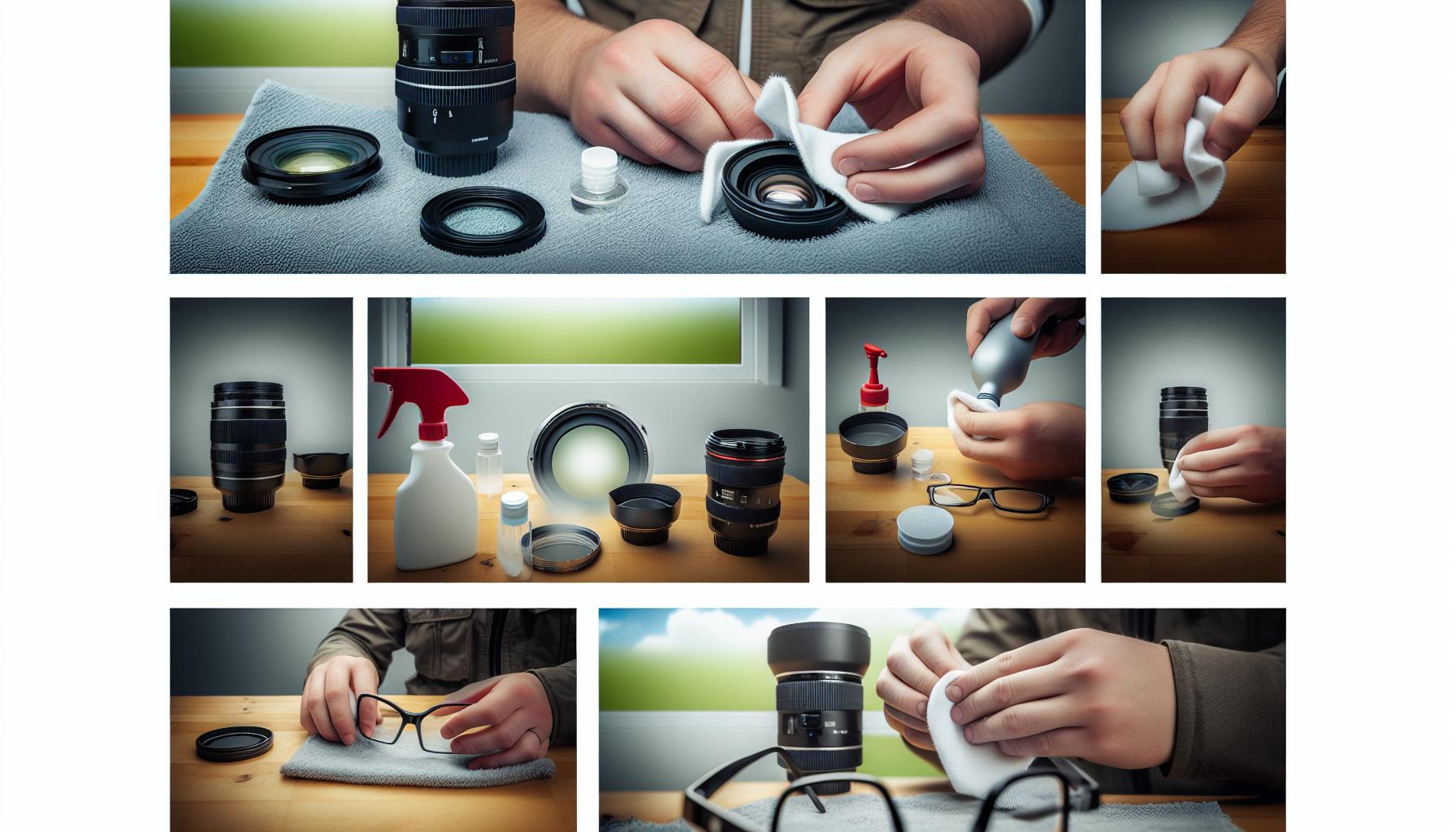
Cleaning and Maintaining Lenses After Replacement
Few things impact your game more than crystal-clear lenses, especially after investing time swapping out Onix pickleball glasses lenses. Dirt, sweat, and tiny scratches don’t just cloud your vision-they can subtly affect your reaction time and confidence on court. maintaining your lenses after replacement doesn’t have to be a chore; with the right approach, it becomes a simple habit that protects your investment and enhances your playing experience.
Daily Cleaning Routine
Start with the basics: always use a microfiber cloth or lens-specific cleaning wipes designed for coated eyewear. Avoid regular tissues or your shirt, as rough fabrics cause micro-scratches that accumulate invisibly. If lenses look particularly grimy, rinse them under lukewarm water first to flush away dust or grit. Then apply a drop of mild dish soap with your fingertips,gently rubbing in circular motions before a final rinse.Pat dry with a clean microfiber cloth. This method balances thoroughness with gentleness, preserving lens coatings that frequently enough guard against glare and UV rays.
Handling Sweat and Salt Build-Up
After intense matches, sweat and skin oils leave residues that attract dust and degrade lens clarity. Wiping lenses hastily with a dry cloth risks scratching soft coatings. Instead, keep a small spray bottle of lens cleaner or diluted water nearby for mid-game cleanups. Applying cleaner before wiping breaks down oils and flushes away debris, keeping vision sharp. For outdoor players in humid or salty environments, periodically removing lenses for a full soak and clean can pay dividends, especially if you notice lens haze or sticky spots.
Protecting Your Lenses Off-Court
Storing your glasses properly after lens replacement is just as important as cleaning. Use a hard-shell case lined with soft fabric to prevent pressure points or scratches during transport. Avoid tossing your glasses in gym bags or car consoles without protection. For players on a budget, even a thick microfiber pouch beats bare storage. Remember,premium Onix lenses often sport specialty coatings that repel water and smudges-neglecting storage risks wearing these down prematurely.
| Cleaning Action | Recommended Supplies | Frequency |
|---|---|---|
| Light dust and fingerprints wipe | Microfiber cloth or lens wipe | After every use |
| Thorough wash | Mild dish soap, lukewarm water, microfiber cloth | Weekly or when visibly dirty |
| On-court quick clean | Lens cleaning spray or diluted water + cloth | As needed during long sessions |
| Proper storage | Hard case or soft pouch | Always when not wearing |
Following these practical steps isn’t just about keeping lenses spotless-it extends the life of your Onix glasses so you can focus on what matters: playing sharp, moving fast, and enjoying every shot.Consider lens maintenance as part of your gear routine, much like string tension or shoe grip. Once it’s second nature, you’ll see the difference in every rally.
Comparing Lens Types: Performance and Protection Benefits
Picking the right lenses for your Onix pickleball glasses can dramatically elevate both your comfort and performance on the court. lens technology isn’t just about clear vision-it directly impacts how you perceive depth, react to fast-moving balls, and protect your eyes from environmental hazards. From budget-friendly polycarbonate options to premium polarized lenses, understanding the trade-offs in performance and protection helps you make informed decisions tailored to your playstyle and conditions.
Lens Materials and Impact resistance
most Onix replacement lenses are crafted from polycarbonate, a lightweight and shatter-resistant material ideal for fast-paced sports like pickleball. Polycarbonate lenses offer excellent impact protection, reducing the risk of eye injury from stray shots or accidental contact.For players who prioritize durability and safety, sticking with polycarbonate is a smart choice. in contrast, cheaper plastic lenses may scratch easily and offer less protection, while glass lenses-though scratch-resistant-are heavier and more fragile, generally not recommended for competitive play.
Coatings and Optical Enhancements
Lens coatings can make or break your on-court experience. UV protection is non-negotiable, blocking harmful rays that accumulate even during overcast days.Beyond that, anti-reflective (AR) coatings reduce glare from gym lights or outdoor reflections, improving contrast and reducing eye fatigue. Polarized lenses,a step above standard coatings,cut glare on bright outdoor courts,making them a top pick for daytime players. However, consider that polarized lenses can sometimes interfere with reading digital screens or certain reflective surfaces-something to keep in mind if you check scores on phones mid-game.
Lens Tint and Color Choices
Lens color is more than aesthetic-different tints enhance visibility in varying light and background conditions.
- Gray lenses provide the truest color perception and reduce overall brightness; excellent for bright, sunny days.
- Amber or copper tints boost contrast against blue and green courts, helping you track the ball better in moderate to low light.
- Yellow lenses brighten low-light or indoor settings, offering sharper contrast when natural light is scarce.
- Clear lenses maximize visibility indoors or on cloudy days without altering color perception but provide minimal sun protection.
Choosing lens colors based on your typical playing environment can reduce eye strain and improve reaction time.
| Lens Type | Performance Features | Protection Benefits | Best For | Price Range |
|---|---|---|---|---|
| Polycarbonate (Standard) | Lightweight, impact resistant | UV400 protection, shatterproof | Most levels, all-around use | $$ |
| Polarized | Glare reduction, enhanced contrast | UV400 + anti-glare | Outdoor play, sunny conditions | $$$ |
| Anti-reflective coated | Less eye strain, clarity | UV protection + reduced reflections | Indoor/outdoor mix, long sessions | $$$ |
| Clear (Non-tinted) | No color distortion | Minimal UV protection (varies) | Indoor, low light, or night play | $ |
Choosing premium lenses often means investing in better coatings and higher optical clarity, but even standard polycarbonate lenses can be a dependable choice for most players on a budget. For newcomers, starting with versatile amber or gray lenses covers many bases before specializing.Experienced players often swap lenses regularly depending on environment and lighting, making the ability to swiftly change lenses a key advantage of the Onix frames.
Ultimately, prioritizing both performance and protection tailored to your playing conditions ensures your vision stays sharp and your eyes stay safe-two critical ingredients for consistent improvement and injury prevention in pickleball.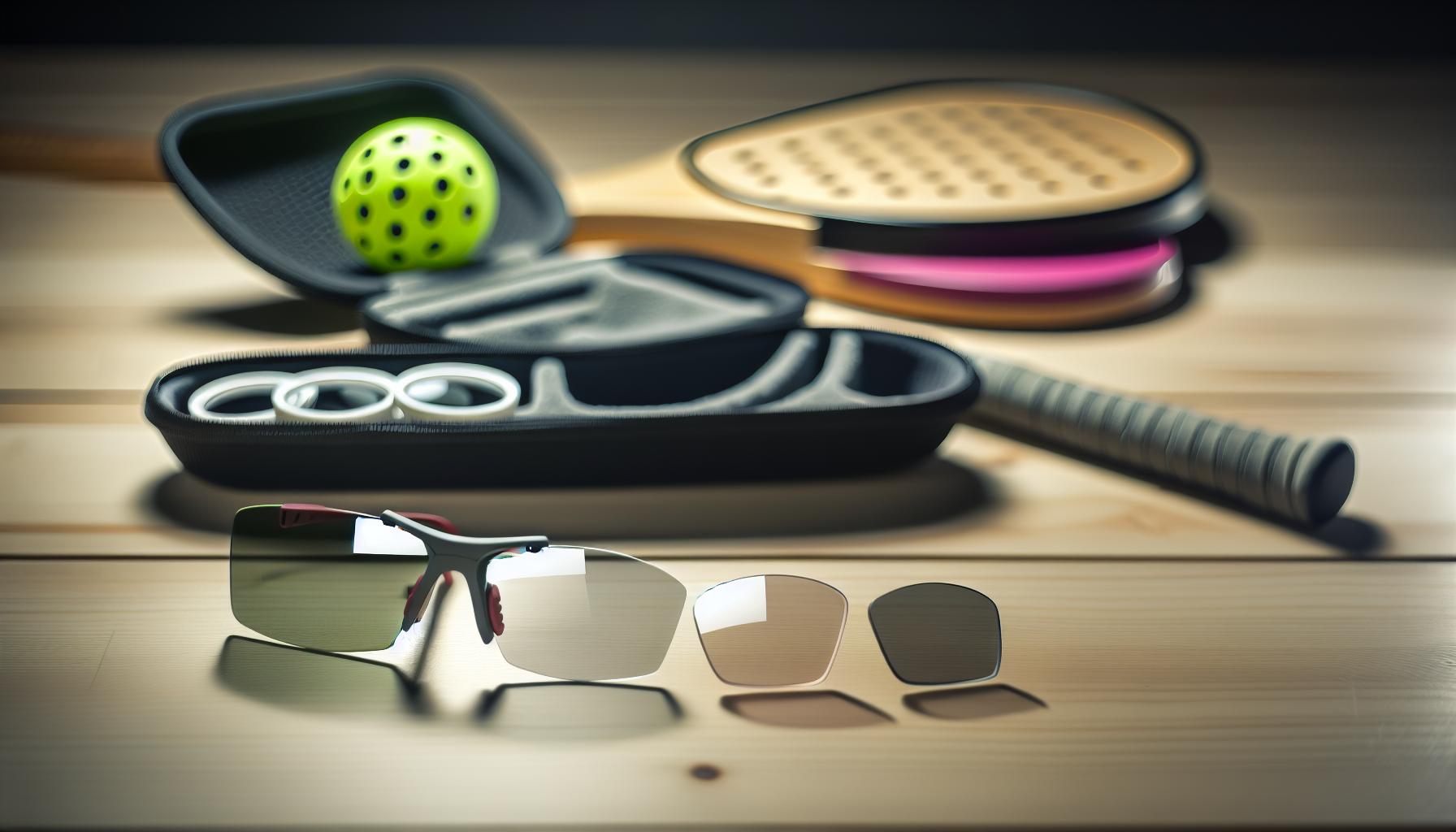
When and Why to change Your Pickleball Glasses Lenses
Changing the lenses in your Onix pickleball glasses isn’t just about swapping out scratched or damaged parts-it’s a strategic move that can considerably improve your performance and comfort on the court. Players often underestimate how varying light conditions, playing environments, and lens wear impact their vision and eye safety. Knowing when and why to change your lenses keeps you prepared, focused, and protected throughout every match or practice session.
One common reason to replace lenses is damage from play. Despite polycarbonate’s renowned durability, persistent scratches, scuffs, or small cracks from frequent drops or accidental hits can distort vision. Even minor imperfections on the lens surface can cause distractions, blur lines, or create glare, hindering reaction time. If your lenses look worn or compromised, it’s time for a replacement before the quality of your game takes a hit.
Beyond damage, lighting and environmental changes demand lens swaps more than many expect. For example, an early morning indoor game under bright fluorescent lights calls for anti-reflective coated lenses to reduce glare and eye strain. By contrast, midday outdoor play under harsh sunlight benefits from polarized lenses that cut glare and improve contrast sharply. Switching between tints like amber or yellow lenses is also smart for shifting court colors or cloudy versus bright days. Having multiple lenses suited to different conditions lets you tailor your setup for optimal visual clarity no matter where or when you play.
Budget-conscious players should consider the trade-offs of frequent lens swapping. High-end polarized or AR-coated lenses come at a premium but offer clear, measurable benefits in specific scenarios. Meanwhile, standard polycarbonate lenses serve well for everyday play and backup use. Prioritize upgrading or rotating lenses if you play competitively or in varied conditions frequently enough. Casual players may opt to change lenses mainly when visible damage or loss in clarity occurs.
Key indicators to swap your lenses include:
- Noticeable scratches or cracks affecting vision
- Increased glare or eye fatigue during play
- Changing light conditions from indoor to outdoor or varying weather
- Desire for enhanced contrast based on court color or background
Being proactive with lens changes also extends the life of your glasses and maintains safety during intense play. Onix frames are built for quick and easy lens swaps, making this process less daunting and more accessible for players of all skill levels.
| When to Change Lenses | Why to Change Lenses |
|---|---|
| Visible damage-scratches, cracks, or discoloration | To maintain clear, undistorted vision and eye protection |
| Shift from indoor to bright outdoor conditions | To reduce glare and enhance contrast for better visual tracking |
| Switching court surfaces or lighting types | To optimize depth perception and reduce eye strain |
| Long periods of play causing eye fatigue | To introduce AR coatings or anti-glare features for comfort |
Ultimately, regularly assessing your lens condition and matching lens types to your playing environment is a simple habit that pays dividends. Whether you’re a weekend warrior or aspiring tournament player, taking charge of your optics means sharper focus, faster reactions, and fewer interruptions-essential edges for consistent improvement on the pickleball court.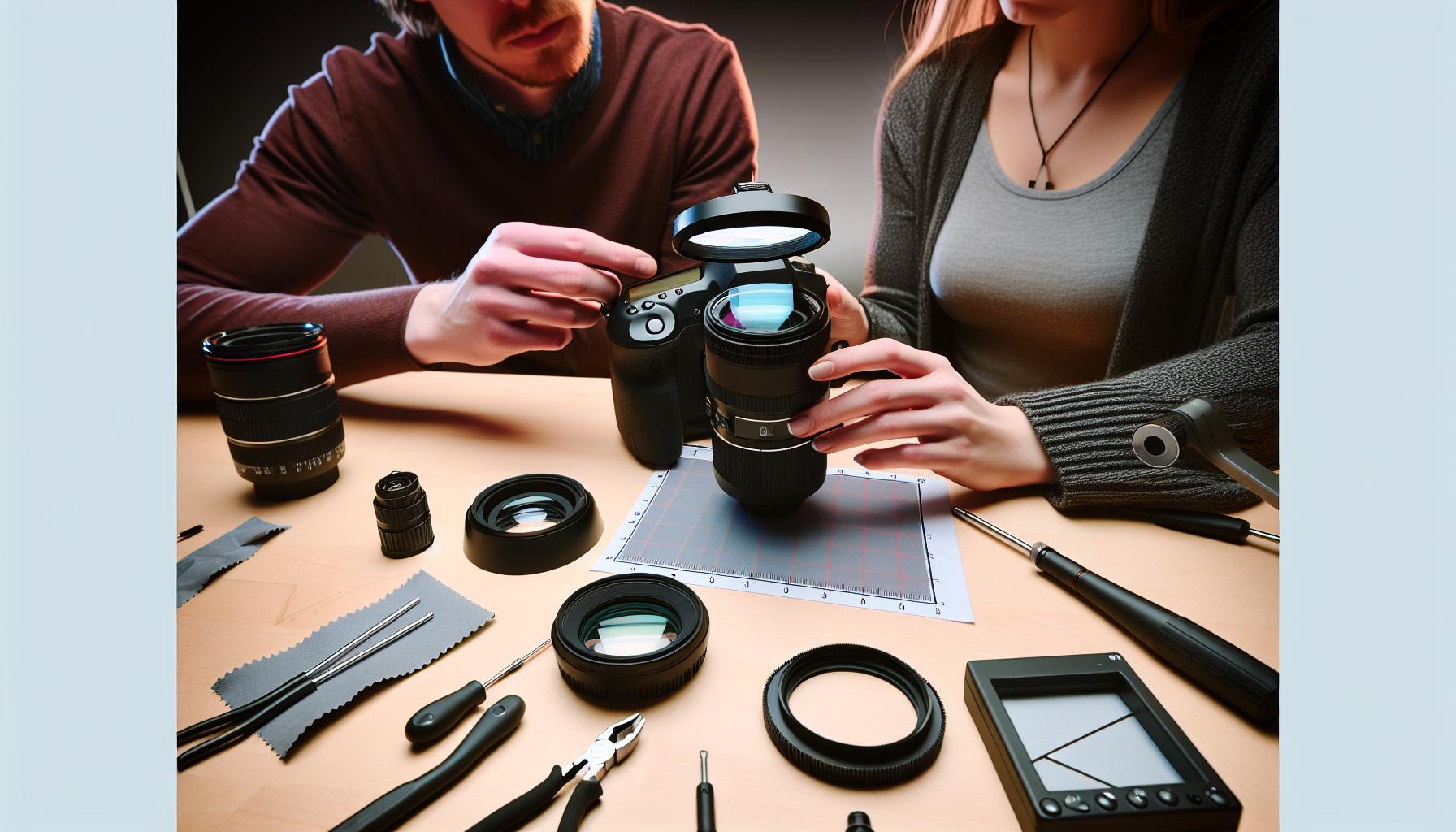
Troubleshooting Fit and Alignment Issues After Lens Swap
Swapping lenses in your Onix pickleball glasses can feel straightforward, but even slight misalignments or poor fits can quickly become a source of distraction on the court. A lens that’s not seated correctly can cause annoying wiggle, uneven pressure on your face, or subtle distortions in vision-issues that sneakily erode your focus during fast-paced rallies.The key to troubleshooting fit and alignment challenges after your lens swap is patience and a systematic check of the frame and lens interaction before you hit the court.One common cause of poor fit is lenses that aren’t fully snapped into the frame grooves. Onix glasses are designed for quick changes, but the precision of locking lenses in place matters.Take a moment to gently press along the edges, noting any spots where the lens feels loose or pops up slightly. If you feel resistance or uneven gaps,remove the lens and realign it carefully,starting from one corner and snapping firmly around the circumference. You want an even, secure fit with zero gaps between lens and frame to avoid rattling during play.
Another frequent culprit is frame warping, sometimes caused by previous impacts or heat exposure, which can shift the lens seating points. If you notice that even a perfectly placed lens wobbles or the frames sit crooked on your face after swapping, inspect the frame temples and nose bridges for bending. Minor adjustments-like gently flexing temples inward to improve snugness or readjusting nose pads-can restore proper alignment without special tools. It’s a balance of gentle corrections; aggressive bending risks damage.
Common Indicators of Fit & Alignment Issues
- Lens movement or rattling while wearing or during quick head movements
- Pressure points causing discomfort on the bridge of the nose or behind ears
- Uneven gaps or visible separation between frame and lens edges
- Distorted or inconsistent vision around lens edges suggesting misplacement
- Frames feeling crooked or uneven on the face post-lens swap
If minor tweaks don’t solve alignment frustrations,consider going back to the replacement lens packaging or manual to confirm the exact model compatibility. Onix designs multiple interchangeable lenses, but subtle differences in curvature or thickness between models may require a different frame variant or lens batch. Budget-friendly polycarbonate lenses are forgiving in fit but premium polarized or coated lenses occasionally have a tighter tolerance,making that initial alignment all the more critical.
Lastly,keep your glasses’ hinges and lens retention clips clean and free of debris. Dust or grit can prevent a solid seal,causing misalignment even on correctly placed lenses.Using a microfiber cloth and gentle cleaning spray before lens installation ensures the best fit and maximum comfort.
Taking a few extra minutes to troubleshoot alignment after each lens change pays off in sharper sightlines, enhanced comfort, and no surprises during game-winning points. Perfectly seated lenses unlock your glasses’ full performance potential and put your attention back where it belongs-on the pickleball court.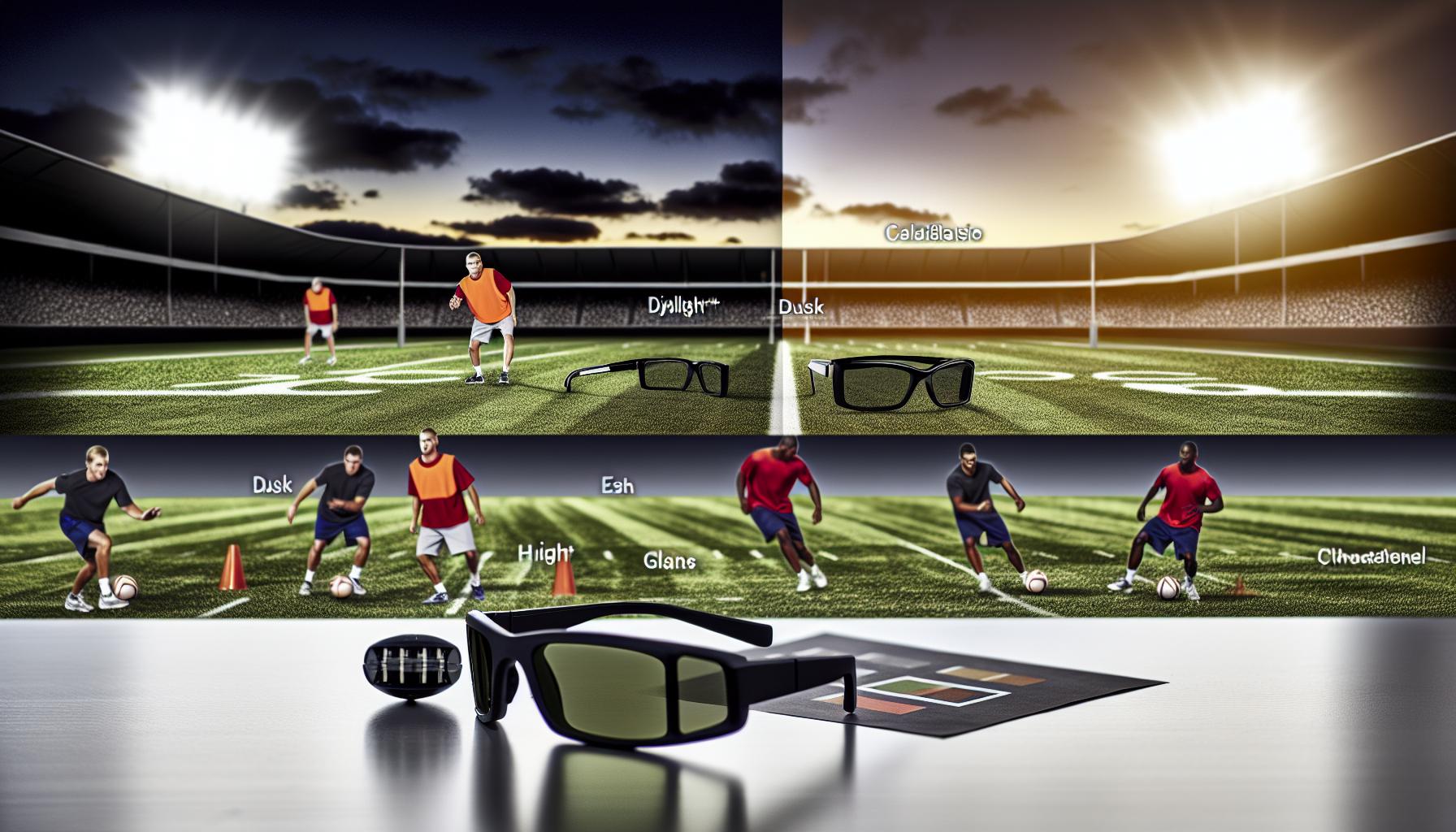
Enhancing Visual Clarity for Different playing Conditions
Few factors impact your pickleball game more than clear vision tailored to the court environment. Whether you’re playing under bright sunlight, dim indoor lighting, or shifting outdoor shadows, your choice of lenses in Onix glasses can dramatically sharpen your sightlines and reaction time. Swapping lenses isn’t just a maintenance step; it’s a strategic upgrade that adapts your visual clarity to specific playing conditions – and mastering this can elevate both comfort and performance.
When preparing for sunny conditions, lenses with polarized coatings excel by reducing glare off courts, balls, and nearby surfaces. This cut in reflective haze allows you to track fast-moving shots with greater ease and reduces eye fatigue. Contrast-enhancing tints such as amber or copper can also improve depth perception and ball visibility,especially on blue or green courts common in pickleball facilities. On the other hand, if you’re playing indoors or on overcast days, clear or lightly tinted lenses maximize brightness and prevent your vision from becoming dull or dim.
Lens Selection Based on Lighting Conditions
| Condition | Recommended Lens Type | Performance Benefits | Budget Considerations |
|---|---|---|---|
| bright sunlight | Polarized, Smoke or Gray Tint | Reduces glare, improves comfort, enhances focus on fast shots | Mid to High – Polarized lenses cost more but offer significant advantage |
| Overcast or Low Light | Amber, Copper, or Clear Lenses | Enhances contrast and brightness, improves ball tracking | Low to Mid – Polycarbonate variants available and affordable |
| Indoor Play | Clear or Lightly Tinted Lenses | prevents vision from being dimmed, sharpens clarity | Low – Basic clear lenses often suffice |
One tip for lens swapping is to consider the interplay between tint darkness and peripheral visibility. Heavily tinted lenses might look cool and reduce glare but can hinder quick side glances or peripheral awareness critical for doubles play strategy. For those toggling between outdoor and indoor courts,invest in multiple lens sets that are easy to swap. Onix glasses’ quick-change design makes transitioning simple but take a moment to ensure each lens is securely seated to avoid distractions from fit issues.
In real-game scenarios,trialing tints during practice sessions can reveal what lens colors and coatings optimize your reaction time and comfort. For example, a player who struggled tracking bright yellow balls under direct sun found amber lenses dramatically improved focus without causing eye strain. Always think of lens swapping not as a hassle but as customizing your vision to the unique demands of your playing environment.
- Test lenses in real conditions: Use practice or warm-up sessions to evaluate lens performance.
- Balance tint with peripheral awareness: Avoid overly dark lenses if side vision is crucial for your style.
- Maintain lenses clean and scratch-free: Even the best tint won’t help with smudges or haze.
- Keep at least two lens sets ready: Quick swaps make adapting seamless.
Embracing lens customization tailored to lighting and court surfaces empowers every Onix glasses wearer-from casual players to tournament contenders-to maintain sharp, comfortable sightlines throughout every match.
Faq
Q: How can I tell if my onix Pickleball Glasses lenses are scratched or damaged before changing?
A: Check your lenses under bright light for visible scratches, cracks, or cloudiness. small scratches can affect clarity and protection, signaling it’s time to replace. Regular inspection helps maintain optimal visual performance. For detailed maintenance tips, see our section on Cleaning and Maintaining Lenses After Replacement.
Q: What is the best surface to work on when changing lenses in Onix Pickleball Glasses?
A: Use a clean, flat, and soft surface like a microfiber mat or towel to prevent scratching or dropping small parts during lens replacement. This setup reduces risks and ensures safe handling, linking closely with the Essential Tools Needed for Lens Replacement section.
Q: How do temperature changes affect lens replacement for Onix Pickleball Glasses?
A: Avoid extreme temperatures when changing lenses, as plastic frames can warp and lenses may become brittle. Replace lenses at room temperature for safe adaptability in frame materials and easier installation, complementing the advice in the step-by-Step Guide to Safely Remove Onix Lenses.
Q: why might my new lenses fog up after installation in Onix Pickleball Glasses?
A: Fogging often happens due to improper seal or residual moisture inside the frames. Ensure lenses are completely dry before installation and verify frame alignment. Our Troubleshooting Fit and Alignment Issues After Lens swap section offers solutions to prevent this.
Q: Can I use third-party lenses for Onix Pickleball Glasses safely?
A: third-party lenses can be used if they match the exact shape and size of Onix lenses. However, verify they meet impact and UV protection standards to avoid compromising safety and performance.For lens type comparisons, refer to Comparing Lens Types: Performance and Protection Benefits.
Q: How often should I change lenses if I play pickleball daily?
A: Change your lenses every 3 to 6 months or sooner if damaged to maintain optimal clarity and eye protection, especially with daily play. Frequent lens swaps support consistent visual enhancement – see When and Why to Change Your Pickleball Glasses Lenses for more details.
Q: What should I do if my Onix Pickleball Glasses lenses don’t fit tightly after replacement?
A: Check for proper lens seating and frame snapping; gently press lenses into place to ensure full contact. If fit issues persist, revisit the Troubleshooting Fit and Alignment Issues After Lens Swap section for adjustment tips and avoid loose lenses during play.
Q: How can I extend the lifespan of my Onix Pickleball Glasses lenses after changing them?
A: Store glasses in a protective case and clean lenses with a microfiber cloth regularly.* Avoid harsh chemicals and scratches by following cleaning tips from the Cleaning and Maintaining Lenses After Replacement* section. Proper care supports long-term lens clarity and durability.
Feel free to explore our detailed lens replacement guide for step-by-step tips and gear insights tailored to all skill levels, ensuring your Onix Pickleball Glasses perform at their best!
The Way Forward
Now that you’ve mastered how to change lenses in your Onix Pickleball glasses, you’re all set for optimal vision and game-day performance-whether you’re battling bright sunlight or indoor lighting. Remember, regularly swapping lenses not only maintains clarity but extends the life of your eyewear, keeping you sharp on the court without breaking the bank. For more gear tips and detailed comparisons, don’t miss our guides on best pickleball paddles for every skill level and essential pickleball accessories to boost your game.
If you have any questions or want personalized advice on which lenses suit your playing conditions best, drop a comment below or sign up for our newsletter for expert insights delivered directly to your inbox.Ready to elevate your pickleball experience? Explore our full range of equipment reviews and step-by-step tutorials to stay ahead in the game. Stay confident, keep experimenting with your gear, and we’ll see you on the court!
Get our latest guides, news, and insights highlighted in your Google Search & AI Overviews.