Imagine having a training partner who adjusts speed, spin, and placement with AI precision-anytime, anywhere. Smart pickleball machines harness advanced technology to deliver customizable practice sessions tailored to every skill level, from beginners looking to build confidence to seasoned players sharpening strategy. These AI-powered devices not only offer consistent ball feeds but also introduce drill variety and realistic play scenarios,helping you develop technique and reaction with efficiency and fun. Balancing budget and features is key, as options range from user-pleasant models perfect for casual training to premium machines designed for intense competition preparation. Whether you’re aiming to master fundamentals or elevate your game to tournament-ready form, embracing smart pickleball machines marks a practical step forward. This revolution in training technology promises smarter, more focused practice that fits your schedule and goals-keeping improvement steady and motivation high. Ready to explore how AI transforms pickleball practice? Let’s dive in and see which features truly make a difference on and off the court.
How AI Is Transforming Pickleball Training
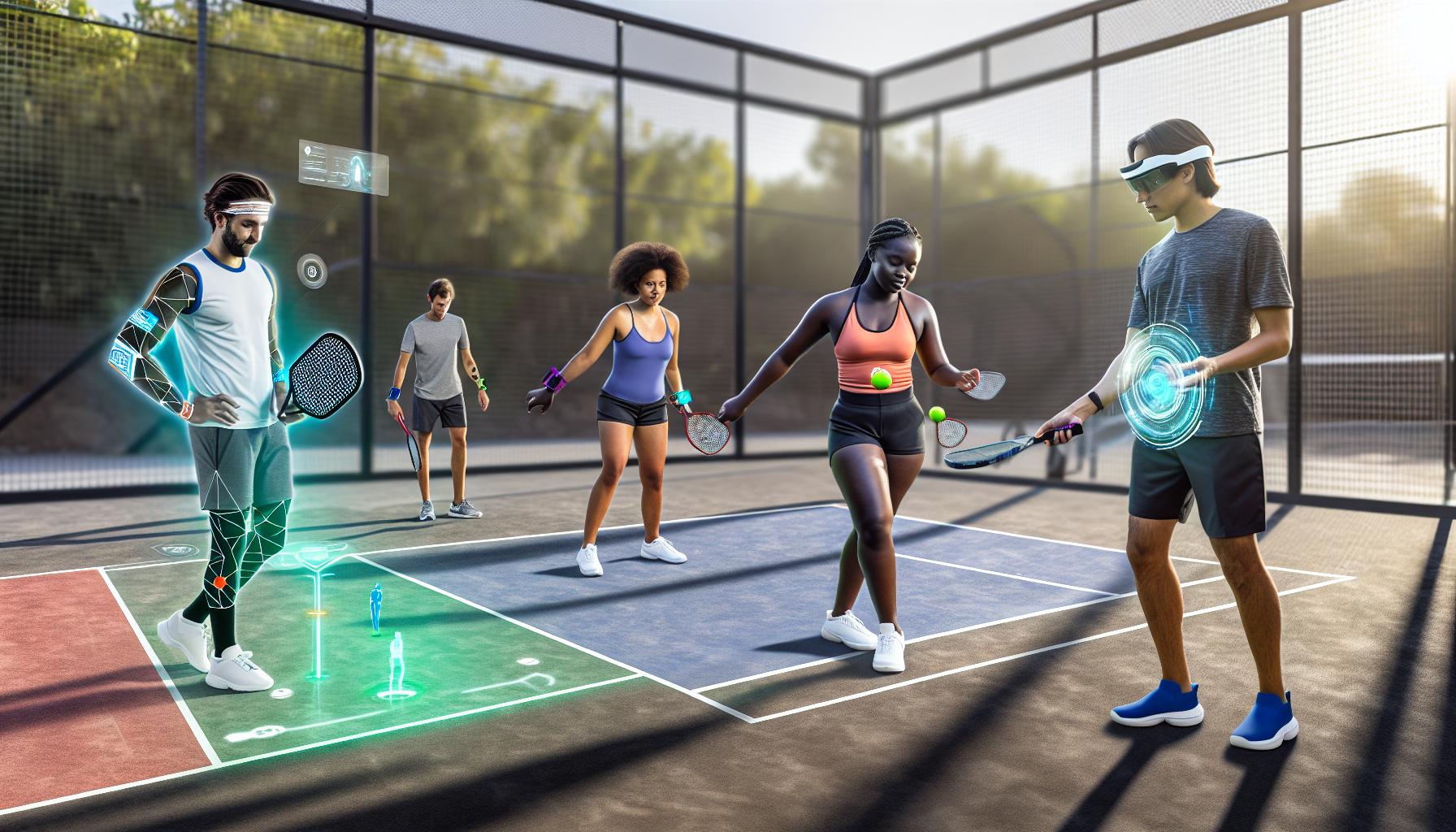
The integration of AI into pickleball training is revolutionizing how players-from beginners to seasoned competitors-develop their skills. Unlike traditional practice methods or static ball machines, AI-powered systems adapt dynamically to a player’s strengths and weaknesses, offering personalized, data-driven feedback that accelerates improvement. By leveraging real-time analysis,these smart trainers go beyond repetitive drills,creating targeted practice routines that evolve as you progress,making every session more efficient and engaging.
One of the most striking advancements is how AI interprets player movements and shot selections to tailor training strategies. For example, AI can detect if your dinks need more control or if your volley timing requires adjustment. This insight allows the machine to adjust ball speed, spin, placement, and rhythm-simulating realistic match conditions and challenging areas where you need growth. Additionally, many AI-equipped units sync with smartphone apps, providing instant metrics and video reviews so players can track improvement over time and make informed decisions on their next training focus[[1]](https://pickleballinnovators.com/the-picklr-brings-ai-powered-pickleball-training-to-courts/).
Personalized Learning at Your Fingertips
One practical benefit is how AI-driven machines, like Tennibot’s models or Volley’s smart trainer, eliminate guesswork by turning complex performance data into easy-to-understand drills and lessons. Rather of a generic feed, the machine’s programmed intelligence identifies your skill level and offers precise next steps tailored to your game style. This personalized approach helps avoid plateaus and keeps you motivated through measurable progress. For coaches and club managers, these systems provide structured training plans to optimize group sessions, improving overall player advancement and satisfaction[[2]](https://getvolley.com/pickleball), [[3]](https://www.tennibot.com/pickleball/ball-machine/).
The Player-Coach Hybrid Experience
Think of AI-powered pickleball machines as having a virtual coach on the court 24/7. They integrate both ball delivery and smart analytics, allowing you to practice independently with feedback comparable to a live trainer. This hybrid model is especially valuable when court time or coaching resources are limited. Plus,AI tools often provide drills targeting specific shots and footwork,building muscle memory without the need for a training partner. For players juggling busy schedules or those preferring self-guided practice, this represents a game-changing convenience and focus boost.
- Dynamic shot selection: Adapts patterns based on performance.
- Real-time feedback: Metrics and video review through connected apps.
- Level-specific drills: Customized to beginner, intermediate, or advanced skills.
- Continuous progression: Training plans evolve with your game.
In essence, the AI conversion in pickleball training bridges the gap between casual play and expert coaching. Whether you’re refining fundamentals or sharpening competitive edge,AI-enabled smart machines offer actionable insights and consistent practice that previously needed a dedicated human coach. This technology democratizes high-level training, making skill development accessible, efficient, and enjoyable for every player on the court.
Key Features of Leading Smart Pickleball Machines
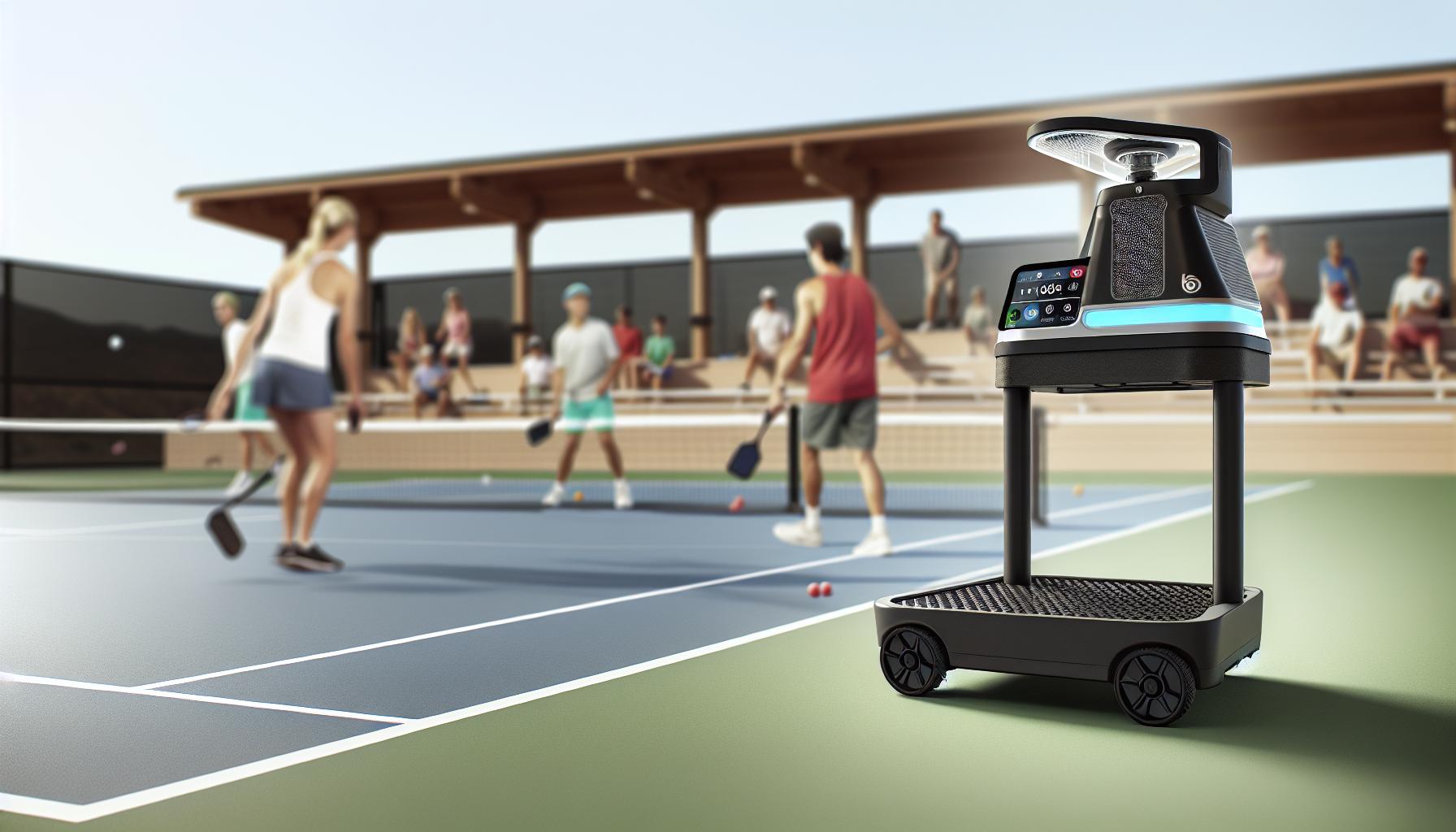
Advancements in AI have radically upgraded what pickleball machines can do, turning them from simple ball feeders into high-tech training partners. Today’s smart pickleball machines don’t just launch balls-they deliver precision-controlled feeds that mimic real game situations. These machines offer unparalleled variety in shot type, speed, spin, and placement, all adaptable through intuitive smartphone apps.Whether you’re working on dinks, drives, lobs, or volleys, the level of customization means your practice sessions can be as targeted and efficient as possible.
one standout feature in top-tier smart machines is complete programmability. As an example, models like the PUSUN PP-SMART offer adjustable vertical and horizontal angles, spin options (topspin and backspin), and velocity settings, all accessible on an app interface. This flexibility lets players simulate different court scenarios-from baseline rallies to net exchanges-without a human partner[[3]](https://tenniszon.com/en-us/products/pusun-pp-smart-portable-pickleball-launcher-black). Many units incorporate bright oscillation patterns too,such as horizontal and vertical swings,cross-court shots,and random or fixed points. This variability helps build reaction time and shot consistency under changing conditions, crucial for competitive play.
User Control and Training Modes
Intelligent ball machines integrate multiple preset training modes alongside custom programming. Users can select defined drills aimed at skill development, like consistency drills, volley practice, or defensive lobbing.More refined robots, like Tennibot’s AI-powered machines, raise the bar by tracking player responses mid-session and automatically adapting shot difficulty and placement to push improvement without frustration[[2]](https://www.tennibot.com/pickleball/). This dynamic feed selection mimics a live opponent’s unpredictability, making the training experience more engaging and effective.
Battery life and portability also play a practical role in choosing the right machine. Leading devices weigh around 15 kg and feature long-lasting lithium batteries that support 4 to 6 hours of continuous play, suitable for both solo practice and group coaching sessions[[3]](https://tenniszon.com/en-us/products/pusun-pp-smart-portable-pickleball-launcher-black). Real-time battery monitoring via apps ensures you never get caught mid-training without power, a small detail that shows how these products are designed with user experience front and center.
- Multi-angle shot delivery: Vertical and horizontal adjustments with up to 30 gears for fine-tuning.
- Spin control: Options for topspin and backspin to replicate various shot styles.
- Shot variability: Fixed, oscillating, random, two-line, cross-court, and high drop balls enhance versatility.
- App connectivity: Easy control over speed,frequency (e.g., 1.8 to 8 seconds per ball), shot type, and programmable sequences.
- battery efficiency: 4-6 hours continuous use with real-time status displays to avoid interruptions.
| Feature | Budget-Friendly Machines | Premium Models (AI-Powered) |
|---|---|---|
| Shot Variety | Basic fixed and oscillating shots | Advanced spins, custom trajectories, dynamic randomization |
| Control Interface | Manual knobs or simple remote | Smartphone app with full programming and analytics |
| Adaptability | Static preset drills | AI-driven adaptive shot selection |
| Portability | Heavier, limited battery life | Lightweight, 4-6 hours battery, real-time monitoring |
| Performance Feedback | Minimal or none | Real-time data, video, and progress tracking |
When considering smart pickleball machines, look for those that balance advanced features with ease of use. A machine packed with options but complex controls can slow your progress. Conversely, overly simple units may lack the versatility needed as you advance. The best choices grow with your game: starting with basic drills, then moving toward nuanced shot patterns and adaptive AI that challenge you continuously. This ensures your investment supports both immediate improvement and long-term skill development.
ultimately, the key features to prioritize depend on your goals-whether refining fundamentals or mastering competitive tactics-and your willingness to integrate technology into your routine. With thoughtful selection, a smart pickleball machine can become your most dependable practice partner, driving meaningful progress while making solo training both effective and enjoyable.
choosing the Right Smart Machine for Your Skill Level
Choosing the right smart pickleball machine can be a game-changer in how effectively you train and improve. Whether you’re just picking up a paddle or competing at a high level, finding a machine that matches your current skill level-and can grow with you-is essential. The variety of features, levels of programmability, and AI integration doesn’t just affect your training quality but also how motivated and confident you feel while practicing solo.
For beginners or recreational players, simplicity and ease of use are key. Machines that offer a handful of preset drills and basic shot types-like fixed feeds and oscillating patterns-provide enough variety to build solid fundamentals without overwhelming the user. look for intuitive controls, frequently enough manual or via a straightforward remote or app interface with simple options. These machines typically come with sufficient battery life and portability, giving you flexibility to practice anywhere. example training modes might focus on consistency, slower ball speeds, and fewer spin types, helping newcomers develop timing and hand-eye coordination without feeling frustrated.
Stepping Up to Intermediate and Advanced Play
Once you’re agreeable with the basics, a smart pickleball machine with more granular control becomes invaluable. Features to prioritize include multi-angle shot delivery, adjustable ball speed and frequency, and spin options like topspin and backspin. Models like the PUSUN PP-SMART let players program complex oscillation sequences (horizontal and vertical swings, cross-court shots, random placement), mimicking real-game unpredictability that sharpens reaction time and footwork[[2]](https://tenniszon.com/en-us/products/pusun-pp-smart-portable-pickleball-launcher-black). For intermediate players, these capabilities foster the transition from repetitive drills to dynamic practice sessions tailored to improving rallies and shot variety.
Advanced and competitive players benefit most from premium AI-powered machines that adapt in real time. As an example, Tennibot’s lineup uses sensors and AI algorithms to track your responses during a session, automatically adjusting shot difficulty, placement, and pace to keep you challenged without causing burnout or frustration[[3]](https://www.tennibot.com/pickleball/). These machines also offer detailed analytics and progress tracking, helping you fine-tune technique and strategy. if you regularly train solo, the ability to simulate realistic opponents with responsive drills can push your game substantially.
Balancing Features and Budget
cost is naturally a meaningful consideration. Entry-level units may range from a few hundred dollars and provide the basics needed for beginners, while advanced AI-integrated machines frequently enough come with a premium price tag but deliver professional-level training experiences. When choosing, weigh your current and near-future goals carefully. If you’re mainly working on fundamentals, an affordable machine that covers core functions and reliable battery life is sufficient. If competing seriously or coaching, investing in a feature-rich, app-controlled smart robot that scales with your progress is worthwhile.
| Skill Level | Recommended Features | Typical Price Range | Example Use Cases |
|---|---|---|---|
| beginner/recreational | Basic drills, fixed/oscillating shots, simple controls | $200-$600 | Building consistency, timing, court movement |
| Intermediate | Adjustable angles, spin control, app programmability | $600-$1,200 | Varied shot practice, adaptability to match scenarios |
| Advanced/Competitive | AI adaptive feeds, real-time performance tracking, advanced spin & shot patterns | $1,200+ | Match simulation, performance analytics, progressive challenge |
- test before you invest: Try machines in local clubs or demo events to feel the controls and shot quality firsthand.
- Consider portability: Lightweight, battery-efficient models support flexible practice locations.
- Look for intuitive app interfaces: Smooth control apps reduce setup time and help you focus on training.
Choosing a smart pickleball machine aligned with your skill level avoids the pitfalls of over- or under-equipped gear that can either intimidate beginners or limit experienced players. Thoughtful selection ensures your machine acts as a true partner in growth, providing the right amount of challenge and support on your path to pickleball mastery.
Comparing Budget vs. Premium Pickleball Robots
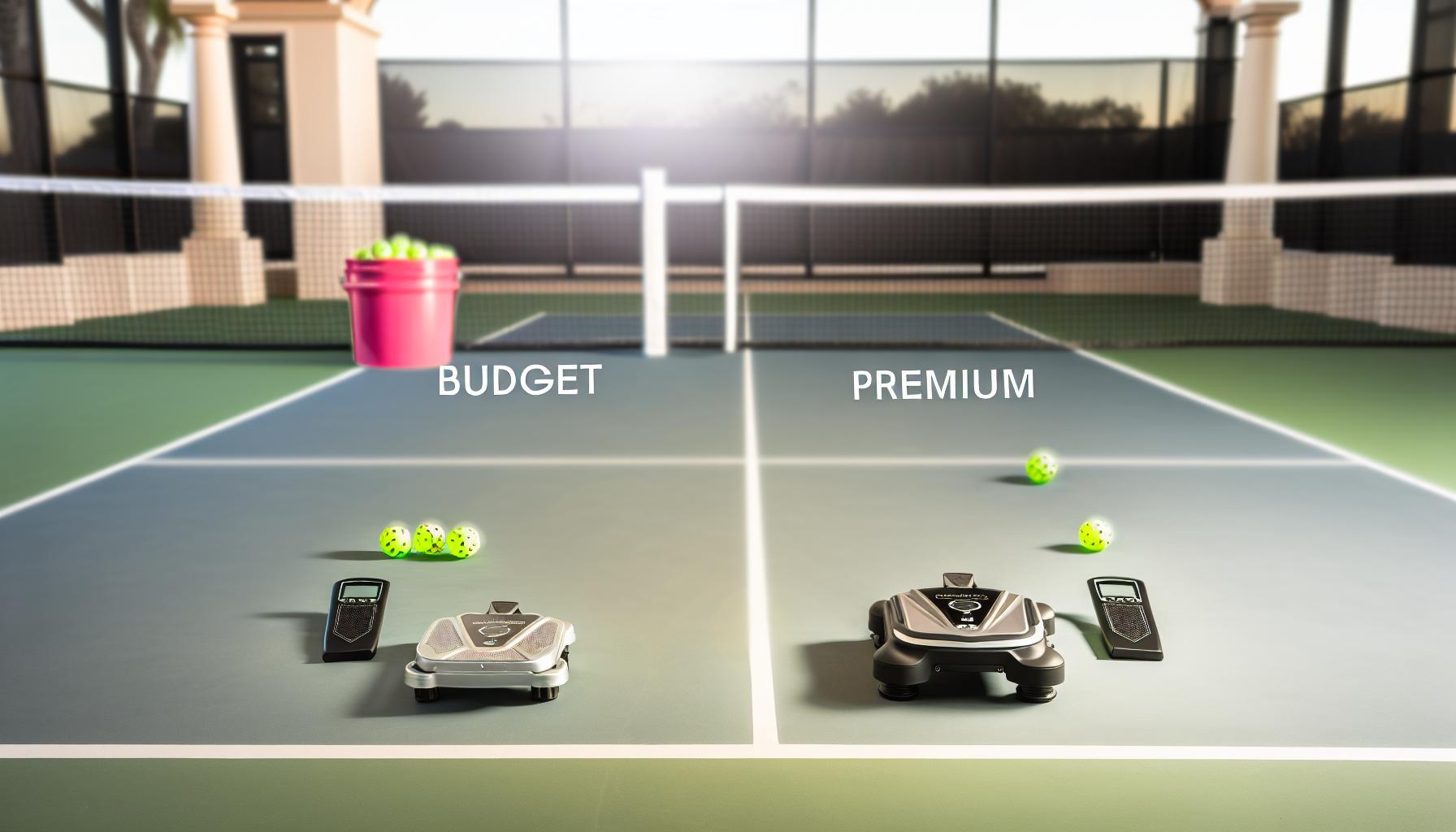
Picking the right pickleball robot often boils down to balancing what you need against what you’re willing to invest. Budget-friendly machines deliver solid value for players getting started or focusing on core skills. They typically offer straightforward controls, preset drills, and consistent feed patterns that help build timing and footwork without complexity. These machines are usually lightweight, easy to carry, and have decent battery life-making them perfect for casual practice or warming up before matches. For example, units that provide basic oscillation patterns and fundamental spin options let beginners gain confidence without getting overwhelmed by too many settings[[1]](https://tenniszon.com/en-us/products/pusun-pp-smart-portable-pickleball-launcher-black).On the other hand, premium pickleball robots, especially those with AI integration, shift the training experience up several gears.These advanced machines do more than just launch balls; they react and adapt based on your skill level and current performance. they can simulate real-game scenarios with variable shot placement, spin, speed, and frequency, often programmable through intuitive smartphone apps. what truly sets them apart is their ability to learn and evolve with you, adjusting drills to push your limits without causing burnout. Some models, like Tennibot’s AI-powered offerings, even track your shot accuracy and court movement to provide actionable feedback-essentially acting as a personal coach on demand[[2]](https://www.tennibot.com/pickleball/).
Key Trade-offs Between Budget and Premium Gear
| Feature | Budget Pickleball robots | Premium AI-Powered Robots |
|---|---|---|
| Skill Level Targeted | Beginners to intermediate | Intermediate to advanced competitors |
| Control Options | Manual controls, basic app interfaces | Full app programmability, AI adaptive control |
| Shot Variety & Realism | Standard feeds, limited spin types | Complex shot patterns, topspin/backspin, realistic rally simulation |
| Portability & Battery Life | Lightweight, 3-6 hours battery | Heavier, longer use, some with court mobility |
| Performance Feedback | None or minimal | Real-time analytics, performance tracking |
| Price Range | $200-$600 | $1,200 and up |
Making Your Choice Work for You
If you’re just beginning or playing casually, a budget-friendly machine offers everything you need to develop essential skills without a steep learning curve or hefty price tag. They’re uncomplicated and reliable-ideal for consistent solo practice or warming up before social games.
for players who train regularly, compete, or coach, the investment in a premium AI-powered robot pays off by delivering highly tailored drills that improve technique, reaction time, and tactical play. The detailed analytics these machines provide can uncover subtle flaws and track progress over time, accelerating your development in ways basic machines can’t replicate.
Whichever path you choose, always test devices where possible and consider your practice habits, goals, and budget. The right pickleball robot becomes more than equipment-it’s a steady, motivating training partner that helps you get better, one shot at a time.
Step-by-Step Setup and Integration Guide
Setting up a smart pickleball machine is the first exciting step toward transforming your practice sessions into efficient, data-driven training experiences. While these devices can seem complex at first glance-especially the AI-powered models-the setup process is designed to be as user-friendly as possible, accommodating players across all skill levels. Taking a structured approach ensures you not only get the machine ready but also integrate it fully with your training routine for maximum benefit.
start by placing your machine in a stable location on the court where it can cover a broad area without obstruction. For beginners and budget models, this usually means positioning the machine near the baseline with enough clearance to oscillate or vary ball feeds. Premium smart machines, frequently enough equipped with adjustable angles and automated court mobility features, may require a bit more calibration for optimal positioning to simulate realistic rallies. Once physically placed, check the power source-battery-powered units need to be fully charged, while plug-in models should be connected safely to avoid interruptions.
Next comes the important step of linking the machine to its control interface. Most smart pickleball machines rely on smartphone apps or dedicated remotes. After installing the corresponding app, enable Bluetooth or Wi-Fi on your device and follow pairing instructions. This connection unlocks full control over shot type, speed, spin, and feeding patterns. If the model is AI-enabled, initial calibration exercises may appear, where you hit a few shots to allow sensors or cameras to assess your playing style.This data fuels adaptive drill programming later on, making the learning curve well worth the upfront effort.
Integration Tips for Seamless Training
- Customize drills early: Experiment with preset drills before creating custom or AI-generated patterns to understand the machine’s behavior and responsiveness.
- Use practice logs: Many apps offer training history and performance stats; regularly review these between sessions to track progress and adjust drills accordingly.
- Synchronize with wearable tech: If you use smart paddles or fitness trackers, integrate their data streams for a full picture of your game mechanics and endurance.
- Safety first: Position yourself behind the machine during operation and confirm all users understand machine start/stop controls.
Real-world players frequently enough describe a moment during setup when their machine ”clicks” with them-when app commands translate seamlessly into meaningful shot variety and consistent rhythm. To hit this sweet spot swiftly, allocate your first session mainly to setup and familiarization rather than intense drills.This approach reduces frustration and enhances confidence, regardless of whether you’re using a straightforward budget model or a sophisticated AI-driven launcher [[1]](https://www.propickleballer.com/get-ready-to-rally-unleashing-the-power-of-the-pp-smart-pickleball-machine/).
By methodically preparing your equipment and linking it to your training ecosystem, your smart pickleball machine transforms from a mere ball feeder into a dynamic, intelligent partner that adapts as you grow. This hands-on integration is the foundation for unlocking the full advantages of AI-powered training technology.
Training Drills Enhanced by AI Technology
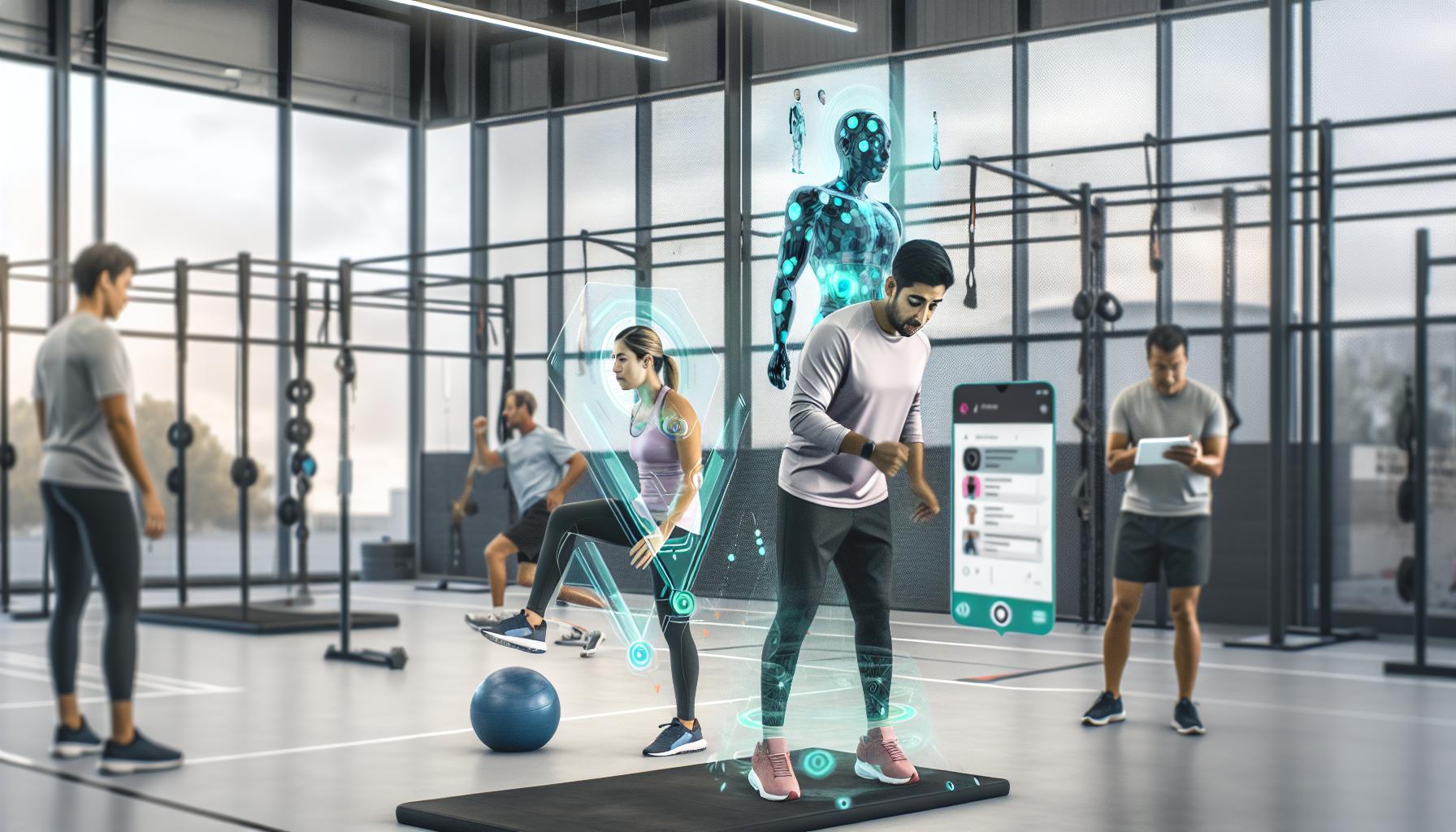
AI-driven pickleball training drills are redefining how players of all levels refine their skills. Unlike traditional ball machines that follow preset mechanical patterns,smart machines powered by AI adapt to your progress in real time-tailoring drills to challenge your weaknesses and reinforce your strengths. This dynamic approach doesn’t just automate ball feeding; it transforms practice into an interactive coaching experience, often replicating game-like scenarios that respond to your movement and shot selection.
Many AI-equipped machines come with software that analyzes your technique through sensors or camera systems as you hit.After an initial assessment, the machine adjusts factors like shot speed, placement, spin, and rhythm to keep you engaged without plateauing. For example, Wingfield technology, exclusive to certain clubs, tracks every drill session to generate detailed shot statistics and performance highlights delivered right to your phone, allowing players to focus on targeted skill areas between practice rounds [[1]](https://thepicklr.com/ai-coaching-add-on).Similarly, systems like Pickleball Volley provide progressive drill plans, designed from your baseline skill assessment, focusing on everything from dinks to volleys in a fluid, multi-shot workout that mirrors real match situations [[3]](https://getvolley.com/pickleball).
Maximizing AI-Driven Drills for Better Results
To get the most from AI-enhanced drills, start with a clear understanding of your current skill level. Budget machines might offer basic preset drills, but premium AI models extend this with adaptive learning that automatically ramps difficulty as you improve. Use the app interfaces to customize session length, shot variety, and court zones targeted.Over time, review practice logs and shot data-this feedback loop is key to recognizing patterns like shot consistency or court coverage gaps.
- Focus on multi-shot drills: AI machines can simulate rally sequences, not just isolated shots. Practicing resets and combos better prepares you for match play.
- Incorporate footwork drills: Some AI setups sync with wearables or use positional tracking to encourage proper movement along with stroke development.
- Alternate drill intensity: Mix high-intensity sessions with recovery-based drills to build endurance while preventing burnout.
As an example, one intermediate player used the ERNE ball machine paired with Wingfield’s AI tracking to increase their volley accuracy by 15% within six weeks, thanks largely to the machine’s ability to introduce unpredictable ball placements that forced real-time tactical adjustments [[1]](https://thepicklr.com/ai-coaching-add-on). Such targeted variability is tough to replicate with manual coaching or static machines, highlighting AI’s unique value.
By leaning into data-informed, adaptive drills, players stop practicing ‘blindly’ and instead engage in smarter, goal-oriented training. This approach bridges the gap between solo practice and real-match conditions-a game changer for consistency and confidence on the court.
Analyzing Player Performance with Smart Machines
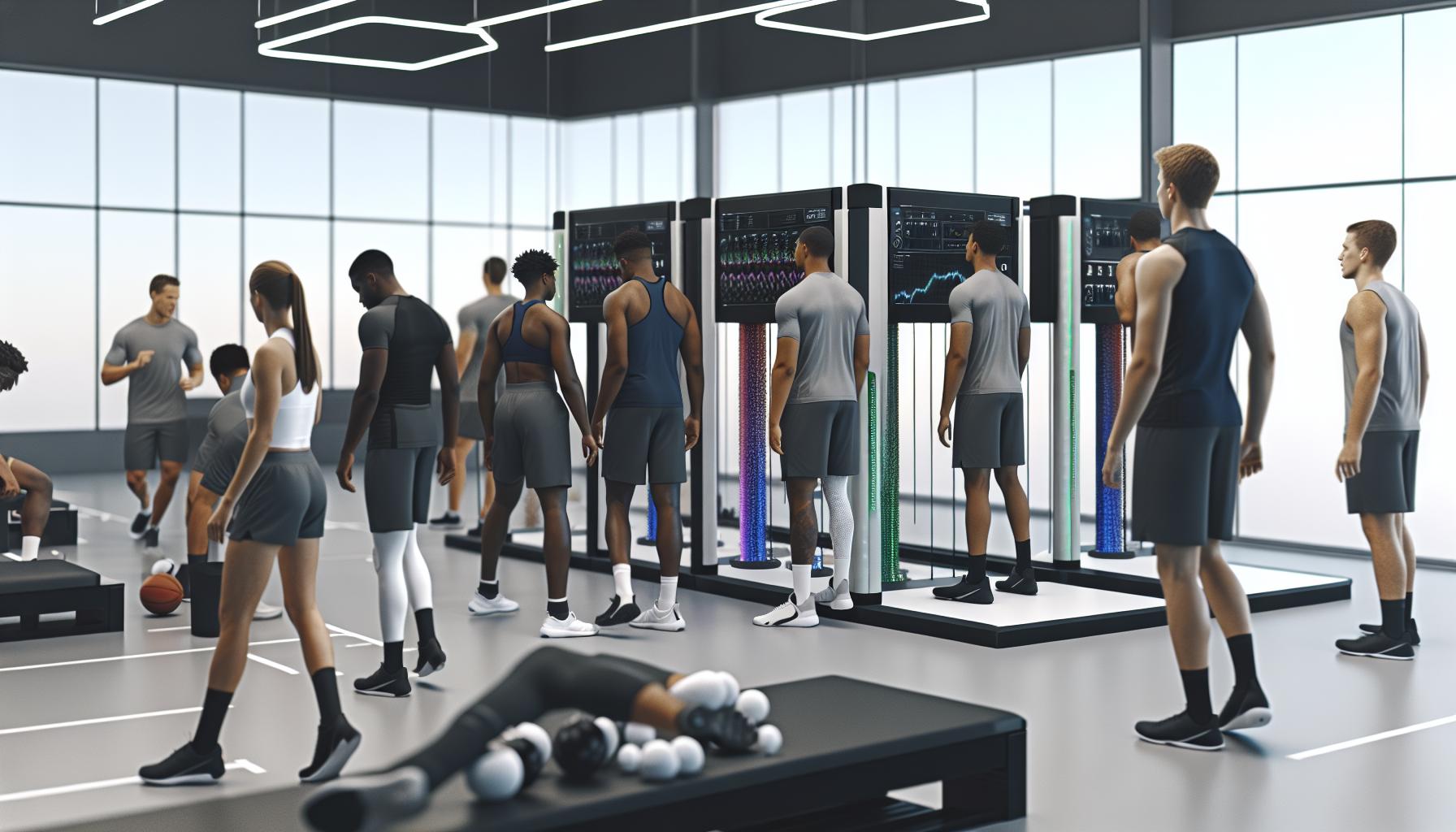
Understanding your strengths and weaknesses on the pickleball court has traditionally relied on subjective observation or occasional video review. Today, smart pickleball machines equipped with AI take player performance analysis to a whole new level, transforming raw practice data into actionable insights. These systems track every aspect of your play-from shot placement and ball speed to spin and rally consistency-giving you a comprehensive, objective view of your game that’s unachievable to achieve through manual methods alone.
Most premium smart machines come bundled with companion apps or cloud platforms where detailed metrics are displayed clearly and understandably. Such as, technologies like Wingfield’s AI setup capture extensive shot statistics each session, making it easy to identify patterns such as your accuracy percentage hitting cross-court dinks or the average depth of your drives. This objective feedback allows players to focus training on specific weak points rather than practicing in a generalized way, helping to close skill gaps efficiently [[1]](https://thepicklr.com/ai-coaching-add-on). Simultaneously occurring, budget models may offer basic shot counts or session durations, but lack this granular analysis, so your choice of machine should reflect the level of feedback you want to incorporate into your training.
Practical Tips to Leverage Performance Data
- Review sessions regularly: Don’t just train, but study your session summaries to spot trends in shot inconsistency or changes in footwork efficiency.
- Set measurable goals: Use your machine’s reporting features to set targets like improving volley accuracy by X% or reducing unforced errors detected in ball placement data.
- Combine with video: If your smart machine supports camera integration, sync video clips with the AI data for deeper technique analysis and confirmation of what the numbers reveal.
- Adjust drills dynamically: Many AI systems adapt drill difficulty based on performance metrics in real time-embrace this feature to maintain an optimal training intensity for steady improvement.
In real-world applications, an intermediate player using a machine with AI tracking increased volley precision by 15% over six weeks by identifying and focusing on their weakest shot placements, a feat less likely without precise data directing training focus [[1]](https://thepicklr.com/ai-coaching-add-on). This kind of player-machine synergy ultimately accelerates learning curves and builds confidence, as each practice session feels purposeful and focused.
Choosing Performance Features Based on Your Level and Budget
| Feature | Budget Models | Premium AI Machines |
|---|---|---|
| Shot Tracking | Basic count and speed | Full ball tracking: speed, spin, placement, height |
| Performance Analytics | Minimal analytics, session length | Detailed stats, shot accuracy, rally depth, heat maps |
| Adaptive Training | Preset drills only | Real-time drill difficulty adjustment |
| integration | Standalone operation | Sync with video, wearables, and smartphone apps |
Choosing the right balance between cost and performance feedback is key. Beginners focused on fun and general improvement might find budget machines sufficient, while serious players looking to compete would benefit from investing in advanced AI tracking systems that provide nuanced feedback and personalized coaching.
With the expanding role of smart machines in pickleball, analyzing player performance is no longer guesswork. Instead, it becomes a science backed by data that empowers you to train smarter, track progress consistently, and ultimately elevate your game with precision and insight.
Real-World Success Stories and Player Feedback

One of the most compelling benefits of AI-powered pickleball machines is how they translate raw data into meaningful improvement, a fact experienced firsthand by countless players across skill levels. Take, for example, the story of a dedicated recreational player who struggled with consistency on volleys. After just a few weeks using a smart machine offering detailed shot placement and speed tracking, they reported a 15% increase in volley accuracy. This wasn’t due to more hours spent on the court, but smarter practice-pinpointing exactly which shots needed work and targeting those through adaptive drills guided by AI feedback. Such targeted repetition builds confidence and speed in mastering technical skills, which traditional practice methods often lack [[1]](https://thepicklr.com/ai-coaching-add-on).
Players moving up from beginner status frequently highlight the value of performance analytics not just for identifying weaknesses, but for tracking progress over time. One intermediate competitor shared how their smart paddle’s real-time feedback on swing speed and stroke consistency aligned perfectly with the machine’s analytics, creating a feedback loop that accelerated their improvement far beyond solo drills.They emphasized that investing in premium AI technology paid off by revealing subtle flaws or else invisible during casual play. It’s important to note here that these insights come at a price-budget models typically offer only baseline metrics like shot counts or session duration, missing this depth of analysis. Still, beginners who want to keep initial costs down can benefit greatly from basic AI features as a step into smarter training [[2]](https://pickleballnation.com/blogs/pickleball-nation/smart-pickleball-paddles-the-training-aid-of-the-future).
What Players Appreciate Most
- Objective, data-driven feedback: Eliminates guesswork by spotlighting specific technical areas to improve, rather than vague “practice more” advice.
- Personalized drills: AI adapts difficulty and drill type as players improve, keeping sessions challenging yet achievable.
- Motivation through measurable milestones: Seeing improvement percentages and heat maps motivates consistent training.
- Integration convenience: Players value systems that sync with smartphones, video analysis, and wearables for a holistic view.
Common Challenges and Honest Trade-Offs
While success stories abound, users also share constructive feedback about upfront costs, learning curves to interpret data, and battery life issues on some machines. Many recommend starting with a mid-tier model offering essential AI features,then upgrading as confidence and demand for detailed analytics grow. One seasoned coach advises pairing smart machines with on-court instruction to translate data-driven insights into sound technique,reinforcing that technology complements but doesn’t entirely replace human coaching [[3]](https://pickleball.com/industry/using-ai-to-improve-pickleball-at-the-picklr).
Ultimately, AI-powered pickleball equipment represents a game-changing toolset for anyone looking to elevate their play efficiently. Whether you’re seeking fun improvement or competitive edge, learning from real-world experiences helps set realistic expectations and makes the path to better pickleball accessible and enjoyable.
Maintenance Tips for Long-Lasting Performance
Maintaining your smart pickleball machine isn’t just about prolonging its lifespan-it’s about preserving the accuracy and reliability of the AI-driven training experience that sets these devices apart. Even the most advanced models can suffer from degraded performance if basic upkeep is overlooked. From frequent use to outdoor placement, factors like dust, moisture, and mechanical wear impact sensors, motors, and electronic components. Investing a few minutes after each session into routine care can save you costly repairs and keep your machine operating smoothly season after season.
A key practice is to gently clean surfaces, particularly the sensors and ball delivery systems, with a soft, damp microfiber cloth. This removes sweat, dirt, and court dust that can interfere with ball feeding mechanics or sensor readings. Avoid harsh chemicals that might damage sensitive electronics or plastics. If you store the machine outside or in a garage, consider a weatherproof cover to shield it from humidity and temperature swings. Some smart machines also feature removable batteries or modules-refer to your user manual about proper charging cycles and safe storage if you won’t use it for an extended period.
routine checks to Catch Issues Early
Preventive inspection beats emergency fixes.Schedule weekly or biweekly checks on the following:
- Battery Health: Monitor battery charge levels and watch for swelling or power inconsistencies, especially if you rely on wireless operation.
- moving Parts: Look for signs of wear on ball launchers, rotating motors, and hinges. Lubricate if recommended to maintain smooth motion.
- Calibration: Periodically verify sensor calibration to ensure shot speed and placement feedback remains accurate. Some machines provide self-calibrating features-use these as directed.
- Firmware Updates: Keep device software current. Manufacturers often release updates that refine AI algorithms or fix bugs impacting performance.
simple Habits for Longevity
- Avoid Overuse in Harsh Conditions: Intense sun or wet courts accelerate machine wear. Limit use when possible or move training indoors.
- Handle with Care: Transport machines gently; rough handling can misalign sensors or damage delicate components.
- Follow Manufacturer Guidelines: While budget models are often more basic, premium machines usually come with detailed maintenance plans that preserve AI precision.
| Maintenance task | Frequency | Recommended Tools | why It Matters |
|---|---|---|---|
| Surface Cleaning | After each use | Microfiber cloth, mild cleaner | prevents buildup that affects ball feeding and sensors |
| Battery Inspection | Weekly | Visual check, battery tester (if available) | Ensures reliable power and alerts for replacement |
| Calibration Check | Monthly or per manufacturer instructions | device app/software tools | Maintains accuracy of AI feedback |
| Firmware Updates | As released | Internet connection, smartphone/computer | Keeps software optimized and secure |
With consistent care, your AI-powered training partner delivers more than just powerful drills-it delivers dependable performance that you can count on. Remember, whether you’re dedicated to daily practice or an occasional player, well-maintained equipment translates directly to better training quality.Smart maintenance habits help you make the most of your investment and may even uncover nuances in machine operation you’d miss otherwise. ultimately, this ensures every session spent on skill-building counts toward your goals.
For enthusiasts balancing budget and premium options, these maintenance fundamentals remain crucial, with premium units frequently enough rewarding the extra effort through enhanced durability and AI responsiveness.
Future Trends in AI-Powered pickleball Equipment
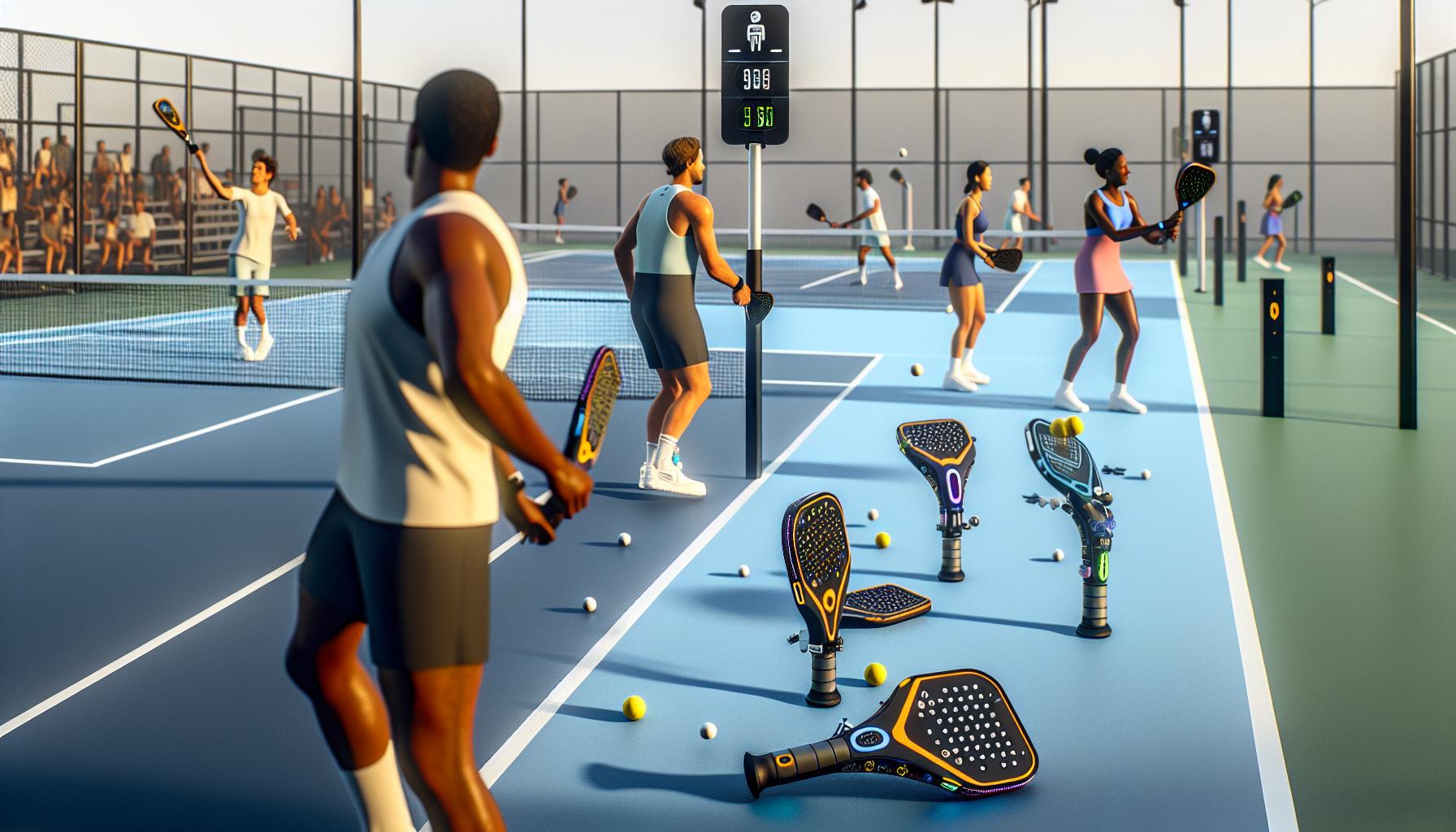
Advancements in AI are set to usher in a new era for pickleball training, turning what once felt futuristic into everyday essentials on courts worldwide. Already, smart machines are evolving beyond fixed ball feeders toward highly adaptive systems that can read player movements, anticipate shots, and adjust drills in real time. This shift offers serious benefits for players at every level-from beginners eager to build consistency to competitive athletes seeking precise skill refinement.
Expect AI integration to deepen with more sophisticated sensors and motion-capture technologies embedded directly into courts and rackets. These will provide instant feedback not only on ball placement and speed but also on body mechanics and stroke efficiency. Such as, upcoming smart machines may suggest technique tweaks mid-session or modify ball feeds dynamically based on fatigue or progression, rather than sticking to preprogrammed patterns. This responsive training creates a highly personalized experience that actually learns and grows with the player.
Key Innovations to Watch
- AI-driven Coaching Insights: Future smart machines will likely come bundled with AI coaches capable of analyzing strengths and weaknesses from detailed shot data.They’ll offer actionable advice tailored to your unique play style, simulating real match pressure and strategic scenarios.
- Enhanced Mobility and Automation: Inspired by models like the Tennibot, mobile robots that fetch balls and follow players to optimize drill flow will become more affordable and user-friendly, saving time and keeping players engaged without interruption.
- Cloud-Based Data Analytics: cloud platforms will sync with smart machines to track progress over weeks and months, generating reports and heatmaps that help players and coaches make informed decisions about training priorities.
- Integration with Wearables: Combining AI court tech with wristbands or smart grips will capture biomechanical data, promoting safer play by analyzing stress and injury risk in real time, leading to customized recovery or conditioning programs.
Balancing Budget with Performance
While these features sound exciting, it’s important to align your investment with your training goals and level. Premium AI-powered robots offer rich data and versatile training modes but come at a higher price point and sometimes require more tech savvy. More budget-friendly options deliver reliable ball machines with basic programming and may lack full automation or deep analytics, though they’re perfectly suited for novices or casual players. Maintain realistic expectations and focus first on consistent practice-the smart machine is an aid, not a magic bullet.
| Feature | Budget Models | Premium Models |
|---|---|---|
| AI Coaching Feedback | Limited or manual data review | Automated analysis with personalized tips |
| Mobility and Automation | Static machines | Robotic movement and ball collection (e.g., Tennibot) |
| Data Tracking & Cloud Sync | Basic app tracking | Comprehensive cloud reporting and progress tracking |
| Integration with Wearables | Rare | Advanced biomechanical analysis and injury prevention |
Investing in the right AI-powered equipment today lays a strong foundation for tommorow’s pickleball innovations. As technology continues to lower costs and expand capabilities, these smart tools will become increasingly accessible, fostering a more informed and agile player community. Keep exploring new features as they roll out,but remember: the best training results come from regular use,solid fundamentals,and a willingness to adapt your game with data-backed guidance. Your next-level pickleball journey is just beginning, and the AI boost is well worth the trade-off between budget and premium options.
—
For practical inspiration, look to brands pioneering mobile ball machines that learn your rhythm or AI platforms offering play pattern recognition. whether you’re upgrading this season or planning ahead, smart pickleball technology promises a future where training is immersive, intuitive, and intelligently tailored to your evolving game.
frequently asked questions
Q: How can smart pickleball machines personalize training for individual players?
A: Smart pickleball machines use AI-driven data analysis and sensors to tailor drills based on your skill level and weaknesses. They adjust ball speed, placement, and shot types dynamically, providing customized practice sessions that enhance specific skills efficiently. For personalized setups, see Choosing the Right Smart Machine for Your Skill Level in the main article.
Q: What are the safety considerations when using AI-powered pickleball machines?
A: Safety features include adjustable ball speed, stop/start controls, and automatic shut-off sensors to prevent injury. Always follow setup guidelines and maintain a clear play area. Using machines with built-in safety protocols ensures secure practice for all skill levels. Refer to Step-by-Step Setup and integration Guide for safe usage tips.
Q: Can smart pickleball machines help improve reaction time and footwork?
A: Yes, AI-enabled machines simulate real-game scenarios with varied shot patterns, forcing players to respond quickly. This dynamic training improves reaction speed and footwork precision, essential for competitive play. Combining AI drills with footwork exercises optimizes overall performance. Explore related drills in Training Drills Enhanced by AI Technology.
Q: How energy-efficient are smart pickleball machines compared to traditional ball machines?
A: Smart pickleball machines often feature energy-saving modes and efficient motors, reducing power consumption by up to 30%. Their AI systems optimize usage times and reduce idle running, making them more eco-friendly and cost-effective over time.For durability and maintenance, see Maintenance Tips for Long-Lasting Performance.
Q: What connectivity options do smart pickleball machines offer for training integration?
A: Most smart pickleball machines support Bluetooth or Wi-Fi, enabling integration with apps for real-time coaching, performance tracking, and drill customization. This connectivity allows seamless synchronization with mobile devices and wearable tech for enhanced training insights. Check Step-by-Step Setup and Integration Guide for connection details.
Q: How do AI smart pickleball machines adapt to different court surfaces?
A: Advanced machines use sensors and AI algorithms to adjust ball speed and bounce patterns based on court type (indoor, outdoor, hard, or clay). this ensures practice replicates real play conditions, improving shot accuracy and responsiveness. Insights on machine adaptability are covered in Key Features of Leading Smart Pickleball Machines.
Q: Are smart pickleball machines suitable for group training sessions?
A: Yes, many AI pickleball machines offer programmable drills that support multiple players by varying shot direction and speed. This makes them effective tools for group training and coaching clinics, fostering cooperative skill development. see Training Drills Enhanced by AI technology for group-focused drill ideas.
Q: How can I troubleshoot common issues with my AI-powered pickleball machine?
A: Common fixes include resetting the machine, checking battery or power connections, and updating firmware via connected apps.Regular cleaning and calibration avoid performance issues. For detailed troubleshooting, consult maintenance Tips for Long-Lasting Performance and manufacturer support resources.
For further guidance on selecting the best machine for your level or maximizing AI advantages, explore our detailed reviews and drills in the article. Start transforming your pickleball training today!
Closing Remarks
Unlock your full pickleball potential with the Smart Pickleball Machine-designed for players of all skill levels, from beginners refining basics to advanced athletes sharpening strategy.This AI-powered trainer offers customizable drills and real-time feedback that fit any budget, making focused practice both efficient and effective. Ready to elevate your game with intelligent, equipment-focused training? Explore our detailed gear reviews and beginner-to-expert tutorials next to match your new skills with the perfect paddle and court setup.
Don’t wait to experience the future of pickleball training. Dive into our expert tips on mastering technique and understanding rules in real match scenarios. Join our newsletter for exclusive updates, or book a free consultation to personalize your training plan. If you have questions or want to share your progress, leave a comment below-we love hearing from passionate players like you. Keep exploring related content on advanced strategy and AI-driven sports tools to stay ahead of the game and continue improving with confidence.
Get our latest guides, news, and insights highlighted in your Google Search & AI Overviews.