
We are focused on growing the sport of Pickleball
Pickleball Machines
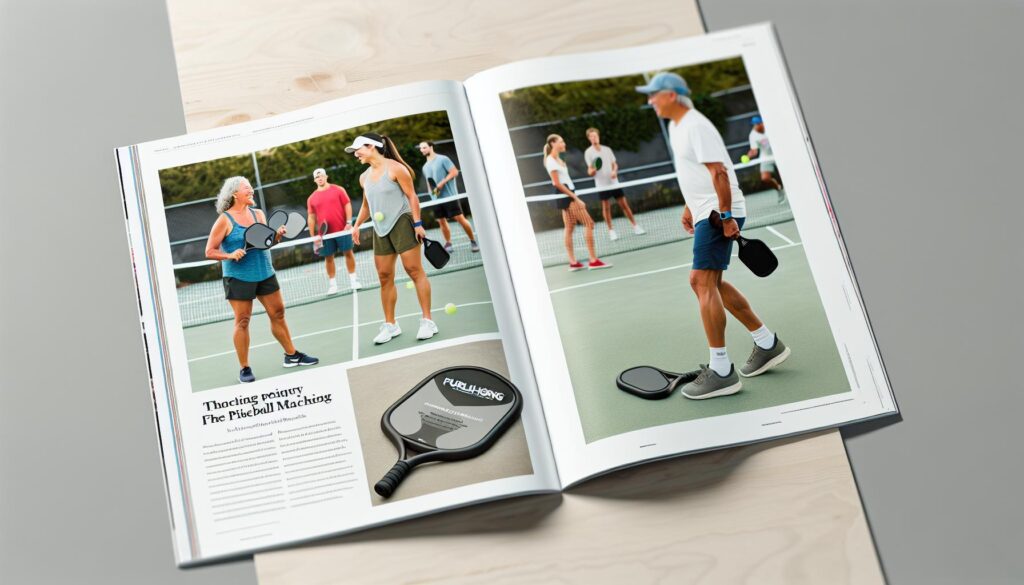
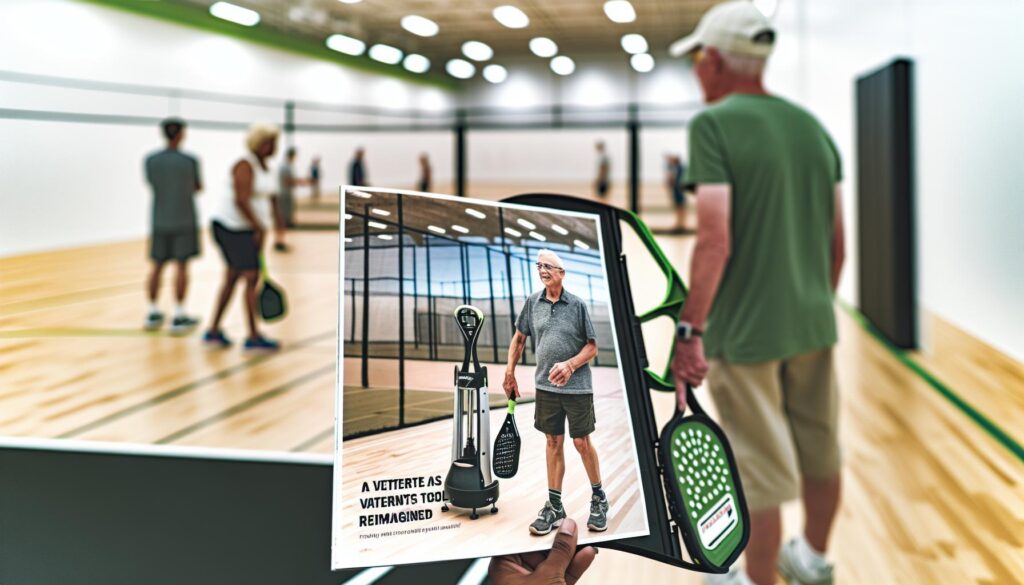
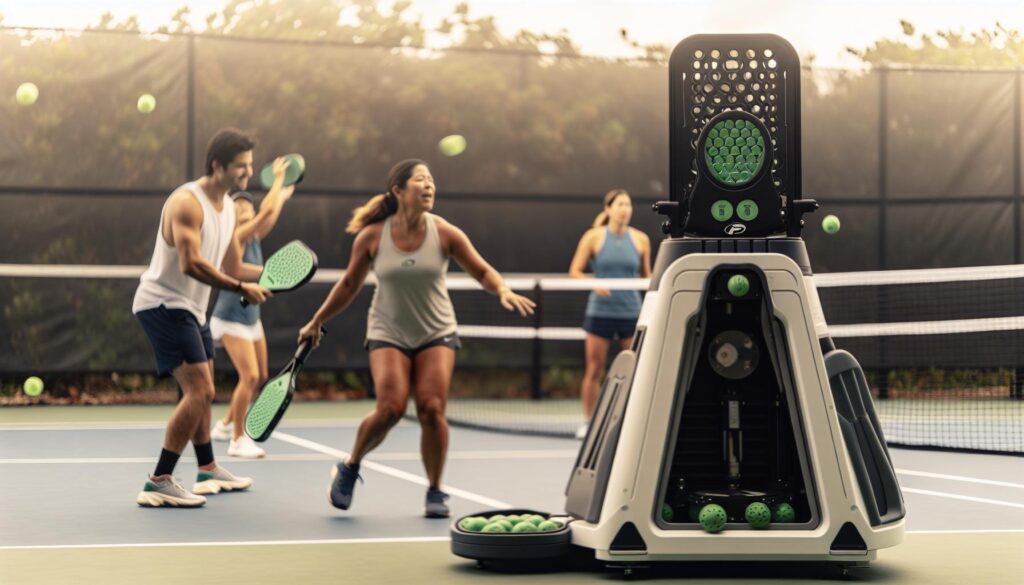
Pickleball machines are motorized dual-wheel or pneumatic ball launchers designed to feed consistent dinks, drives, drops, and lobs during solo practice. Commercial and portable units hold 60 to 150 balls, fire at 10 to 70 mph across 1.5-to-12 second intervals, and run 2 to 6 hours per battery charge.
Machine comparisons examine throwing-wheel wear, topspin and backspin RPM modulation, programmable 6-to-12 point drill sequences, and 28-to-48 pound transport weights. Hardware evaluations also weigh Lobster, Pickleball Tutor, Playmate, Titan, and Erne platforms alongside club rental rates averaging 15 to 30 dollars per hour.
Comparative Selection & Benchmark Matrix
The comparative selection and benchmark matrix below evaluate scoring criteria, structural benchmarks, and verified use-case fit.
| Evaluative Resource | Evaluation Benchmarks & Criteria | Best Suited For |
|---|---|---|
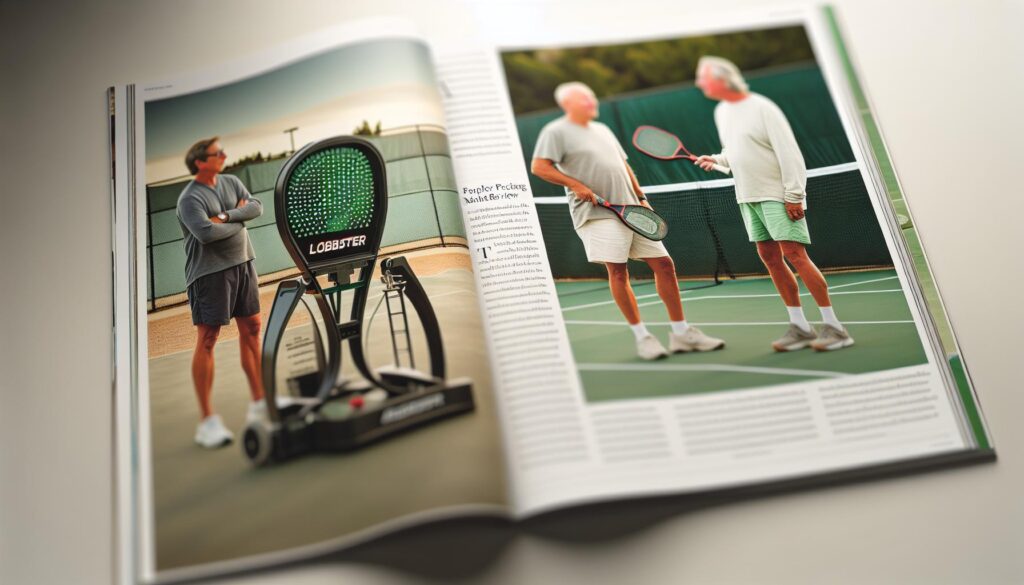
| Lobster Pickleball Machine Buyer Analysis | 135-ball hopper | 10-60 mph | 2-to-4 hr battery runtime | Commercial Review |
| Pickleball Tutor Machine Review | 110-ball capacity | 10-60 mph | 29-46 lb chassis options | Hardware Evaluation |
| Erne vs Titan Ball Machine Comparison | 150-ball vs 140-ball hopper | App-controlled drills | 65+ mph max | Informational Comparison |
| Local vs Online Pickleball Machine Rentals | $15-$30/hr club rate | $95-$175/wk shipped | Deposit terms | Transactional Guide |
Use-Case Classifications & Decision Guides
Use-case classifications and decision guides segment options by strategic objective, structural format, and evaluation criteria.
Brand Reviews & Commercial Launchers
Maintenance & Solo Practice Setups
Additional Specialized Guides & Case Studies
- Titan Pickleball Machine Discount Code: Save Big on Training Gear
- Pickleball Machine Rental: Try Before You Buy Near You
- 681PBH Pickleball Machine: Budget Option Performance Review
- Simon X Pickleball Machine: AI-Powered Smart Training System
- Smart Pickleball Machine: AI Training Revolution Begins
- Portable Pickleball Ball Machines for Shot Precision Drills: Top Picks
- Multi Twist Pickleball Machine: Variable Spin Training Mastery
- Rally Pickleball Machine: Group Practice Made Simple
- A11N Pickleball Machine: Latest Features & Price Breakdown
- Lobster Pickleball Machine Reviews: Pros, Cons & Real Results
- AI Pickleball Machine: Future of Adaptive Solo Training
- Lobster Pickleball Machine How Clean Rollers: Maintenance Tutorial
- Pickleball Tutor Machine Does Not Feed Balls: Troubleshooting Tips
- Slinger Pickleball Machine Discount Code: Current Deals & Savings
- Lobster Pickleball Machine Replace Battery: DIY Repair Guide
- Furlihong Pickleball Machine Review: Budget Performance Tested
- Best Pickleball Machine: 2025 Expert Comparison & Reviews
- Best Pickleball Machine Reddit: Community Top Picks & Debates
- Titan One Pickleball Machine Reviews: Worth the Hype in 2025?
- Lobster 2 Pickleball Machine: Next-Gen Features Explained
- Titan Ace Pickleball Machine: Elite Training Under $1,000
- Pickleball Spin Machine: Master Topspin & Backspin Shots
- Can You Use a Tennis Ball Machine for Pickleball? Compatibility Guide
- Zenith Pickleball Machine: Advanced Features Worth the Investment?
- Lobster Pickleball Machine Instructions: Complete Setup Manual
- Best Pickleballs to Use With Lobster Machine: Optimal Ball Guide
- Pickleball Court Cleaning Machine: Maintain Perfect Playing Surface
- Alibaba Pickleball Machine: Import Deals Worth Considering?
- Best Ball Machine for a Pickleball Club: Commercial Solutions
- Jbotsports Pickleball Machine: Emerging Brand Deep Dive
- Lobster Pickleball Machine: Premium Training for Serious Players
- PP Smart Pickleball Machine Review: Smart Features Justified?
- Using Lobster Tennis Machine for Pickleballs: Adaptation Guide
- Can I Use a Pickleball Machine for Batting Practice? Cross-Sport Use
- Slinger Pickleball Machine Reviews: Real User Experiences 2025
- Posboll Pickleball Machine Remote Controlled Portable: Wireless Freedom
- Volley Pickleball Machine: Rapid-Fire Dink Training Tool
- Heater Deuce Pickleball Machine Reviews: Tennis Crossover Worth It?
- Furlihong Pickleball Machine: Affordable Power for Solo Practice
- Portable Pickleball Machine: Train Anywhere With Ease
Selection & Comparison Questions
Selection and comparison questions resolve key differences in evaluation criteria, structural requirements, and strategic fit.
How many balls do portable pickleball machines typically hold?
Portable battery-powered pickleball machines typically hold 60 to 150 balls in detachable hoppers, enabling 4 to 10 minutes of uninterrupted repetition per refill at a 4-second feed cadence. Lightweight budget tossers hold 15 to 25 balls, whereas commercial club machines carry up to 200 balls.
Why do pickleball machine throwing wheels lose speed over time?
Throwing wheels lose feed velocity as plastic ball dust, court chalk, and moisture glaze the rubber wheel surfaces and reduce ball grip. Cleaning dual wheels every 10 to 15 hours of runtime with rubbing alcohol restores original spin rates and landing-spot accuracy.
Is renting a pickleball machine cheaper than buying one?
Renting a pickleball machine at 15 to 30 dollars per hour saves money for casual players training fewer than 20 hours per year. Players drilling two or more hours weekly exceed a 900-to-1,800 dollar machine purchase price within 12 months of regular rentals.