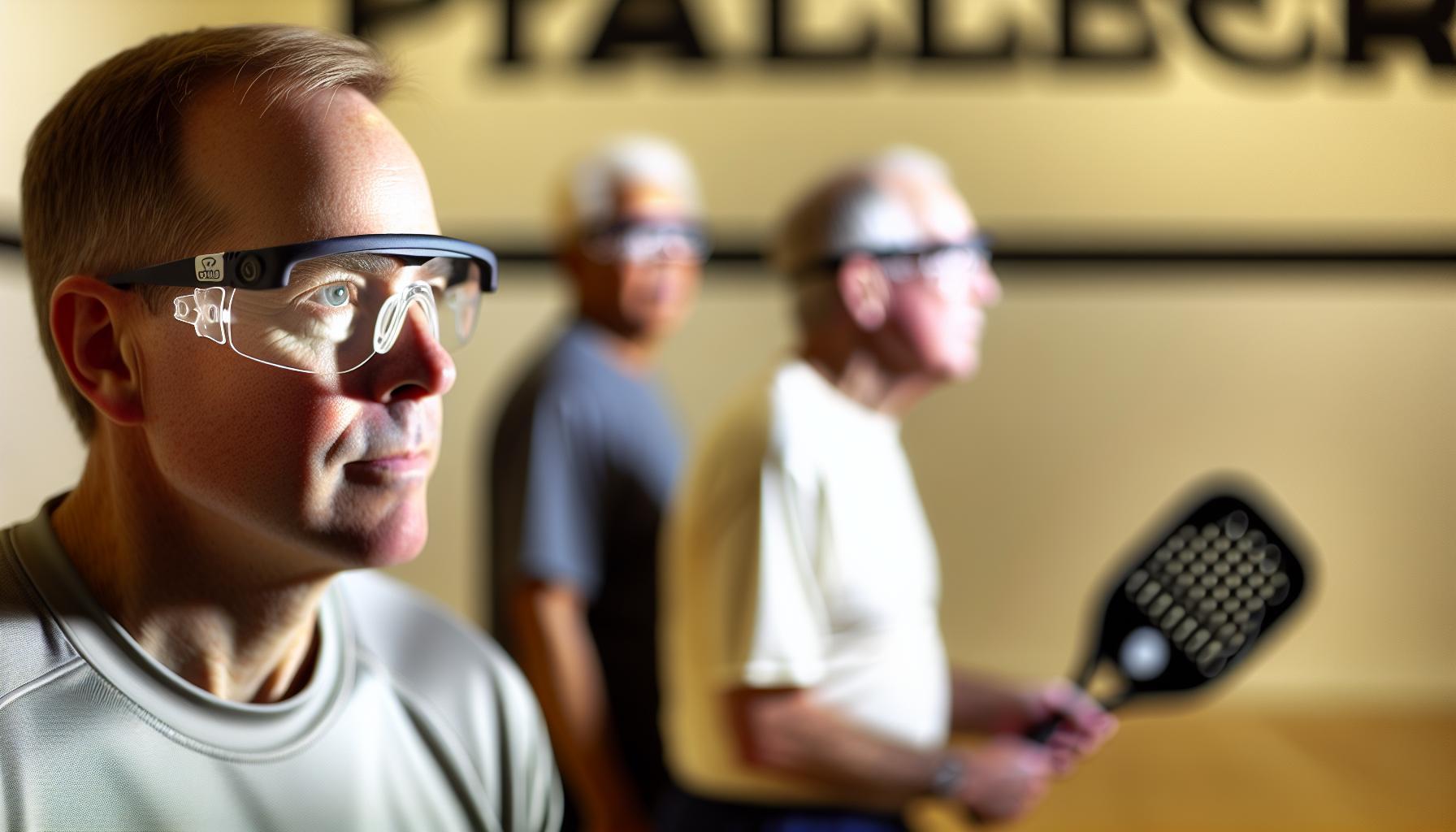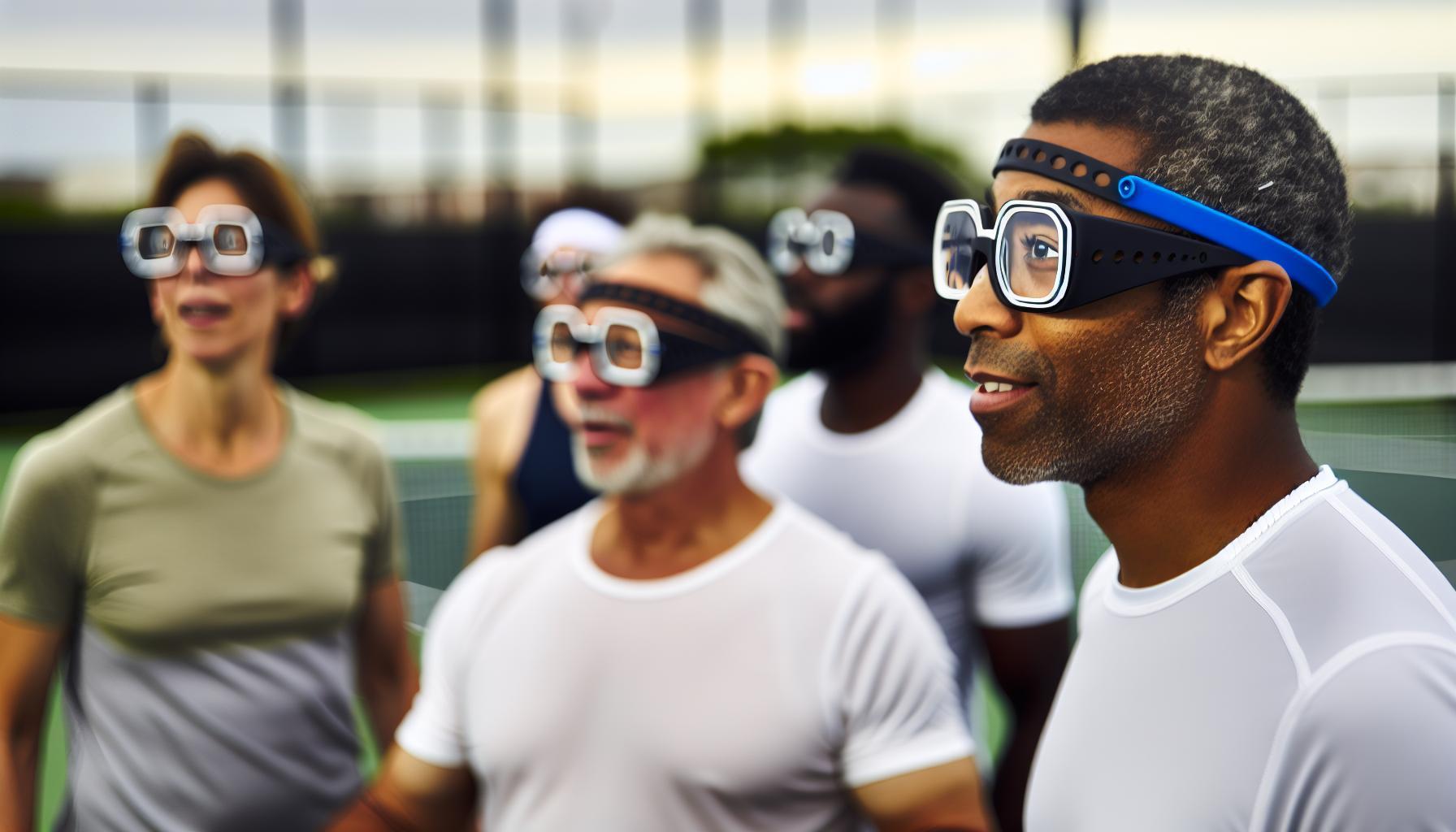
Fogged-up glasses can quickly turn a great pickleball match into a frustrating blur, whether you’re a beginner trying to learn the game or a seasoned player chasing every point. If you rely on eyewear for protection or enhanced vision, knowing how to keep your lenses clear is a game-changer. In this guide, you’ll discover five proven solutions to stop fog in its tracks-covering affordable fixes and premium gear options that suit all budgets and skill levels.From smart lens coatings to simple, practical habits, these tips will help you stay focused on the court without the annoyance of fog, letting you play your best every time. Let’s dive into what really works, so you can make confident gear choices and keep your vision sharp, no matter how intense the rally gets.
Why Glasses Fog Up During Pickleball and How It Affects Play
One of the moast frustrating moments on the pickleball court is when your glasses suddenly fog up just as you’re about to make a crucial return. This fogging happens because of a simple physical process: warm, moist air from your breath or sweat contacts the cooler surface of your lenses, causing condensation. The faster your body heats up during intense rallies, the more moisture accumulates around your face, increasing the chance of fog buildup. For players, this isn’t just an annoyance-it creates a dangerous blind spot that can make tracking the fast-moving pickleball and reading opponents’ positions considerably harder.Foggy lenses reduce visibility and reaction time,affecting shot accuracy and footwork. It can also cause distraction or the need to constantly adjust your glasses, which interrupts focus and can lead to crucial mistakes during quick exchanges. For newcomers balancing the challenges of learning positioning and shot technique, fog adds an needless complication that can hinder progress. Competitive players, conversely, feel the direct impact on split-second decision-making, making anti-fog solutions more then just a convenience-they’re a competitive necessity.
Why Does Fog Buildup Happen Differently for Each Player?
Several factors influence how easily glasses fog during pickleball:
- Face shape and fit: The closer your glasses sit to your face, the less air circulation you have, which traps moisture. Players with sweatier skin or higher humidity environments experience faster fogging.
- breathing patterns: Players who breathe heavily through their nose or mouth during rallies generate more warm, moist air near the lenses.
- Temperature and humidity: Cooler outdoor temperatures combined with body heat create the perfect condensation environment. Indoor courts can also get humid from multiple players exerting themselves.
- Type of eyewear materials and coatings: Lenses without anti-fog treatments are more susceptible to moisture buildup.Some cheaper or older glasses lack coatings that repel water or manage airflow effectively.
how Fog Interferes With Your Game
Imagine returning a quick serve or chasing a fast lob with clouded vision-that split-second loss of clarity can cause misjudged shots or unforced errors. Moreover, the repeated need to wipe glasses disrupts your rhythm and focus, impacting overall performance. For players wearing prescription glasses for vision correction, fogging can cause double frustration by limiting both clarity and safety.
Awareness of this common challenge allows players to experiment with gear and techniques tailored to their style and environment. Whether that means investing in glasses designed with strategic ventilation, or using affordable anti-fog sprays, managing fogging is key to maintaining sharp vision and keeping your competitive edge throughout every match.
By recognizing the root cause of fogging and how it impacts your play directly, you can make informed choices that enhance both comfort and performance on the court. These insights prepare you to explore the best anti-fog coatings,treatments,and frame designs that help keep your lenses clear no matter how intense the game gets.
Top Anti-Fog Coatings and Treatments for Pickleball Glasses
Fogging on pickleball glasses is more than a nuisance; it can be a game-changer when split-second reactions matter most. The right anti-fog coatings and treatments create a critical barrier that keeps moisture from forming tiny droplets on your lenses, preserving crisp vision throughout fast rallies. Understanding which technologies work best-and when to apply them-helps players of all levels stay focused and safe on the court.
Modern anti-fog coatings are typically made from hydrophilic (water-attracting) materials. Instead of letting moisture bead up and blur your vision, these coatings spread condensation evenly across the lens surface, producing an almost invisible, thin water film. Many premium sport glasses arrive factory-treated with advanced anti-fog layers designed to last hundreds of hours of play. For example,Brioti’s proprietary VAPORID™ coating offers long-lasting fog resistance,performing well without any additional sprays or wipes when properly maintained [[3]](https://brioti.com/blogs/briotidrop/fog-free-pickleball-glasses-tips?srsltid=AfmBOooAuaIwh3EfkDPTYj3CTDQW8PnfbqVOufKGED5w3N7WqpLq9OJq). though, even the best coatings rely on clean lenses and appropriate fit for optimal airflow.
If you’re working with standard lenses or older glasses lacking built-in anti-fog technology, various treatments can boost performance without breaking the bank. Anti-fog sprays and gels-originally designed for scuba diving or swim goggles-can be repurposed effectively for pickleball glasses. These products often leave a thin,invisible film that resists condensation on contact,but their protection typically wears off after several hours and requires frequent reapplication [[1]](https://www.facebook.com/groups/UpstatePickleball/posts/1513153209623336/).
For those who want a quick, affordable fix, wipes impregnated with anti-fog agents offer convenience on the go. They work similarly by depositing surfactants that prevent water droplets from clumping. Though,keep in mind that repeated use over time can wear down lenses not made for such products,so compatibility with your eyewear’s coatings is essential.
| treatment Type | Pros | Cons | Best For |
|---|---|---|---|
| Factory-Applied Anti-Fog Coating | Long-lasting; minimal maintenance needed; no extra products | Higher upfront cost; sensitive to oils and dirt | Regular players, competitive athletes |
| Anti-Fog Sprays & Gels | Effective; budget-friendly; easy to apply | Temporary effect; must reapply; may affect lens coatings | Casual or occasional players; DIY enthusiasts |
| Anti-fog Wipes | Convenient; portable; no mess | Disposable; moderate lasting time; compatibility issues possible | Players wanting quick fixes during play |
Choosing the right treatment frequently enough depends on how you play and your budget. For beginners not ready to invest heavily,anti-fog sprays or wipes can be a solid starting point. Competitive players or frequent court visitors benefit more from premium glasses with integrated coatings that perform consistently without extra effort.
Above all, treat your glasses gently and avoid using harsh cleaners that strip away anti-fog layers.A clean lens optimizes coating efficiency; even the best anti-fog technology can be compromised by oils from sweat, skin, or hair [[3]](https://brioti.com/blogs/briotidrop/fog-free-pickleball-glasses-tips?srsltid=AfmBOooAuaIwh3EfkDPTYj3CTDQW8PnfbqVOufKGED5w3N7WqpLq9OJq). Incorporating routine care and selecting appropriate anti-fog solutions will keep your lenses clear, letting you focus on the next winning shot rather than battling fog.
Affordable DIY Fixes to Prevent Lens Fogging
Fogged-up lenses can turn a winning shot into a frustrating misplay, but you don’t have to break the bank to keep your vision clear on the court. Several budget-friendly tricks work surprisingly well to reduce or even prevent fogging, especially if you’re not yet ready to invest in premium anti-fog gear. With just a few household items and mindful maintenance, you can keep your pickleball glasses fog-free and maintain your competitive edge without spending a fortune.
Practical Home Remedies that Actually Help
Many players find success with simple DIY solutions that create a thin, invisible layer on the lenses to discourage water droplet formation. Such as, a gentle rub of liquid dish soap diluted with water applied and buffed off with a microfiber cloth can provide an effective anti-fog barrier. The soap’s surfactants reduce surface tension, spreading moisture evenly instead of allowing fog to bead up. Another common hack involves using a small drop of baby shampoo or even shaving cream in the same fashion-apply, let it sit briefly, and then wipe clean.These methods are quick, non-toxic, and easy to perform right before a game.
Easy-to-Find Consumables for On-the-Go Fog Control
If applying liquids isn’t ideal during play, consider keeping a pack of anti-fog wipes handy. These wipes are pre-treated with fog-preventing agents and are perfect for a quick refresh between games or sets. While they don’t last as long as factory coatings,their convenience makes them a great companion for players on a budget. Though, be cautious: frequent use on lenses without anti-fog-compatible coatings can degrade the lens surface over time. Balancing usage frequency with care will help preserve your glasses.
Simple behavior Tweaks That Reduce Fogging
Beyond products, how you wear and maintain your glasses plays a big role.Creating an extra millimeter or two of gap between your eyes and the lenses improves airflow, reducing moisture buildup. Wearing a moisture-wicking sports headband or sweatband can also keep perspiration-and the accompanying oils from your skin and hair-away from your lenses, which helps keep anti-fog treatments working effectively. Ensuring your glasses fit securely but aren’t pressed too firmly against your face lets air circulate naturally, mitigating fog accumulation during intense rallies.
| DIY Solution | How It Works | Pros | Cons |
|---|---|---|---|
| Dish Soap or Baby Shampoo Rub | Creates surfactant layer to spread moisture thinly | Cheap, safe, easy request | Needs reapplication; can leave residue if not buffed |
| Anti-Fog Wipes | Deposits fog-preventing chemicals quickly | Portable; fast fog clearance | Temporary; may degrade lenses with frequent use |
| Adjusting Fit & Airflow | Improves ventilation to reduce moisture buildup | No cost; improves comfort | May require experimentation for best fit |
Combining these affordable fixes often yields the best results-try prepping your lenses with a dish soap rub before play, carry anti-fog wipes for mid-game touch-ups, and experiment with your glasses’ fit to maximize airflow. These tried-and-true tactics make staying fog-free accessible for players who want practical solutions without premium price tags. With a little routine care and awareness, clear vision is well within reach for players at every skill level.
Best Pickleball Glasses with Built-In Anti-Fog Features
when it comes to keeping your vision crystal clear on the pickleball court, glasses with built-in anti-fog features can be a game-changer. Whether you’re a casual player or competing in faster-paced matches, fog-free lenses mean fewer distractions and better shot accuracy. Modern designs integrate anti-fog coatings and materials engineered to maintain clarity even during intense play, when sweat and temperature changes boost fogging risks. These aren’t just ordinary safety glasses; they’re built specifically to meet the demands of active sports like pickleball.
Choosing eyewear that naturally resists fog without constant reapplication of sprays or wipes saves time and hassle. Brands like Onix offer specialized models such as the Falcon, Owl, and Eagle, which combine durable lenses treated with both anti-fog and anti-scratch technology along with 99.9% UV protection-a must-have for outdoor play [[3]](https://www.onixpickleball.com/collections/protective-eyewear?srsltid=AfmBOoqlNq1_-EApbb4j4qxEUurwrFczxdu_VQ5FjtQBL32BPBaK2p0q). These glasses often feature lens treatments applied during manufacturing that provide a lasting anti-fog barrier far beyond what DIY methods or sprays can offer, though they typically come at a higher price point. For players who sweat heavily,investing in these models can be the difference between persistent lens fog and clear,uninterrupted view throughout your matches.
- Integrated Anti-Fog Coatings: Permanent treatments bonded to the lenses for long-lasting fog resistance.
- Scratch-Resistant Finish: Protecting lens integrity keeps clarity sharp while prolonging eyewear life.
- UV Protection: Critical for outdoor players to reduce eye strain and damage under sunlight.
- Comfort-oriented Frame Designs: Frames that boost airflow and minimize direct skin contact reduce moisture buildup.
| Model | anti-Fog Technology | UV Protection | price Range | Best For |
|---|---|---|---|---|
| Onix Falcon | Factory-applied anti-fog & scratch-resistant coating | 99.9% | $$$ | Serious players & outdoor enthusiasts |
| 3M Virtua 11329 | Anti-fog coating, affordable & lightweight | Moderate | $ | Budget players & casual use |
| Onix Eagle | Durable anti-fog finish, vented frame design | 99.9% | $$$ | Competitive play requiring ventilation |
From a practical standpoint, glasses that combine both anti-fog lenses and frame designs enhancing airflow tend to outperform simpler models. The vented frames found on some premium pickleball glasses help reduce the temperature difference between your skin and the lens surface-one of the primary causes of fogging during play.Plus, wide lens coverage helps with peripheral vision, crucial when tracking fast volleys or quick dinks near the net.While these options require a bit more investment,the time saved by not constantly wiping lenses or struggling through fog is well worth it.
To get the most out of these premium glasses, consider pairing them with moisture-wicking headbands or caps to further reduce sweat dripping onto your lenses. And if you’re new to using protective eyewear, choose styles with adjustable nose pads and temple tips for a secure yet comfortable fit-keeping glasses slightly off your skin encourages gentle airflow that fights fog. For serious pickleball players, combining superior anti-fog technology with smart frame engineering provides an all-around solution that lets you focus fully on the game, without worrying about visibility.
In sum, the built-in anti-fog features in dedicated pickleball glasses offer consistent clarity and comfort that DIY hacks or sprays can’t match in the long term. Investing in these specially designed glasses is ideal for players ready to elevate their gameplay and reduce distractions from fogged-up lenses, especially in humid or fast-paced conditions.
Proper Ventilation and Frame Design Tips to Stop Fogging
One of the most effective ways to keep your pickleball glasses fog-free is by optimizing airflow around the lenses through smart frame design. Fogging occurs primarily when warm, moist air from sweat or breath meets the cooler lens surface, causing condensation. Frames that promote natural ventilation break this cycle by balancing temperature and moisture, reducing the chance of fog forming. Unlike simple shields or coatings alone, well-ventilated frames work continuously during play, especially in fast-paced games where sweat and movement are unavoidable.
Choosing glasses with strategically placed vents near the lenses or along the temples allows air to circulate freely without compromising eye protection or stability. For example, premium models often feature micro-vent designs that channel airflow gently between the skin and lens, minimizing warm air buildup.At the same time, the frame should provide a secure fit that avoids pressing lenses tightly against your face, as direct contact traps moisture and heat. Adjustable nose pads and flexible temple arms help position glasses just right-close enough for comfort but loose enough for airflow.
- Vent placement: Look for frames with top and side vents that encourage consistent air exchange.
- Frame material: Lightweight,sweat-resistant plastics reduce slipping caused by moisture and help keep frames dry.
- Lens shape and coverage: wider lenses with wraparound designs improve peripheral vision while allowing room for airflow behind the lens.
- Fit adjustments: Customizable nose pads and temple tips ensure a snug yet breathable fit tailored to your face shape.
| Feature | Benefit | Notes |
|---|---|---|
| Micro-ventilation slots | Promotes airflow to reduce fog buildup | Common in mid- to high-end sport glasses |
| Adjustable nose pads | Enhances fit and creates space for airflow | Essential for players with varied face shapes |
| Wraparound lenses | Improves protection and peripheral vision | Leaves room behind the lenses for air to circulate |
| Sweat-resistant rubber grips | Prevents slipping without residue buildup | Maintains frame position over long matches |
In practical terms, pairing ventilated frames with moisture-wicking headbands or sweatbands can further control sweat flow and help keep lenses dry. As an example, in intense rallies when heart rate spikes, controlling sweat before it reaches the glasses can mean fewer interruptions to wipe lenses mid-play. it’s a simple tactic that boosts the effectiveness of ventilation features.
That said, ventilated designs come with trade-offs.While most players benefit from better airflow, open vents can let in dirt or dust outdoors, requiring more cleaning. Also, more complex frame designs often come with a higher price tag, so balancing your budget and performance needs is key. Beginners or casual players on a budget might focus on quality fit and frame materials first, then upgrade to vented models as their game intensifies.
investing in thoughtfully engineered frame designs that emphasize ventilation is a smart move for all skill levels. It proactively combats fog and ensures you spend more time focused on your shots and less time battling visibility issues. The right glasses, combined with simple sweat management habits, can elevate your on-court clarity for a sharper, more confident game.
How to Clean and Maintain Your pickleball Glasses for Clear Vision
Clear vision is the game-changer every pickleball player needs, and maintaining your glasses in top shape is a surprisingly simple but frequently enough overlooked part of that process. Dirty or smudged lenses not only disrupt your focus but also increase the likelihood of fogging, especially during intense rallies. Treat your glasses like precision tools-regular cleaning combined with mindful maintenance routines keeps performance sharp and your view crystal clear on every play.
Cleaning Basics: Techniques That Work Without Damage
Start with rinsing your glasses under lukewarm water to remove loose dirt or sweat. Avoid hot water, which can degrade anti-fog coatings or warp frames. Use a drop of mild dish soap-free from lotions and additives-and gently rub both sides of each lens with your fingers. After rinsing thoroughly,dry with a clean,soft microfiber cloth specifically designed for eyewear. This prevents scratches, which can scatter light and obscure vision.If you’re in a pinch on the court, sipping water or simply using a clean microfiber wipe is fine, but consistent and thorough cleaning after each session is key to prolonging lens life. Some players swear by unconventional methods like applying a thin layer of shaving cream, then rinsing - a gentle, budget-friendly hack known to reduce fog and clear smudges without harsh chemicals[[3]].
Thoughtful Maintenance for long-Term Performance
Routine inspection and care extend beyond cleaning. Monthly checks on hinge screws ensure frames stay secure and don’t loosen mid-match-a quick snug with a small eyewear screwdriver can save a lot of hassle[[1]]. Avoid overtightening to preserve frame integrity. Sweat and outdoor exposure can accelerate wear, so wipe nose pads and temple grips regularly to avoid residue buildup that can cause slipping.
For storage, keep your glasses in a hard case when off the court. This guards against accidental drops and environmental damage, such as dust or UV exposure that degrade lens coatings. If you’re using anti-fog sprays or wipes, follow product instructions carefully-overuse or incorrect application can ironically reduce their effectiveness.
Practical Tips Tailored to Your Play Style and Budget
- Players on a budget: Focus on using mild soap and microfiber cloths for cleaning, and consider DIY anti-fog hacks like shaving cream application.
- Competitive players: Invest in premium anti-fog coatings and keep multiple microfiber cloths available courtside to wipe lenses quickly during gameplay.
- All levels: Pair good cleaning habits with maintenance like hinge tightening and proper storage to extend glasses’ lifespan and clarity.
| Care Action | Frequency | Benefit | Tools |
|---|---|---|---|
| Rinse and soap cleaning | After each play session | Removes oils, dirt, sweat, enhances clarity | Mild dish soap, lukewarm water |
| Microfiber cloth wipe | Before, during, after matches | Prevents scratches, removes light smudges | Eyewear-specific microfiber cloth |
| Hinge screw check | Monthly | Keeps frame stable and secure | Small eyewear screwdriver |
| Proper storage | Always off-court | Prevents damage and preserves coatings | Hard case |
Keeping your pickleball glasses clean and well-maintained isn’t a chore; it’s a winning habit. Clear lenses mean quicker reactions,fewer distractions,and more confidence at the net. Whether you’re just starting out or chasing tournament wins, a little care goes a long way in making every shot count. For more detailed maintenance tips and specific product recommendations, you can also explore resources like BlueCut Glasses’ maintenance guide or Dink Eyewear’s cleaning best practices[[1]][[2]].
Choosing Between Anti-Fog spray, Wipes, and Insert Shields
Fogged lenses can turn an intense pickleball match into a frustrating guessing game, making quick decisions and clear vision nearly impossible. When it comes to combating fog, players frequently enough wonder whether to rely on anti-fog sprays, wipes, or the lesser-known insert shields. Each offers distinct advantages and drawbacks depending on your play style, budget, and lens type, so understanding how they work will help you make smart choices courtside.
Anti-fog sprays are a popular, flexible solution favored by many players as they can be applied to nearly any kind of lens, including prescription glasses. These sprays create a thin film that minimizes surface tension, preventing moisture from coalescing into fog droplets. A well-applied spray can last through several matches, but the effect gradually wears off and requires reapplication. Keep in mind, overuse or uneven application can leave streaks or reduce lens clarity. For beginners or those on a tight budget, sprays offer an affordable entry point. However, if you wear high-end lenses with coatings, check compatibility to avoid damage.
wipes infused with anti-fog agents combine convenience with consistency. On a hot day, a quick wipe between points can instantly restore clear vision without the mess of sprays. Many performance brands produce wipes formulated specifically for sports eyewear, combining anti-fog properties with cleaning agents that remove oils and dirt-two common fog culprits.They’re especially handy for players who sweat heavily or wear helmets/masks that direct moisture upward. The downside: wipes come at a higher per-use cost than sprays, and their single-use nature may generate more waste for eco-conscious players.
Insert Shields: A Different Approach to Fog prevention
For players who suffer from persistent fogging irrespective of sprays or wipes, insert shields offer a mechanical solution. These are thin, clear sheets placed between your eyes and lenses, designed to create a small air gap that improves ventilation and reduces moisture buildup. Some inserts come with built-in anti-fog coatings for added protection. Insert shields work exceptionally well with prescription glasses because you don’t have to constantly apply treatments to the lens itself-ideal for competitive players needing consistent, long-term clarity during tournaments.
Though, inserts aren’t without trade-offs. They may add weight or slightly alter how your glasses fit, possibly causing discomfort during long sessions. Installation can require patience and precision, sometimes demanding tools or professional help to avoid bubbles or misalignment. For casual players,inserts may be overkill,but for those battling heavy fog daily,they’re worth exploring.
| Solution | Effectiveness | Cost | Ease of Use | Best For |
|---|---|---|---|---|
| Anti-Fog Spray | Good, lasts several matches | Low | Requires reapplication, careful application needed | Beginners, budget players, various lens types |
| Anti-Fog Wipes | Very good, immediate clarity | Medium | Convenient, disposable after single use | Players needing quick refresh courtside, heavy sweaters |
| Insert Shields | Excellent, passive ventilation aid | Medium to high | Requires installation, potential fit issues | Competitive players, prescription lens wearers facing persistent fog |
When choosing, consider your typical playing environment and how much effort you’re willing to put into maintenance. For example, a weekend warrior might appreciate the simplicity and affordability of sprays or wipes, while a tournament-level player might find inserts worthwhile for the consistent anti-fog performance they deliver.remember also to combine these treatments with basics like proper lens cleaning and selecting glasses designed with strategic ventilation to further minimize fog buildup naturally. Balancing these solutions can make foggy pickleball days a distant memory and let you keep your eye on the ball where it belongs.
Player-Tested Tricks: Real Scenarios to Keep Glasses Fog-Free
Foggy glasses can derail your focus right at the most critical moment-whether you’re about to serve or chasing down a fast return. Real players know this all too well and have developed practical tricks that go beyond just relying on product claims. The key is to match your anti-fog strategy with your playing environment, sweat levels, and budget, all while keeping comfort front and center.
Start with lens prep and maintenance. Before heading out, clean your lenses thoroughly using a gentle soap or specialized sports eyewear cleaner to remove oils and dirt-primary culprits behind fog buildup. Many players swear by applying a thin layer of anti-fog spray or using high-quality anti-fog wipes right before the game. However, a common scenario is uneven spray application, which leads to streaking or partial fog. To avoid this, apply spray in a controlled, circular motion and buff with a microfiber cloth until clear.For those on a budget, inexpensive wipes offer a quick courtside fix that’s less messy but must be disposed of after a single use.
ventilation and fit adjustments make a surprising difference. Glasses that sit too snugly trap warm air and sweat, accelerating fogging.some players loosen the arms slightly or adjust nose pads (if possible) to improve airflow. An example is a weekend player who switched from a generic wraparound frame to a sport-specific design with vented sides. The result? Far less fog during intense rallies, without sacrificing protection. Take advantage of frames with built-in vent channels, or even carefully modify existing glasses by adding subtle gap points-just ensure it doesn’t compromise safety or lens security.
- Use moisture-wicking headbands or sweatbands: These keep sweat from dripping down onto your glasses, reducing fog triggers.
- Stay aware of your mask or hat placement: Masks or caps that direct breath upward increase lens fog. Adjust them to steer airflow away from your glasses.
- Take quick resets during breaks: A fast wipe with a microfiber cloth or anti-fog wipe between points can maintain crisp vision in hot or humid conditions.
Player Experiences: Putting It All Together
One competitive player shared that combining anti-fog wipes with a slight adjustment to the fit made an immediate difference in summer tournaments, where heat and humidity were a constant challenge. Meanwhile, another player struggling with prescription lenses found insert shields invaluable-offering consistent clarity without the hassle of repeated spray applications.Both approaches emphasize that there’s no one-size-fits-all, but testing and combining solutions makes court vision reliable.
| Trick | Best For | Notes |
|---|---|---|
| Anti-Fog Spray + Proper Cleaning | Budget players,casual and competitive | Requires reapplication; clean lenses first for best results |
| Adjusting Frame Fit for Ventilation | All skill levels; especially hot/humid climates | Slight loosening can reduce fog; ensure safety not compromised |
| Use of Insert Shields | Competitive players,prescription glasses wearers | Higher cost and set-up effort; long-term clarity payoff |
| Courtside Microfiber or Anti-Fog Wipes | Players who sweat heavily or in humid conditions | Immediate clearing; single-use convenience but higher cost |
The bottom line: practical anti-fog tactics come from listening to your own experience on the court while blending tried-and-true methods.Don’t hesitate to experiment with simple adjustments-sometimes a small tweak, like repositioning your sweatband or selecting glasses with effective venting, transforms frustrating fog into seamless play. The reward? Staying locked in on every shot without distraction.
Balancing Budget and Performance: finding the Right Pickleball Glasses
Finding the perfect pair of pickleball glasses that balance both budget and performance doesn’t have to feel overwhelming. Whether you’re just starting out or playing competitively, the right eyewear can elevate your game by reducing fog, enhancing comfort, and protecting your eyes. The key lies in aligning your gear choice with your playing style, environment, and financial considerations-knowing when to prioritize advanced features and when a solid, affordable option will do the trick.
For beginners or casual players, investing in durable glasses with basic anti-fog coatings and UV protection frequently enough delivers the best bang for your buck. These models typically feature polycarbonate lenses for impact resistance and come with adjustable straps or soft nose pads to improve fit and reduce fog buildup during moderate play. You don’t have to break the bank to experience noticeable improvements in visibility and comfort. For instance, glasses like the ONIX Owl Protective Pickleball Eyewear give you three lens tint choices and include anti-fog treatments without a premium price tag, making them an excellent starter option[[1]](https://www.onixpickleball.com/products/owl-pickleball-eyewear?bvstate=pg:2/ct:r&srsltid=AfmBOorXYbH8VVCKZY4HB7LFTak8JjIyZZgF5wXoPi8V445705wfGLC8).
More serious players, especially those who sweat heavily or play in humid conditions, will benefit from higher-end models that incorporate design innovations to naturally reduce fog. These include prescription options with built-in ventilation channels, sweat-resistant materials, and secure fittings that eliminate the need for straps. Brands like Blinded Wear prioritize natural fog resistance through frame engineering, providing a steady, fog-free experience without constant maintenance - a game changer during intense rallies[[2]](https://blindedwear.com/blogs/news/dont-let-fog-and-slip-cost-you-points-try-these-rather?srsltid=AfmBOorAnvEsAi0Lzv4IYpSxsnKQKUypU2QCZFInUhbPBM4QBQH2ad2k).While these advanced features come at a higher price, they often prove cost-effective over time by reducing the need for sprays, wipes, or frequent replacements.
Framing Your Priorities: Cost vs. Features
| Factor | Budget-Friendly Glasses | Premium Glasses |
|---|---|---|
| Anti-Fog Capabilities | Basic coatings requiring frequent reapplication | Natural fog resistance via ventilation and material choice |
| Fit and Comfort | Simple adjustable straps or nose pads | Ergonomic designs with no-slip padding and custom adjustments |
| Lens Options | Standard tint and UV protection | Multiple tint choices, prescription compatibility, and impact resistance |
| Durability | Good for recreational use; some impact resistance | Highly durable frames and lenses; ASTM-certified impact protection |
| Price Range | $20 – $60 | $80 – $200+ |
Practical Advice for Choosing Your Eyewear
- Assess your weekly play frequency and intensity. If you play a couple of times a week casually, reliable budget picks will more than suffice.
- Consider environmental factors. Hot, humid climates favor glasses with built-in ventilation or natural anti-fogging designs.
- Try before you buy when possible. Comfort and fit can dramatically affect fog buildup and overall enjoyment.
- Think long-term. Competitors investing in premium eyewear frequently enough save money on anti-fog products and replacements over multiple seasons.
- Don’t overlook extras. Features like interchangeable lenses, microfiber pouches, or elastic straps add value without significant cost increases.
Ultimately, the right choice depends on your personal balance of performance needs and budget realities. Starting with well-reviewed models from trusted brands ensures you get protection and anti-fog features you can count on. Then, as your skill level and commitment grow, upgrading to glasses that integrate advanced ventilation and ergonomic design becomes a natural step to keep distractions off the court. Remember: clear vision and confidence in your gear unlock your best game.
When to Replace Your Glasses or Lenses for Optimal Clarity
Fog-free vision is critical during fast-paced pickleball rallies, but even the best glasses eventually lose their clarity. Knowing when to replace your glasses or lenses is just as crucial as selecting the right anti-fog features. Over time, coatings wear down, lenses accumulate scratches, and frames loosen-all of which can sharply reduce visibility and comfort, undermining your performance on the court.Lenses lose their anti-fog effectiveness due to natural wear and tear. Repeated exposure to sweat, cleaning agents, and environmental debris gradually depletes coatings like VAPORID™ or similar treatments. When you notice persistent fogging despite regular cleaning and anti-fog sprays, that’s a clear signal your lenses are nearing the end of their useful life.Likewise, deep scratches or surface pits scatter light and create distractions, making it harder to track the ball accurately-this is a good reason to upgrade sooner rather than later.
Frames also contribute to clarity. If your glasses have become loose or the nose pads no longer grip properly, air circulation weakens, increasing fog risks. Adjustable straps can help, but if the frame itself has warped or arms no longer fit your face snugly, replacement may be necessary. Ill-fitting eyewear can also lead to discomfort and distractions that cost precious focus during tight matches.
Practical Signs It’s Time for New glasses or lenses
- Persistent fogging: Anti-fog coatings no longer keep your lenses clear even after cleaning and treatments.
- Visible scratches or damage: Lens surfaces have deep marks that impair vision or cause glare.
- Worn frame elements: Nose pads,temple grips,or straps are damaged or fail to provide a stable,comfortable fit.
- Discoloration or cloudiness: Lenses develop haze or yellowing that can’t be cleaned off.
- Reduced impact protection: Over time, polycarbonate lenses and frames degrade and may fail to meet safety standards.
Balancing Cost, Performance, and Replacement Frequency
Finding the sweet spot between replacing glasses too often and playing with subpar gear comes down to your game frequency and budget. Casual players might replace budget models every 1-2 years, while serious competitors frequently enough invest in premium eyewear with longer-lasting coatings and durable frames that last multiple seasons.
| Player Level | Replacement Timeline | Key Considerations |
|---|---|---|
| Beginner / Casual | 1-2 years | Affordable glasses with basic anti-fog; expect to replace when scratches or fog persist. |
| Intermediate / Regular | 12-18 months | Mid-tier eyewear with stronger coatings; monitor fogging and fit, replace before performance degrades. |
| Competitive / Frequent | 6-12 months | Premium glasses with advanced coatings and frames; regular maintenance plus timely replacement for peak clarity. |
Remember, small investments in timely lens or frame replacement help protect your eyes, reduce distraction, and keep your pickleball game sharp. Treat your eyewear like a key piece of equipment-much like your paddle or shoes-because clear vision is the foundation for every winning point.
Tips to Extend the Life of Your Glasses
- Clean lenses gently: Use microfiber cloths and avoid harsh chemicals that degrade coatings.
- Store properly: Always protect glasses in a hard case when not in use to prevent accidental scratches and frame warping.
- Avoid DIY lens removal or modification: Unless certified safe, such alterations risk damaging protective coatings.
- Reapply anti-fog treatments as directed: some sprays and wipes can refresh coatings temporarily but don’t rely on them indefinitely.
- Replace straps or nose pads promptly: These inexpensive parts help maintain fit and prevent fog-related issues.
Clear, fog-free vision is attainable when you stay proactive about your eyewear’s condition. Regularly evaluating your glasses for signs of aging and understanding when to replace lenses or frames ensures that you’re seeing every shot with crystal clarity-and that’s a game-changer on the pickleball court.
Faq
Q: How can I prevent fogging on my pickleball glasses without using sprays or wipes?
A: To prevent fogging without sprays or wipes, try improving airflow by choosing glasses with *ventilated frames* and wearing a *breathable face mask* if needed. Also, keeping your lenses *clean and dry* reduces moisture buildup. For expert tips on ventilation and frame design, see the related section on *Proper Ventilation and frame Design Tips to Stop Fogging* for lasting clarity.
Q: What are the best materials for pickleball glasses lenses to minimize fog?
A: Polycarbonate and anti-fog coated lenses are *top choices* for pickleball glasses. They resist impact, provide clear vision, and often come pre-treated with anti-fog layers that help reduce moisture condensation during play. for more on lens types and performance, check the *Top Anti-Fog Coatings and Treatments* section for recommended materials.
Q: When should I consider replacing my pickleball glasses to avoid fog issues?
A: Replace your pickleball glasses if anti-fog coatings wear off, lenses show scratches, or fogging persists despite cleaning and treatments. Regular use can degrade coatings, so upgrading every 1-2 years keeps vision clear. Refer to *When to Replace Your Glasses or Lenses for Optimal Clarity* for signs and timing.
Q: How does sweat affect fogging on pickleball glasses and how can I manage it?
A: Sweat increases lens fog by raising humidity near your eyes. To manage this, use sweat-wicking headbands, keep wipes handy for quick lens drying, and choose glasses with *ventilated frames* that disperse moisture. see player-tested solutions in *Player-Tested Tricks* to control sweat-related fog.
Q: Can anti-fog inserts improve visibility on prescription pickleball glasses?
A: Yes,anti-fog inserts are effective for prescription glasses,creating a dry air gap between your eyes and lenses to reduce fog. They’re lightweight and compatible with many frames. Learn to select the right insert in the *Choosing Between Anti-Fog Spray, Wipes, and Insert Shields* section for personalized solutions.
Q: Why do some anti-fog sprays fail during intense pickleball gameplay?
A: Anti-fog sprays may fail when layers wear off quickly from sweat, rapid temperature changes, or poor application. For *long-lasting results*, apply as directed on clean lenses, reapply during breaks, and combine sprays with proper ventilation eyewear designs discussed in the *Top Anti-Fog Coatings and Treatments* section.
Q: How do I choose pickleball glasses that balance fog prevention and budget?
A: Balance budget and fog prevention by selecting glasses with *durable anti-fog coatings* or built-in features like ventilation, avoiding cheap lenses prone to scratching. Mid-range models often offer the best value. See *Balancing Budget and Performance* for specific recommendations that fit every skill level and wallet.
Q: Are retention straps useful for keeping pickleball glasses fog-free during fast movement?
A: Retention straps mainly prevent glasses from slipping, which can indirectly reduce fog by minimizing lens contact with sweaty skin. While not always necessary, advanced players often prefer straps for stability and consistent airflow. Consider straps if you experience frequent adjustment needs, as noted in player reviews of *Pickleball Eye Protection glasses* [[1]](https://pickleballmoments.com/pickleball-eye-protection-glasses/).
—
For deeper insights, explore the full article and find your perfect fog-free pickleball glasses solution!
In Summary
Finding the right pickleball glasses that truly prevent fog can transform your game-providing clear vision, comfort, and confidence on every play. Whether you’re just starting out or competing at a higher level,choosing no-fog eyewear designed for performance and durability ensures you stay focused without interruption.Ready to take your gear up a notch? Explore our in-depth reviews of the best pickleball glasses for all budgets, including top picks like the CRBN Pivot and Falcon Protective Eyewear for advanced fog resistance and UV protection.
Don’t let fog hold you back-discover the latest tips and gear recommendations in our extensive guides on pickleball equipment, effective paddle techniques, and court strategies to elevate your entire game. Sign up for our newsletter for exclusive updates, product launches, and pro insights to keep you playing your best. Have questions or personal experiences with no-fog glasses? Drop a comment below and join our community of passionate players sharing honest advice and winning solutions. your clear view starts today-why wait?
Get our latest guides, news, and insights highlighted in your Google Search & AI Overviews.